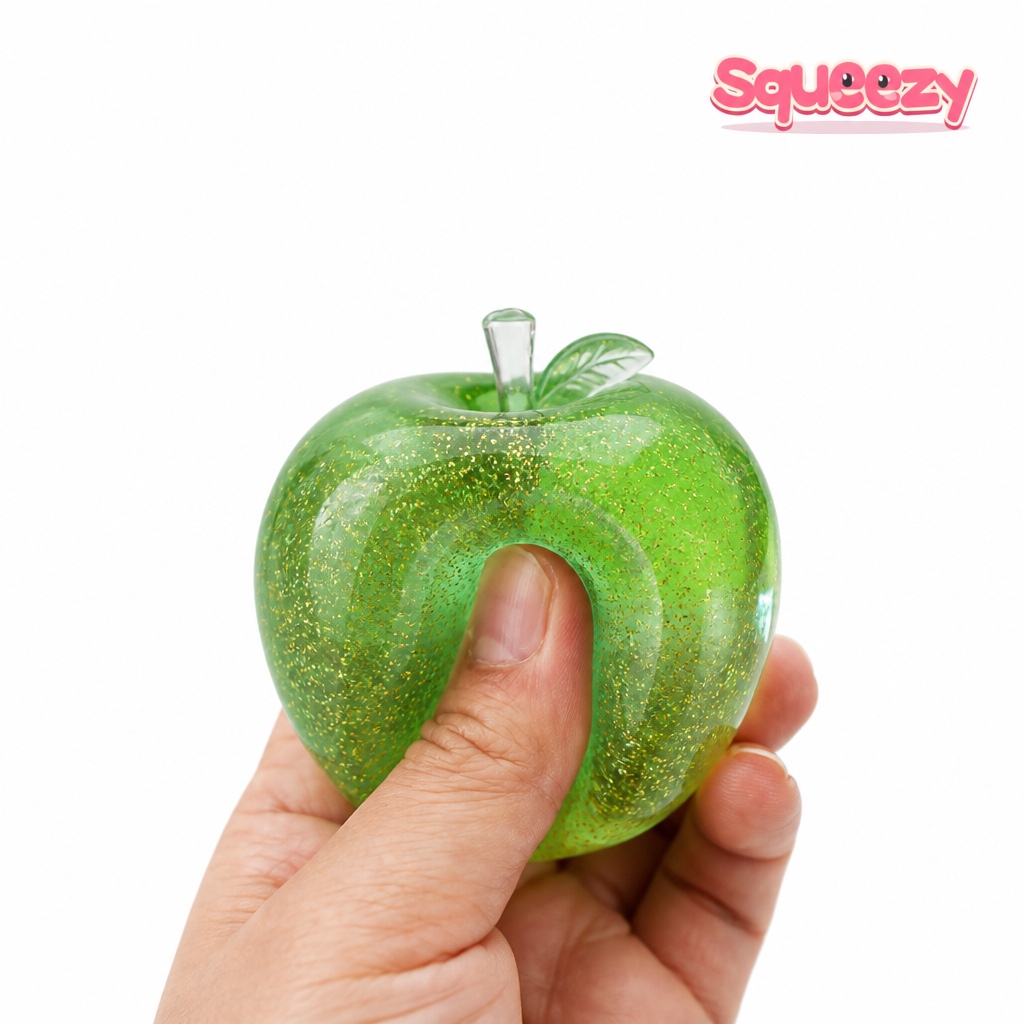
 Crystal Apple Squishy
 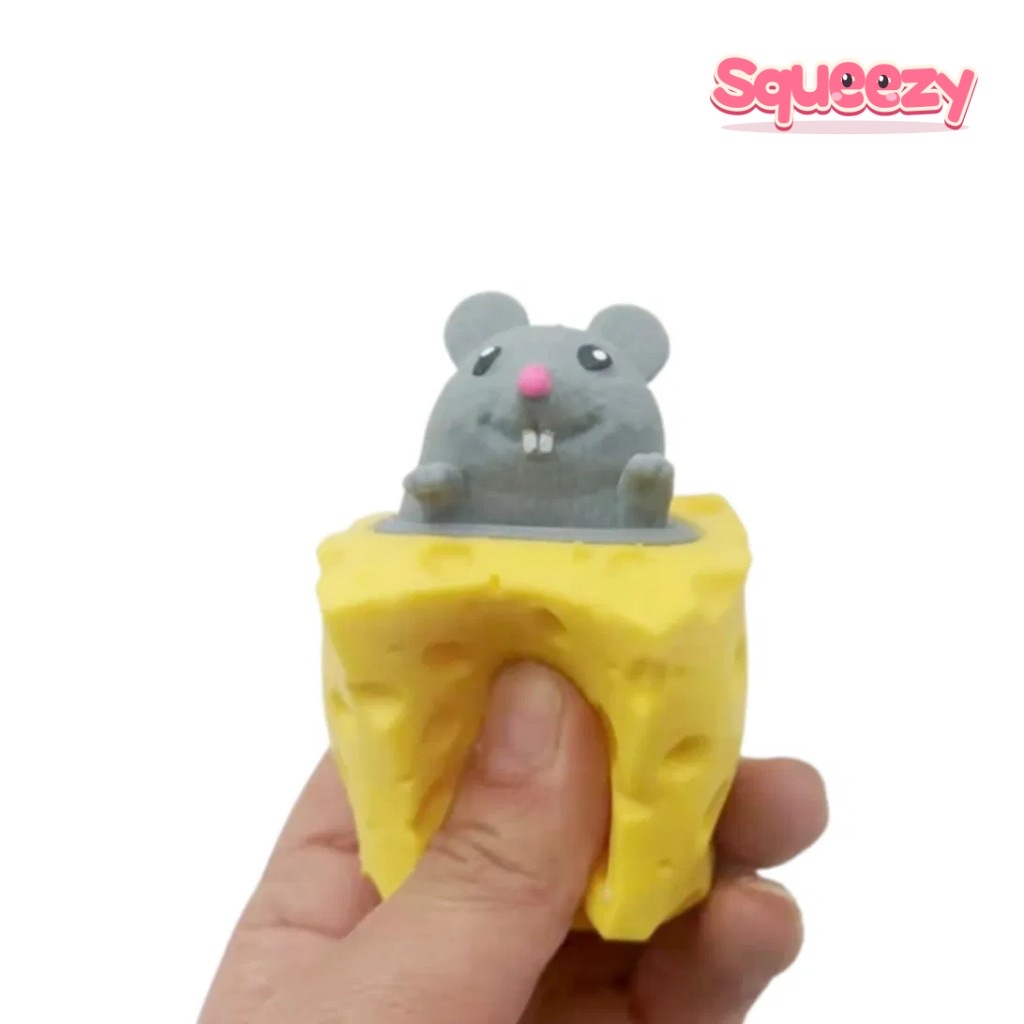 Cheese Squishy
 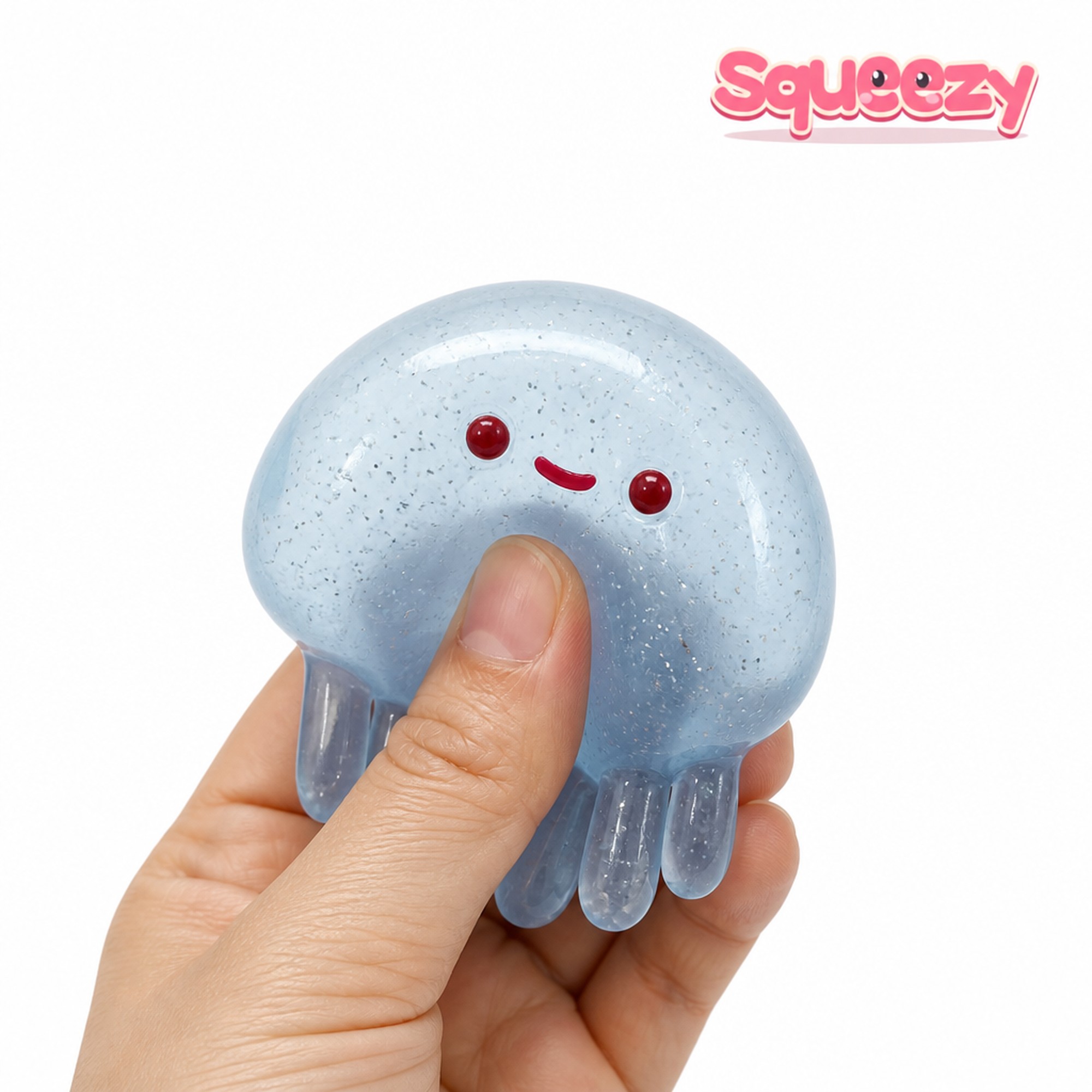 Jellyfish Squishy
 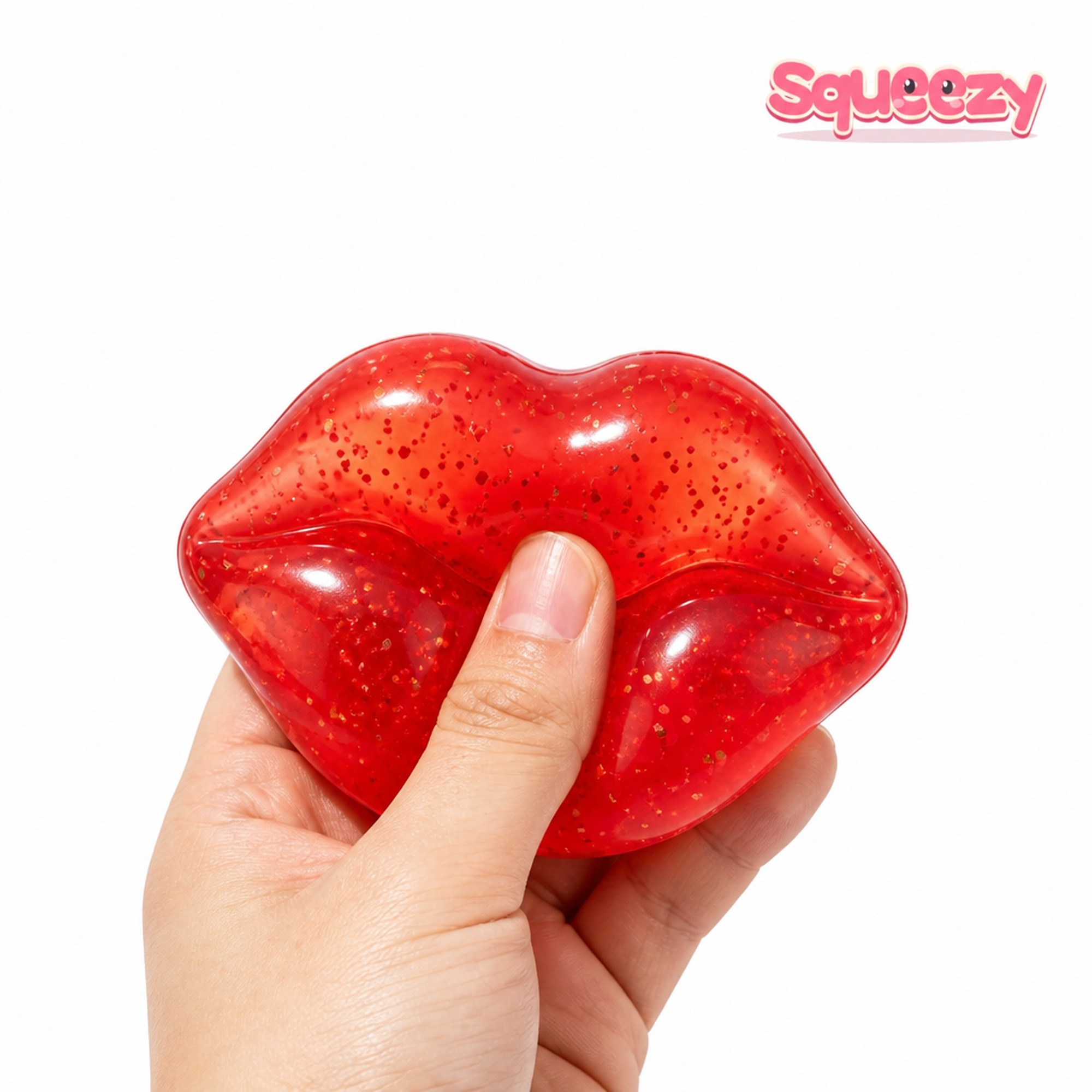 Jumbo Lips Squishy
 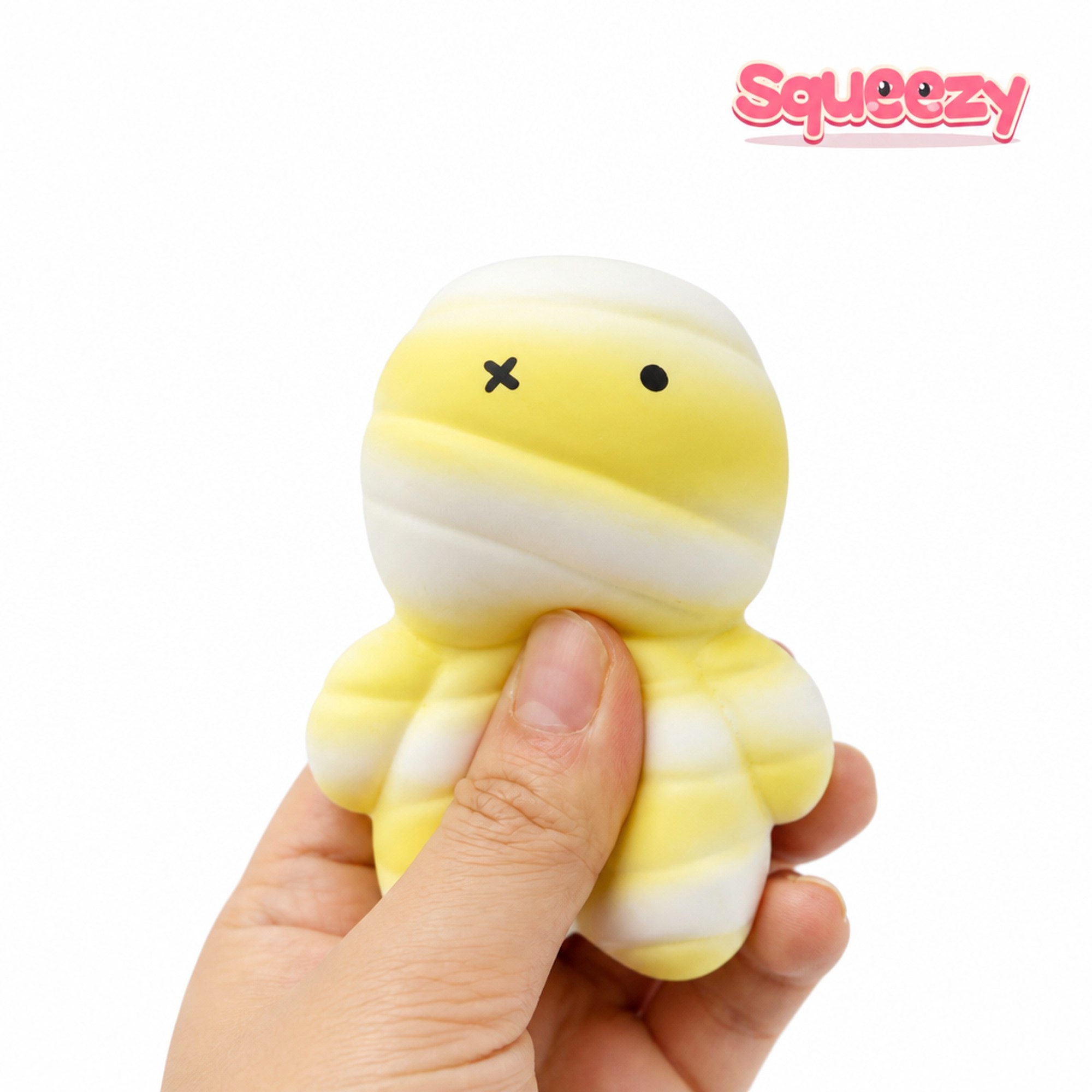 Mummy Squishy
 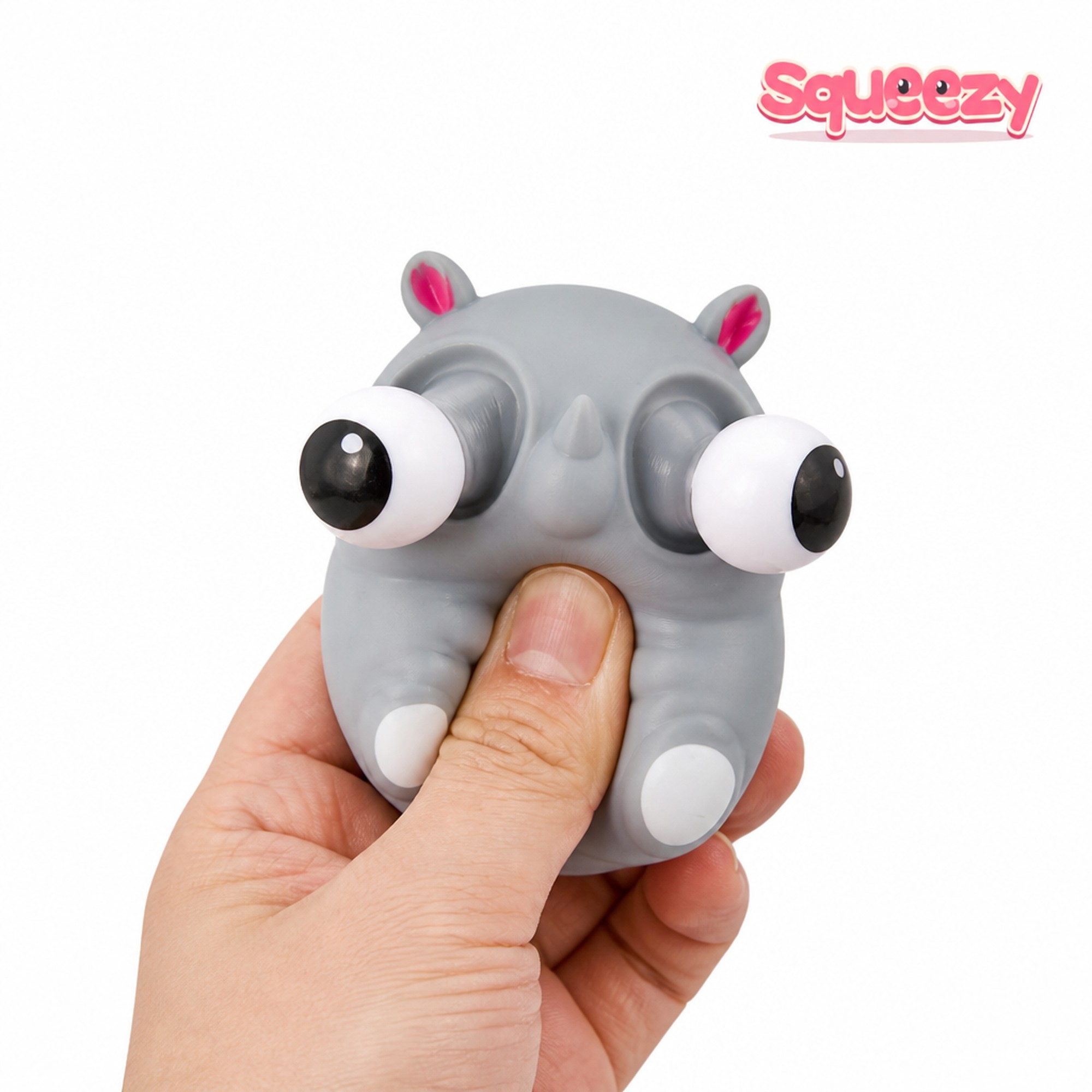 Pop-Eye Rhino
 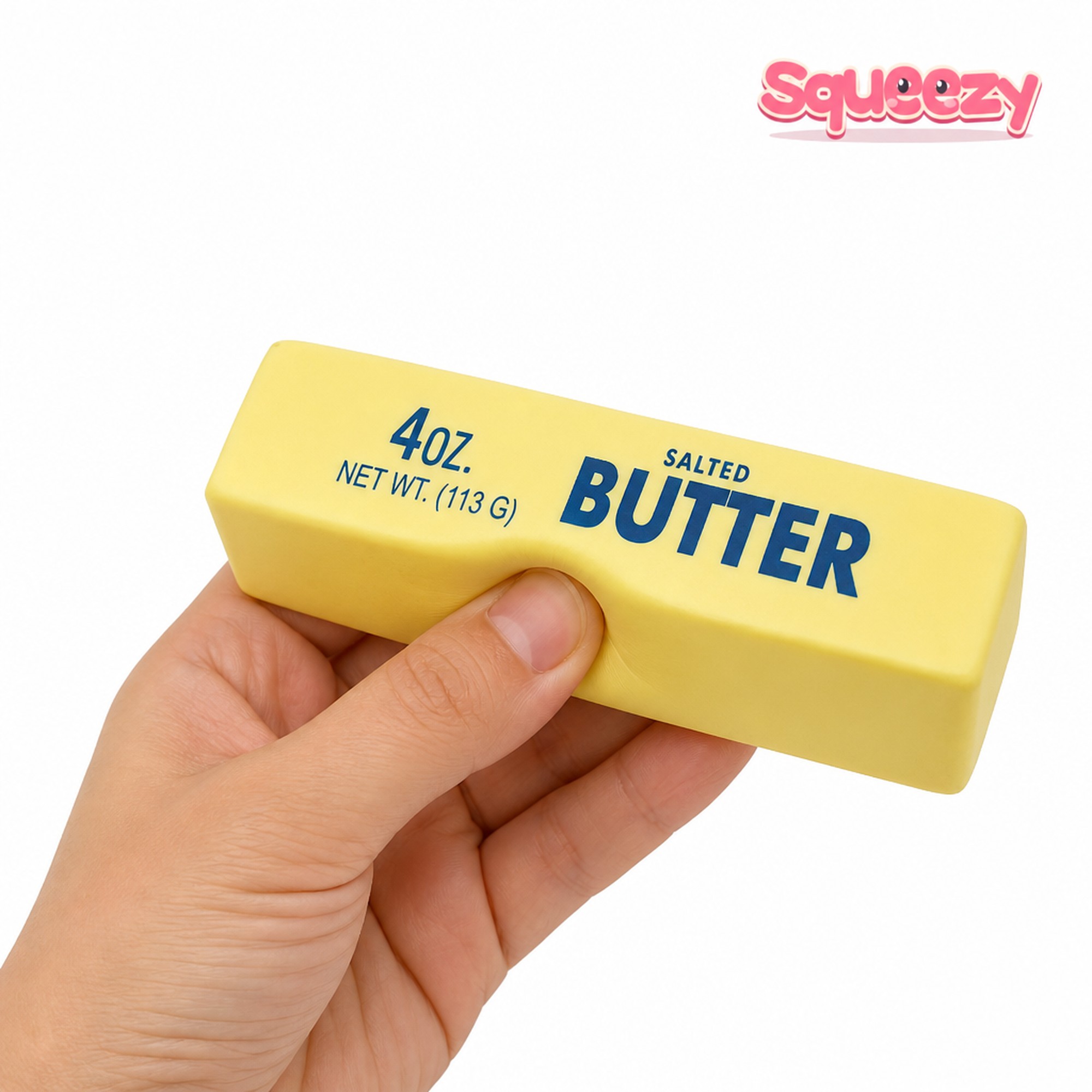 Salted Butter Stick
 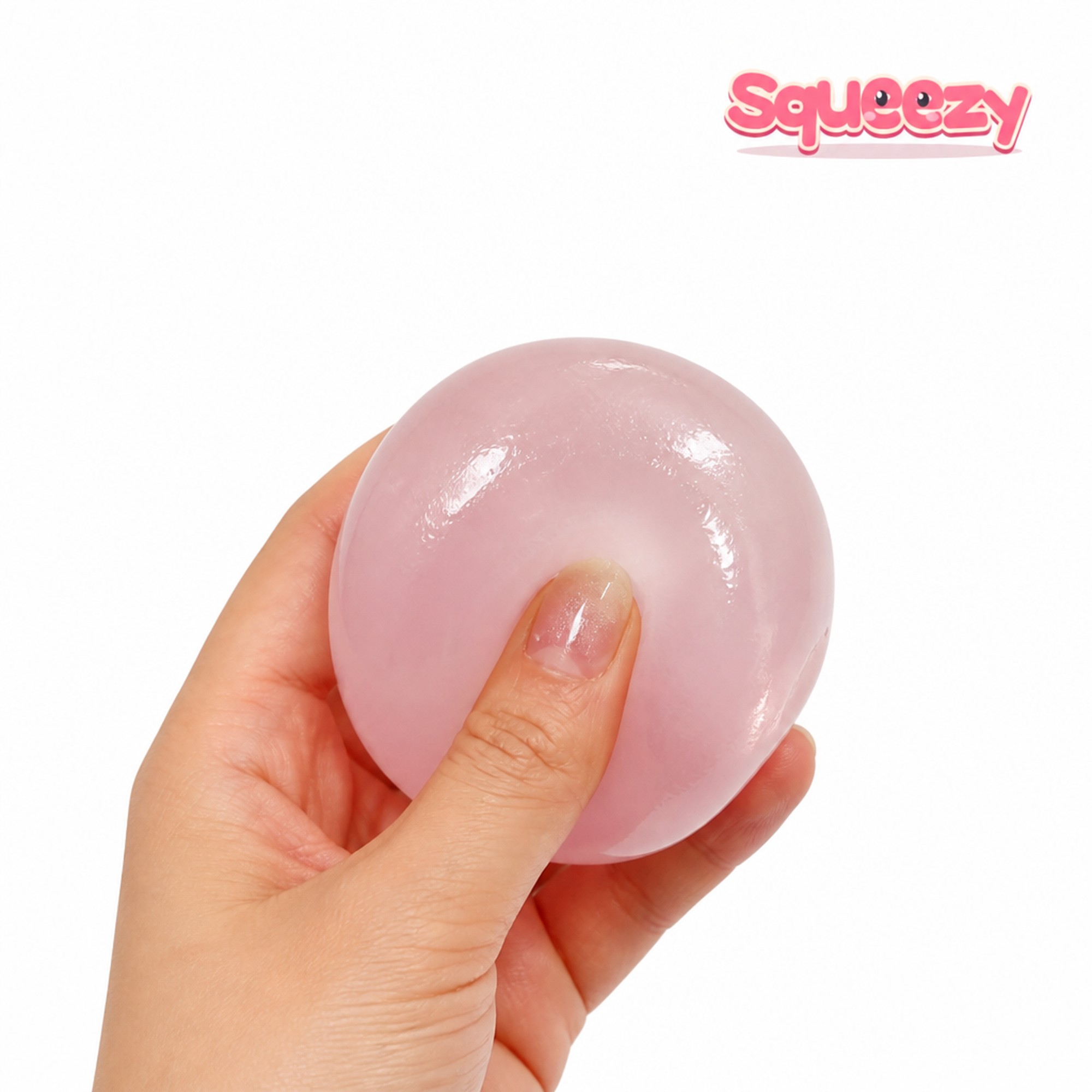 Pink Lychee Jelly
 The short answer: wipe a silicone slow-rise squishy with lukewarm water, a drop of mild dish soap, and a soft cloth — then let it air-dry completely before it goes back on your desk. Never machine-wash it, never use alcohol or acetone, and never leave it on a sunny windowsill.
Below is the full routine we recommend for the squishies we pour, and an honest comparison with the cheap PU-foam kind, because the two materials fail in completely different ways.
The 4-step cleaning routine
- Dry dust first. Roll a piece of masking tape over the surface to lift dust and lint. Most “dirty” squishies only need this step.
- Spot-wash. Mix lukewarm water with one drop of mild dish soap. Dampen a soft cloth, wring it out well, and wipe the surface. For textured shapes like our Crystal Apple, work along the grooves instead of scrubbing across them.
- Rinse-wipe. Wipe again with a clean, water-only cloth so no soap film is left. Soap residue is what makes a squishy feel tacky afterward.
- Air-dry fully. Set it on a rack away from direct sun and heat. A silicone squishy dries on the surface quickly; if yours has a small vent hole and took in water, give it a gentle squeeze-and-release a few times, then leave it overnight.
What to avoid
- Alcohol, acetone, and solvent cleaners — they attack the surface skin and can leave a matte, sticky patch.
- Machine washing or soaking — water trapped inside the body takes days to leave and can distort the rebound.
- Direct sunlight and radiators — heat is the fastest way to age any soft material, and UV dulls colors.
- Sharp-edged desks and keys in the same bag — the most common “tear” we see is actually a puncture from being carried loose in a backpack.
- Chewing — our squishies are made from food-grade silicone, but they are desk toys for ages 6+, not chew toys.
Silicone vs PU foam: care differences
| Silicone slow-rise (what we make) | PU-foam slow-rise | |
|---|---|---|
| Water | Wipe or brief rinse is fine | Absorbs water like a sponge; avoid |
| Soap | Mild dish soap, then rinse-wipe | Spot-dab only; residue stays inside |
| Sunlight | Colors dull over time | Yellows and hardens quickly |
| Typical failure | Surface puncture or cut | Crumbles, splits, loses rise |
| Smell over time | Neutral | Often develops a sour foam smell |
If your squishy is PU foam (most arcade-prize squishies are), treat it as dry-clean-only: tape-dust it, spot-dab stains, and accept that it has a shorter life.
Storage that keeps the slow rise slow
Slow rise depends on the body recovering evenly. Store squishies uncompressed — don’t leave a book on top of one for a week — at room temperature, out of the sun. If you rotate a collection, box the resting ones with a paper liner rather than sealed airtight while even slightly damp.
Every squishy we ship is covered by our 30-day Squishfaction Guarantee and a 180-day tear warranty, so if a fresh one arrives with a defect, contact us instead of trying to repair it.
FAQ
Can I wash a squishy with hand sanitizer? No. Sanitizer is mostly alcohol, which damages the surface skin of both silicone and PU foam. Use water and mild dish soap.
My squishy got sticky. Is it ruined? Usually not. A tacky surface is most often soap or sanitizer residue — do the rinse-wipe step and air-dry. If a PU-foam squishy turns sticky and smells sour, that is age, and it will not reverse.
How often should I clean a desk squishy? Tape-dust weekly if you use it daily; do the full wash only when it is visibly grubby. Overwashing does more harm than desk dust.
Does cleaning affect the rebound speed? A correct wipe-and-dry does not. Soaking can: water inside the body changes how it re-inflates until it fully dries out.
Looking for a new desk companion? Browse the full lineup — every shape lists its size and material on the product page.