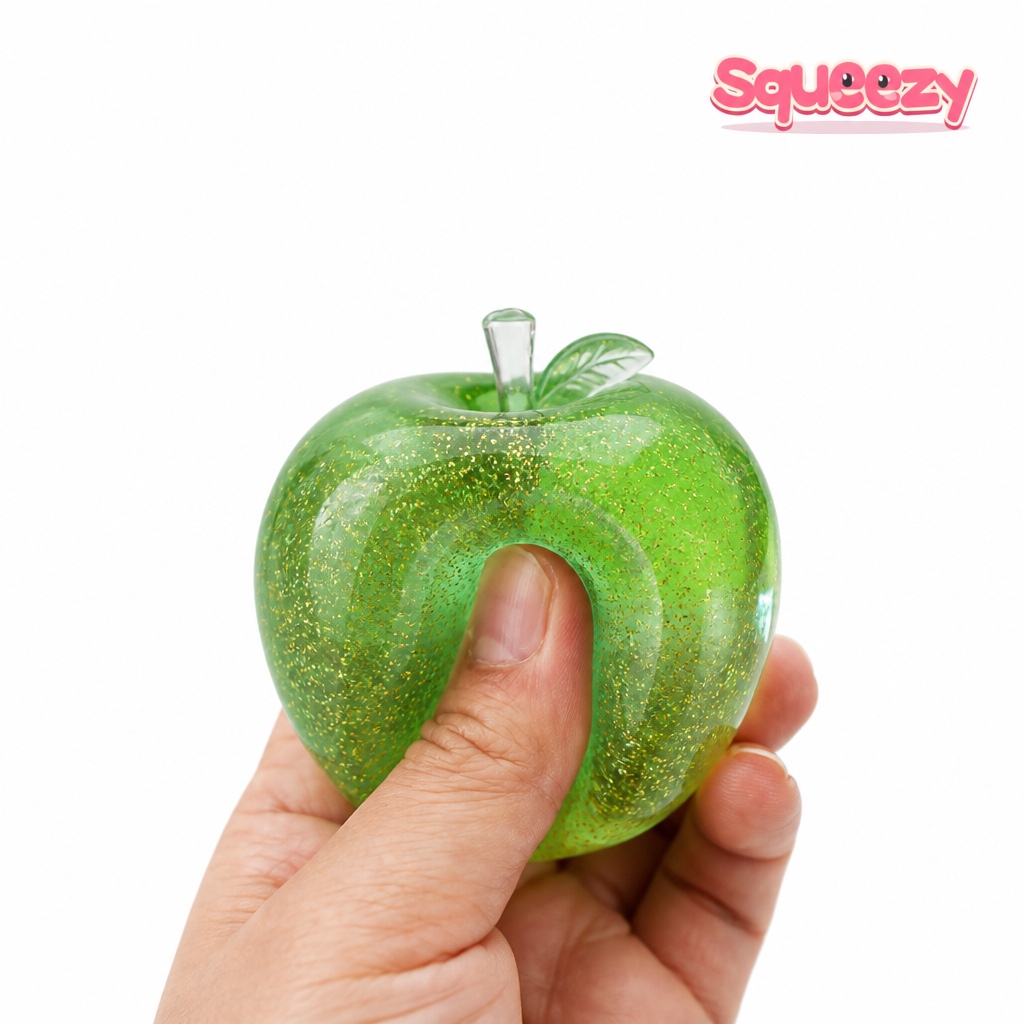
 Crystal Apple Squishy
 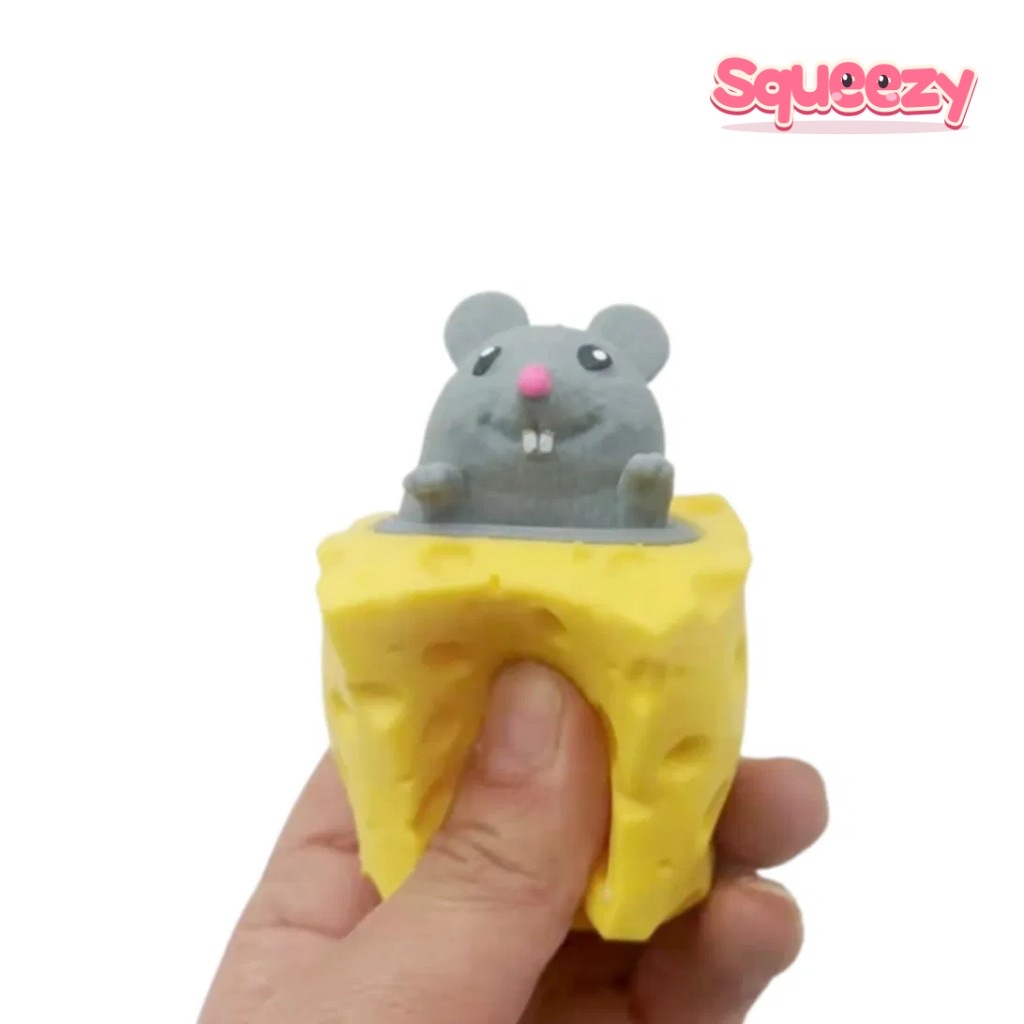 Cheese Squishy
 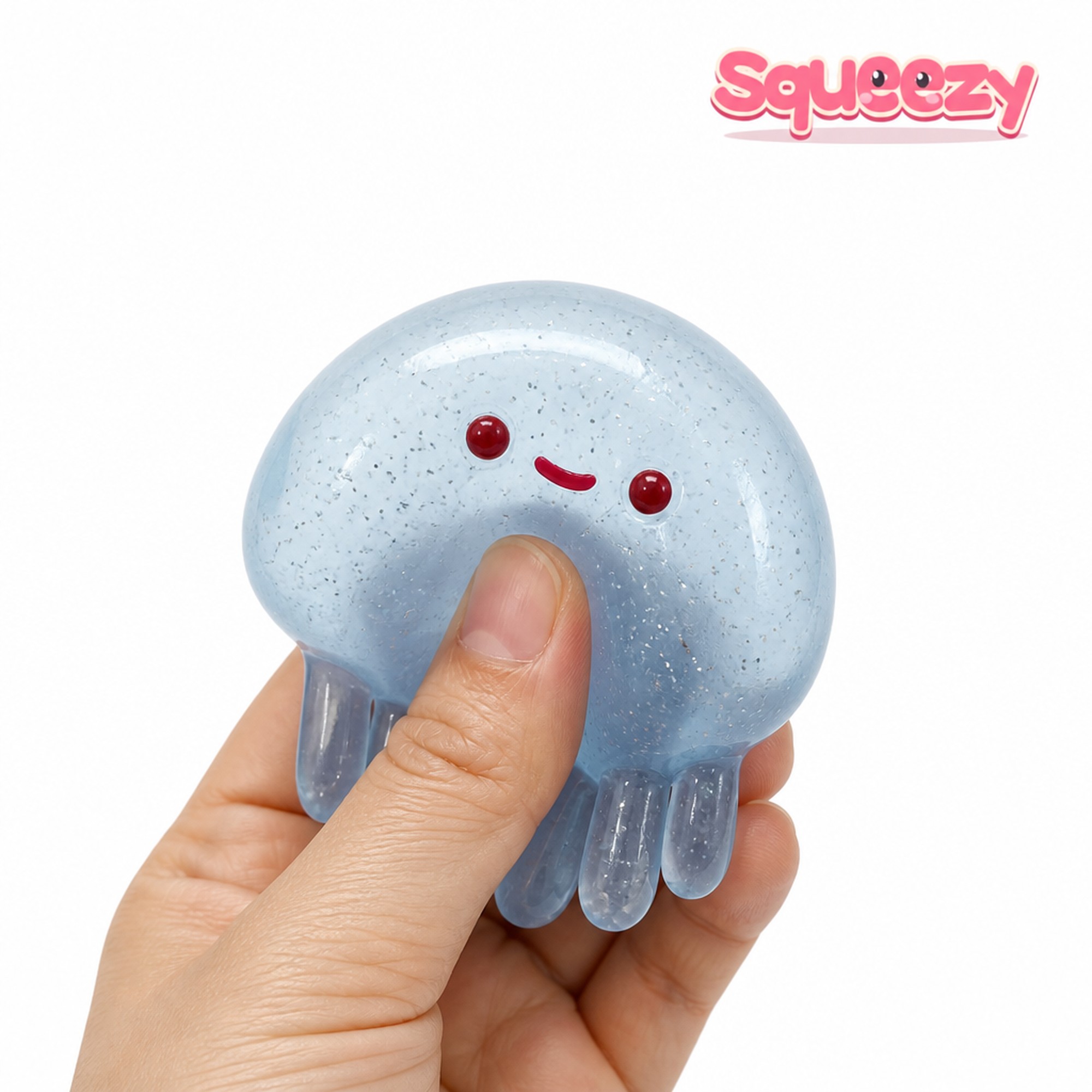 Jellyfish Squishy
 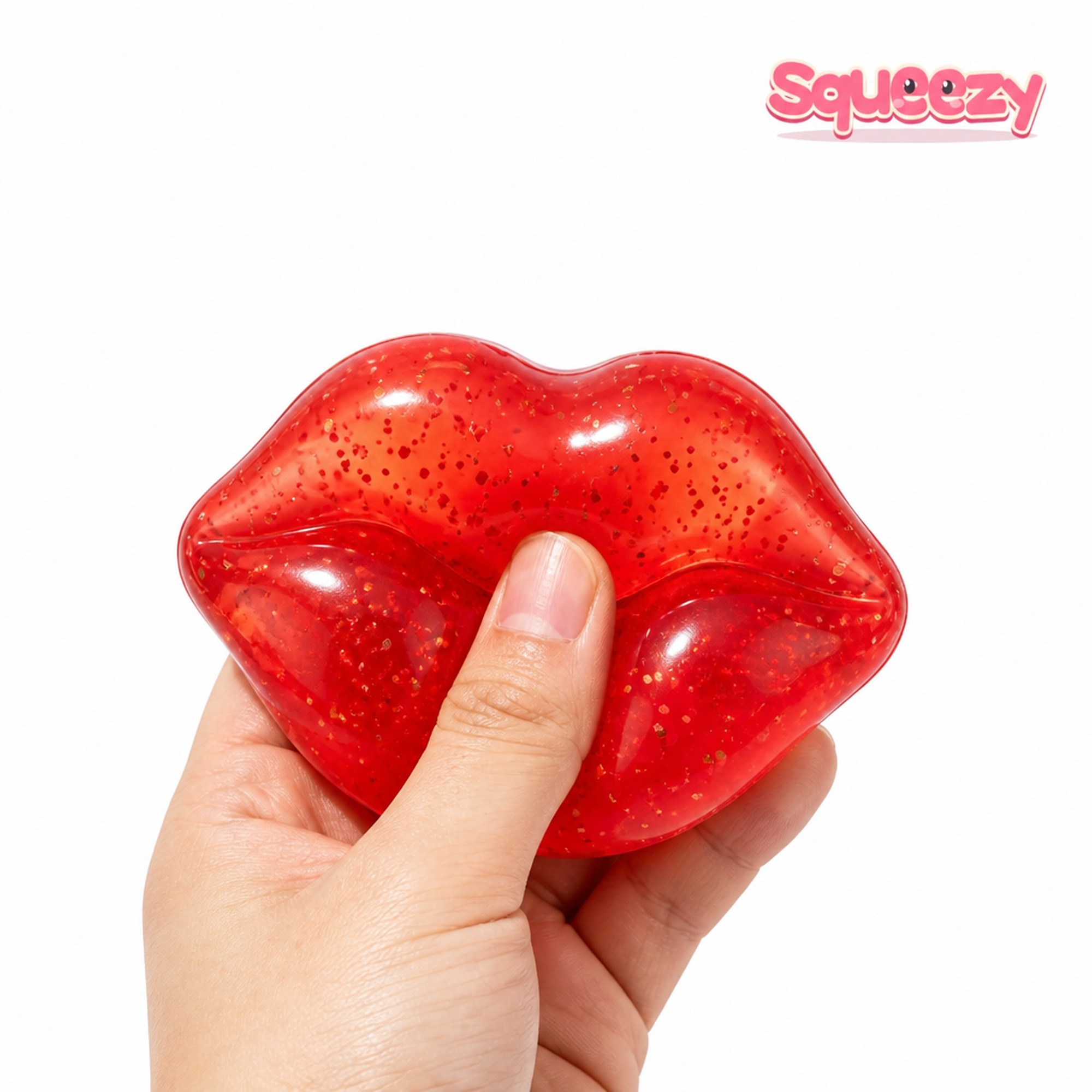 Jumbo Lips Squishy
 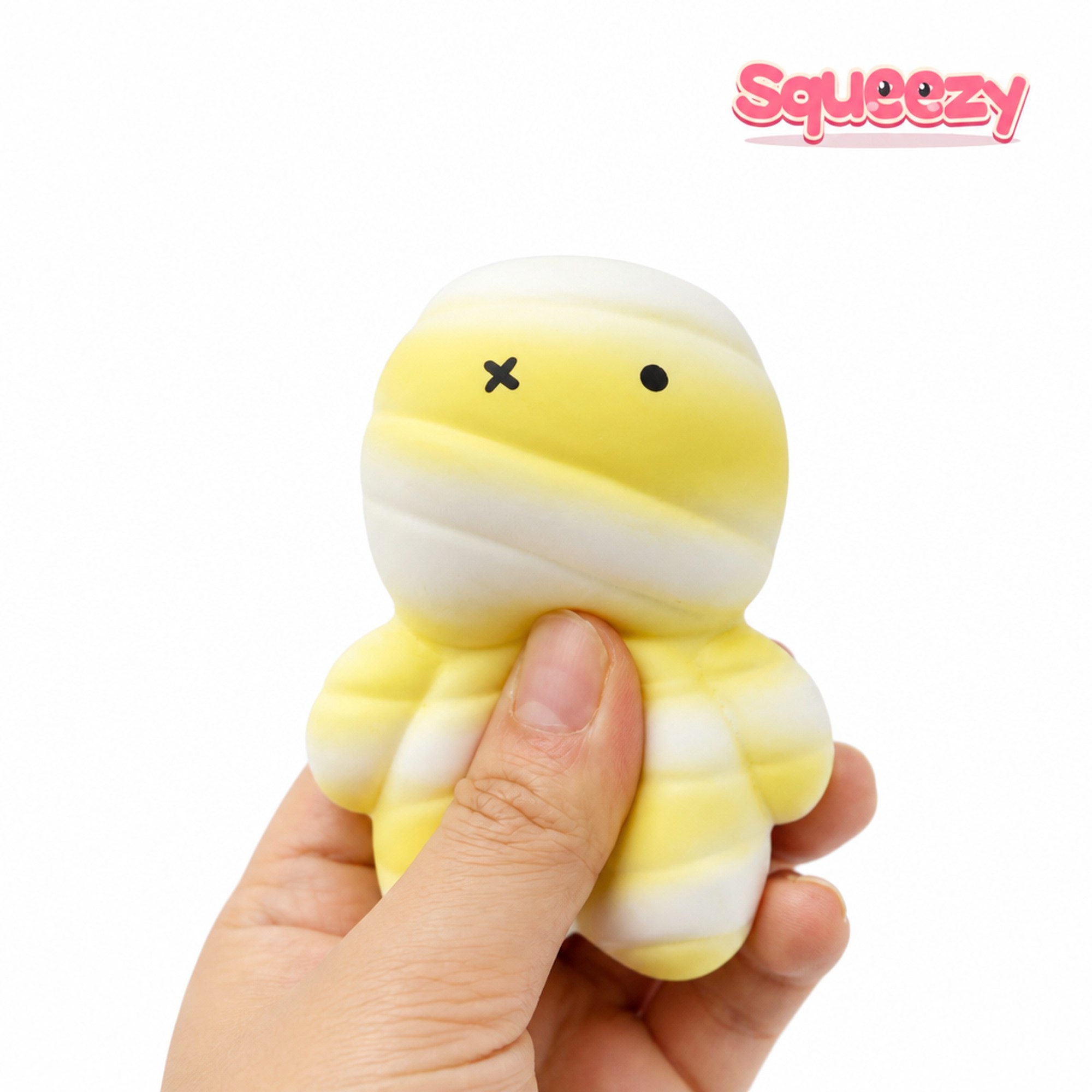 Mummy Squishy
 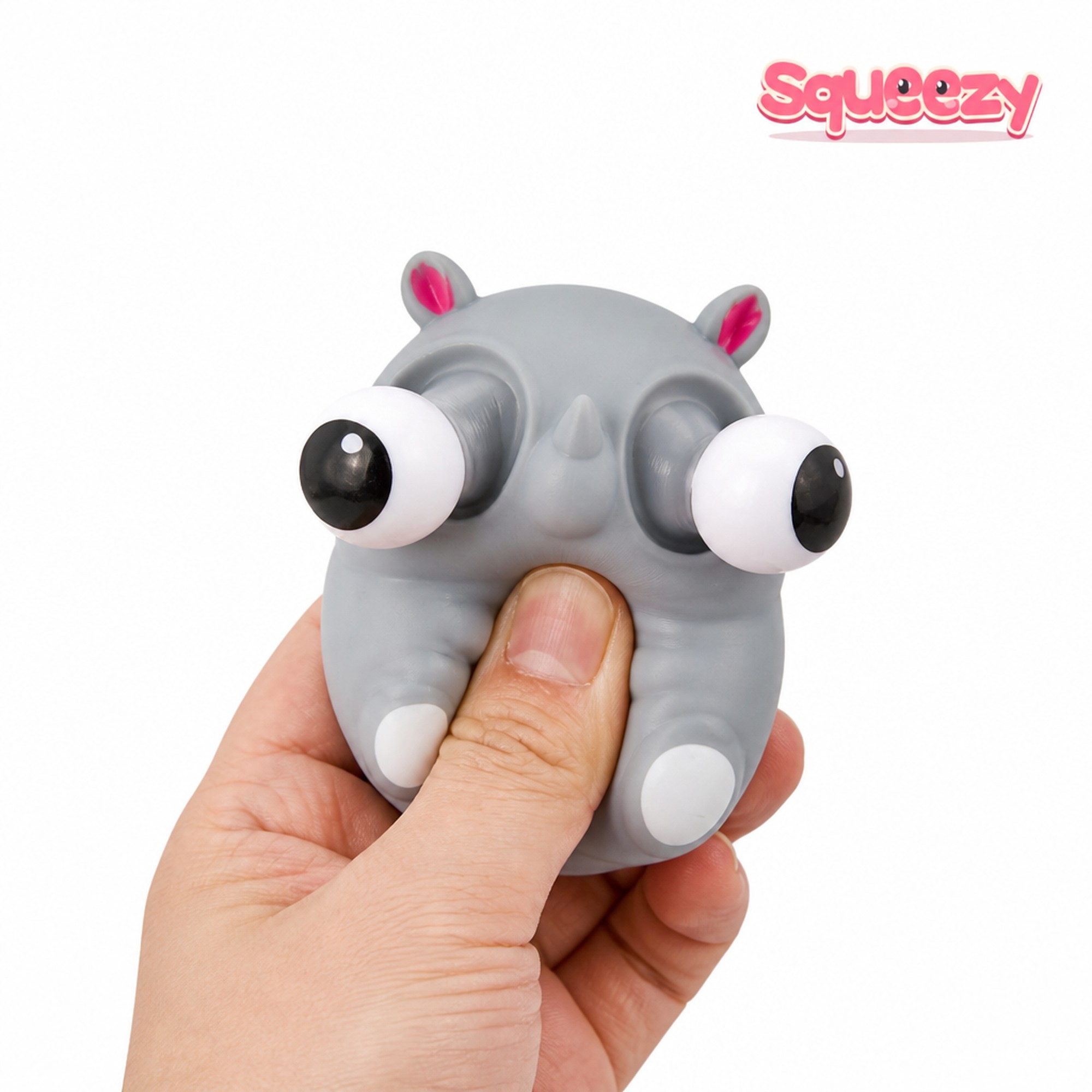 Pop-Eye Rhino
 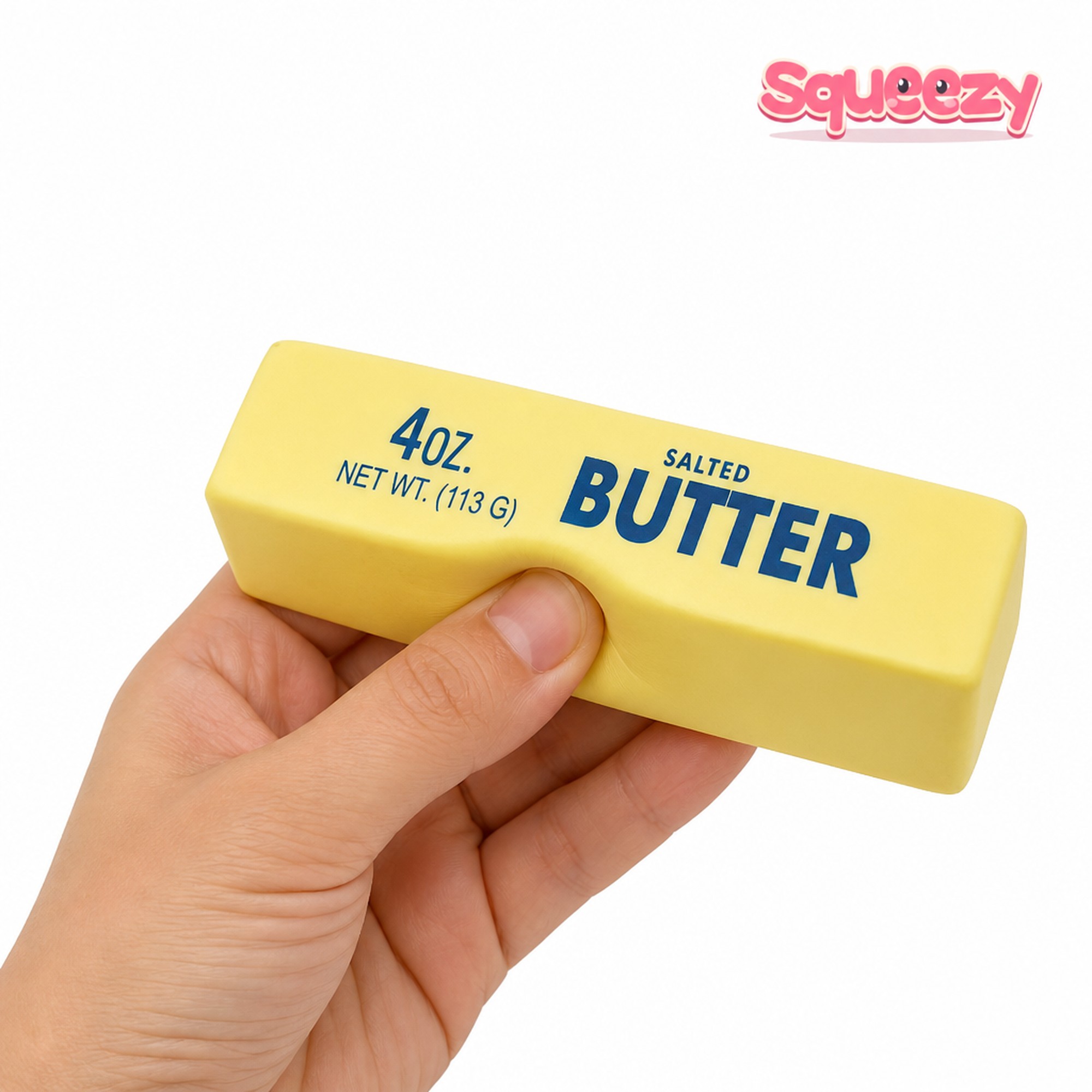 Salted Butter Stick
 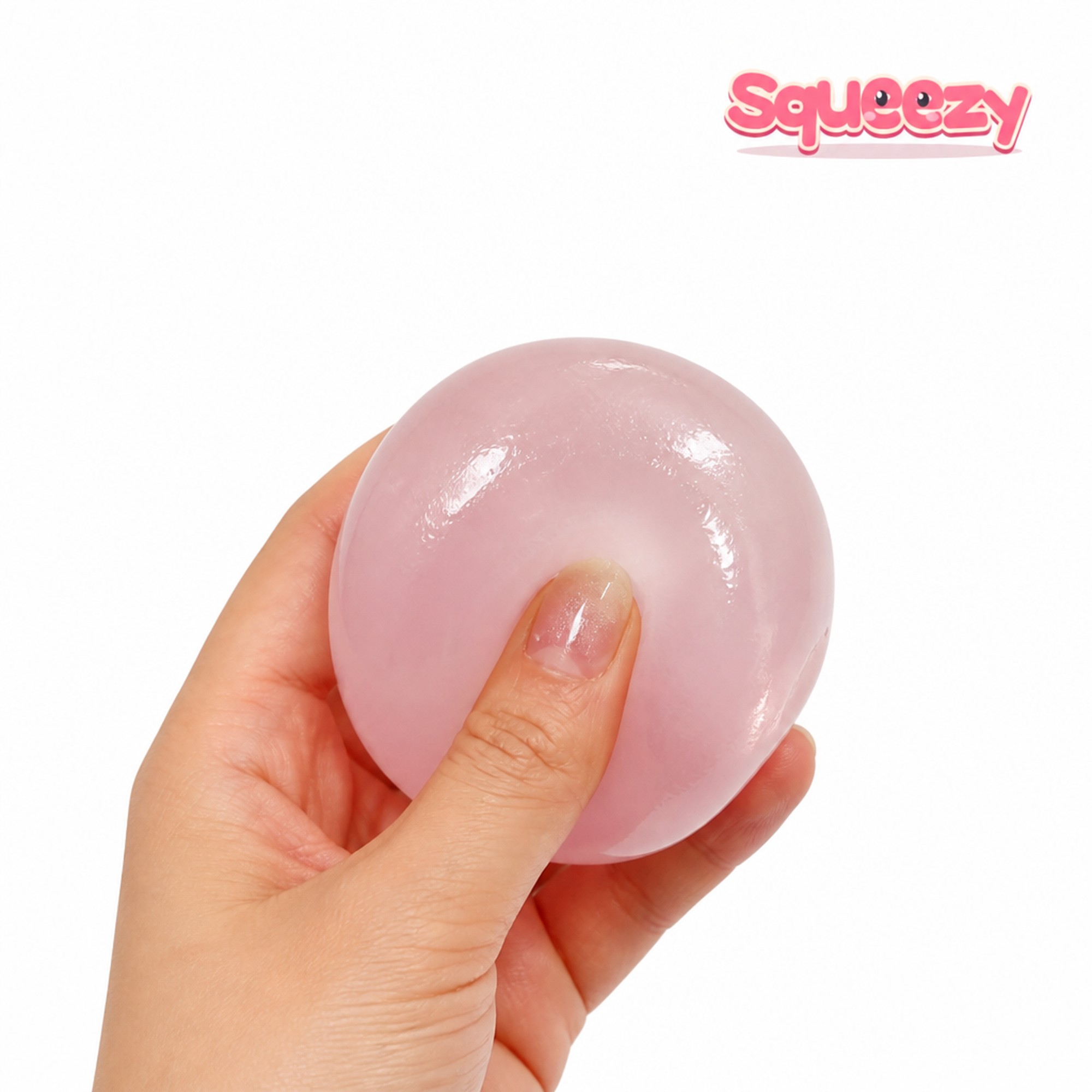 Pink Lychee Jelly
 A slow-rise squishy takes a few visible seconds to return to shape after you squeeze it; a fast-rise (or “snap-back”) squishy recovers almost instantly. The difference is not a gimmick — it comes from the material’s cell structure and how air re-enters the body, and it completely changes how the toy feels and how long it lasts.
The mechanics in plain English
When you squeeze a squishy, you push air out of thousands of tiny internal cells. How fast it comes back depends on two things:
- Cell structure. Open, interconnected cells let air flow back gradually — that’s the slow, creeping rise. Tight or closed cells spring back the moment you let go.
- Skin and body material. A cast silicone body with a smooth outer skin meters the airflow and keeps the rise even. Cheap open foam has no skin to regulate it, so it rises fast at first, then ages into rising unevenly — or not at all.
“Slow rise” done well means an even, silent return with no crackling and no permanent hand-print. Done badly, it means a squishy that develops dead spots within weeks.
Feel, sound, and durability compared
| Slow-rise (cast silicone) | Fast-rise foam | |
|---|---|---|
| Rebound | A few seconds, visible and even | Instant snap-back |
| Feel | Dense, creamy resistance | Light, marshmallow-soft |
| Sound | Silent | Often squeaky or crackly |
| Durability | Skin resists tearing; keeps its rise | Splits and loses rise with heavy use |
| Best for | Desk fidgeting, focus, display | Kids’ play, throwing, party favors |
Neither is “better” in the abstract — a fast-rise foam ball is fine for tossing around. But for a desk toy you squeeze dozens of times a day, the silicone slow-rise construction is what survives.
How to judge quality before buying
- Look for a material statement. “Food-grade silicone” or “platinum-cure silicone” tells you the maker chose body material deliberately. Listings that never name the material are almost always basic PU foam.
- Check the product photography for skin texture. A cast squishy shows crisp molded details — like the seeds on our Crystal Apple or the holes in the Cheese Squishy — where foam shapes look fuzzy at the edges.
- Read the care terms. A maker that offers a tear warranty (ours is 180 days) is telling you the skin is built to survive daily squeezing.
- Beware of scent as a selling point on foam. Heavy perfume on cheap foam fades into a sour smell. Scent belongs in the material mix, not sprayed on top.
Where our lineup sits
Everything in the Squeezy Shop catalog is hand-poured, slow-rise silicone, across two families: food shapes (fruit, cheese, butter, banana and friends) and character shapes (jellyfish, mummy, pop-eye animals), typically $12–$15. Every piece ships with the 30-day Squishfaction Guarantee, so you can judge the rebound with your own hands.
FAQ
Why did my old squishy stop rising slowly? Either the internal cells have collapsed from age (common in foam) or moisture is trapped inside. Silicone bodies usually recover after drying out fully; crumbling foam does not recover.
Are slow-rise squishies good fidget toys for focus? Many people keep one at their desk exactly for that — the slow, predictable rebound gives your hands something quiet to do in meetings. It’s a personal-preference tool, not a treatment.
Is a slower rise always better quality? No. An extremely slow rise with an uneven surface return can just mean an over-soft mix. What you want is an even rise with no dead spots and no crackle.
Do slow-rise squishies work in cold rooms? Rebound slows slightly when cold and speeds up slightly when warm — that’s normal physics for any soft polymer, and it reverses at room temperature.