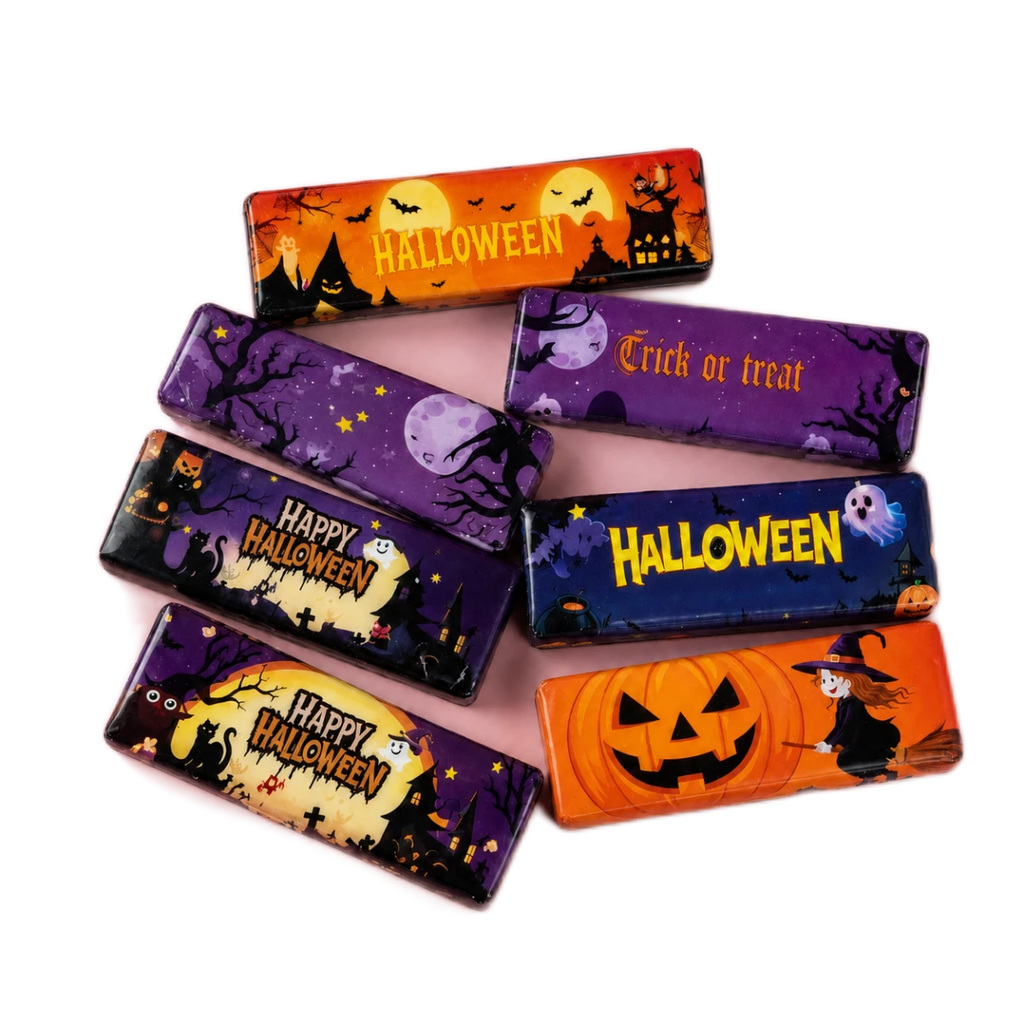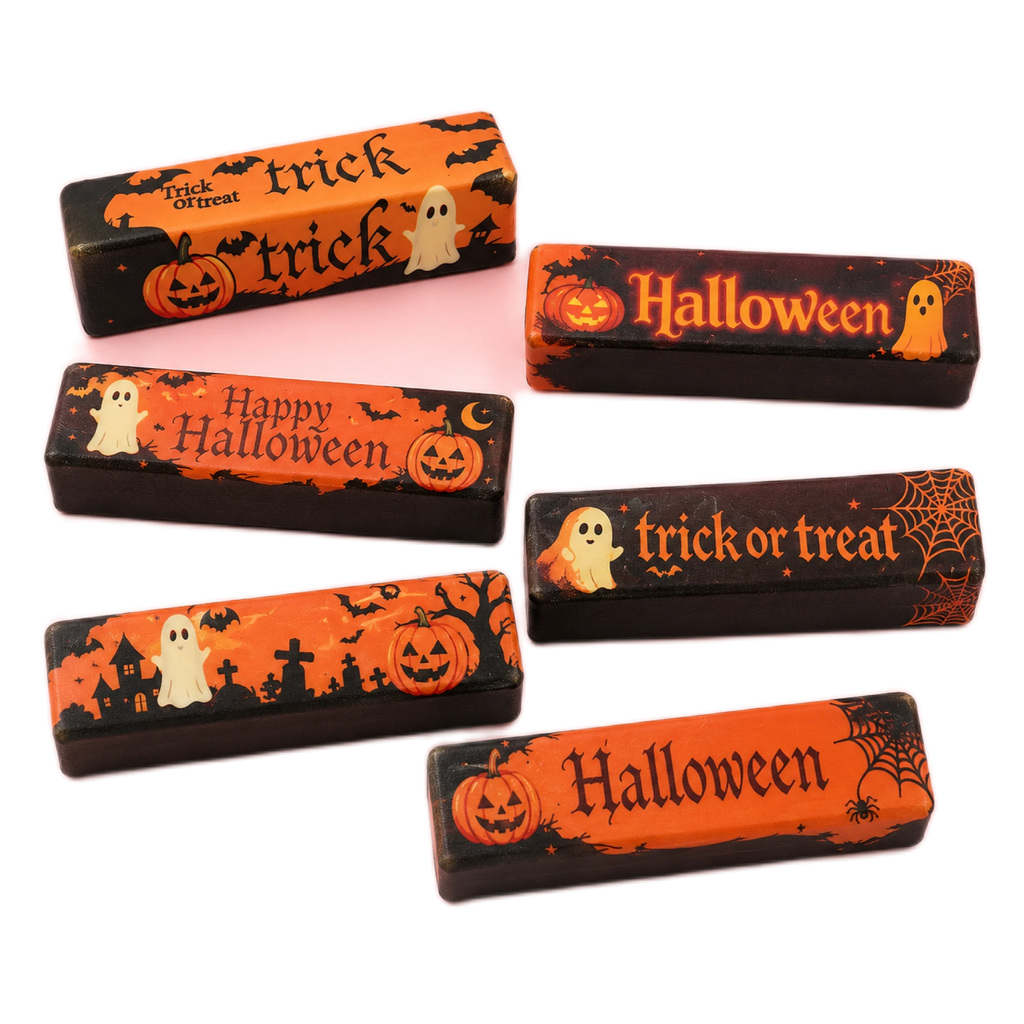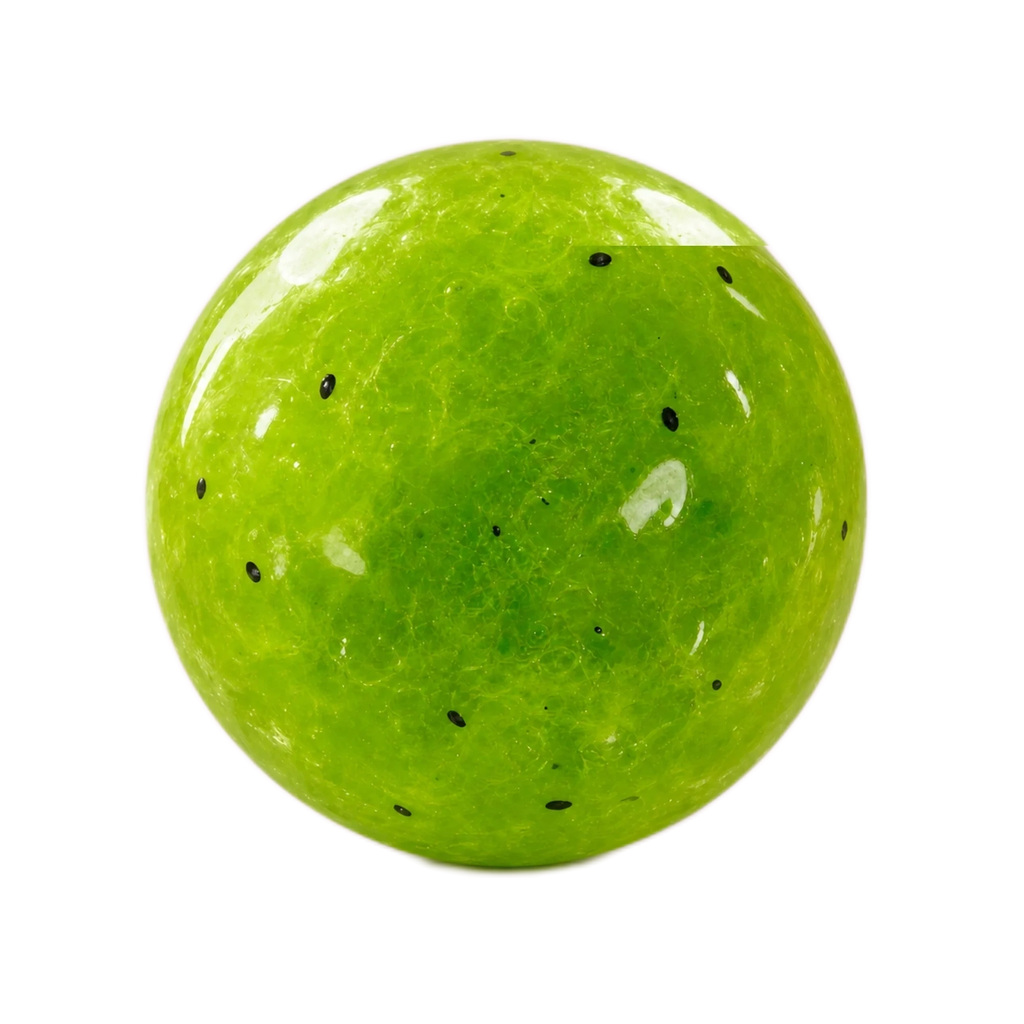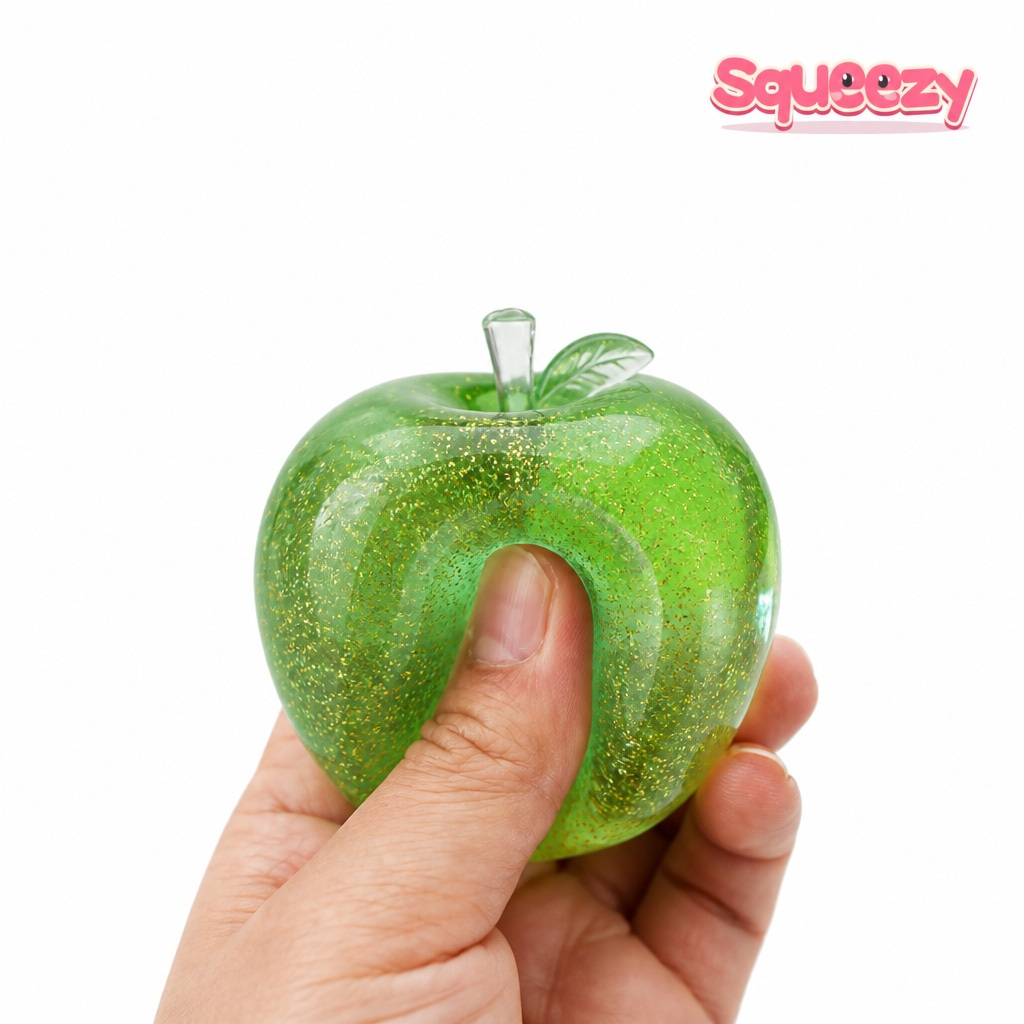
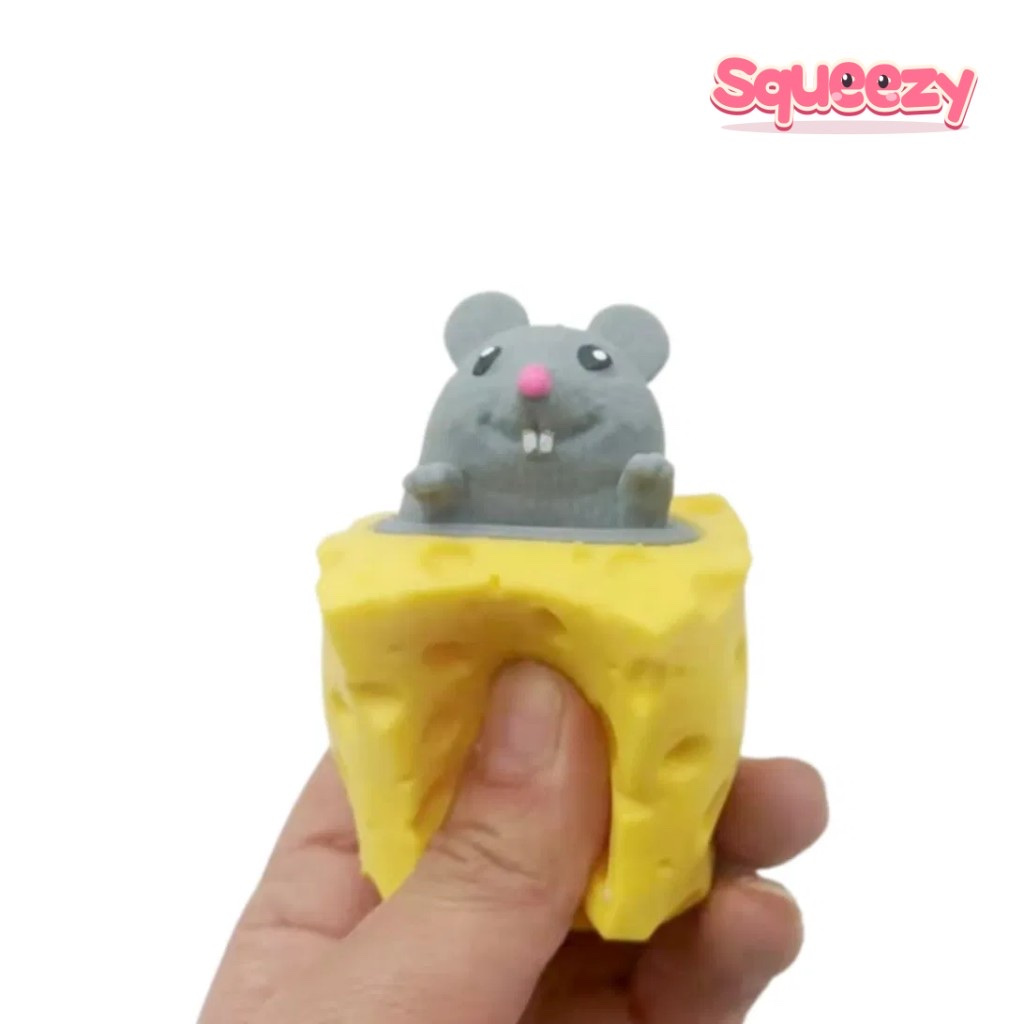
 Cheese Squishy
 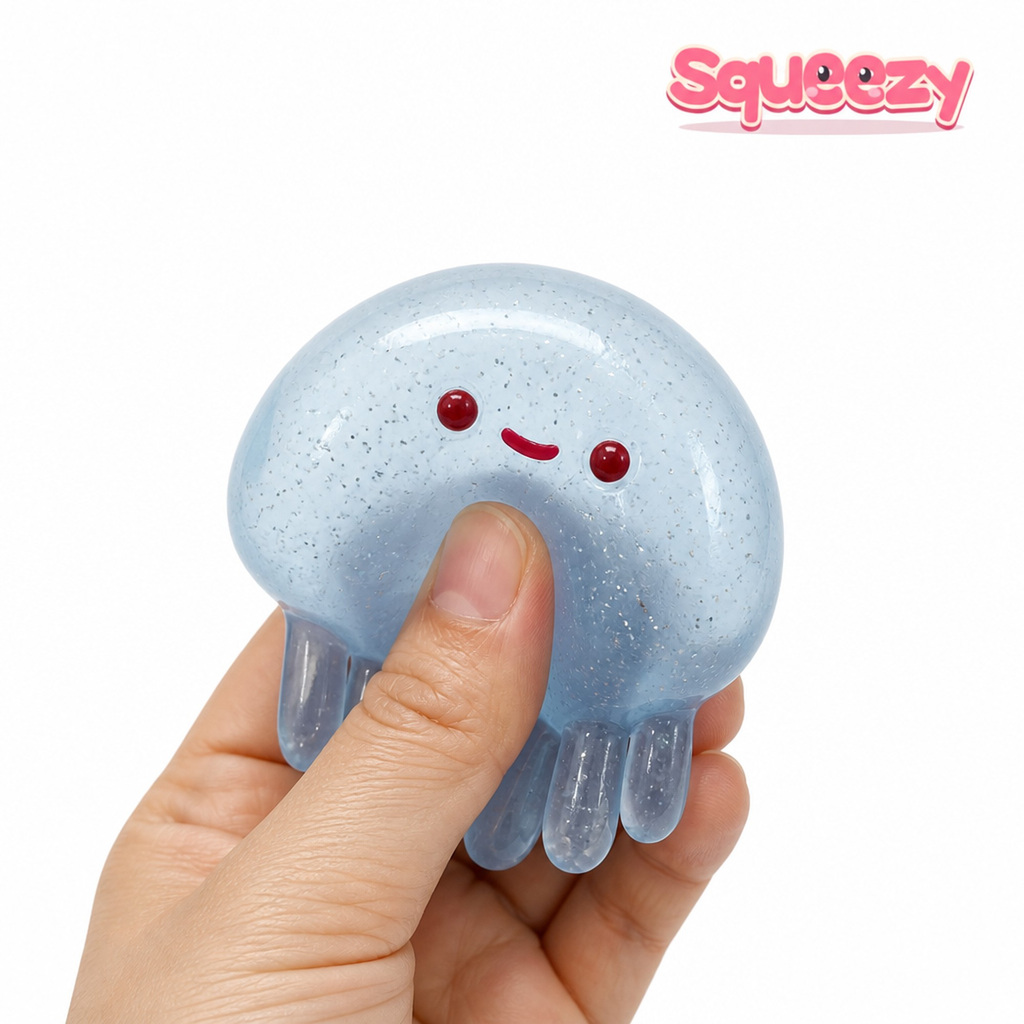 Jellyfish Squishy
 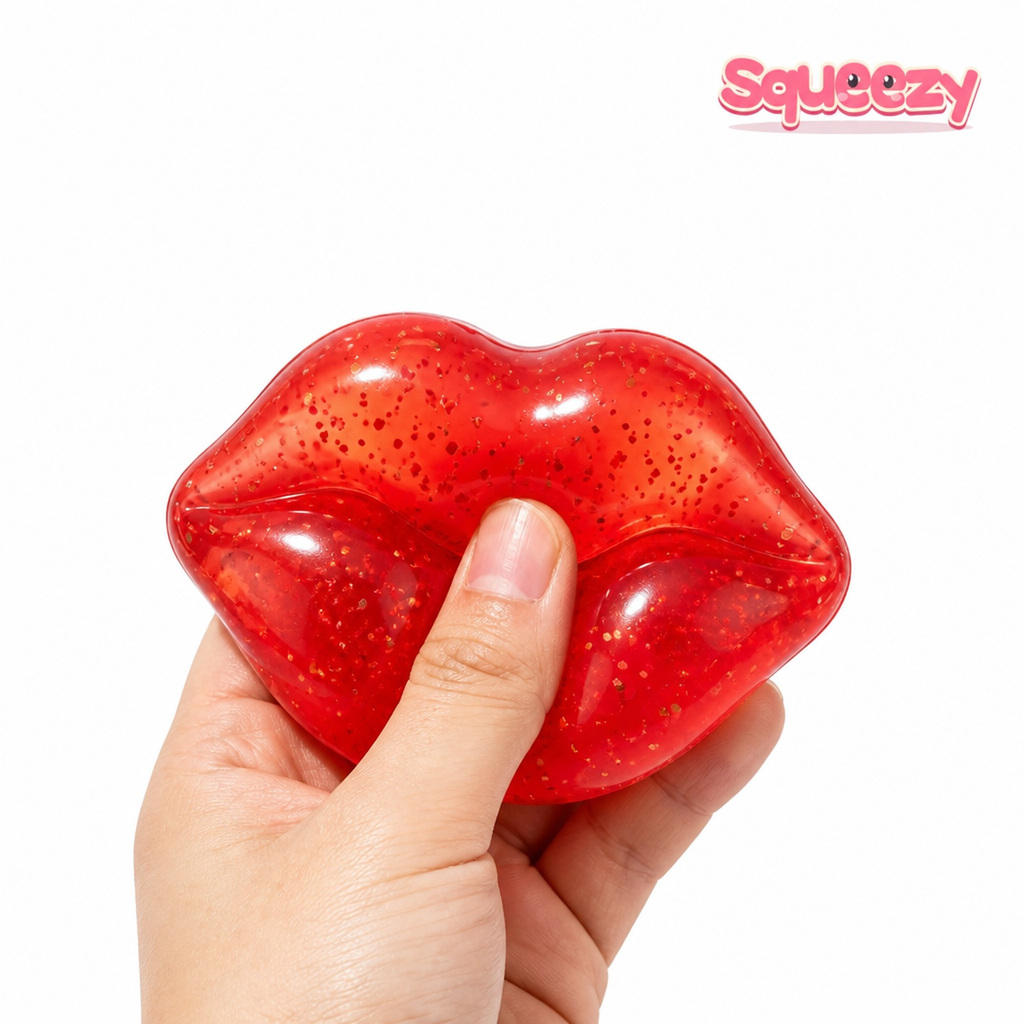 Jumbo Lips Squishy
 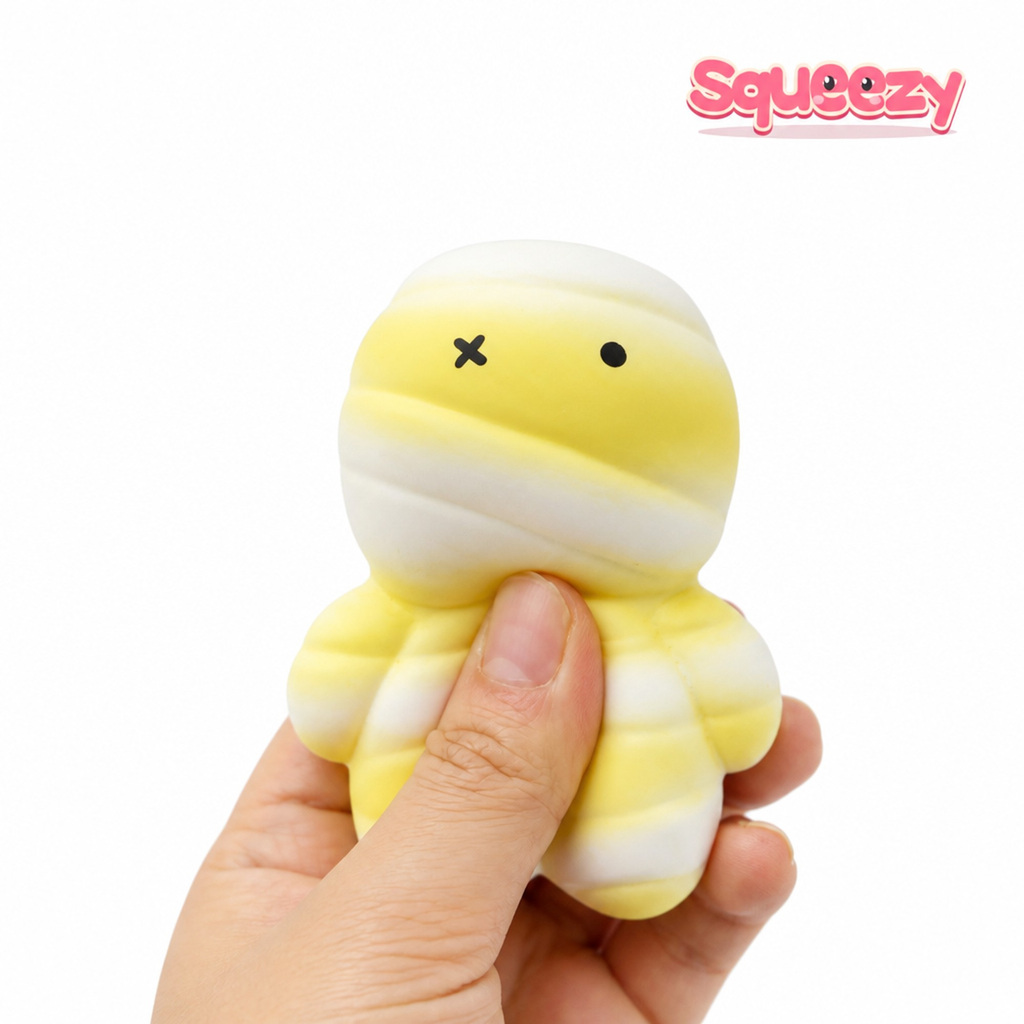 Mummy Squishy
 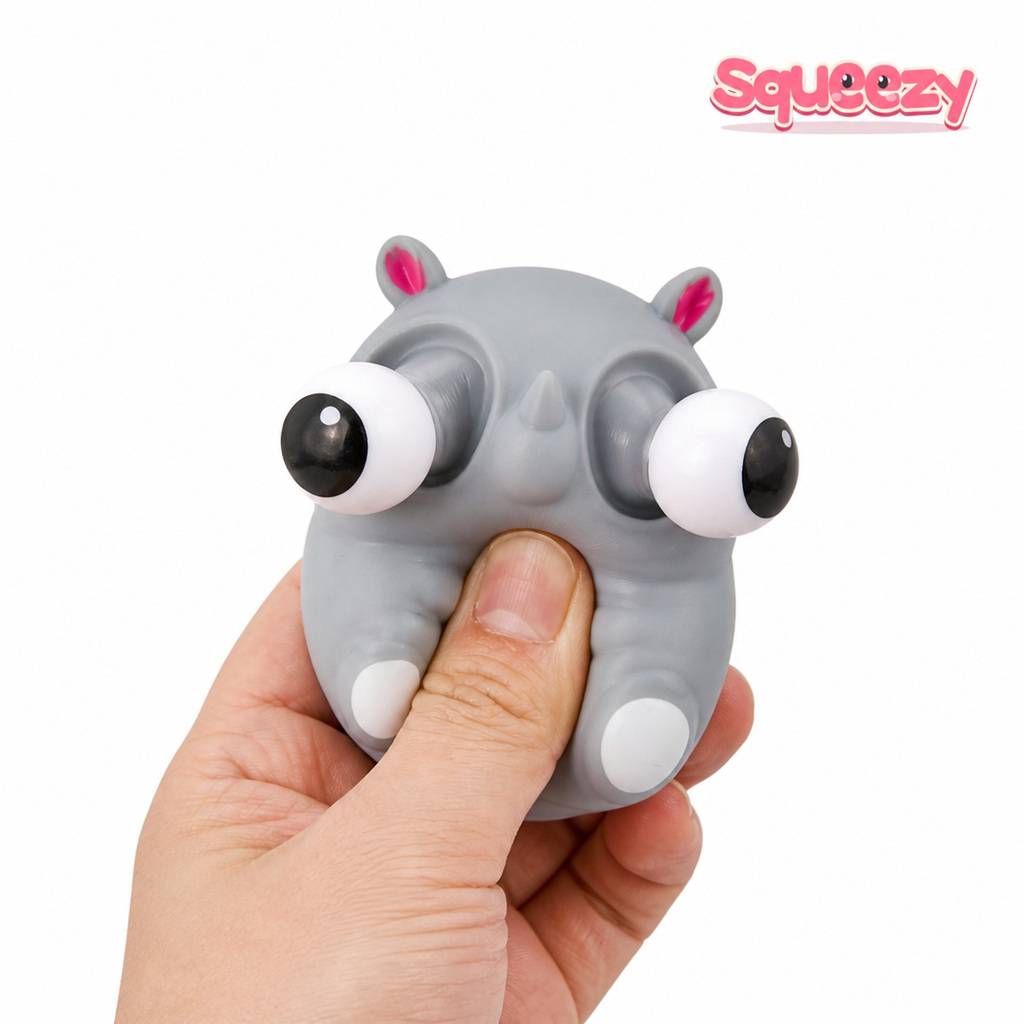 Pop-Eye Rhino
 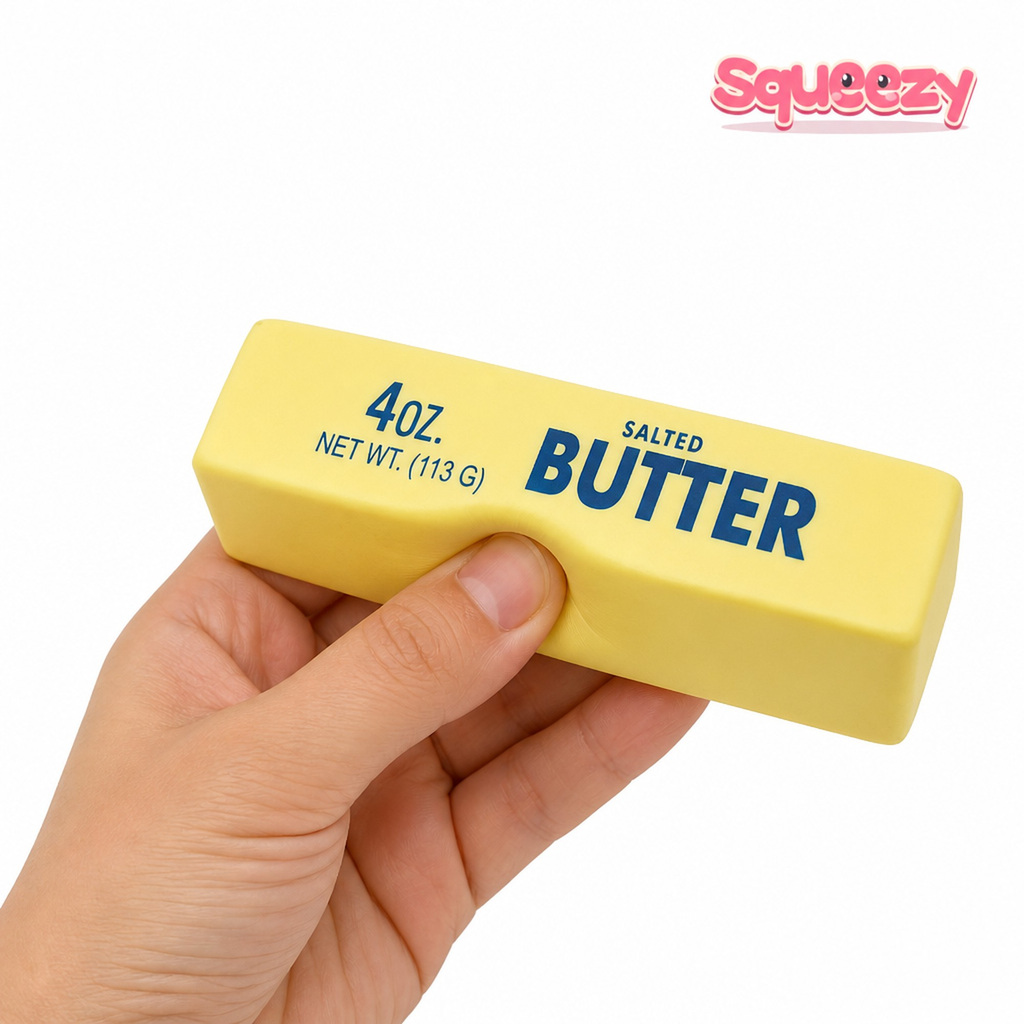 Salted Butter Stick
 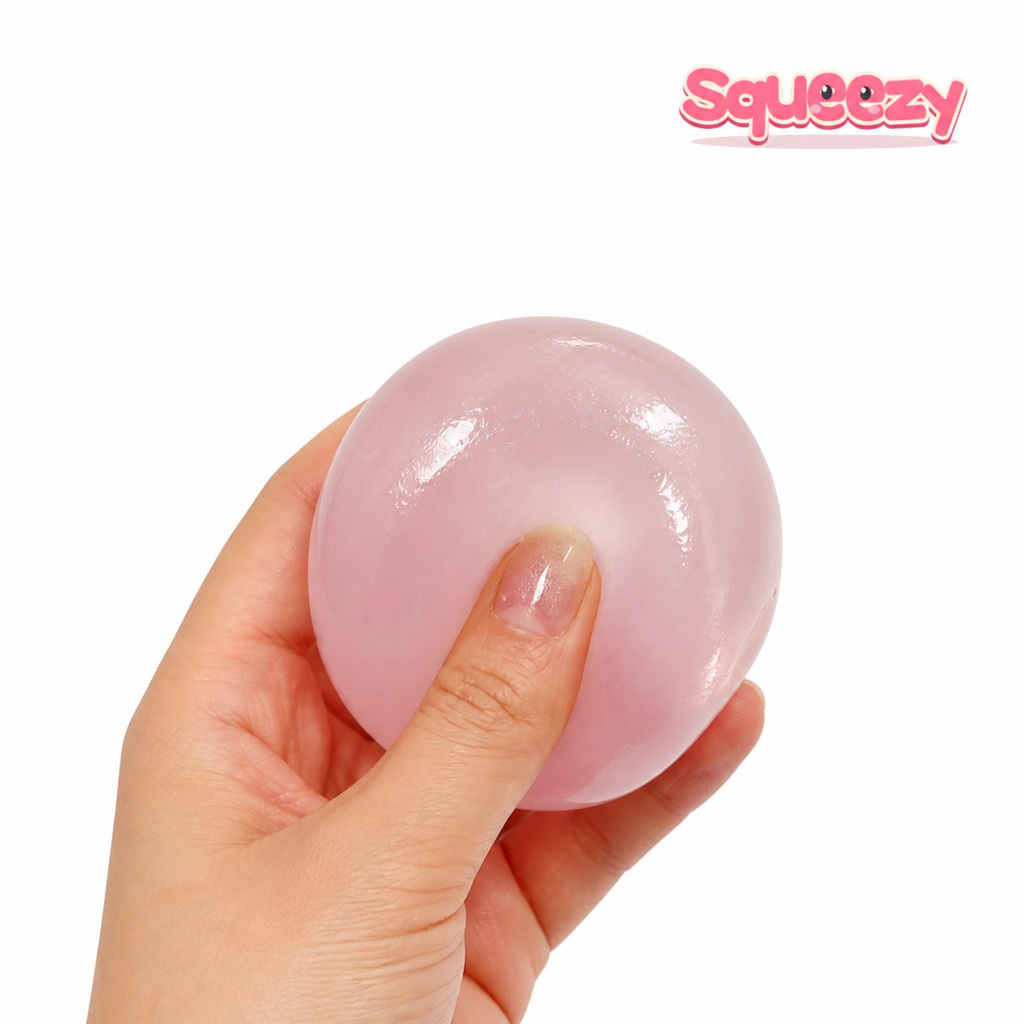 Pink Lychee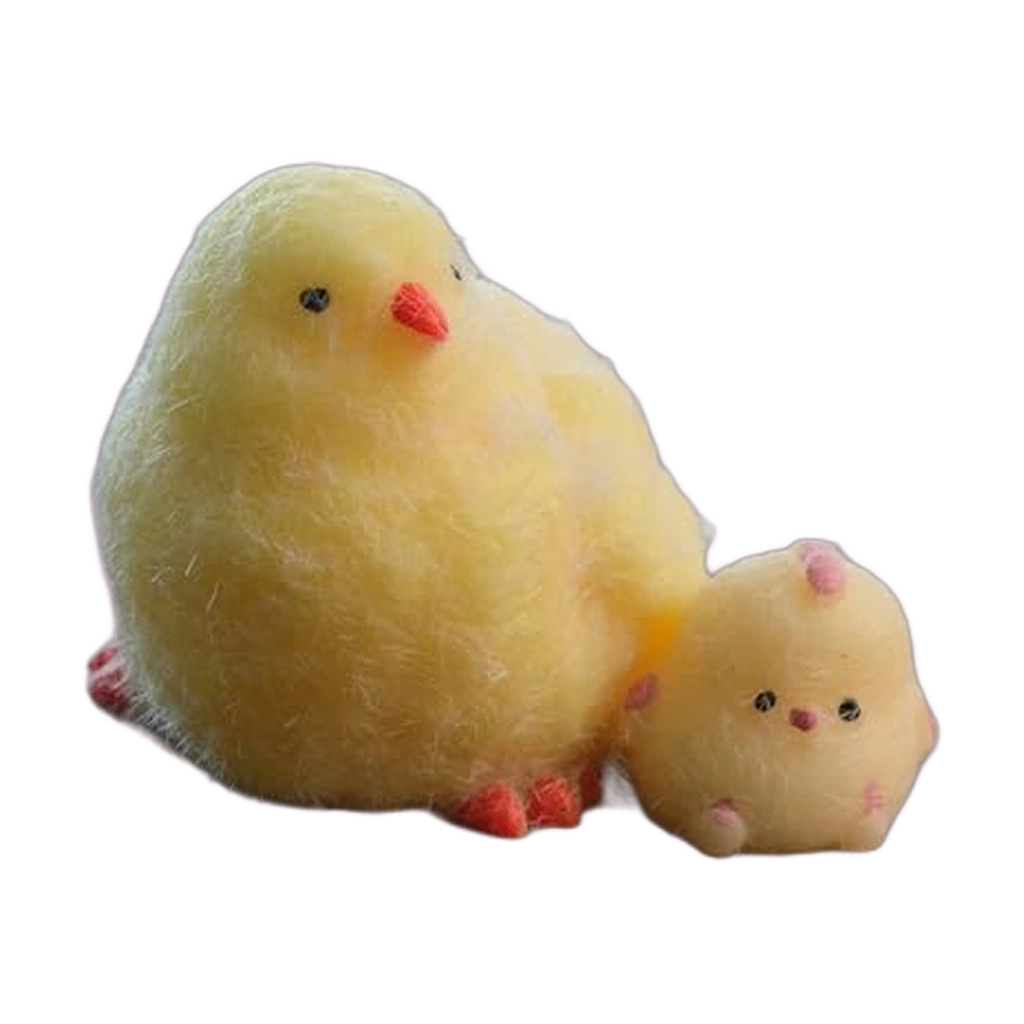
Three taba squishies, three different cleaning jobs
How to clean a taba squishy comes down to one question first: is it plain silicone all the way through, or is something else attached to it? A bare silicone piece can go under the tap with a drop of mild soap. A flocked piece should only be dabbed. And a squishy that lights up has a battery and a switch inside, so it gets a damp cloth and nothing more.
The reason most people want to wash a taba at all is the surface. Soft silicone squishies are often slightly tacky, and our own listings say so: the chick squishy has a “slightly tacky shell”, the black gold dragon is “soft, tacky silicone”, and the anatomical heart “clings to your palm”. A tacky skin is exactly what picks up hair, dust and pocket lint. Once it is coated, it stops gripping. Washing takes the coating off.
We have not run wash tests on our squishies, so what follows is built from what the listings say each item is made of, what silicone rubber is, and what our returns policy does and does not cover.
How to clean a taba squishy made of bare silicone
This is the case the search is usually about: a solid, poured or moulded silicone squishy with no fur, no light and no filling.
- Rinse it under lukewarm tap water. Not hot. Warm enough to be comfortable on your hand is plenty.
- Put one small drop of mild dish soap on your fingertips and rub the surface all over, working into creases like the dragon’s scales or a waffle grid. Fingers are gentler than a brush and do the job on a smooth skin.
- Rinse until it no longer feels slippery. Soap left on the skin is what makes a freshly washed taba feel smooth instead of grippy.
- Do not rub it dry with a towel or tissue. Both shed fibres, and the tacky skin will collect them straight away. Shake off the water, set the squishy on a clean plate or a smooth sheet of baking paper, and let it air dry.
- Check the grip once it is fully dry. On a clean surface the tack usually comes back by itself. If it still feels smooth, rinse again: that is soap, not wear.
Why this works: silicone rubber is described as “generally non-reactive, stable, and resistant to extreme environments” (Wikipedia, Silicone rubber). Water and a mild soap are not going to change the material. What they remove is what sits on top of it.
What to skip, and why:
- Alcohol wipes, nail polish remover, bleach or kitchen sprays. Our refund policy says items damaged through heat or harsh chemicals are not covered, so we would rather you never find out how a particular silicone reacts to them. Plain soap and water is enough.
- Hot water, the dishwasher, a hairdryer or a radiator. Heat damage is excluded by the same policy line, and there is no cleaning reason to use it.
- Baby powder or cornstarch “to finish”. Powder does make a sticky squishy feel drier, but it does that by covering the tacky skin. If you washed the squishy to get the grip back, powder undoes the point. Use it only if you actually prefer it less sticky.
Flocked and fuzzy pieces: spot-clean only
Flocking is a layer of short fibres stuck onto the surface. Our paw, capybara and bunny liquid-silicone kit includes flocking powder, so some home-made pieces end up with it, and ready-made ones like the tabby cat mochi squishy describe a “flocked coat” too.
That changes the job. Soaking and rubbing are the two things most likely to loosen fibres that are only held on at the surface. For a flocked squishy:
- Brush loose dust off with a soft, dry make-up brush.
- For a mark, dab (do not rub) with a cloth that is barely damp, then leave it to air dry.
- Skip lint rollers and tape. They lift dust, and they can lift flocking along with it.
Expect a well-loved flocked piece to thin out in the spots you squeeze most. That is wear, not dirt, and washing will not bring it back.
The sloth squishy lamps: wipe, never soak
Five of the squishies we sell are silicone sloths that double as night lights: the kawaii sloth squishy night light, the sleepy sloth squishy lamp, the huggable, chunky and stress-relief sloths. Their listings describe a glow you switch on by pressing, dimmable light levels, a timer on one, and a USB charge on another. So each has a light, a power source and a switch sealed inside the silicone.
None of those five listings states any water resistance. With no rating to go on, treat them like any other small rechargeable gadget:
- Switch the light off and unplug the cable first.
- Wipe the outside with a cloth wrung out until it is only damp, with the tiniest trace of soap if it is grubby.
- Wipe again with a cloth dampened in plain water, then let it air dry fully before charging.
- Keep water away from the charging port. Never hold a lamp under the tap or put it in a bowl.
The silicone skin will still pick up dust, so a quick damp wipe every week or two is easier than a big clean later.
If it is sticky in a way that washing does not fix
Two things look like dirt and are not.
A home-made taba that feels wet, gooey or leaves a film on your fingers. That is almost always the silicone not curing properly: parts not measured one to one, streaks of unmixed material, a cold room or latex gloves. Soap will not fix it. Our guide to making a taba squishy at home has a table of the causes and what to change for the next pour.
A squishy that was never silicone. Slow-rise foam squishies need a much drier approach, because foam soaks up water and is slow to dry out. If yours is foam, follow how to clean a squishy without wrecking it instead.
Keeping it clean for longer
- Store it covered. The paw, capybara and bunny kit comes with bags for storing finished pieces, and a small bag or lidded box does the same job for any taba. Most of the grime on a tacky squishy is simply what it touched while lying out.
- Keep it off fabric. Sofas, carpets and coat pockets are where the lint comes from.
- Wash hands before a long squeeze session. Hand cream and snack grease transfer straight onto a tacky skin.
If a squishy arrives damaged, or something is wrong with your order, our refund page explains how to contact us and what we need from you.
FAQ
Can you wash taba squishies?
Yes, if the squishy is plain silicone with no light and no flocking. Lukewarm water, a small drop of mild dish soap, a thorough rinse and air drying. Lamps should only be wiped with a damp cloth, and flocked pieces spot-cleaned.
How do you wash a taba squishy without making it less sticky?
Rinse all the soap off and let it air dry instead of towelling it. A taba that feels smooth after washing usually still has soap on it; rinse again. Do not add powder afterwards unless you want it less tacky.
Why did my taba squishy stop being sticky?
Usually because the tacky surface is covered in dust, hair or skin oil. Washing removes that layer. If a home-made piece is sticky in a wet, gooey way instead, that is a curing problem, not dirt.
Can I clean a squishy lamp with water?
Only with a damp cloth, with the light off and unplugged. None of our sloth lamp listings states any water resistance, so do not rinse or submerge one.