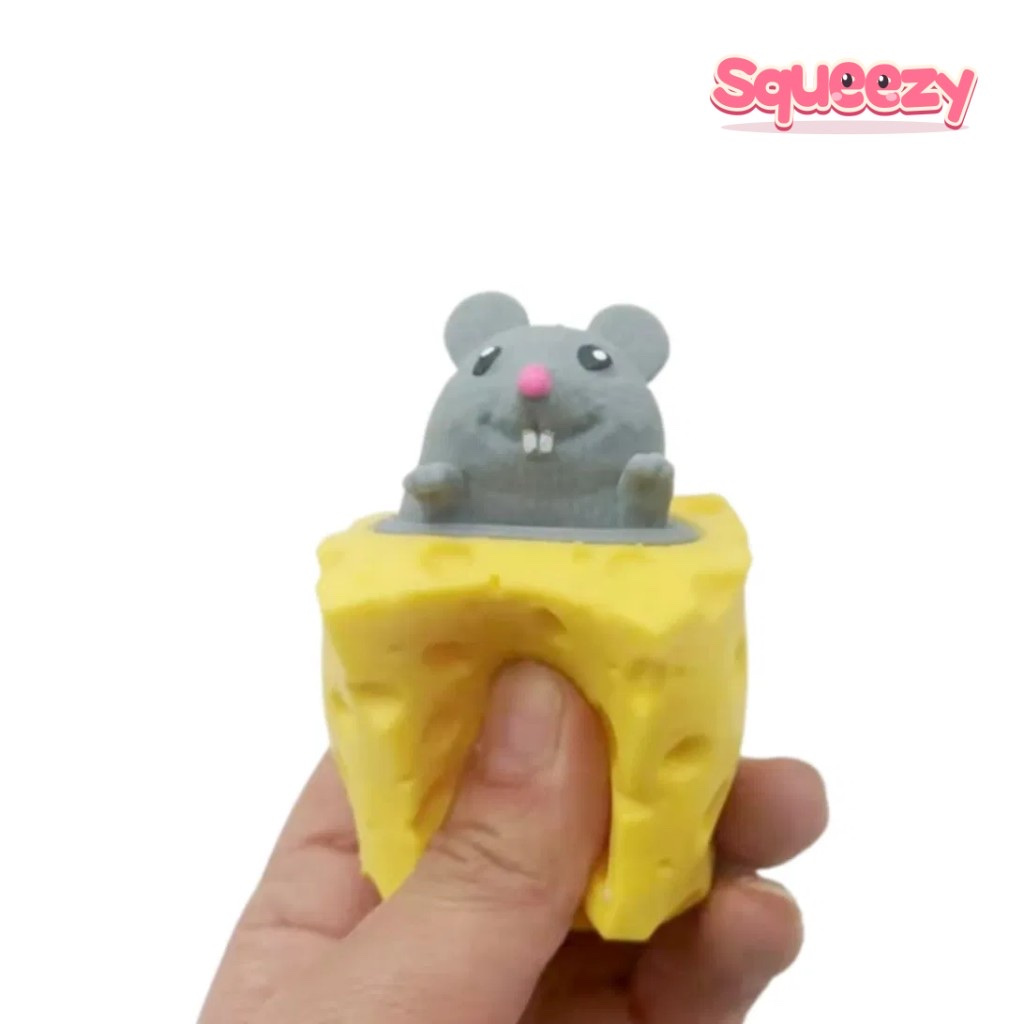
 Cheese Squishy
 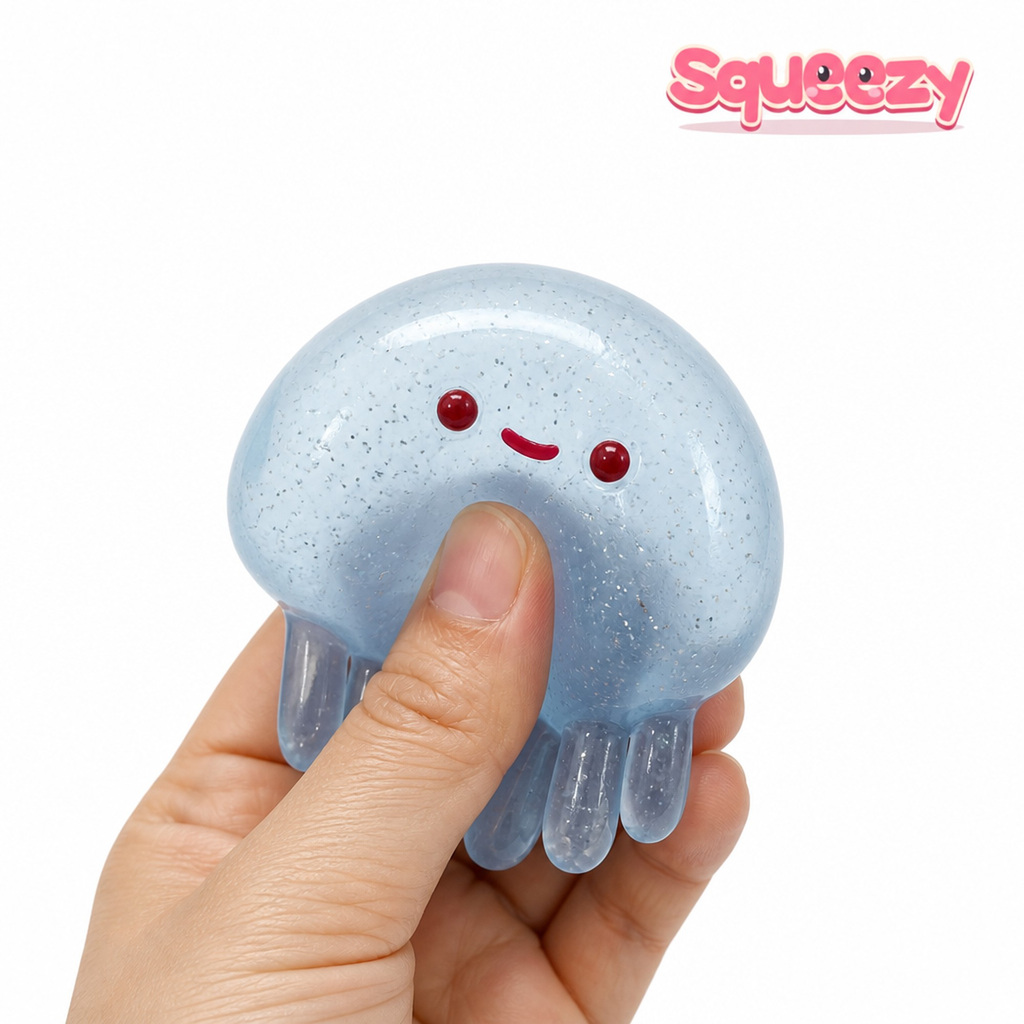 Jellyfish Squishy
 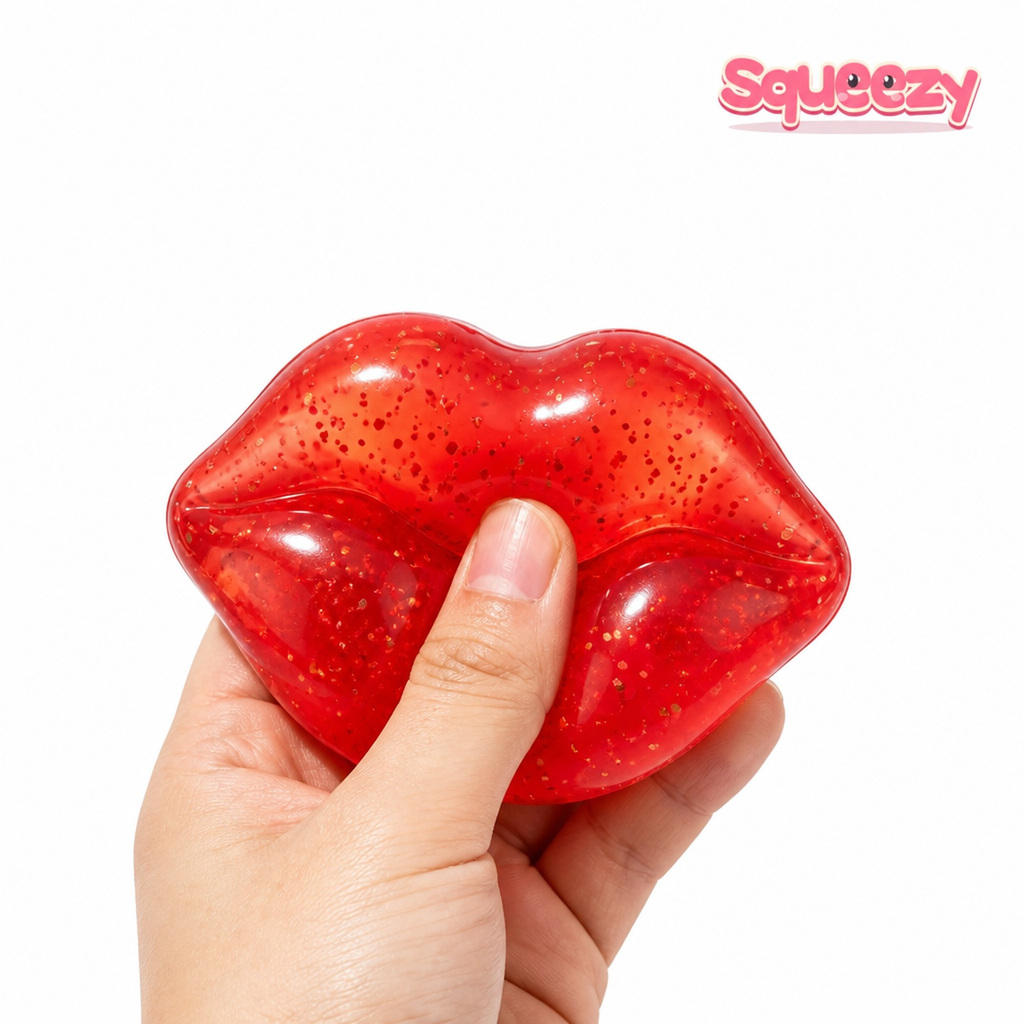 Jumbo Lips Squishy
 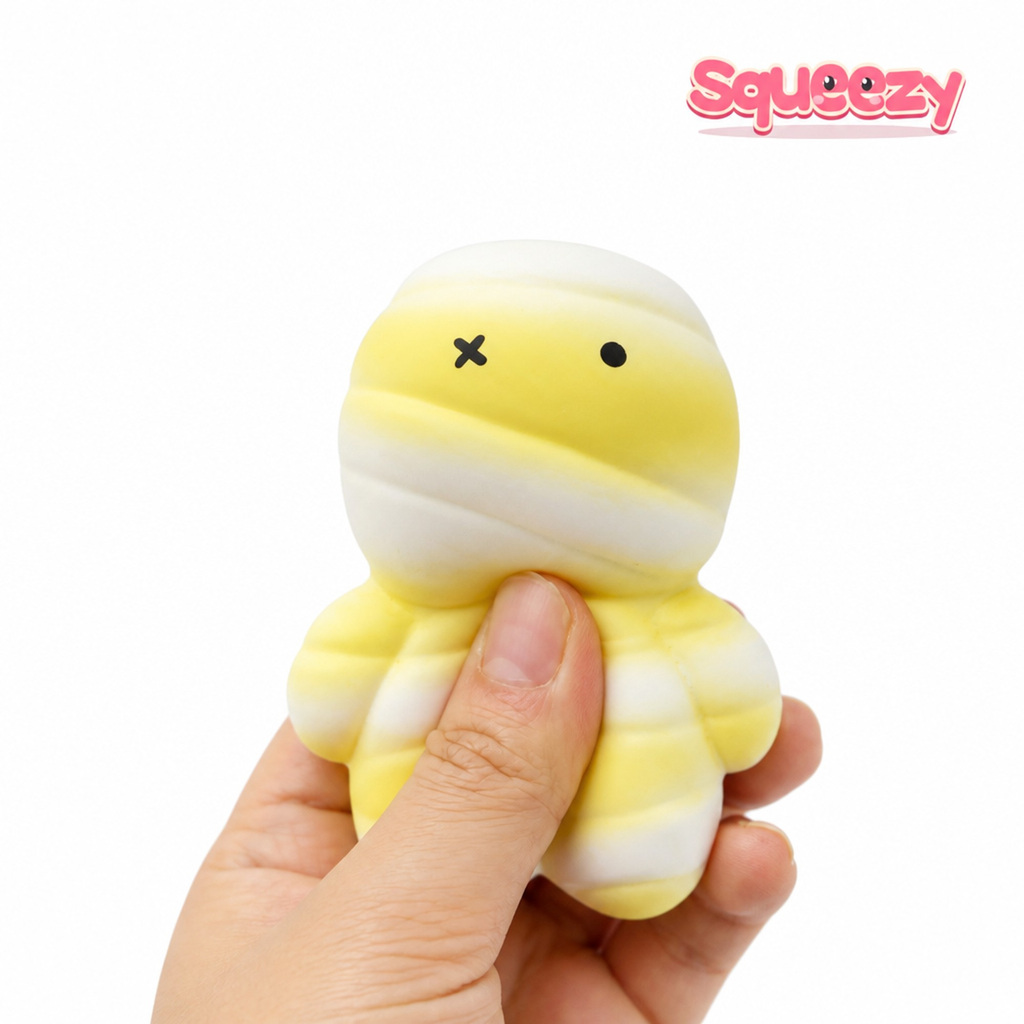 Mummy Squishy
 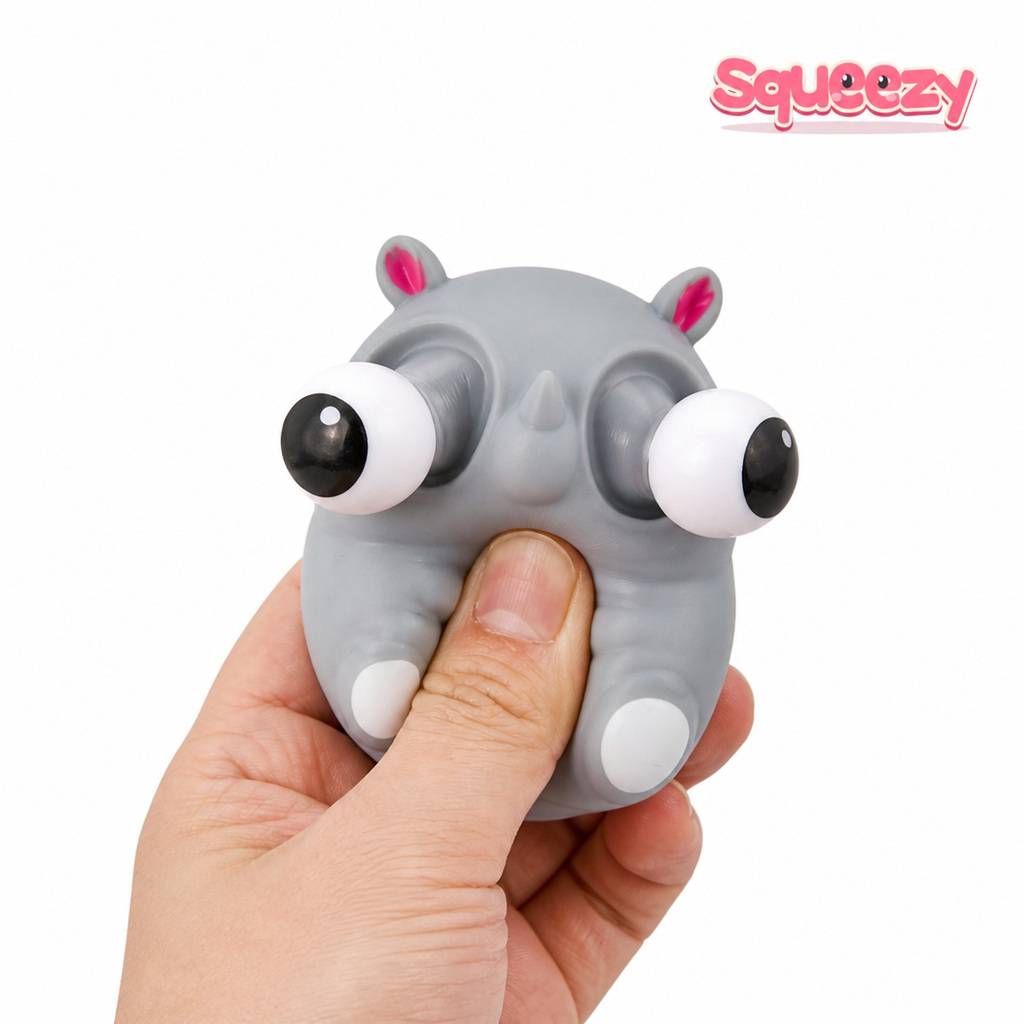 Pop-Eye Rhino
 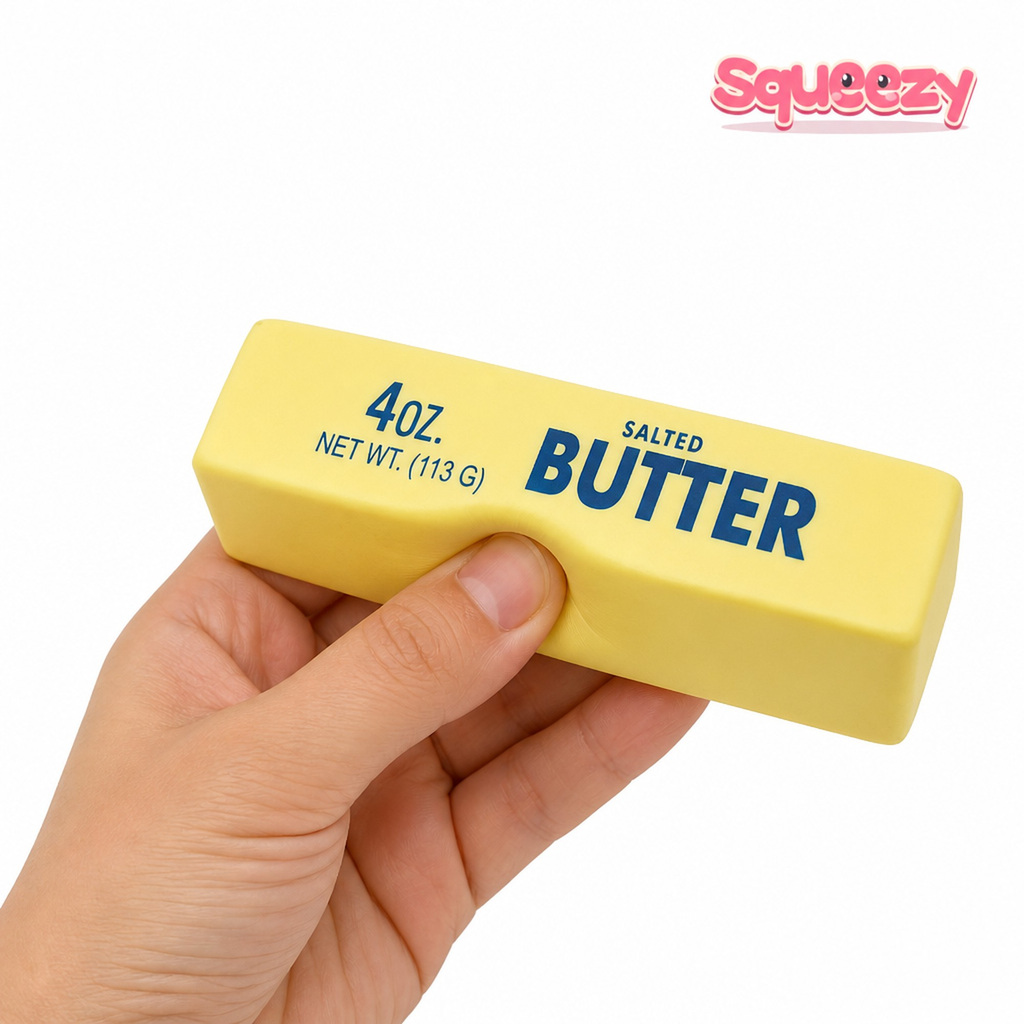 Salted Butter Stick
 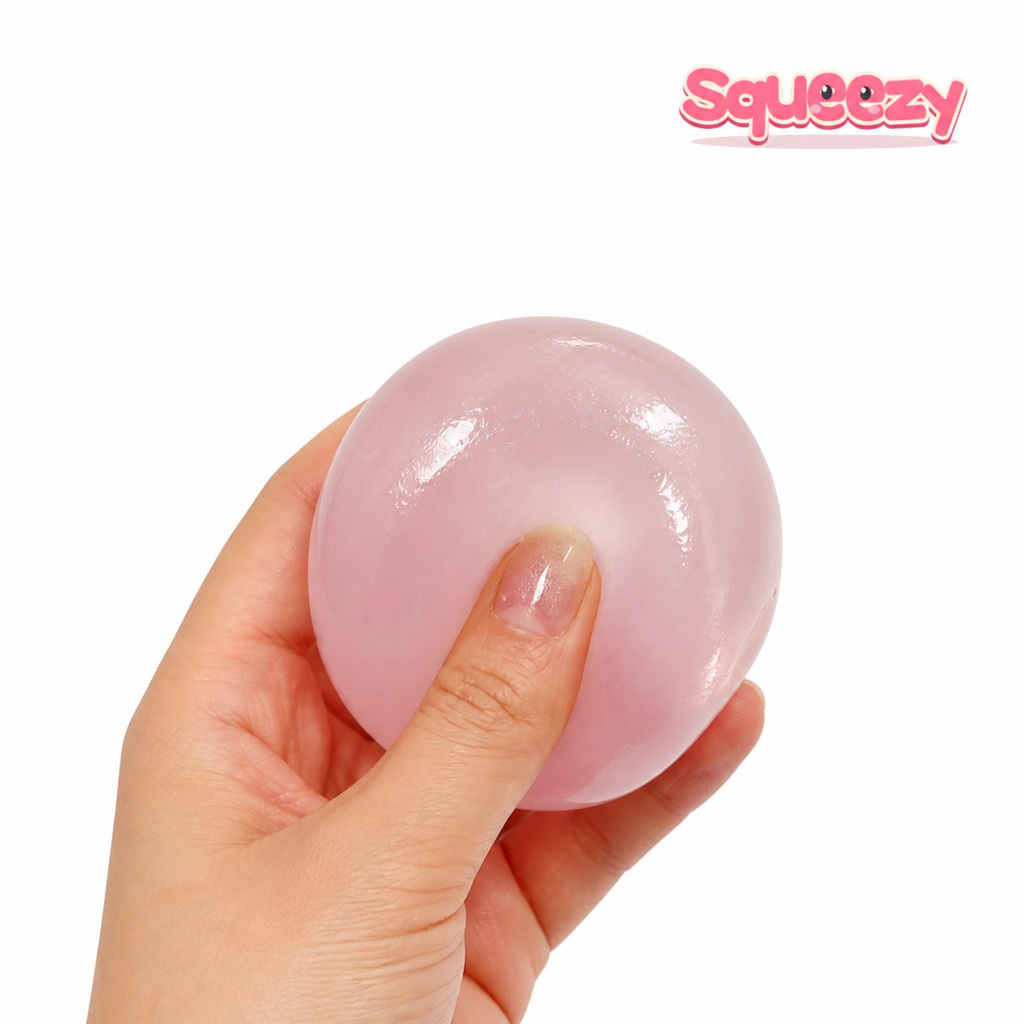 Pink Lychee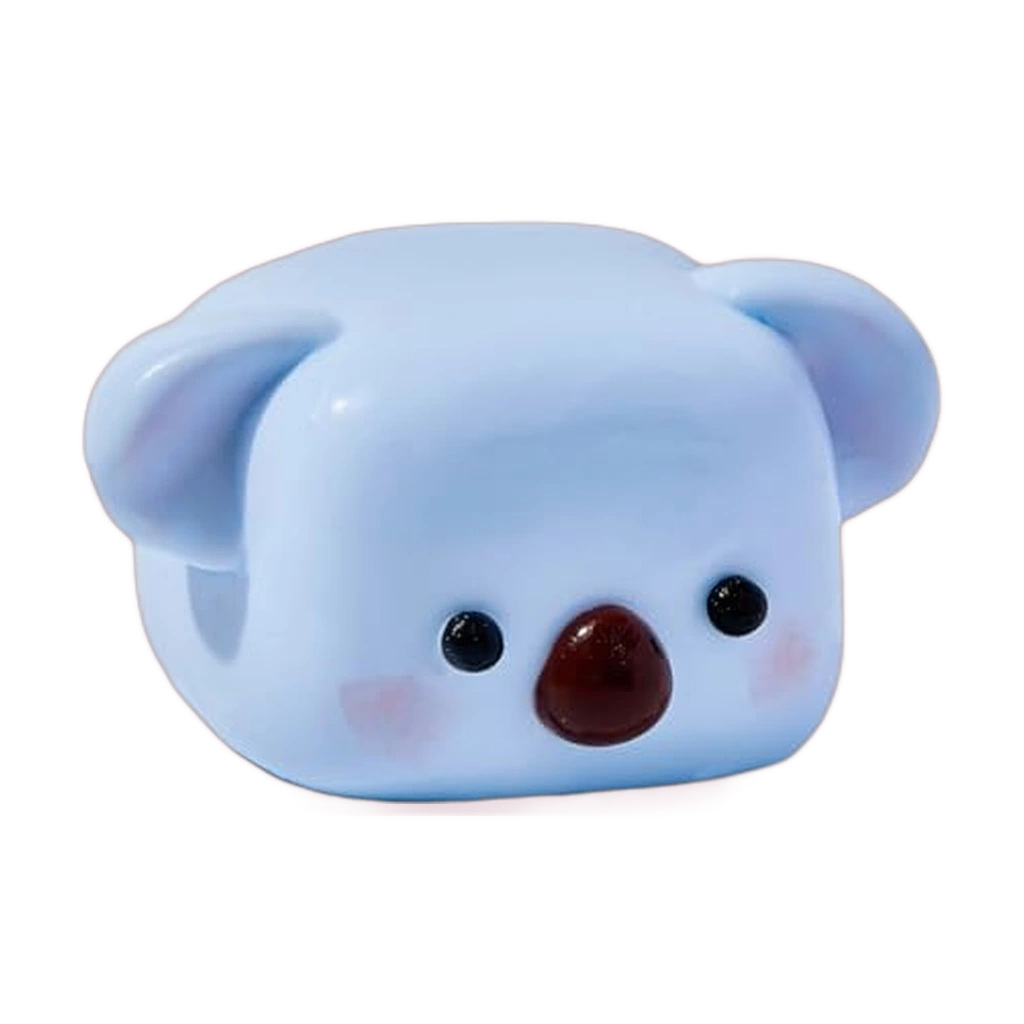
A squishy counts as a fidget toy whenever your hand can keep squeezing it without you looking, and that is why so many squishy listings use the word. The practical difference between squishy fidget toys and mechanical fidgets such as clickers, spinners and sliders is reset time. A mechanical part is ready again the instant you let go. A slow-rise squishy needs a few seconds to fill back out.
What “fidget” means on a squishy listing
On squeezy, we reviewed 179 listings with “fidget” in the name. Only 25 of them sit in the Fidget Toys collection. The other 154 live elsewhere in the shop, and 138 of those are squishies: food shapes, animals and characters.
So a fidget squishy is a squishy with a use label attached, not a separate type of toy. It tells you the seller expects people to squeeze it over and over at a desk or in a pocket. It does not tell you anything the word “squishy” did not already say about the material or the feel.
The Fidget Toys collection itself holds 46 listings. Nine of them are squishies, including a Mini Koala Mochi Squishy that the listing says fits the coin pocket of your jeans. Most of the rest have moving parts: keys that click, rings that spin, segments that twist, sliders, puzzle boxes and magnets.
The real difference: how fast it is ready for the next press
Think about what your hand does in the first ten seconds of fidgeting.
| Slow-rise squishy | Quick-rebound squishy | Clicker, spinner or slider | |
|---|---|---|---|
| The action | press, then watch it rise | squeeze and release | click, flick, slide or twist |
| Ready for the next press | after the shape fills back out | almost at once | at once |
| Sound | none | none or a soft squish | a click or a whirr, depending on the toy |
| Hands needed | one | one | one or two |
| What you watch | the dent disappearing | not much | the spin or the slide |
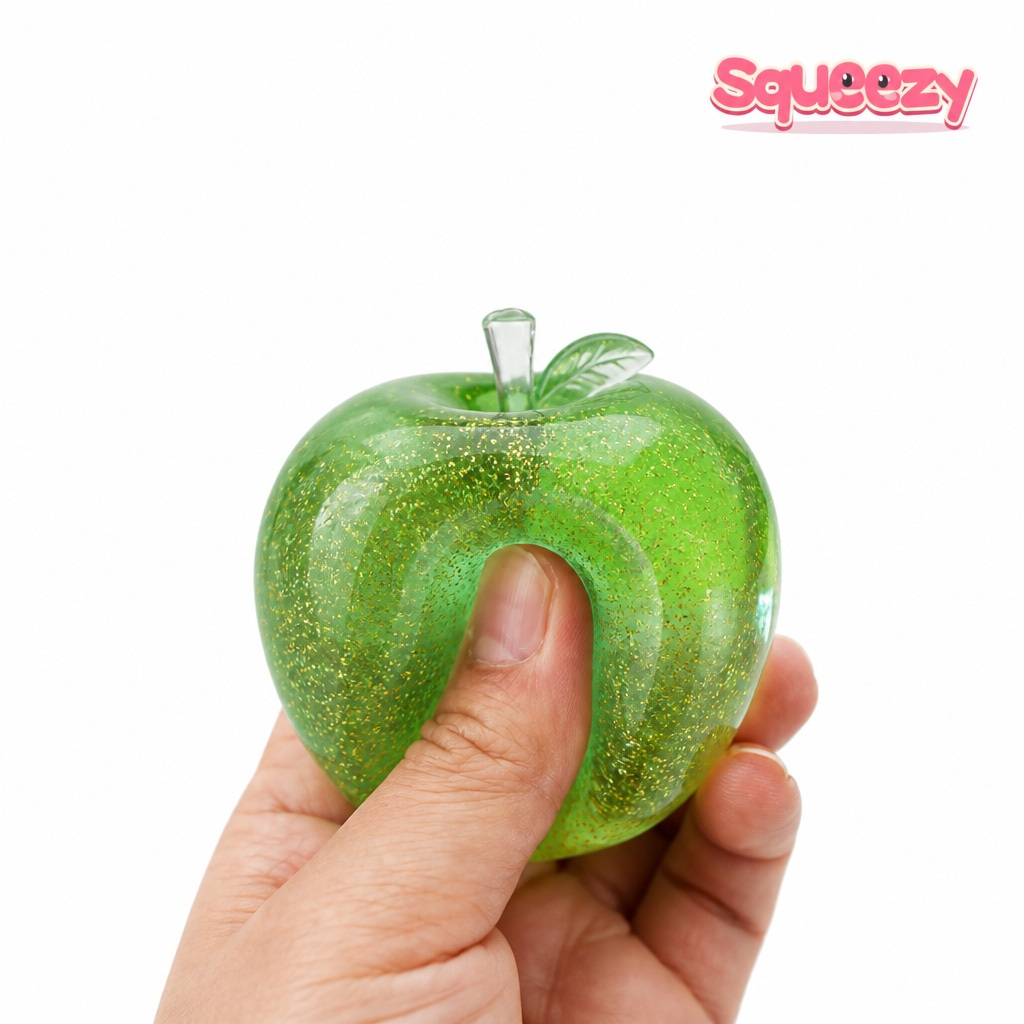
Of the 702 squishies we reviewed in the shop, 505 describe themselves as slow rising. That is a toy built for “press, then wait”. Only seven squishies in the whole shop have a rise time recorded, six at 3 seconds and one at 10, so for the rest you find out by pressing.
Slow rise suits a fidget habit that is closer to a pause: press the toy, put it down, watch the dent climb out. If you fidget with a fast, repeated rhythm, a slow-rise squishy feels half-flat most of the time, because you are pressing it again before it has come back. For that rhythm, a mechanical fidget or a quick-rebound squishy fits better. Slow rise vs fast rise explains how to tell the two kinds of squishy apart.
Where each kind wears out
Heavy fidgeting finds the weak spot of any toy, and the weak spots are different.
- Foam squishies can crack at the surface after a lot of squeezing. Why PU foam cracks with age covers what happens inside the foam.
- Gel and jelly squishies have no foam to crack; what shows wear first is the skin, which you can see scuffs and lint on.
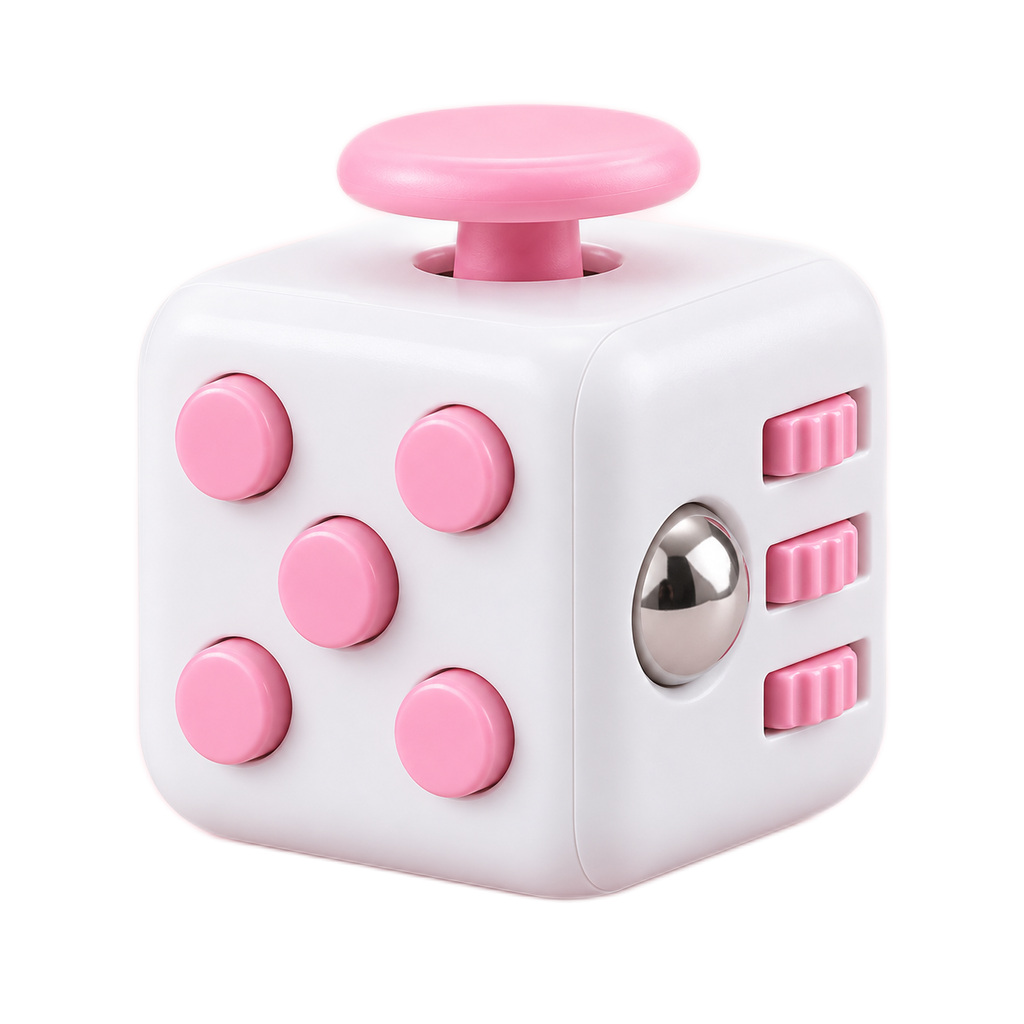
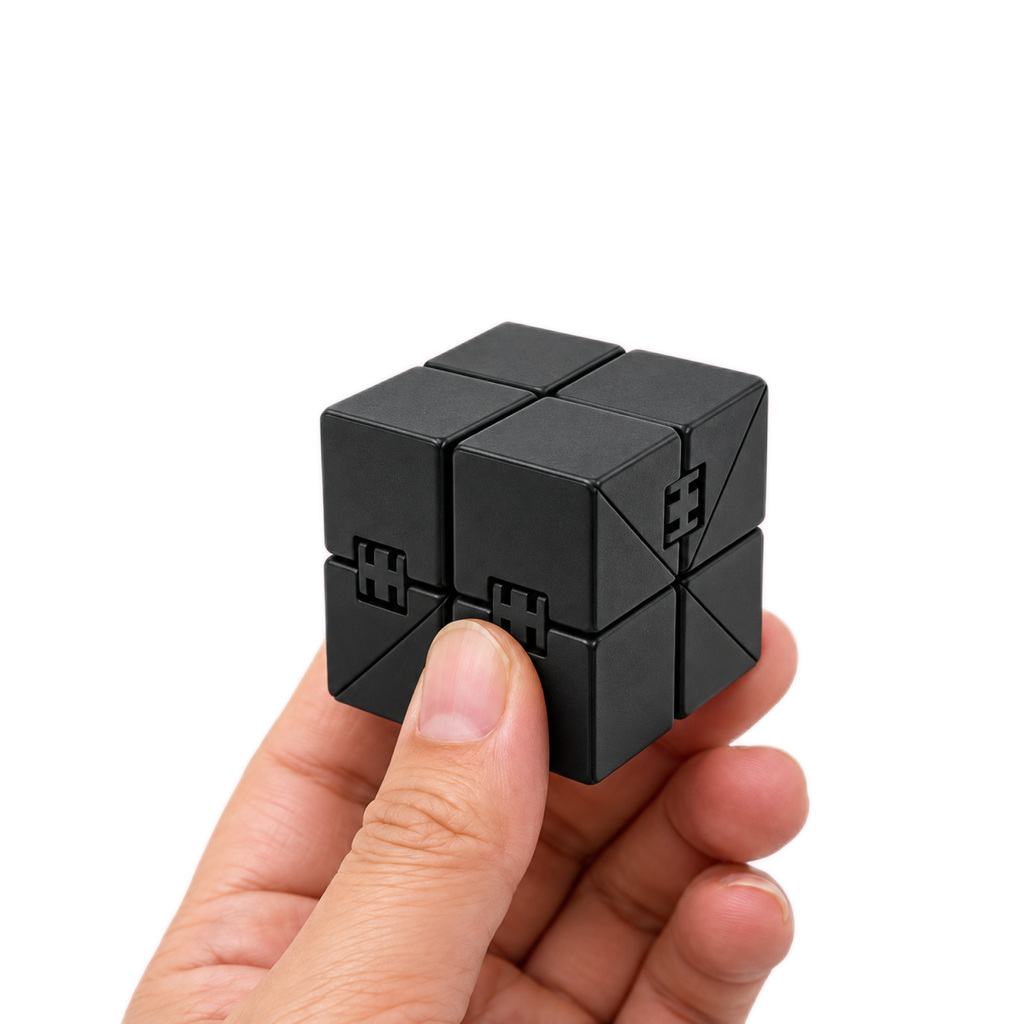
- Mechanical fidgets wear at their moving parts: the spring under a key, the bearing in a spinner, the joint in a folding cube. A Four-Key Mechanical Fidget has nothing to squeeze but four keys to click.
If a toy is going to live in a pocket and get pressed hundreds of times a day, choose by where it will wear, not by the word on the label.
Choosing between squishy fidget toys and mechanical ones
Match the toy to what your hand already does:
- You squeeze without thinking during calls or while reading: a squishy small enough to stay in one hand, such as the mini koala above, ideally one whose listing says it springs back quickly.
- You like to press and watch something happen: a slow-rise squishy on the desk. The Kawaii Peanut Squishy is listed both as a squishy and in the Fidget Toys collection, and its listing describes it rising back slowly after every squeeze.
- You click a pen or tap your fingers: a key or clicker fidget. Keyboard fidget or clicker fidget sorts out what those names get you.
- You spin things: a spinner, such as the Rainbow Metal Fidget Spinner.
- You twist and bend: a tangle, such as the Purple Segment Tangle.
- You are in a quiet room: squishies make the least noise. Some clickers are loud; quiet fidget toys goes through the silent options.
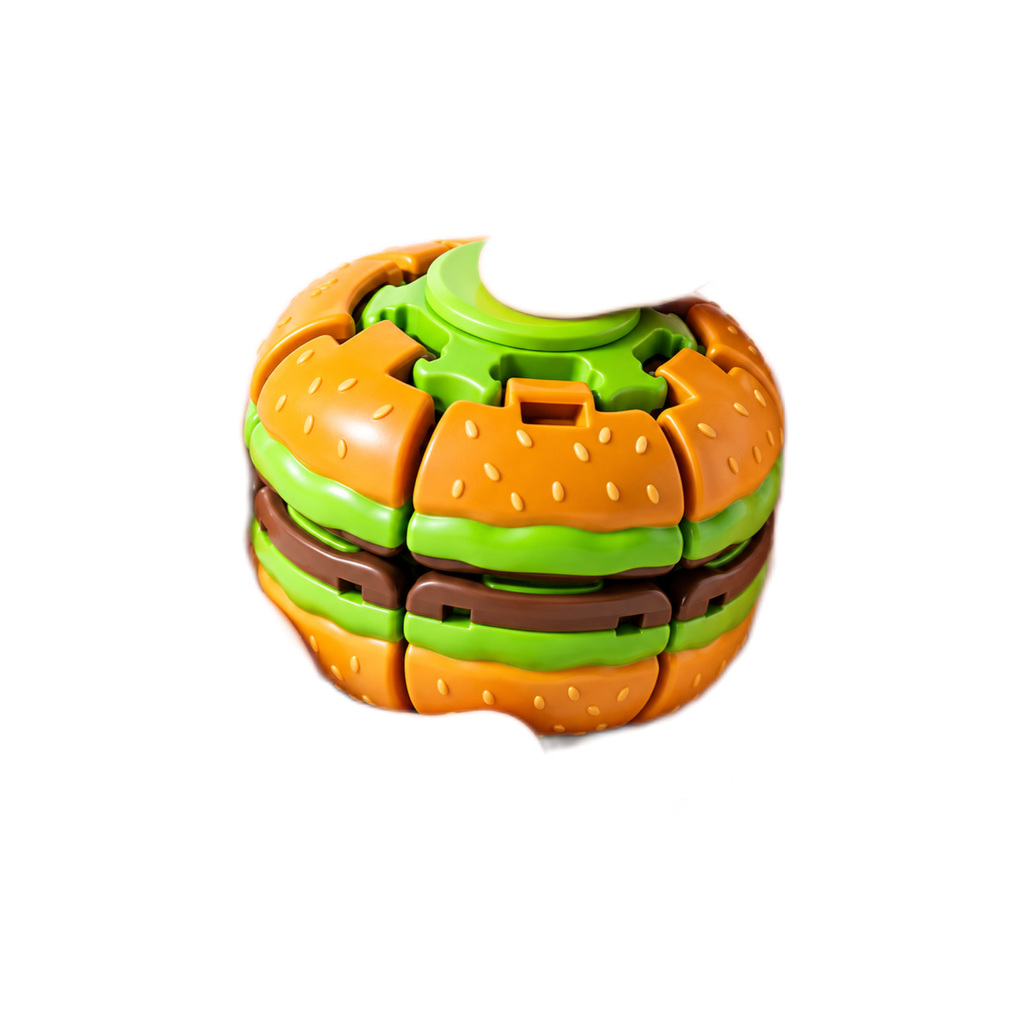
Some toys land in between. The Press-Spin Ball is a 3D-printed ball that collapses into a disc when you press it and then spins. It is pressed like a squishy but has no squish; the action is mechanical.
Fidget squishies in a mixed kit
One way to cover both habits is a squishy for the slow, absent-minded squeeze and a mechanical toy for the restless, repeated one. If you are building a small set for a desk or a bag, one slow-rise squishy, one quick-rebound squishy and one clicker cover the three columns of the table above. Buy the squishies by feel and the mechanical toy by noise level.
FAQ
Is a squishy a fidget toy?
A squishy works as a fidget toy whenever you squeeze it to keep your hands busy. Most squishies in fidget listings are the same toys sold elsewhere as squishies; “fidget” describes how people use them.
What are those squishy fidget toys called?
They go by several names: squishies, mochi squishies, squeeze toys and stress balls. Slow-rise squishies, often foam, are the ones that fill back out slowly after a press.
Are fidget squishies quieter than clickers?
Yes, as a rule. A squishy makes little or no sound, while clickers and some spinners make a click or a whirr. That makes fidget squishies the easier pick for a classroom or an open office.
Do squishy fidget toys last as long as mechanical fidgets?
They fail in different ways. Foam squishies can crack at the surface over time, gel squishies show wear on the skin, and mechanical fidgets wear at their springs, bearings or joints. How long either lasts depends on how hard and how often it gets used.