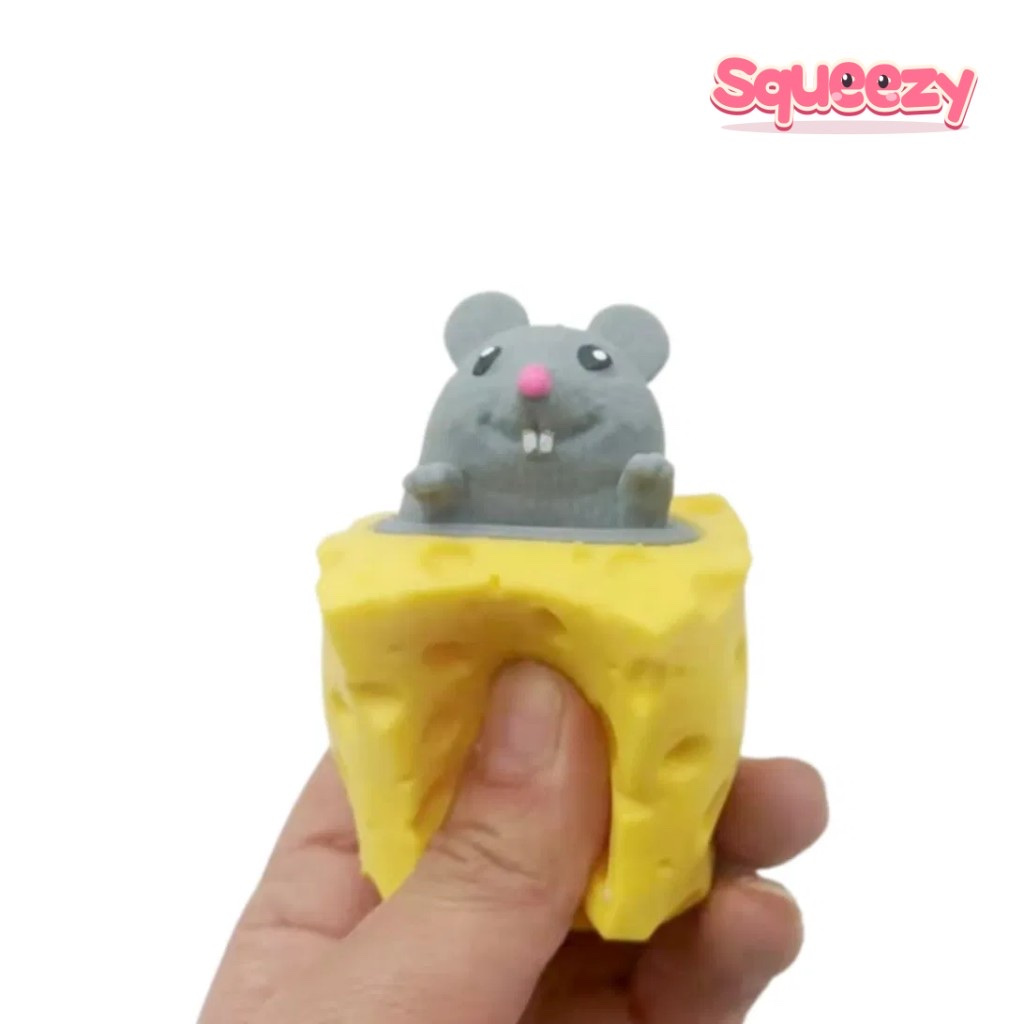
 Cheese Squishy
 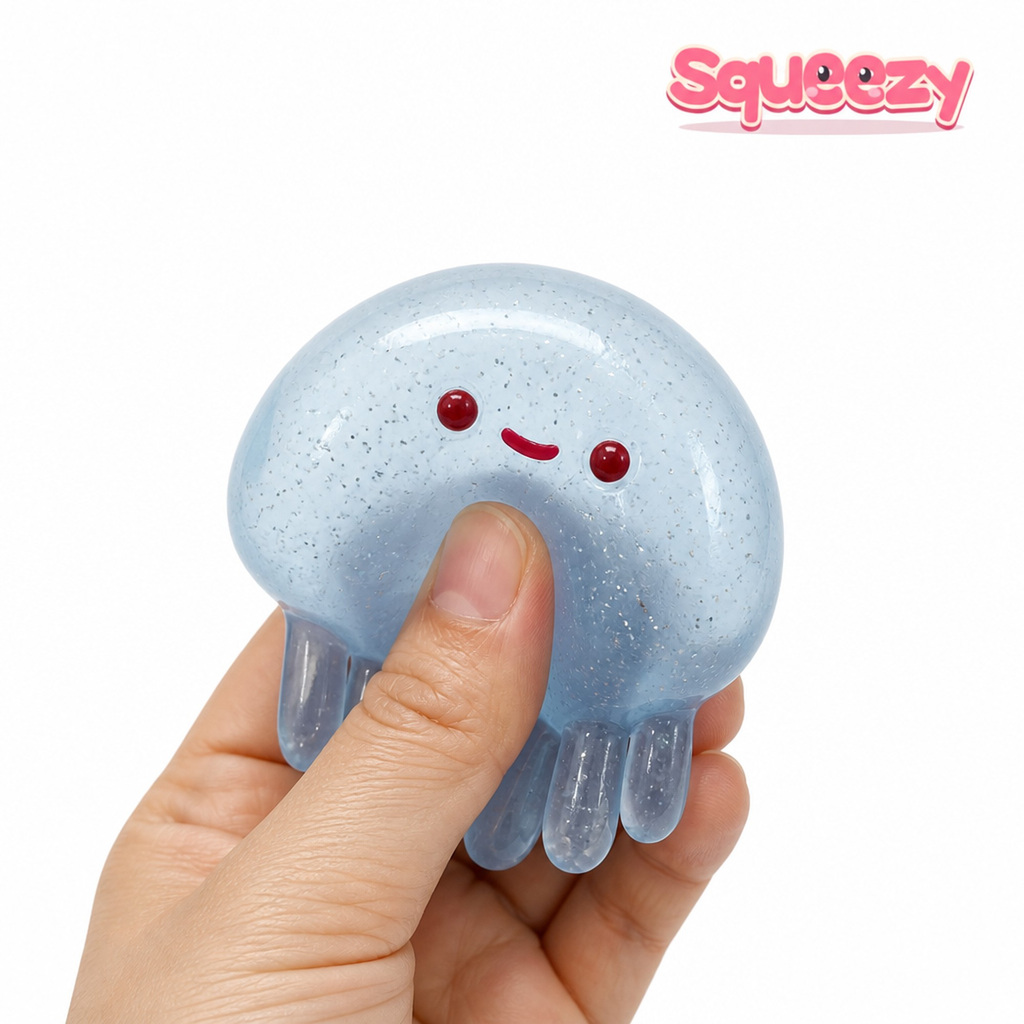 Jellyfish Squishy
 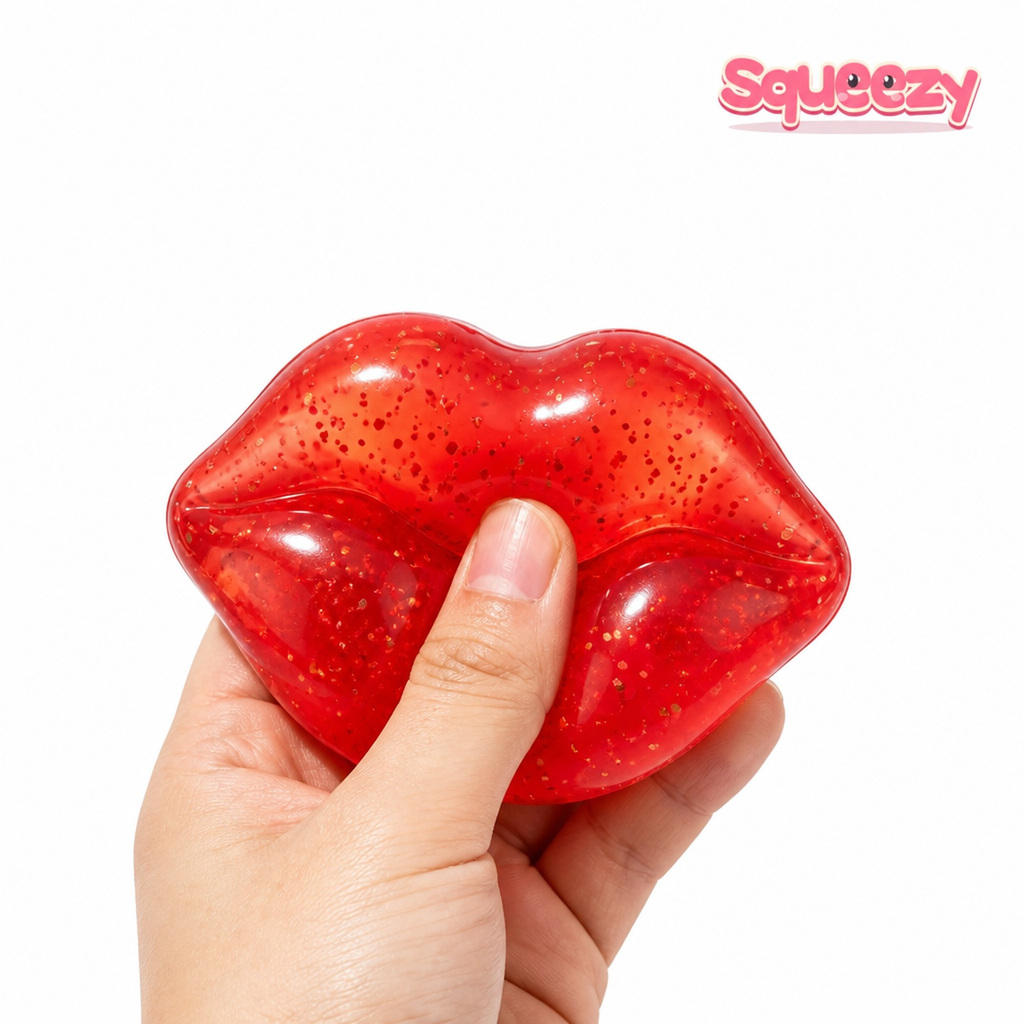 Jumbo Lips Squishy
 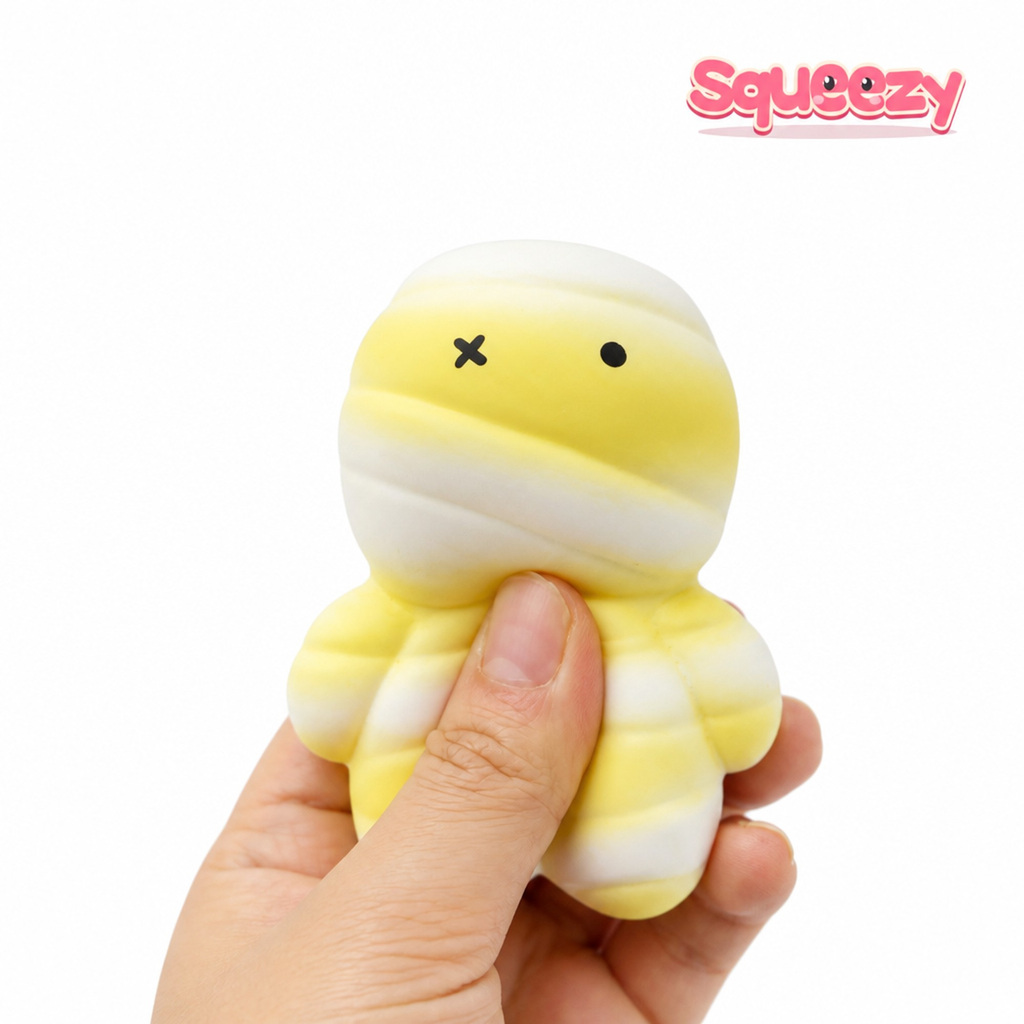 Mummy Squishy
 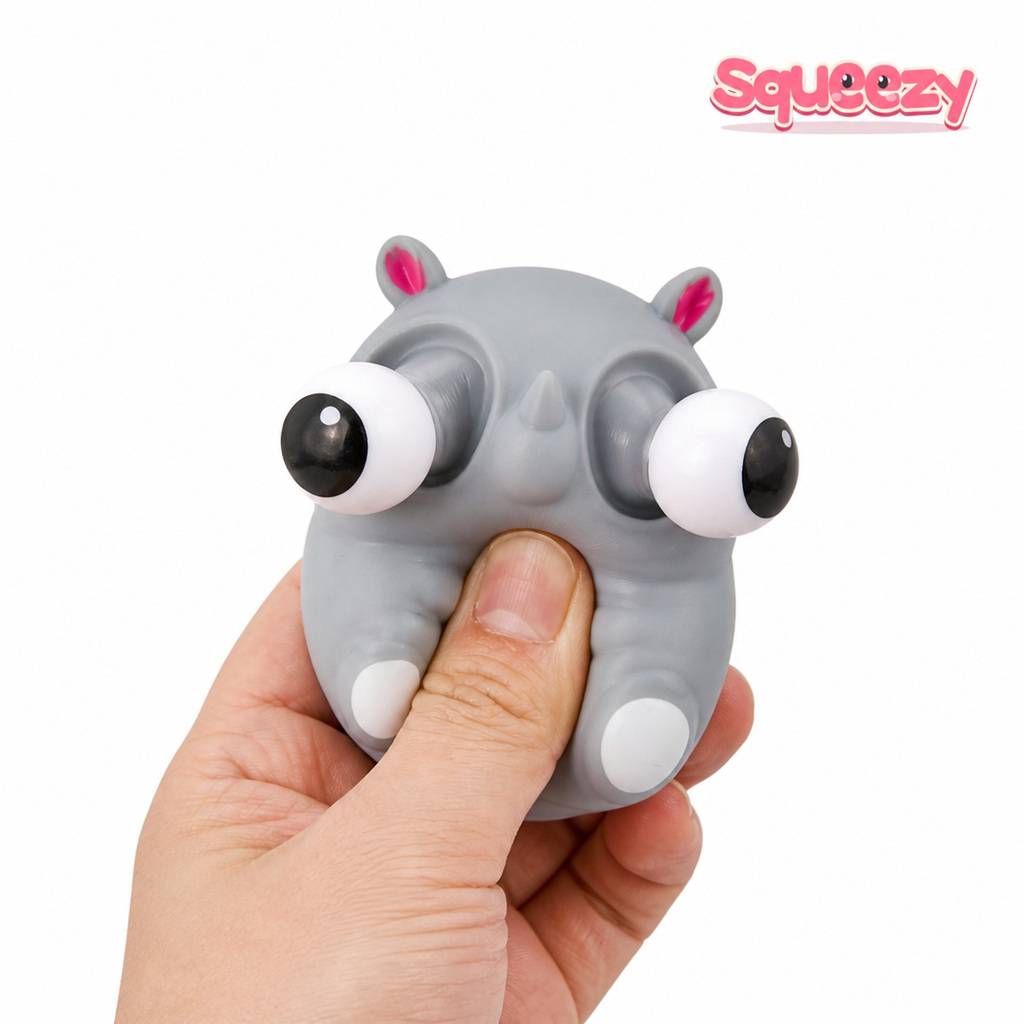 Pop-Eye Rhino
 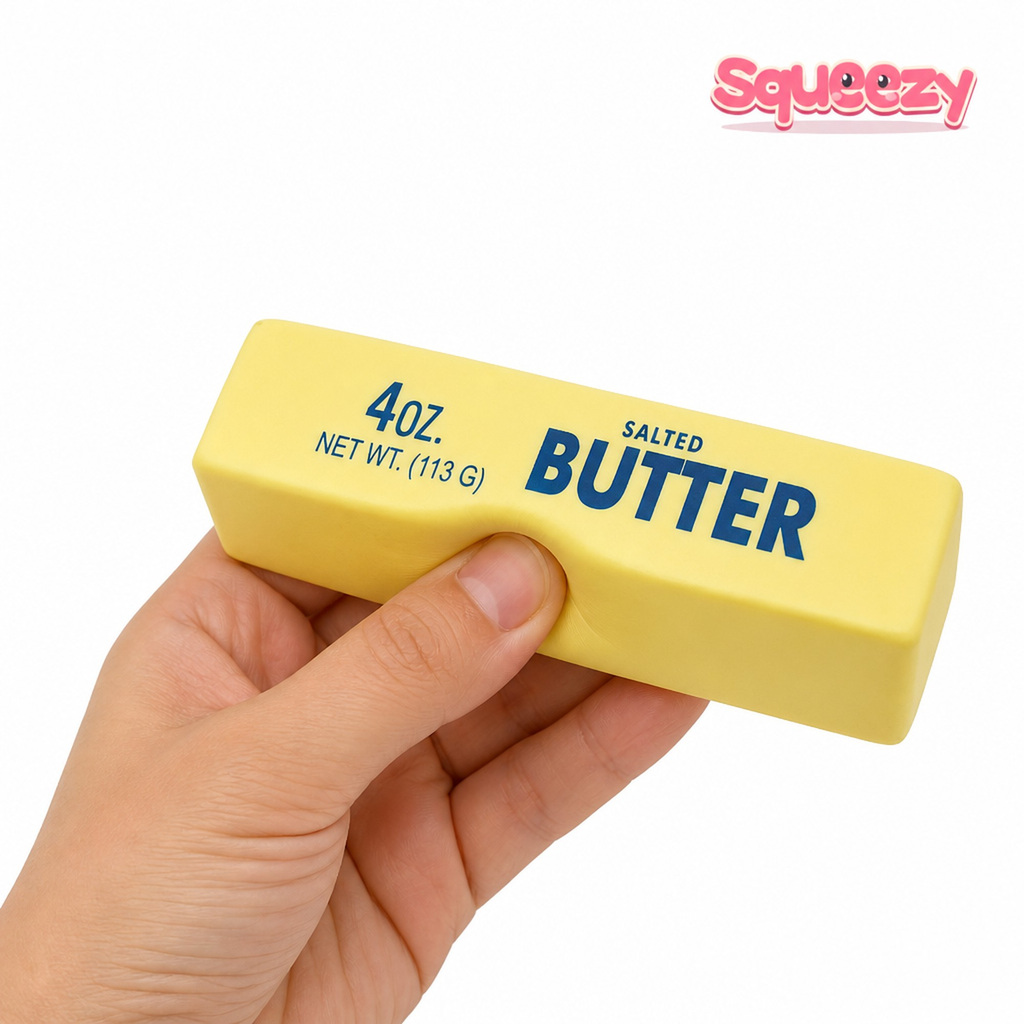 Salted Butter Stick
 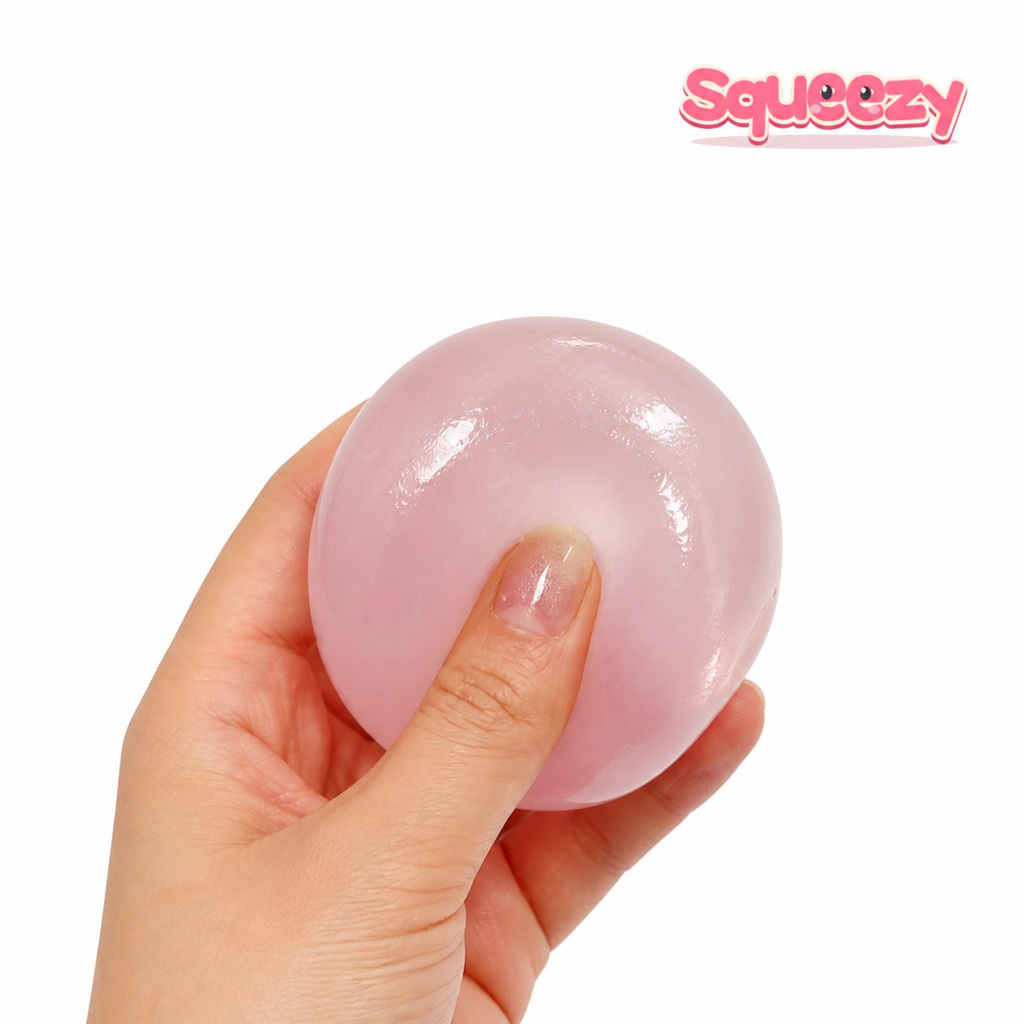 Pink Lychee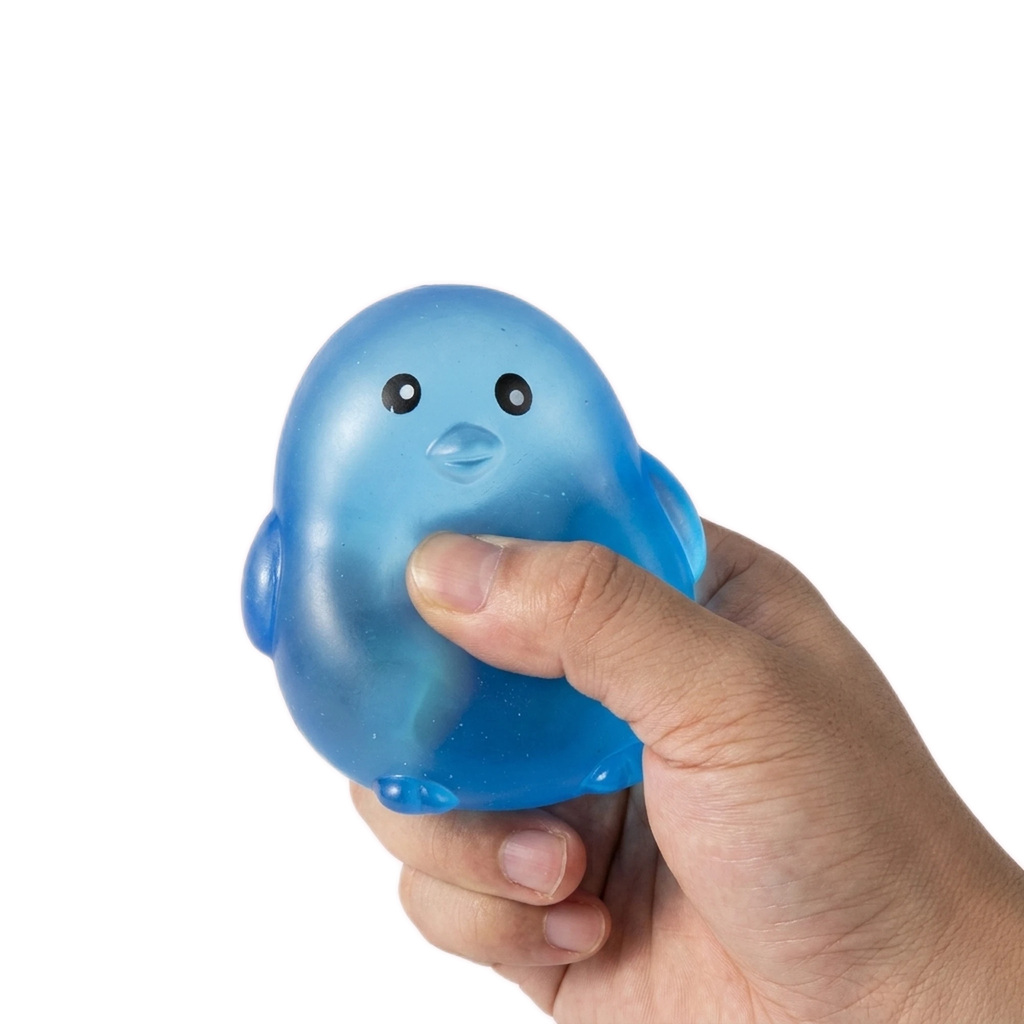
The short answer: pick glue for squishies by material, not by brand
There is no single best glue for squishies, because “squishy” covers at least three very different materials. A split in a stretchy TPR ball, a tear in a tacky silicone animal and a crack in a foam cube each need a different answer, and one of them usually has no good answer at all. So before you buy any squishy glue, find out what your squishy is made of. Then read the back of the glue tube: the manufacturers tell you which materials their glue will not hold.
This guide uses two things we can check: what our own product listings say about material, and what adhesive makers publish about their products. We have not run repair tests on our squishies, so we will not promise that a particular fix will last.
Step 1: find the material on the listing
Most squishy toys are sold without the material on the tag, but the product page often names it. On our own shop, the words fall into three groups.
| What the listing says | Examples in our shop | How it behaves |
|---|---|---|
| TPR (soft thermoplastic rubber) | Chick Squishy Ball, Stress Ball Axolotl, Sticky Corn 2 Pack | stretchy, rubbery skin or solid body |
| Silicone | Trophy Squishy, Kawaii Fox, Mini Croissant | soft, often tacky, slowly rises back |
| Foam | Dice Squishy Stress Ball, 6 Inch Jumbo Dice | light, springy, no skin to split |
The counts are lopsided. Of our 1,076 active listings, 226 mention foam somewhere in the text, 30 mention silicone and 16 mention TPR. Many more name no material at all. If yours is one of those, go by feel: a skin that stretches like a balloon and snaps back is usually TPR, a skin that feels grippy and slightly sticky is often silicone, and a toy that is spongy all the way through with no hollow inside is foam.
Step 2: rule glues out by their own labels
Glue makers are quite direct about what their products cannot do, and that is the most useful information you will get.
Super glue and silicone do not mix. Loctite’s own advice page on gluing rubber says super glue is compatible with most hard plastics, “but not with polyethylene, polypropylene, silicone, foam rubber or polystyrene foams” (Loctite). Its rubber-toughened Ultra Gel Control lists the same exclusions on the product page (Loctite Ultra Gel Control). So a regular super glue is off the list for silicone squishies and for foam ones.
Silicone wants a silicone adhesive. Permabond, an adhesives maker, describes cured silicone as “very flexible, stretchy and… hard to bond!” and says “silicone-based adhesives tend to work well on silicone” (Permabond). If a glue is sold for silicone repairs, the label will say silicone by name. If it does not, assume it will peel.
For rubbery TPR, look for “flexible” on the label. The same Loctite page is a guide to gluing rubber with super glue, and its rubber-toughened gel is described as resisting “impact, shock, and vibration”. A squishy flexes every time you squeeze it, so a glue that sets rigid will crack along the repair. Whatever you choose, check the tube does not exclude the material you have.
E6000, Gorilla and the rest. These come up constantly in repair threads, and in search suggestions such as “Can you use E6000 on squishies?”. We are not going to rank them, because we have not tested them on our toys. Apply the same test to any of them: does the label exclude silicone or foam, and does it say the cured glue stays flexible?
Step 3: prepare the tear, then leave it alone
The preparation matters as much as the glue. Loctite’s instructions for rubber are to make sure both surfaces are “completely clean and dry” and to degrease rubber with rubbing alcohol, then leave the repair undisturbed; it notes the glue “may take up to 24 hours to fully cure” (Loctite).
For a squishy that means:
- Squeeze out any air and wipe away any fill that has leaked onto the edges. The glue needs clean skin to grip, not a film of gel or grease.
- Clean both edges of the tear and let them dry fully.
- Use a small amount of glue and press the edges together without stretching them.
- Do not squeeze the toy until the glue’s full cure time on the label has passed. Squeezing early pulls the edges apart before the bond has formed.
If you can, try the glue on a small spot underneath first, so you see how it looks on that skin before it shows.
When glue is the wrong fix
Some damage is not worth gluing, and some is not damage.
- Foam that cracks with age. A foam squishy that hardens and splits after months of use is usually the foam ageing, not a seam failing. We explain why in Foam Stress Balls: What PU Foam Is and Why It Cracks With Age. Glue on a crumbling foam surface has little to hold on to, and super glue makers exclude foam anyway.
- Openings that are there on purpose. The Vomiting Egg Squishy is a TPR egg that spits a yolk blob out of its mouth when you press its belly. That is the design, not a split, so do not glue the mouth shut.
- Skins that close without glue. Our DIY Squishy Making Kit closes each TPR skin with a ring and a plug. If one of those balls leaks, check the plug is seated before reaching for glue.
- A torn fill-and-skin squishy that keeps leaking. Once gel, beads or oil have spread over the inside of a skin, a patch rarely holds. Clean the fill up and retire it.
If it arrived torn
If a squishy from us arrives split or leaking, do not glue it first. Take a clear photo of the damage and the parcel and contact us within 30 days of delivery, as our returns and refunds policy sets out. A photo of the original damage is what lets us sort out a replacement or refund quickly, and it is harder to judge once glue is on it.
If you want a silicone squishy you can repair with the same material it is made of, a pour-your-own set like our Silicone Squishy Making Kit is the way into that. It is two-part liquid silicone and reusable molds, and our walkthrough on making a taba squishy at home covers the process. The kit listing does not describe it as a repair product, so treat that as an experiment.
Browse the full range by shape in our Squishies collection.
FAQ
What is the best glue for squishies?
It depends on the material. For silicone squishies, a silicone adhesive; adhesive makers say silicone-based adhesives tend to work well on silicone. For TPR, a glue whose label says it bonds rubber and stays flexible. For foam, we do not know of a glue that restores the squeeze, and common super glues exclude foam on the label.
Can I use super glue to fix a squishy?
Not on silicone or foam. Loctite lists silicone and foam rubber among the materials its super glue is not compatible with. On a TPR squishy it may bond, but ordinary super glue sets hard, so choose a flexible, rubber-toughened type if you try it.
Can you use E6000 on squishies?
Read the tube before you try. Check whether it excludes silicone or foam and whether the cured glue stays flexible. We have not tested E6000 on our squishies, so we cannot tell you how long a repair will last.
How do I fix a broken squishy ball?
Find the material first, clean and dry the tear, use a glue made for that material and let it cure fully before squeezing. If it is a foam ball that is crumbling with age, or a gel ball that has leaked across the inside of its skin, replacing it is usually the better choice.