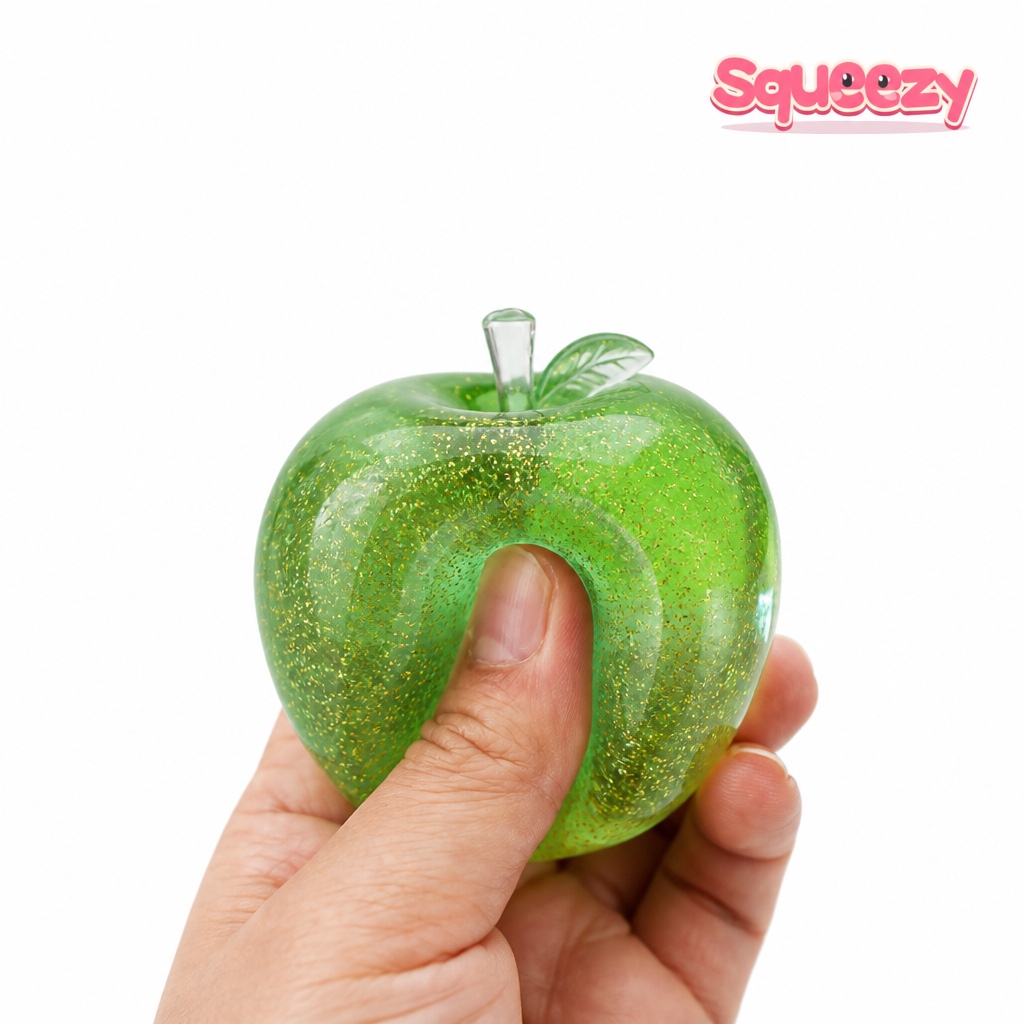
 Crystal Apple Squishy
 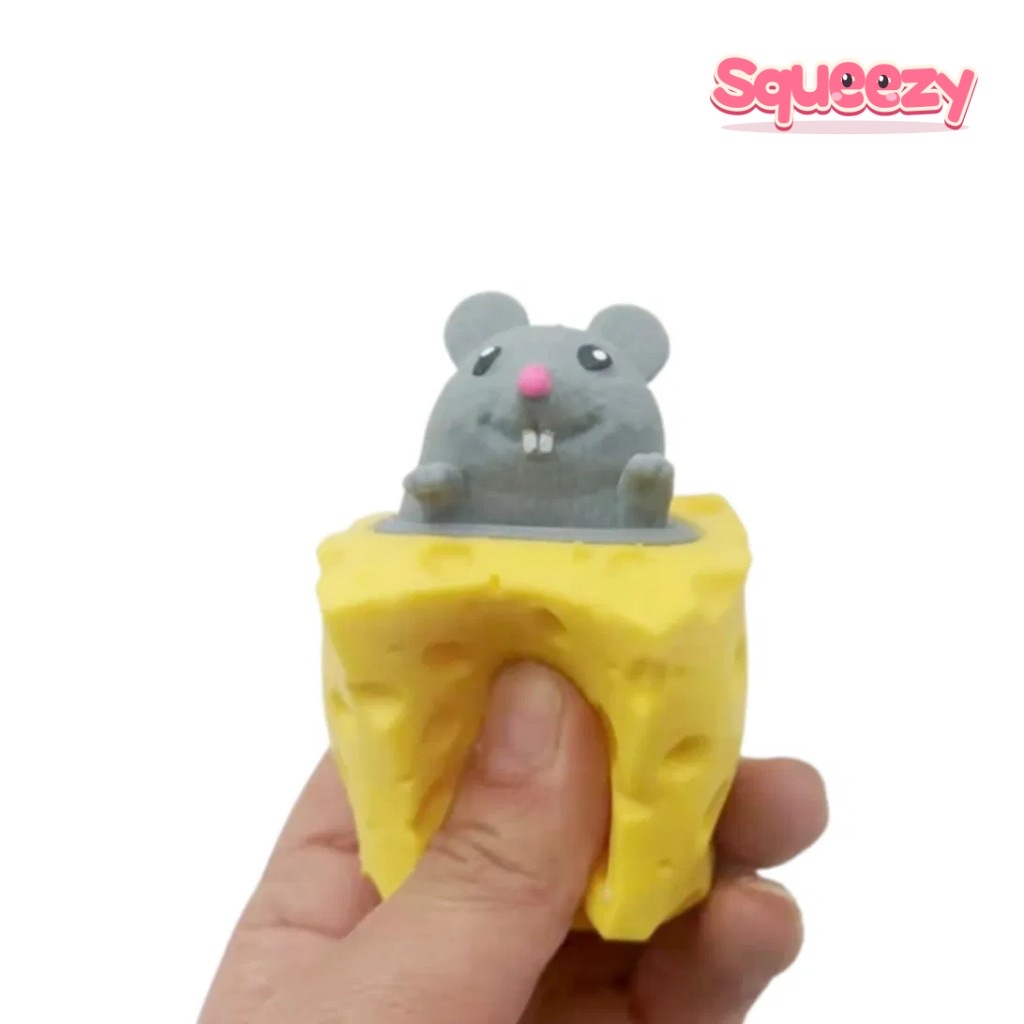 Cheese Squishy
 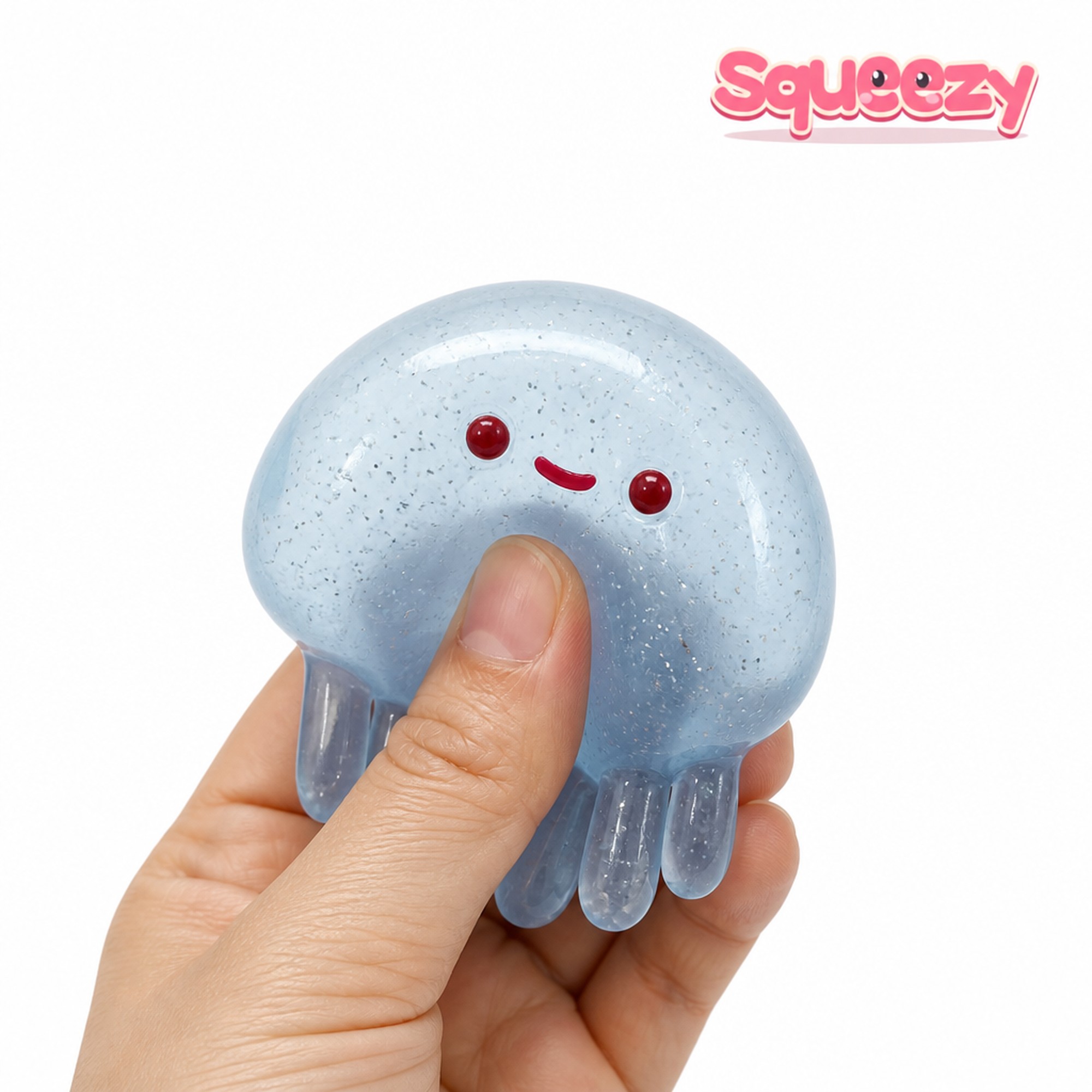 Jellyfish Squishy
 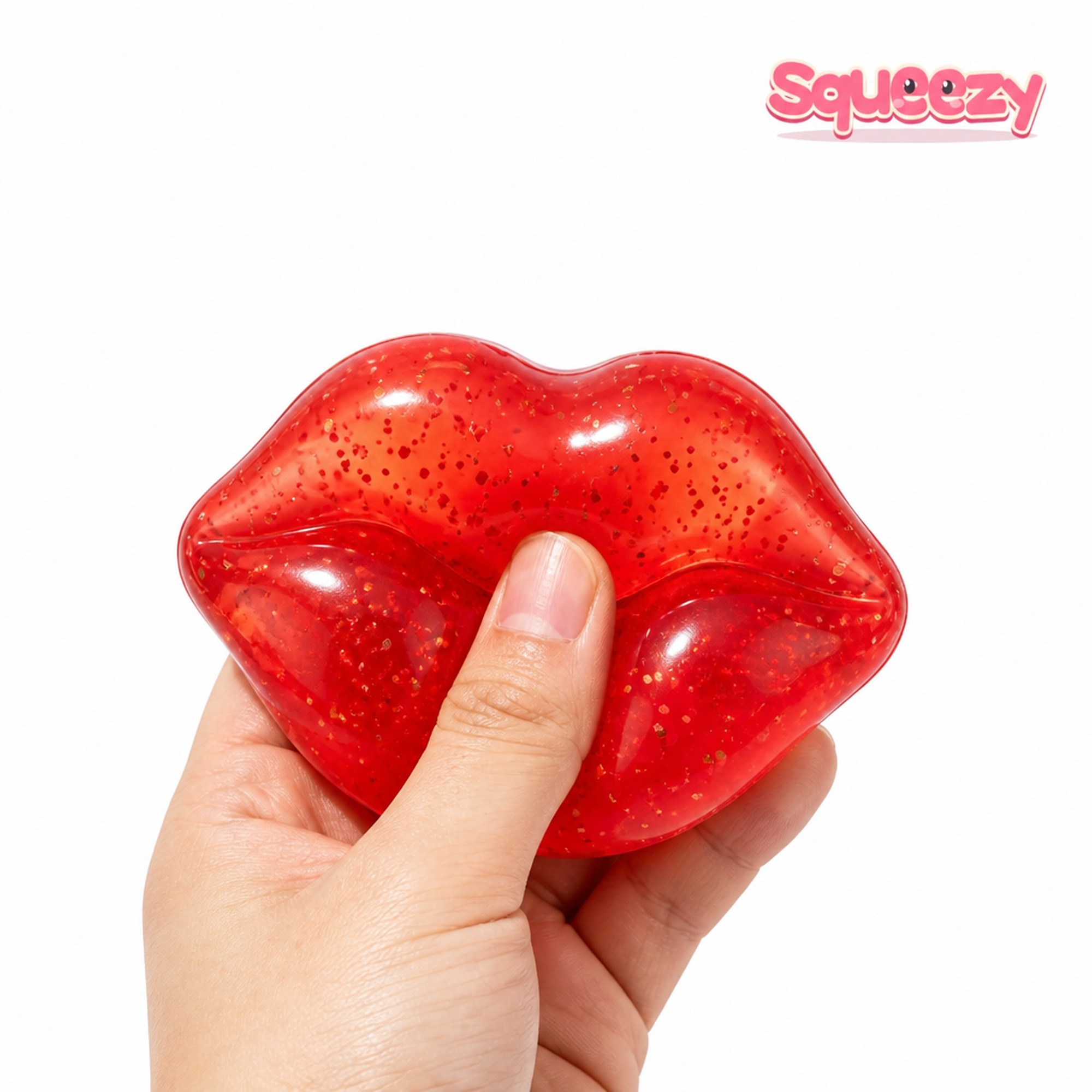 Jumbo Lips Squishy
 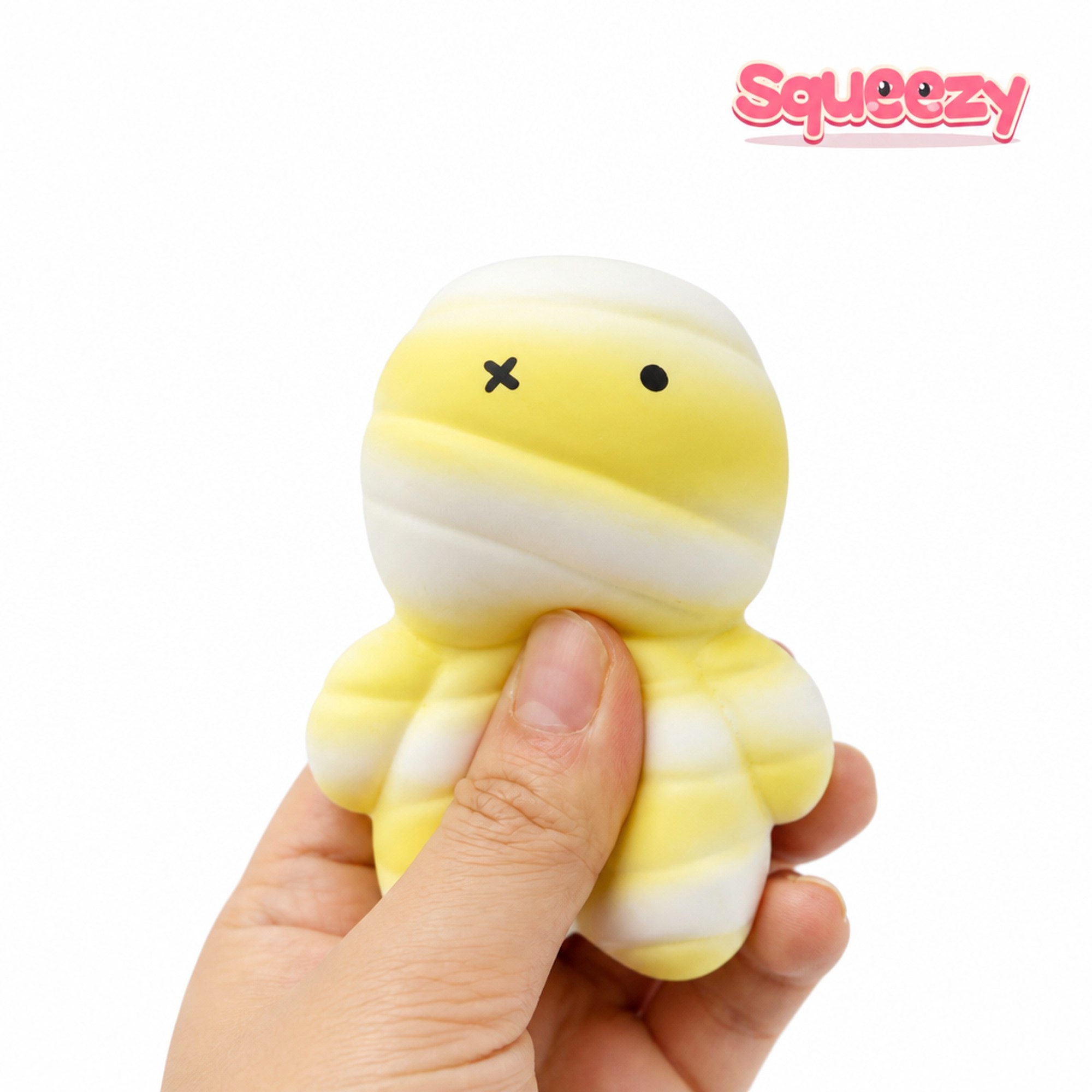 Mummy Squishy
 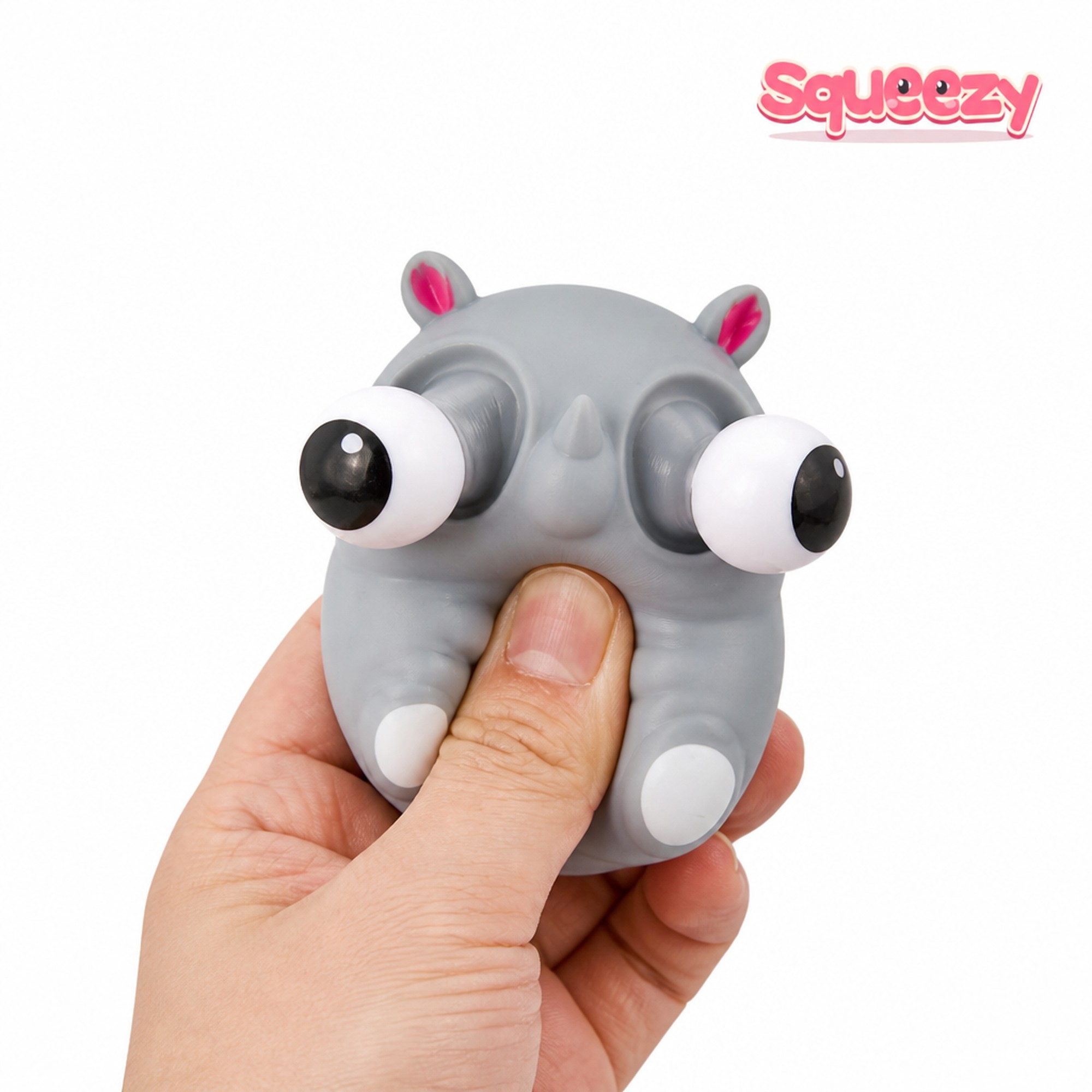 Pop-Eye Rhino
 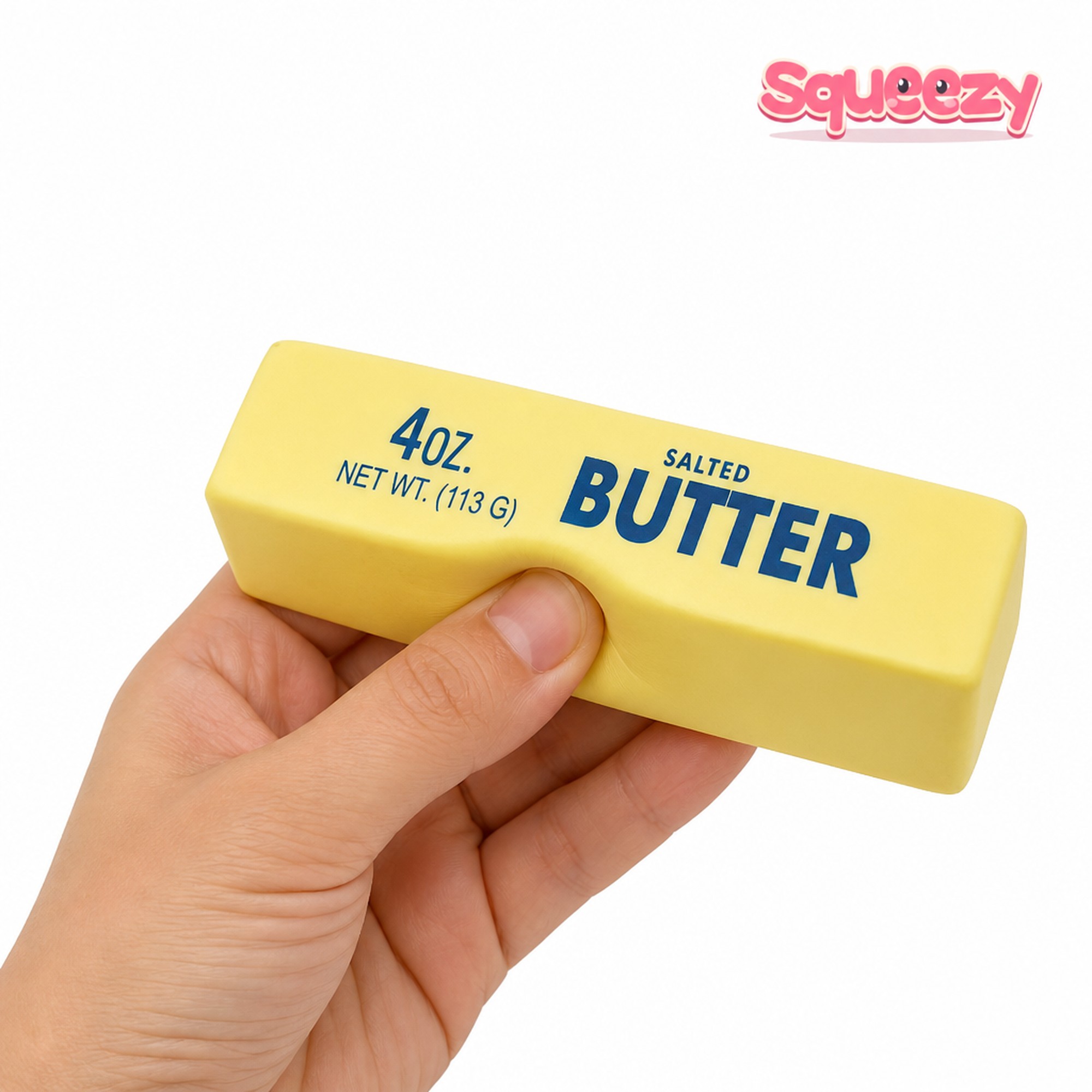 Salted Butter Stick
 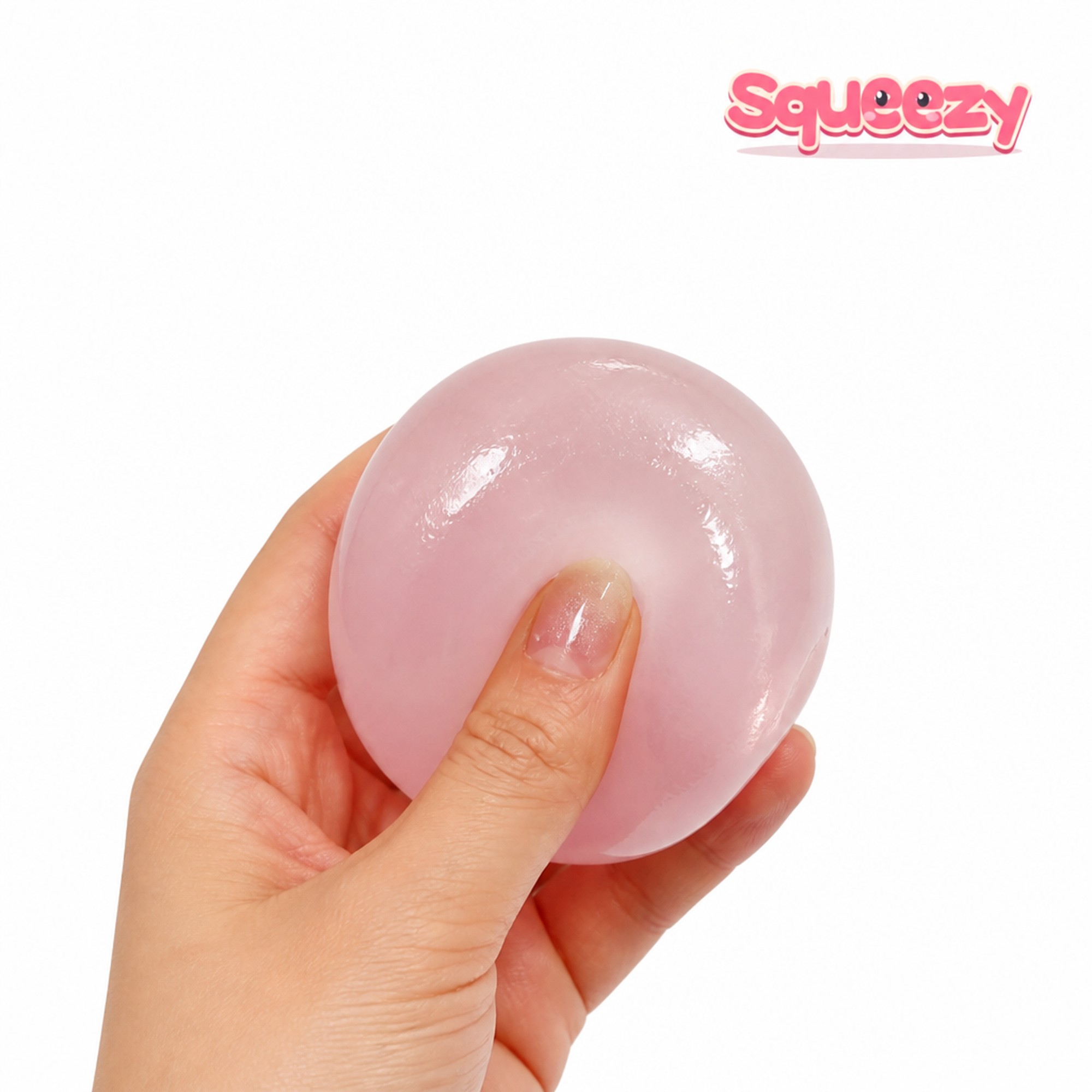 Pink Lychee Jelly
 Squishies are generally fine for children old enough not to mouth their toys — which is why we label ours ages 6+ and say clearly: a squishy is a desk and play toy, not a chew toy and not a teether. The real safety question is not “are squishies dangerous?” but “which material is this one made of, and is my child past the chewing stage?”
The material question
Squishies on the market come in two very different builds:
- Cast silicone (what we pour): a solid, skinned body. Our material is food-grade platinum-cure silicone — “food-grade” describes the material standard, not an invitation to bite it. Silicone is chemically stable, doesn’t shed crumbs, and wipes clean.
- PU foam: soft polyurethane foam, common in bulk and prize squishies. Its bigger issue for kids is mechanical: aged foam tears and crumbles, and a child can pick off and swallow small pieces. Strong “fresh paint” smells on unbranded foam toys are also a reasonable red flag — walk away from anything that stinks out of the package.
If a listing doesn’t name its material at all, assume basic foam and judge accordingly.
Age guidance that actually means something
| Age | Guidance |
|---|---|
| Under 3 | No squishies. Small or breakable parts and mouthing risk rule them out entirely. |
| 3–5 | Only with supervision, only intact toys, and only if the child no longer mouths toys. |
| 6+ | Standard squishy territory — our own label. Teach “squeeze, don’t bite.” |
| Teens & adults | The biggest slow-rise audience: desk fidgeting and collecting. |
Two habits cover most of the remaining risk: inspect (retire any squishy that is torn, flaking, or has lost a molded piece) and keep them personal (a squishy that gets mouthed shouldn’t be shared).
Hygiene basics
Kids’ squishies pick up more grime than desk ones. Wipe silicone squishies with mild soap and water and air-dry them fully — the routine is in our cleaning guide. Skip alcohol and sanitizer, which damage the surface. Foam squishies can’t really be washed; treat visible grime as the retirement signal.
When to retire a squishy
Replace the toy when you see any of these:
- A tear or puncture that exposes the inside of the body
- Crumbling, flaking, or bits coming off (foam end-of-life)
- A sticky surface that doesn’t wipe clean
- A sour or chemical smell that appears with age
- A dead spot that no longer rises — the structure has collapsed
A worn squishy isn’t fixable in any meaningful way, and glue repairs create their own hazards for younger kids.
What we do on our side
Every shape in our catalog is hand-poured silicone with molded (not glued-on) details — like the tentacles on the Jellyfish — because parts that are cast as one piece can’t detach. Each piece is covered by a 30-day guarantee and a 180-day tear warranty: if a defect shows up in normal play, we replace it rather than have a damaged toy stay in rotation.
FAQ
What happens if a child bites a piece off a squishy? For silicone or foam, the material is not intended for ingestion — call your local poison control line for guidance, and watch for choking first. This is the core reason for the “past the mouthing stage” rule.
Are scented squishies safe? Scent molded into a quality material at low levels is normal. Overpowering chemical perfume on a cheap foam toy is the version to avoid, especially for kids who hold toys close to their faces.
Are squishies okay as classroom fidgets? Many teachers allow quiet fidget toys, and slow-rise silicone is silent by nature. Check the school’s policy, send one that’s easy to wipe down, and label it — shared fidgets are a hygiene problem.
Is “food-grade silicone” edible? No. It means the material meets standards for food-contact use. It is still a toy — the label to teach is simple: squeeze it, don’t eat it.