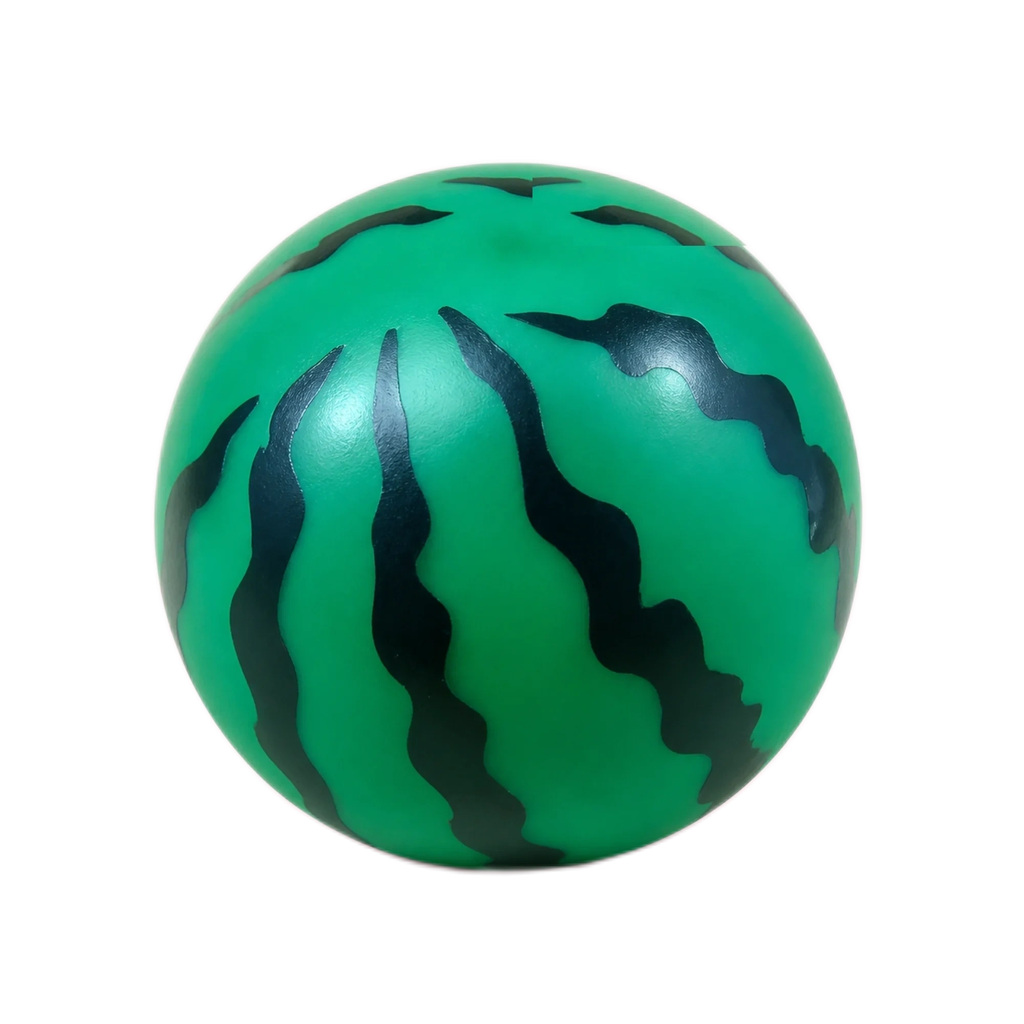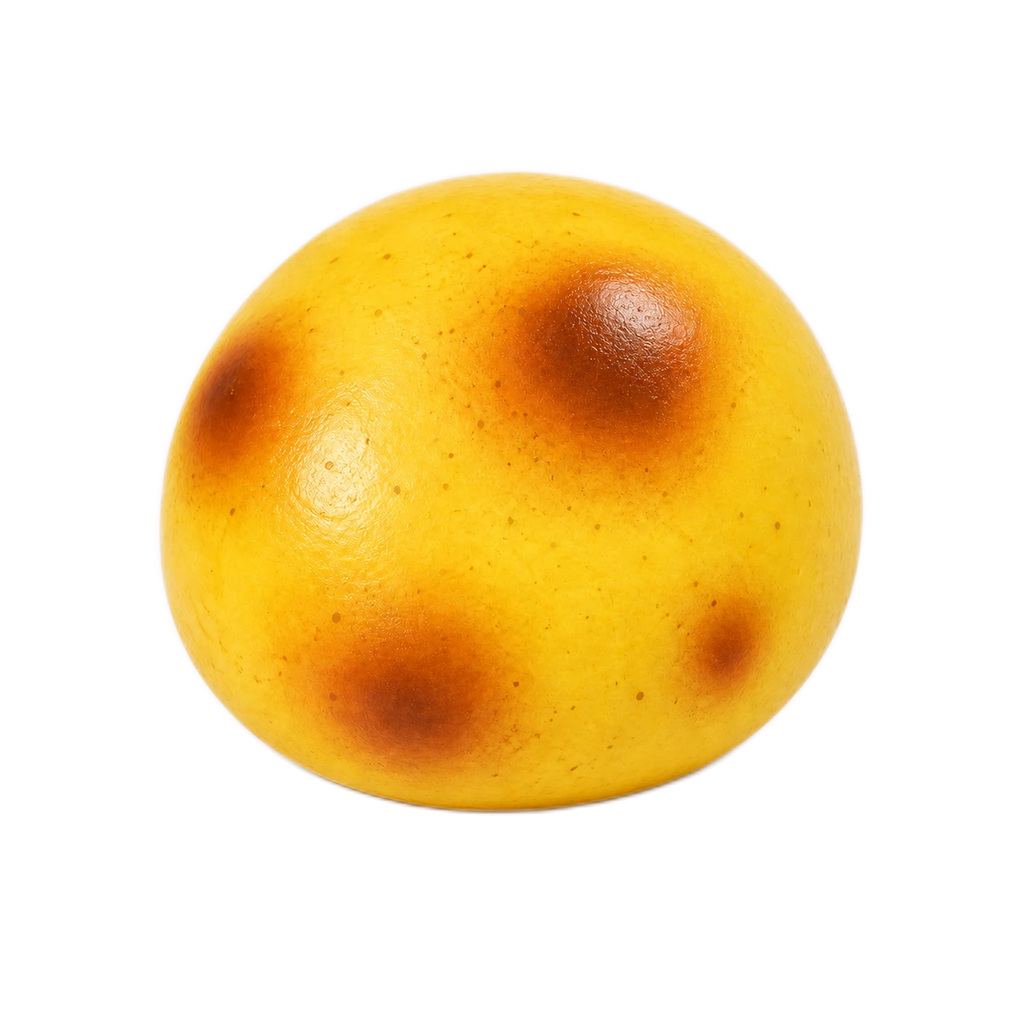
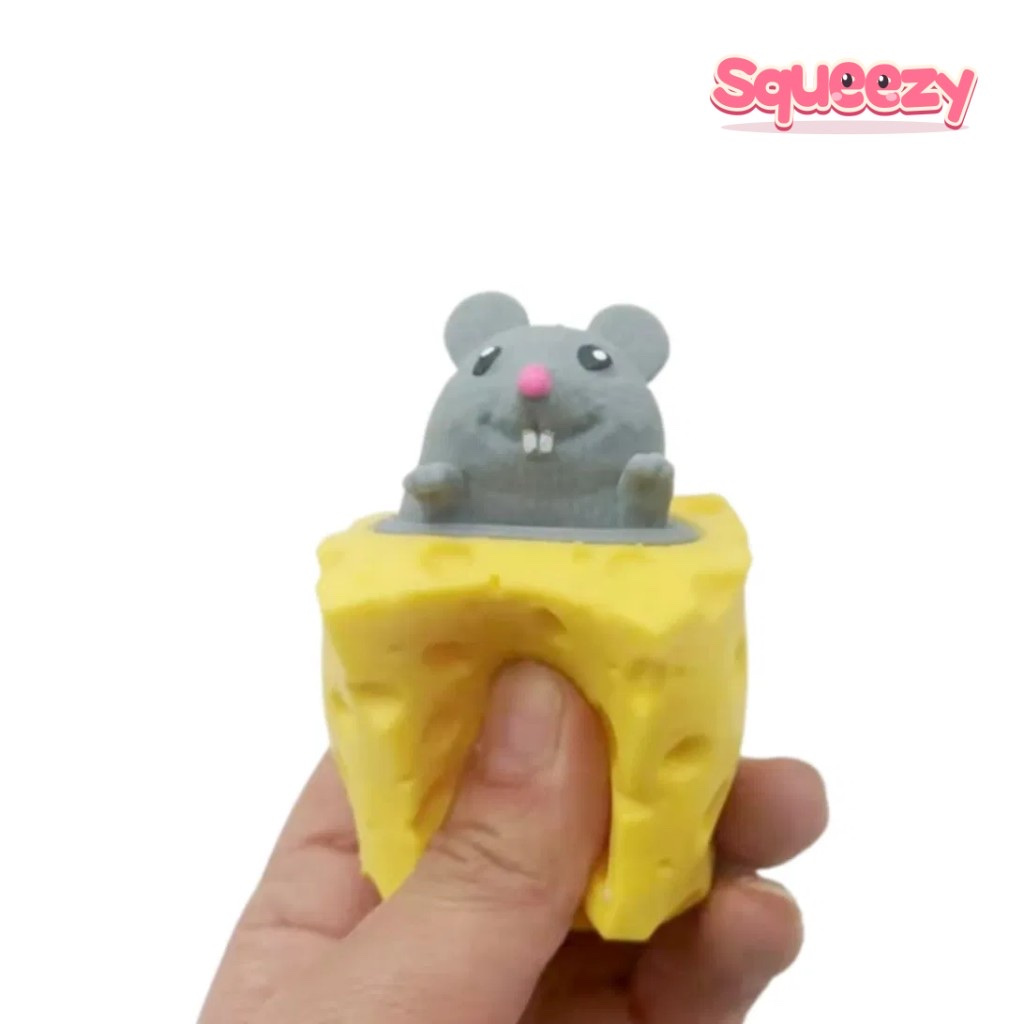
 Cheese Squishy
 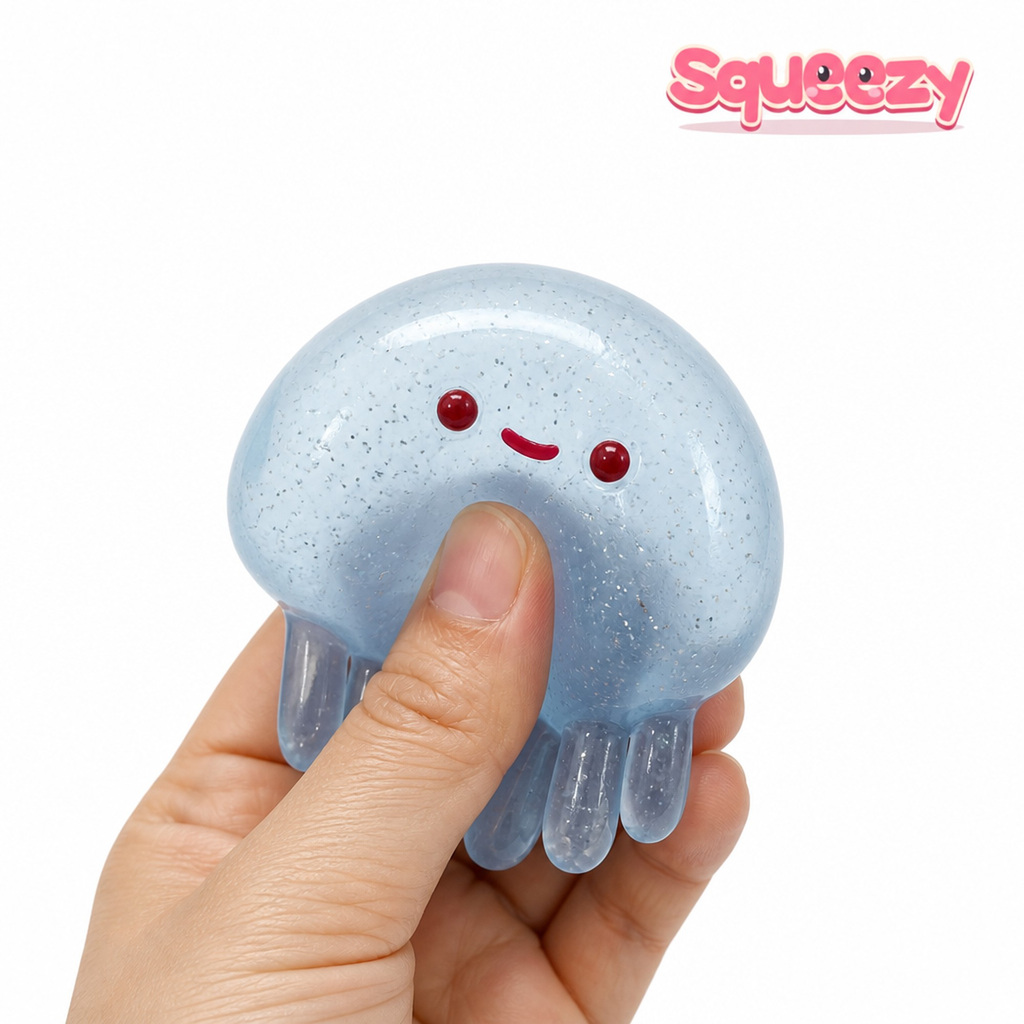 Jellyfish Squishy
 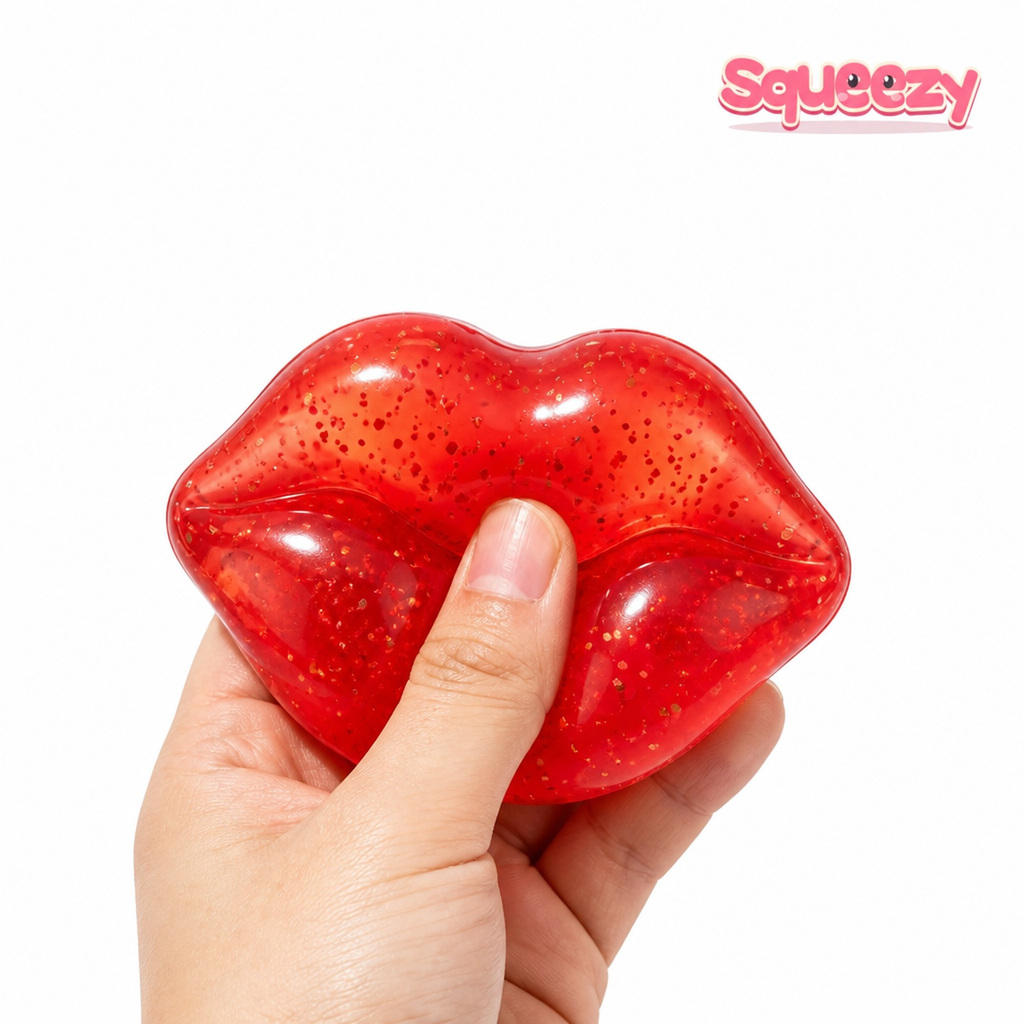 Jumbo Lips Squishy
 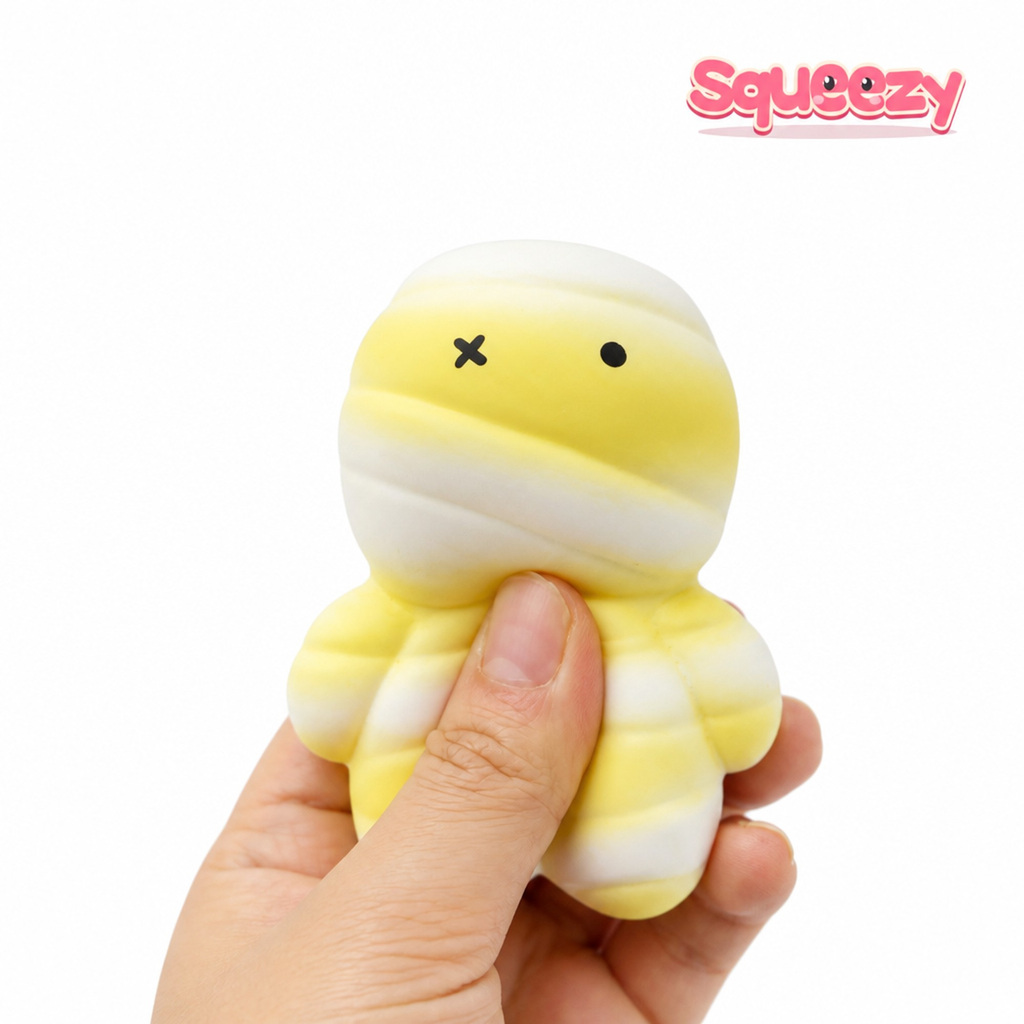 Mummy Squishy
 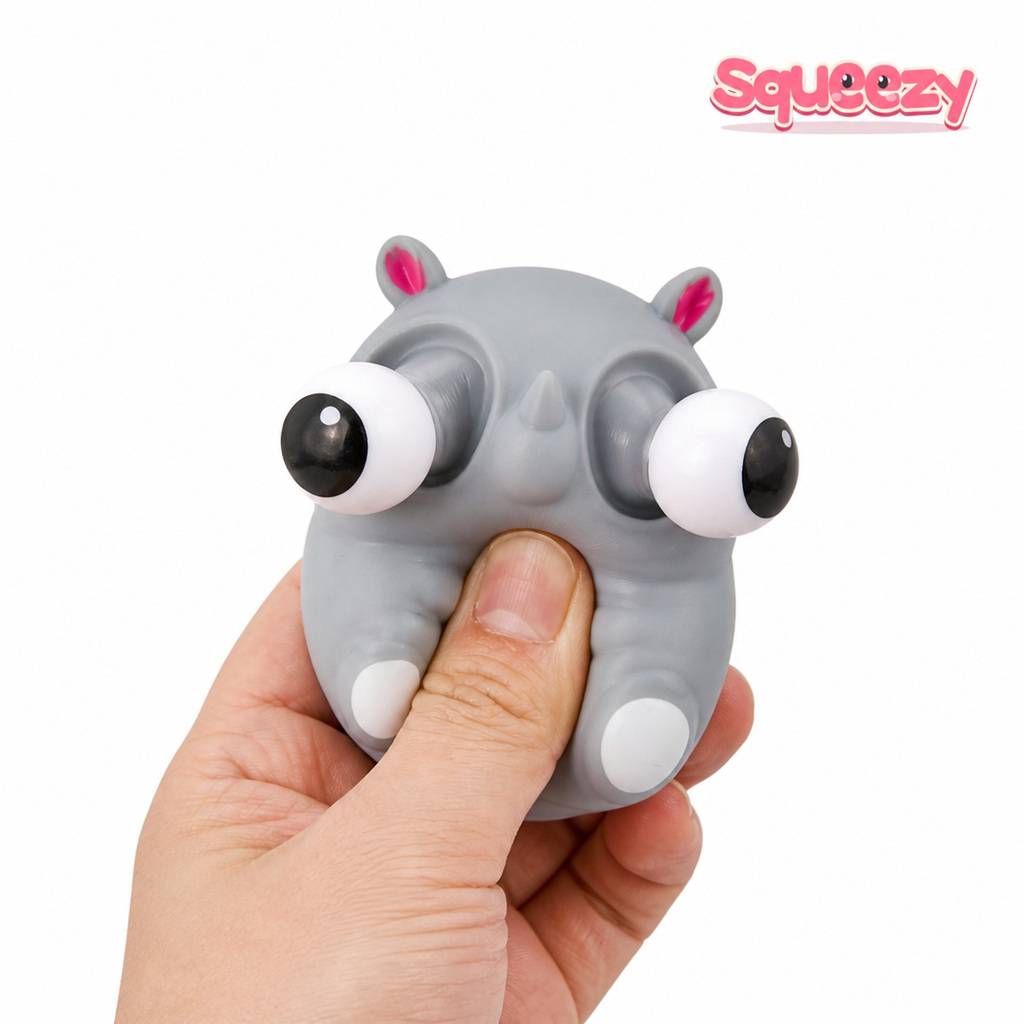 Pop-Eye Rhino
 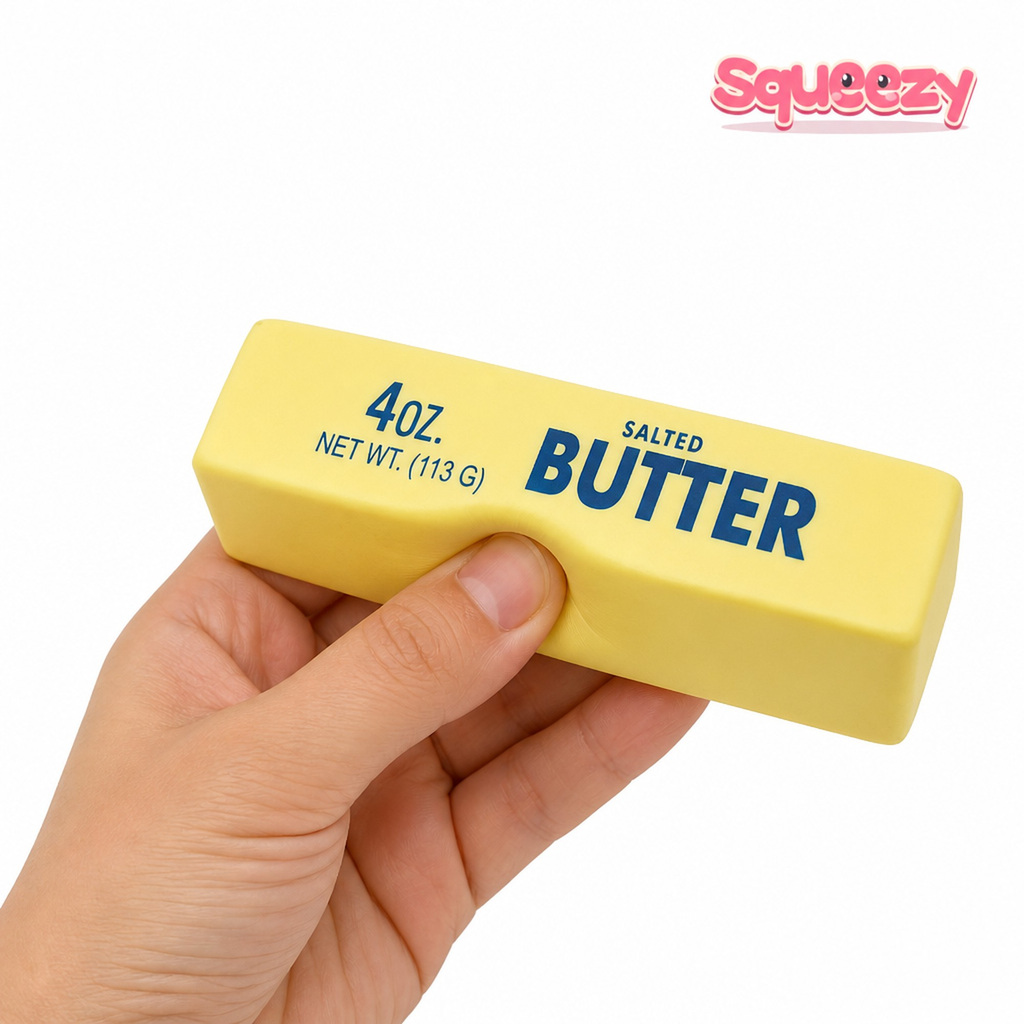 Salted Butter Stick
 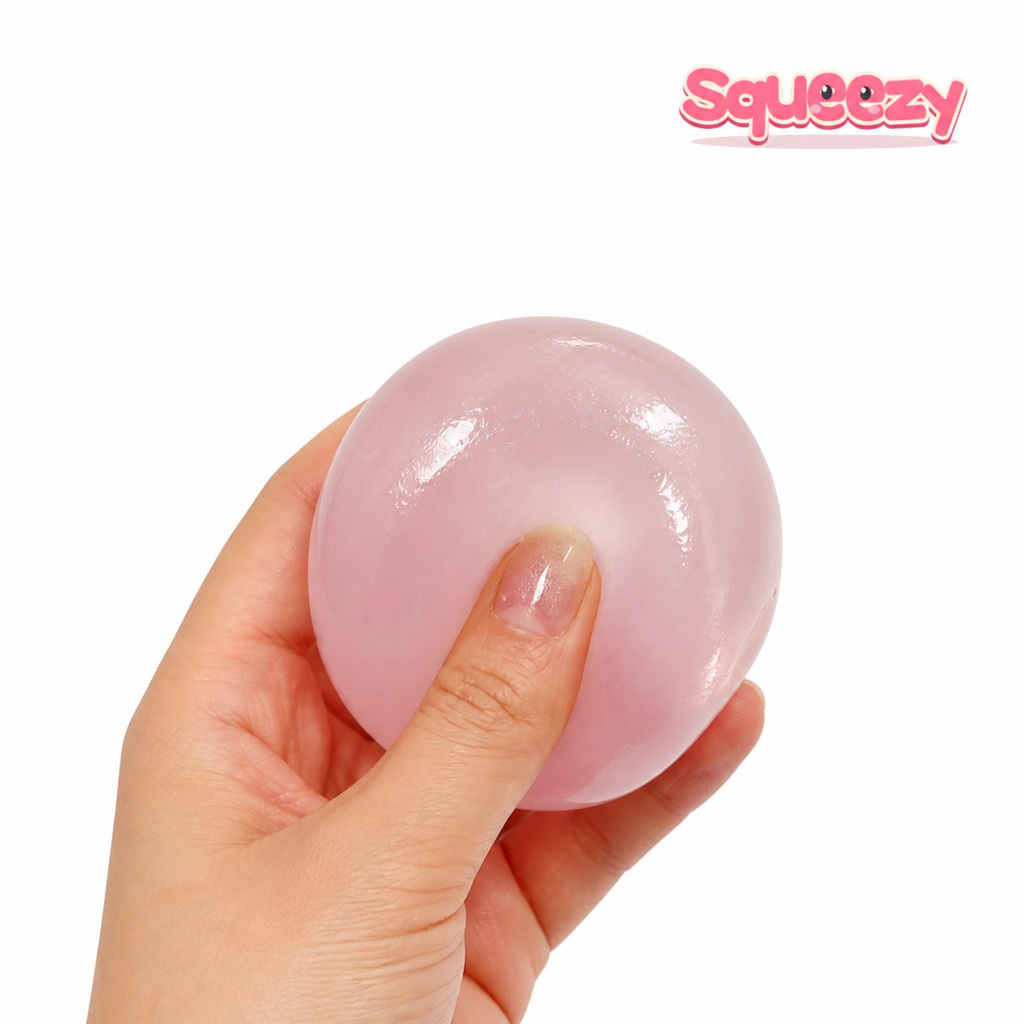 Pink Lychee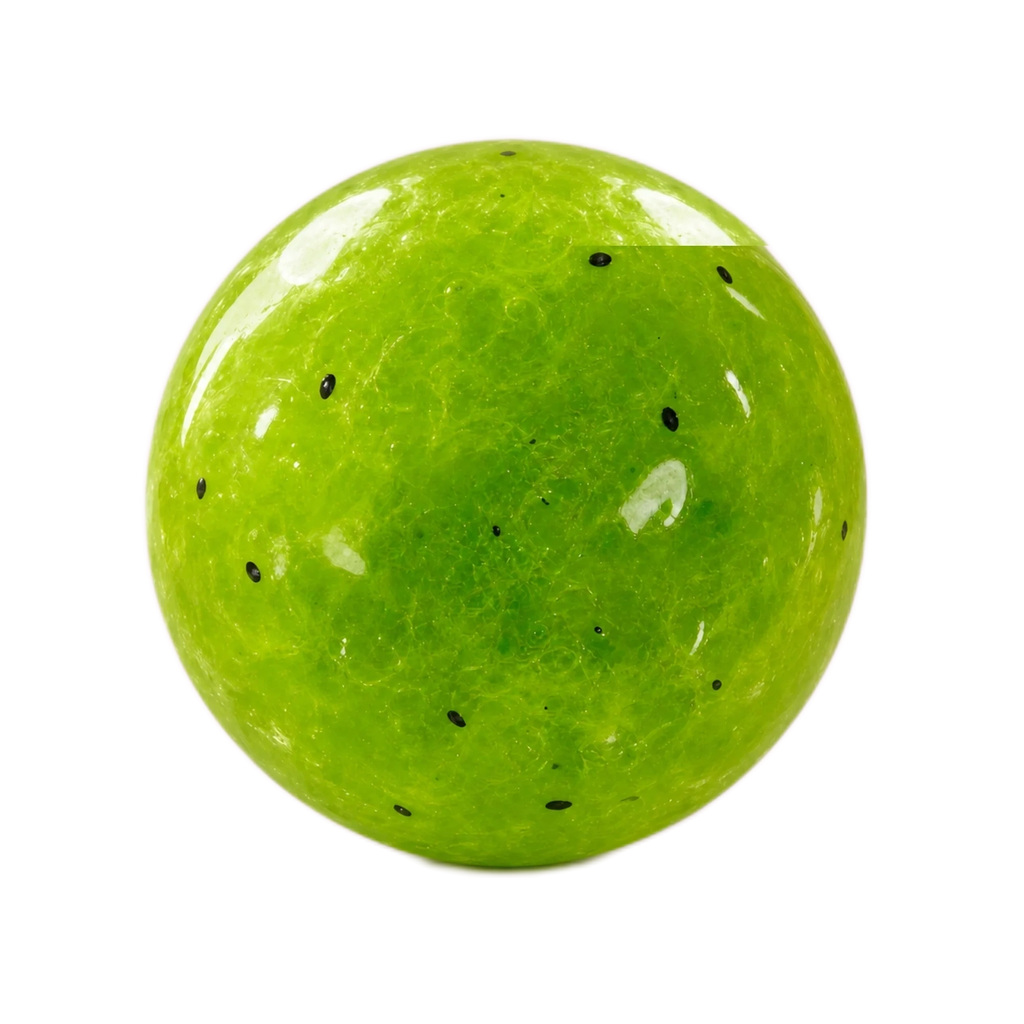
Here is how to make a stress ball with a balloon: put a funnel in its neck, add dry rice gradually, leave room to tie it, and cover the filled balloon with another balloon. Read the safety checks before starting. This is an adult craft project, with instructions for filling and fixing problems rather than a promise of a particular squeeze or lifespan.
Check the balloon and filling before you start
Keep the supplies and finished project away from small children. CPSC’s toy safety advice says to keep deflated balloons away from children younger than eight and follow the package’s age and safety warnings. That warning does not make a homemade ball suitable for an eight-year-old. An adult should handle the filling, scissors and knots, and supervise any handling by an older child. Keep everything out of the mouth; collect and discard broken balloon pieces immediately.
Check the balloon packaging for its material. ACAAI lists balloons among products that can contain natural rubber latex and advises people with latex allergy to avoid latex exposure. If latex allergy is a concern, skip the balloon method. A different outer covering still needs its own material check; a sock or bag is not an automatic guarantee that the whole project is latex-free.
Flour, cornstarch or rice: choose by the project requirements
For a rice stress ball, this guide follows the dry-filling method in Stressballs UK’s balloon tutorial. We have not tested these fillings side by side, so the table separates the recipe we can describe from options we cannot rate for feel, rebound or durability.
| Filling | What to decide before using it | Used in this walkthrough? |
|---|---|---|
| Dry rice | You will need to keep the loose grains contained while filling and discard them if they spill. | Yes: the cited tutorial describes a rice filling. |
| Flour | Most flour is a raw food; the FDA warns against eating it and against children’s raw-dough crafts. | No: use the rice method below instead. |
| Cornstarch | Do not assume another ingredient will work with the same amount or give the same result. | No: this guide has no tested cornstarch recipe. |
| Cornstarch mixed with water | This requires a separate wet-filling recipe and a way to contain a leak. | No: do not add water to the dry-rice instructions. |
The flour caveat matters even when a tutorial calls it a craft ingredient. The FDA explains that most flour has not been treated to kill bacteria. It also warns against letting children use raw dough for crafts or play clay because they may put their hands in their mouths. This guide does not recommend a flour-filled ball or raw-flour play dough as a children’s activity.
How to make a stress ball with a balloon, step by step
Gather three round balloons, dry rice, a funnel, a spoon, scissors and a tray. The three-balloon covering follows the merchant tutorial above; the tray, gradual stopping checks and troubleshooting below are our practical adaptations, not tested performance claims.
- Prepare the tray. Keep all the supplies inside it and inspect the balloons for visible damage. Set aside any damaged balloon.
- Fit the funnel. Gently stretch the opening with your hands and pull it over the funnel’s narrow end. Hold the join in place. Do not blow into the balloon or put the funnel in your mouth.
- Add rice gradually. Spoon in a little at a time. Pause to tap the funnel gently if grains stop moving. Avoid forcing a pencil, scissors or another sharp tool through the opening.
- Leave room for the knot. Stop filling while you can still gather and tie the neck without pulling it tight. If you cannot, remove some rice into the tray and try again. There is no required diameter or measured quantity in these instructions.
- Tie the first balloon. Remove the funnel over the tray, hold the neck closed, then tie it securely. Check for spilled grains before continuing.
- Cover the knot. An adult can remove the unfilled balloon’s neck with scissors, then pull its body around the filled first balloon. Place the first knot inside this covering. Repeat with the third balloon. Take care not to cut the filled balloon. Extra layers do not establish a lifespan or make the project safe for young children.
Keep the finished ball over the tray for the first gentle squeeze. If it leaks, splits or sheds pieces, stop using it, discard the damaged project and clear away the filling and balloon fragments.
Troubleshooting: change the step, not the amount of force
| What happens | What to try next |
|---|---|
| Rice stops at the funnel neck | Stop adding rice, lift the funnel slightly and tap it gently. Try a smaller spoonful; do not jab through the neck. |
| You cannot tie the balloon | Remove some filling into the tray. Keep removing small amounts until you can tie it without stretching the neck tight. |
| The outer balloon will not fit | Pause and remove some filling from the first balloon before retying it. Do not force a tight covering or cut near the filled ball. |
| A seam opens or grains appear outside | Stop handling it. Discard the damaged project and collect the loose grains and fragments. |
How to make a stress ball without a balloon
For an adult no-balloon craft, put a small amount of dry rice into the toe of a clean sock, then tie the sock above the filling. Keep the knot and the rice contained over a tray. Inspect the fabric and closure before handling it, and discard the project if grains escape. Treat this as a tied pouch, not as a sealed toy or a child-safe alternative.
A zip-top bag is another container you may already have, but a seal or a layer of tape is not a promise that it will stay closed. We do not recommend filling a bag with raw-flour play dough for this project. If avoiding latex matters, verify the materials in every component rather than relying on the absence of a balloon.
When a ready-made toy fits your plan
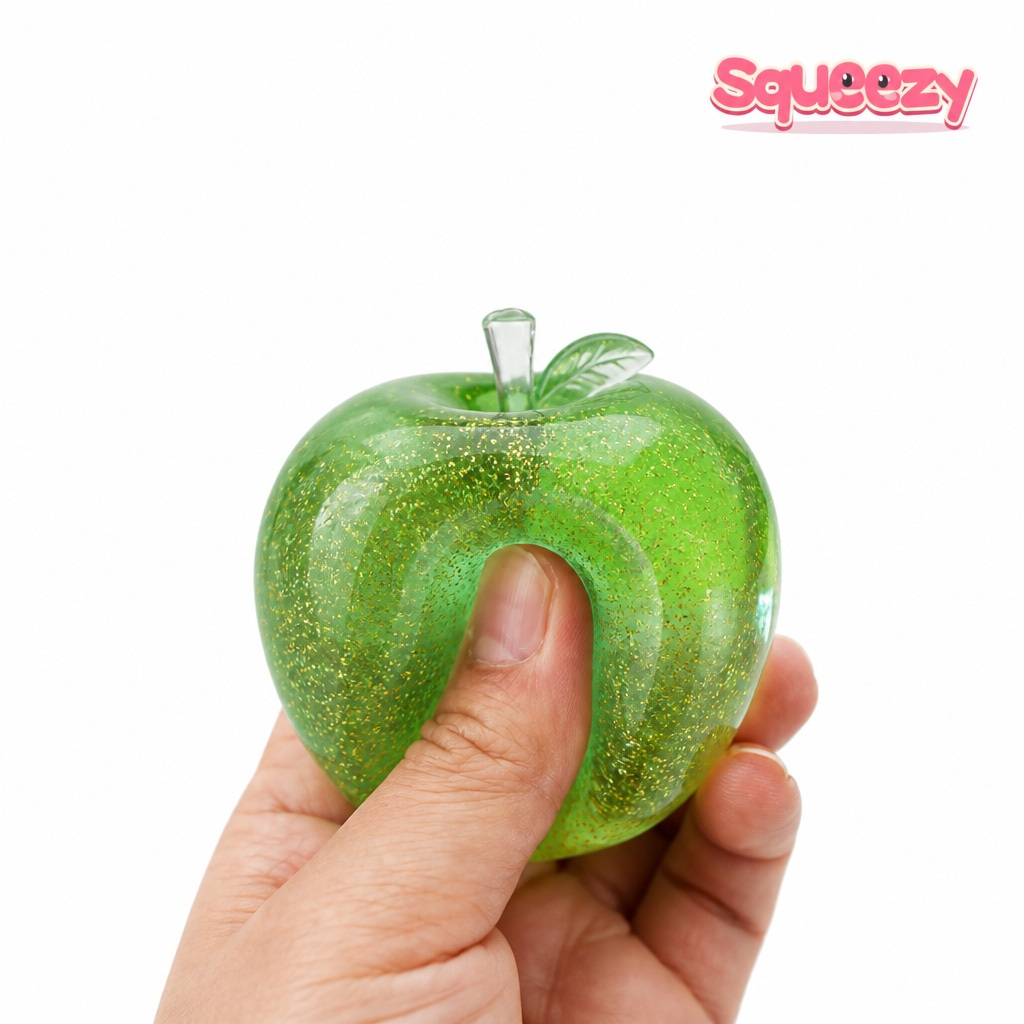
Choose the DIY route if your goal is making the project itself. If you want to choose a finished design instead, the kiwi-style ball pictured here is one current Squeezy listing to inspect. The green product photo is not a photo of this rice-filled DIY project, and it does not establish what the product contains or how long it lasts. Check the individual listing and packaging for the information relevant to your choice; we have not tested it against a homemade ball.
FAQ
What is the best filling for a balloon stress ball?
There is no tested winner in this guide. Dry rice is the filling used in the sourced walkthrough. Choose it if you want to follow those dry-filling steps; do not use this article as a ranking of softness or rebound.
Is a stress ball with flour or cornstarch better?
We have not tested a stress ball with cornstarch against one filled with flour. Flour also needs the FDA’s raw-food cautions, and raw-flour dough should not be used for children’s crafts. The walkthrough above uses dry rice and gives no flour or cornstarch recipe.
How do you make a stress ball without a balloon?
For the adult alternative described above, tie a small amount of dry rice into the toe of a sock and inspect the closure before handling. It can still spill. Check all materials separately if latex allergy is a concern.
How long do balloon stress balls last?
We cannot give a lifespan without testing the particular balloons and construction. Inspect yours before handling it and stop at any tear, leak or loose piece. The cited tutorial uses three balloons. We have no test data establishing how many days a DIY ball will last.