 Cheese Squishy
 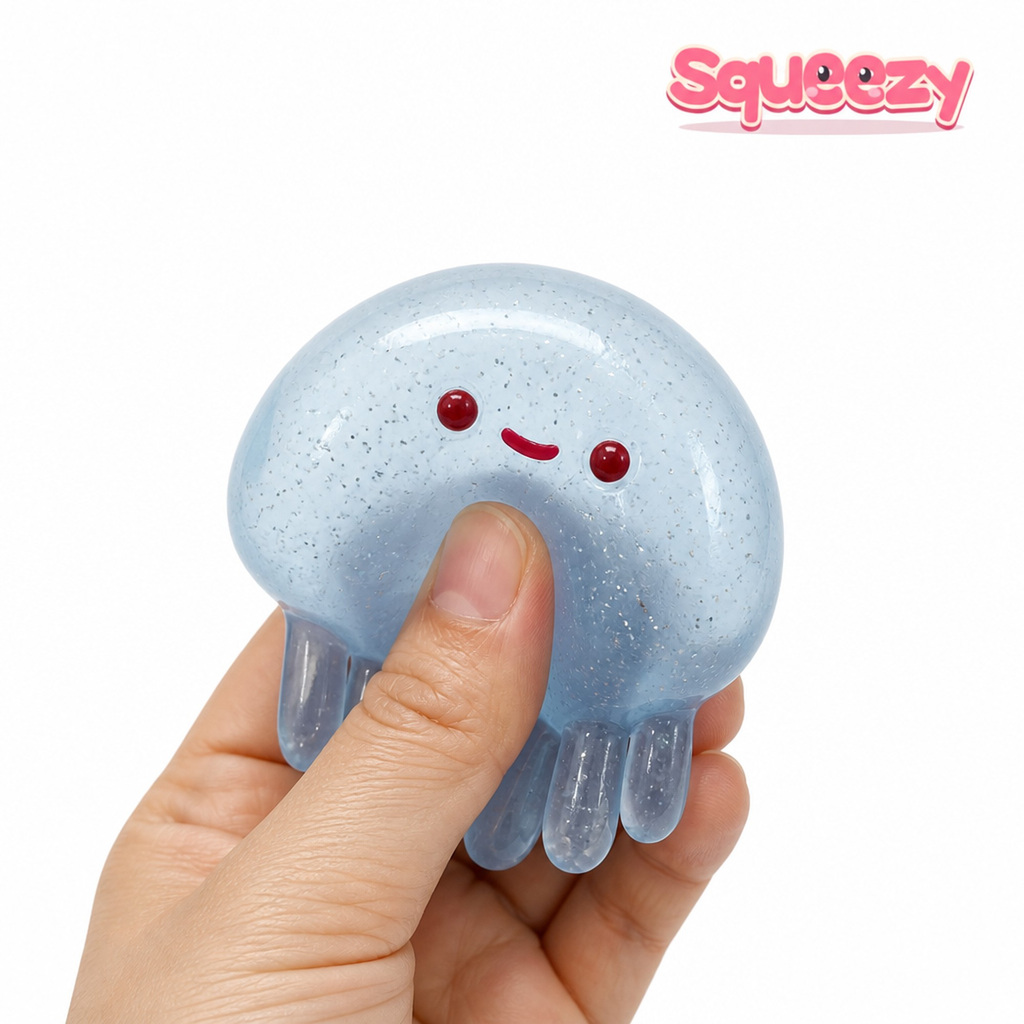 Jellyfish Squishy
 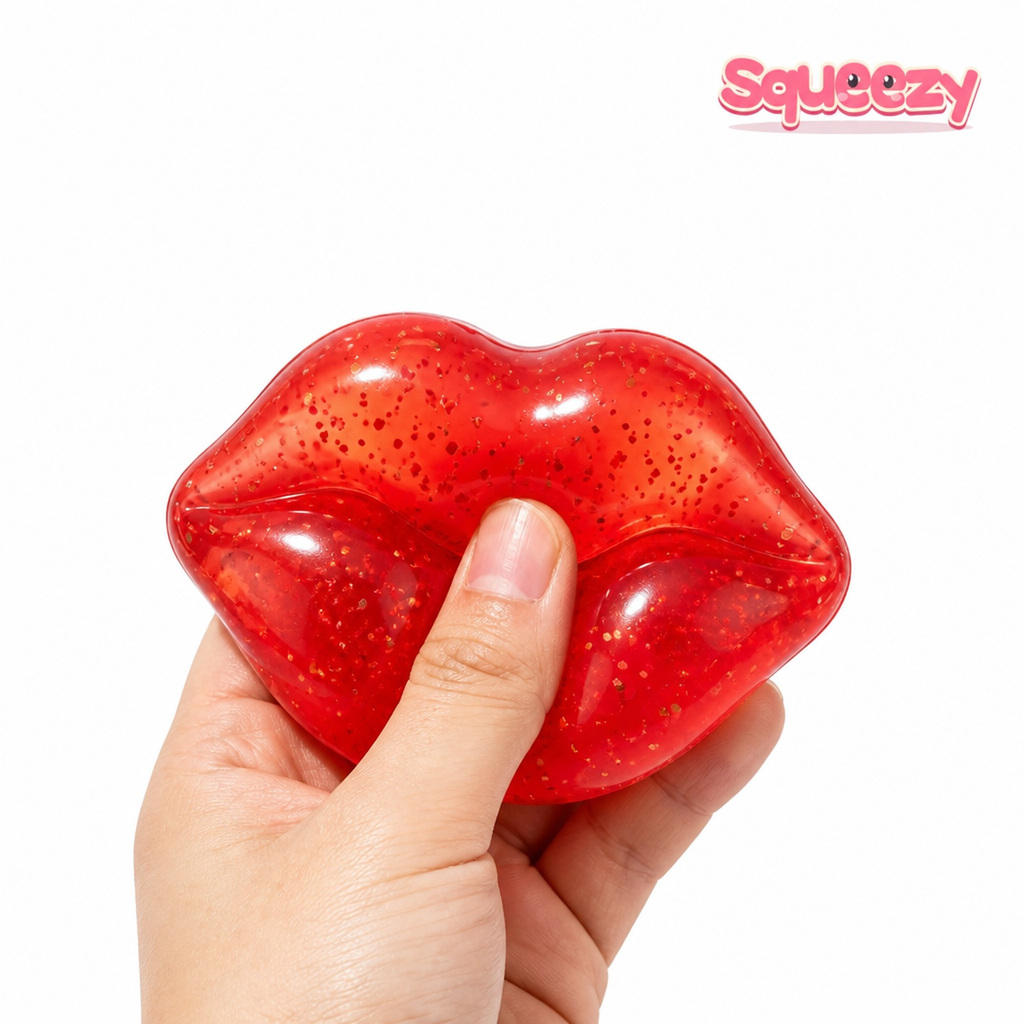 Jumbo Lips Squishy
 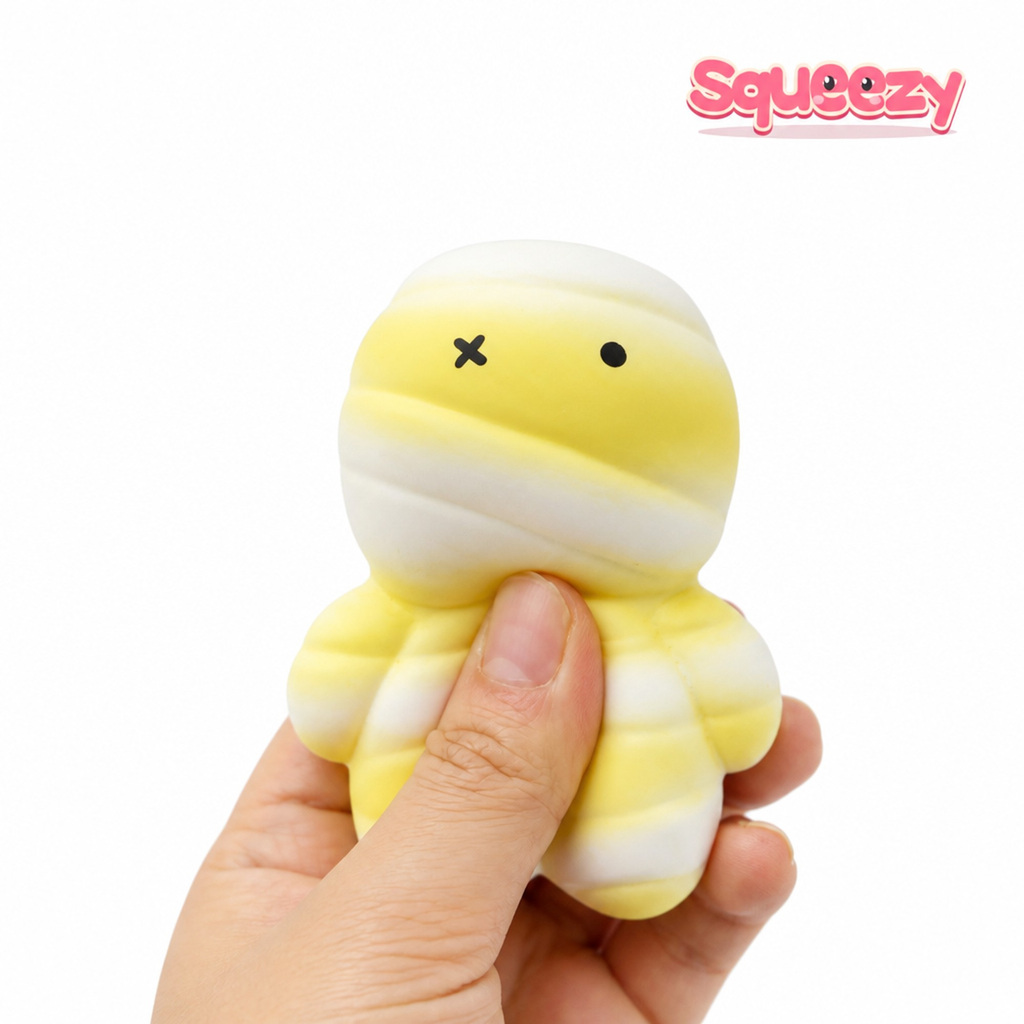 Mummy Squishy
 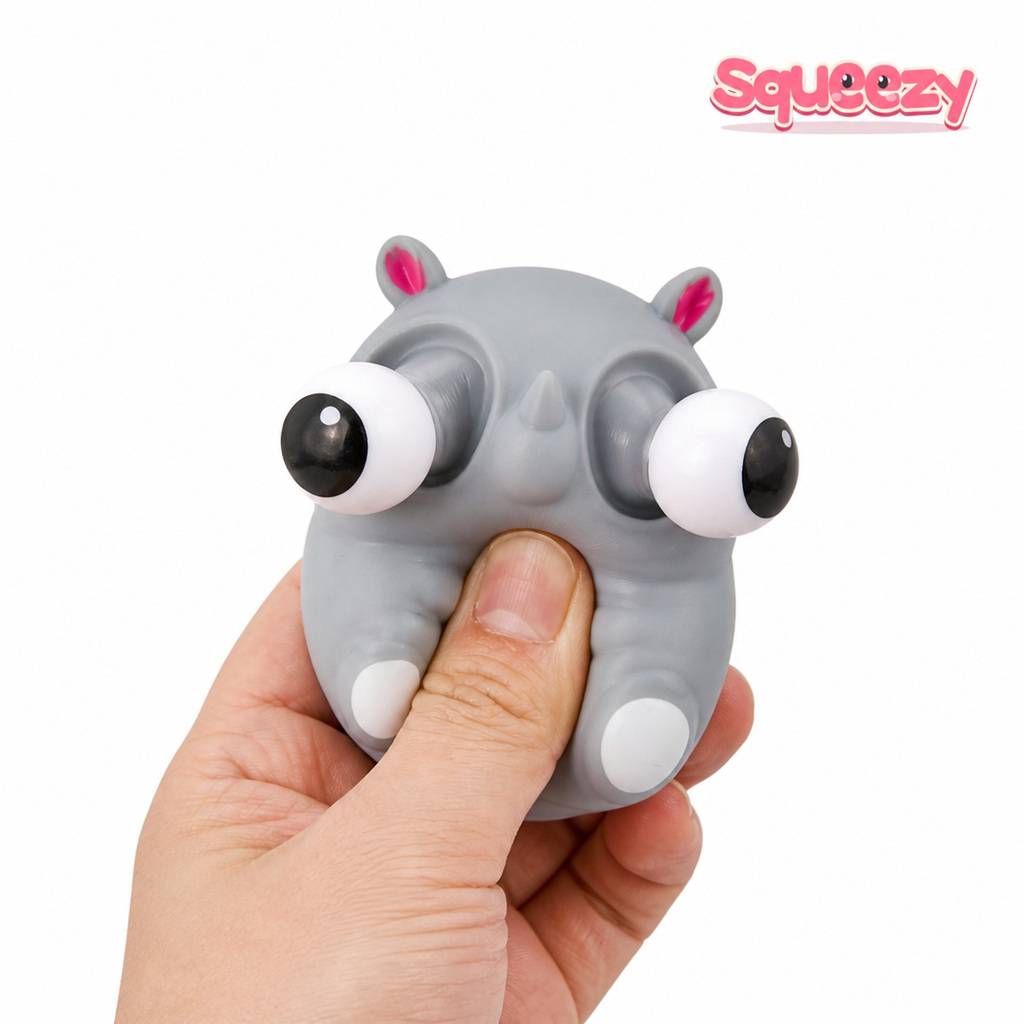 Pop-Eye Rhino
 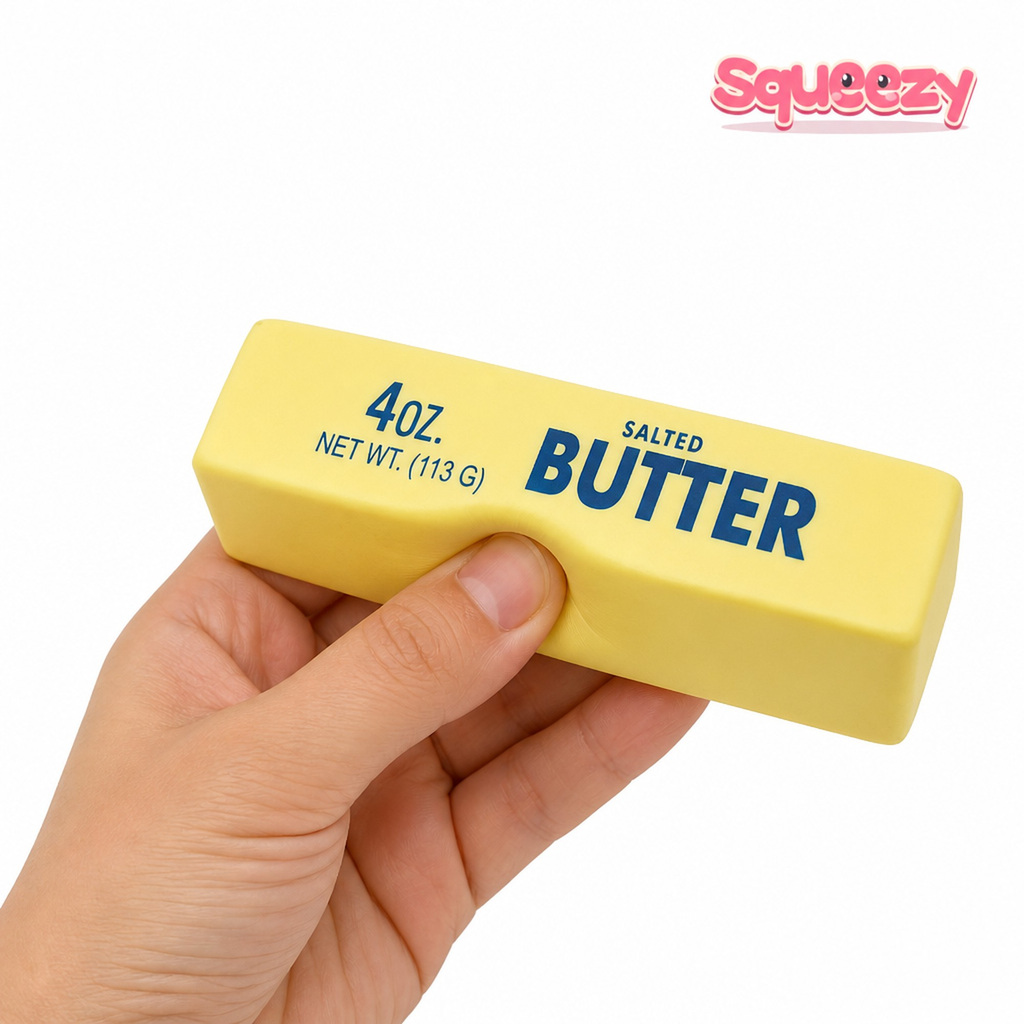 Salted Butter Stick
 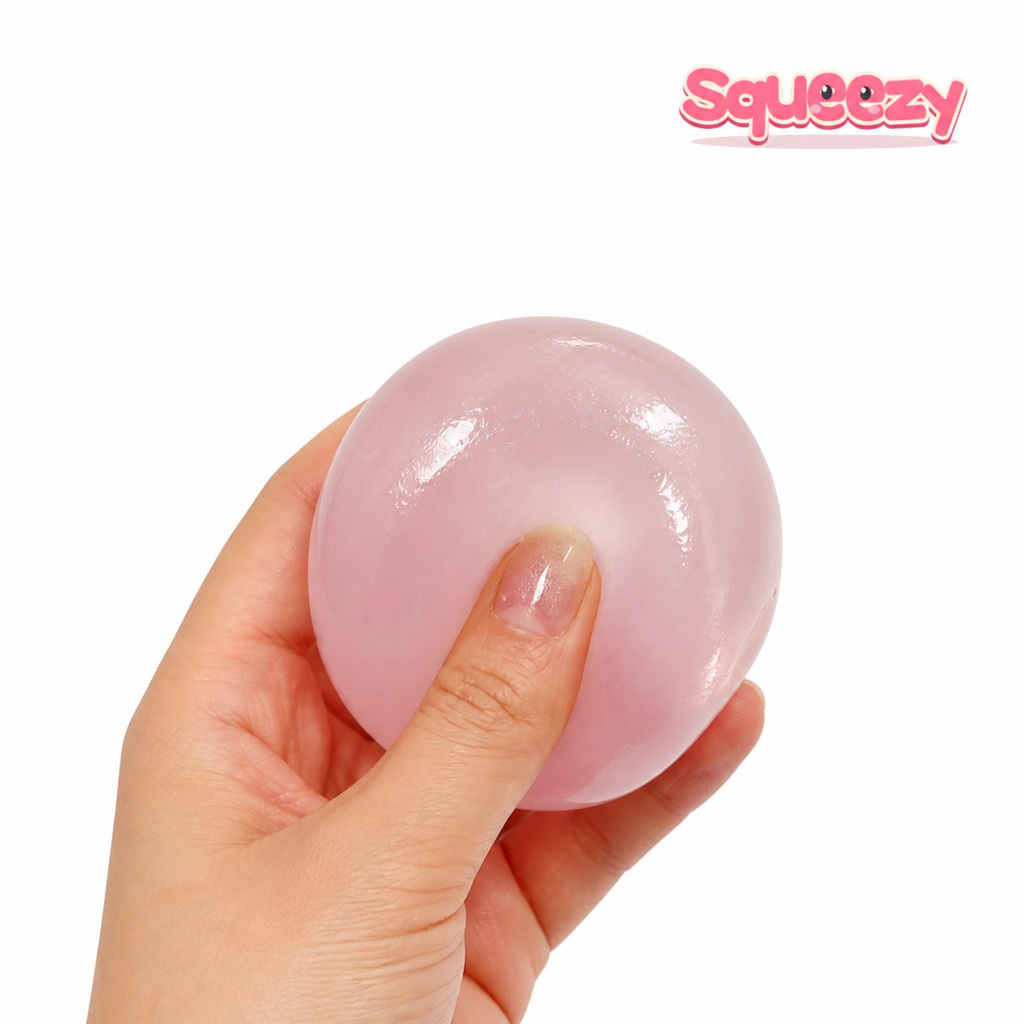 Pink Lychee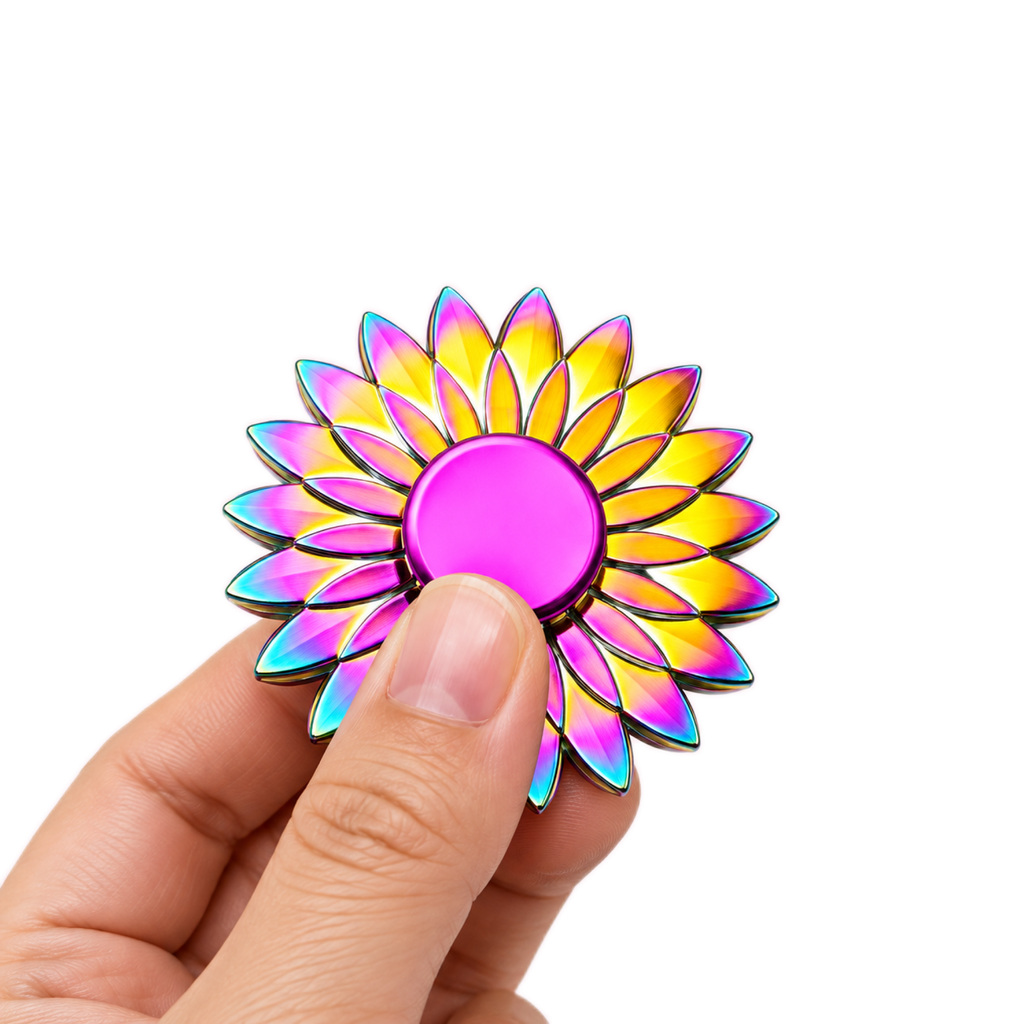
Is a metal fidget spinner better than a plastic one?
It depends on what you want from it, and most listings do not give you enough to compare. A metal fidget spinner and a plastic spinner toy can differ in weight, spin and sound, but only if the listing tells you the material, the weight and the bearing. Many do not. Before choosing, it is worth learning which words on a listing describe the material and which only describe the look.
We sell a small range of spinners, rings and a spinner pen, so we went through our own listings to show what that looks like in practice, including the gaps.
Four words that sound like a material but may not be
| Word on the listing | What it usually tells you | Example from our range |
|---|---|---|
| metal | The listing is stating the material | Rainbow Metal Fidget Spinner: “A metal fidget spinner with a rainbow finish”; Metal Spinner Pen: “A silver-gray metal spinner pen” |
| metallic | A colour or finish; the material may not be stated | Metallic Purple Blue Fidget Spinner: “Purple-blue metallic three-arm fidget spinner” (no material named) |
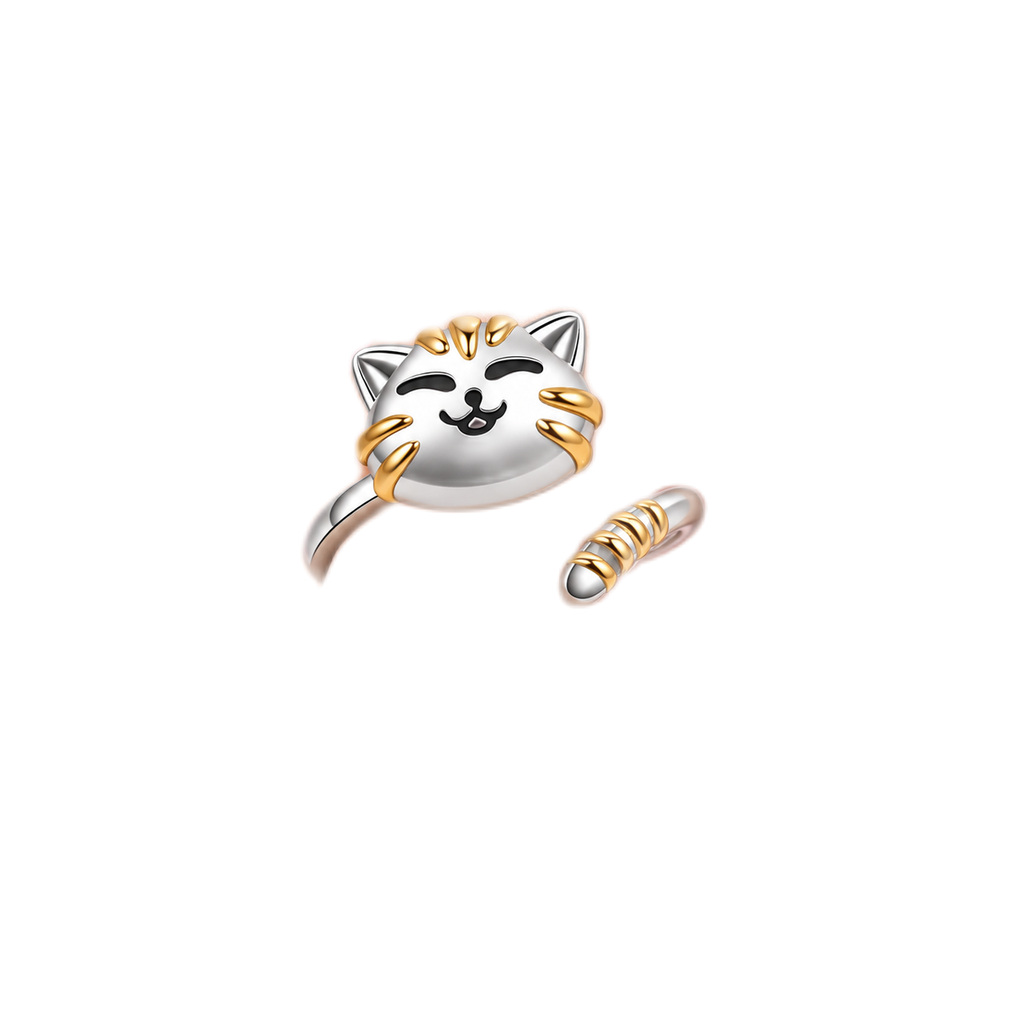
| silver-tone, gold-tone | A colour description, not a metal grade | Rainbow Bead Spinner Fidget Ring: “An open silver-tone fidget ring” |
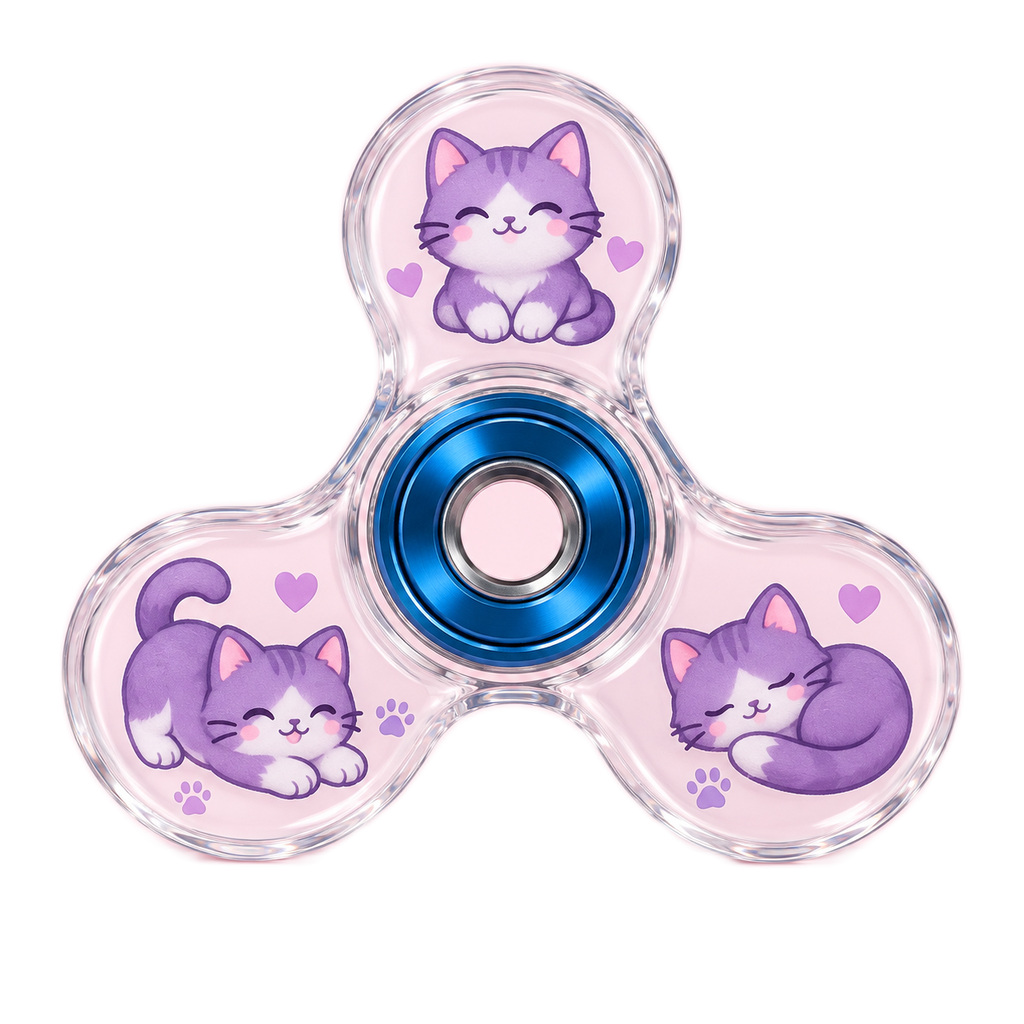
| acrylic, hard-plastic | A named plastic | Purple Cat Acrylic Fidget Spinner: “A transparent acrylic fingertip spinner”; Pink Purple Dragon Finger Spinner: “hard-plastic” |
The trap is the second row. “Metallic” in a product name reads like “metal”, but it is describing a finish. If metal matters to you, look for the plain word “metal” in the description, not just a shiny photo.
What our spinner listings record, and what they leave out
Here is what six of our hand-spinner listings actually record for weight, size and bearing, as of September 30, 2026:
| Listing | Material stated | Weight | Size | Bearing mentioned |
|---|---|---|---|---|
| Pink Bunny Finger Spinner | not stated | 18 g | compact finger spinner | no |
| Pink Petal Glitter Spinner | not stated (translucent) | 15 g | compact finger spinner | “clear center bearing” |
| Pink Sprinkle Donut Spinner | not stated | 15 g | compact finger spinner | “clear center bearing” |
| Purple Cat Acrylic Fidget Spinner | acrylic | 35 g | 3 x 3 x 0.5 in | “blue bearing” |
| Rainbow Metal Fidget Spinner | metal | not recorded | not recorded | no |
| Metallic Purple Blue Fidget Spinner | not stated | not recorded | not recorded | no |
Two honest conclusions come out of that table. First, the heaviest spinner we have a weight for is the acrylic one, at 35 g. Second, we have no recorded weight for either metal-looking spinner, so we cannot tell you from our own data that our metal spinner is heavier. We would rather say that than guess.
None of these six listings state the bearing type (for example steel or ceramic), a spin time, or how loud the spinner is.
Spin time, weight and noise: what you can and cannot infer
Without a stated spin time, you are inferring. A few rules of thumb help, as long as you treat them as rules of thumb:
- Weight on its own is not spin time. Extra weight can help a spinner keep going once it is spinning, but the bearing and how the weight is spread across the arms matter as much. A heavy spinner with a rough bearing can still stop quickly.
- “Bearing” in the listing is a good sign, not a guarantee. It tells you the spinner turns on a bearing rather than a simple pin, but not which kind.
- Noise is almost never listed. If quiet matters, for example at a desk or in a classroom, and the listing says nothing about sound, assume you will only find out once it arrives.
For a direct comparison of two spinners, the listing needs weight, size and bearing type side by side. When any of those is missing, the comparison is a guess.
Rings and pens spin differently
Not everything that spins is a three-arm spinner. Our Fidget Spinners collection holds the hand spinners; our range also has spinner rings and a spinner pen, listed elsewhere, and they work another way:
- Spinner rings rotate a top or roll beads around the band. The Rainbow Bead Spinner Fidget Ring (10 g) has “five colorful beads to roll between your fingers”. The Blue Silicone Sensory Spinner Ring is silicone with raised spikes.
- Spinner pens put the spin in your hand while you hold a pen. The Metal Spinner Pen has “a fingertip spinning point”.
- Light-up pieces such as the Blue LED Fidget Pen, which has “blue LED light”, are worth checking for how they are powered, because the safety advice below names batteries among the small pieces.
Safety: metal and plastic both have small parts
The U.S. Consumer Product Safety Commission’s fidget spinner safety tips do not favour one material. They say: “Keep fidget spinners away from children under 3 years of age”, and “The plastic and metal spinners have small pieces including batteries that can be a choking hazard.” They also note that choking incidents involving children up to age 14 have been reported, and advise warning children of all ages not to put spinners or small pieces in their mouths.
So the material question is about feel and preference, not about which one is safe for a toddler. Neither is.
FAQ
Are metal fidget spinners better than plastic?
Not automatically. A metal fidget spinner toy may be heavier, but spin time also depends on the bearing and how the weight is spread. Compare weight, size and bearing type on the listing; if those are missing, you cannot compare them properly.
Are metal fidget spinners safe?
The CPSC advises keeping all fidget spinners away from children under 3, because both plastic and metal spinners have small pieces that can be a choking hazard. That applies whatever the material.
Is a “metallic” fidget spinner made of metal?
Not necessarily. “Metallic” usually describes the colour or finish. Our Metallic Purple Blue Fidget Spinner listing does not name a material, so we do not claim it is metal.