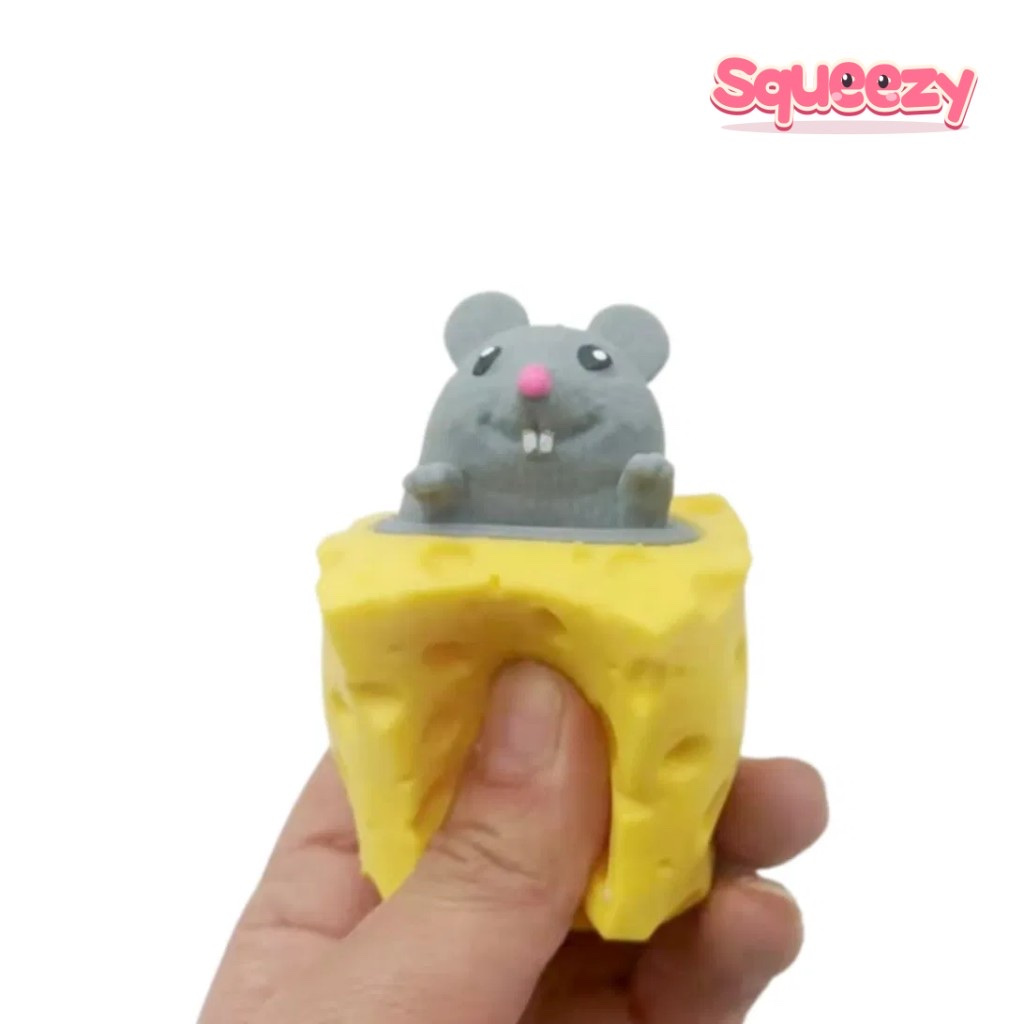
 Cheese Squishy
 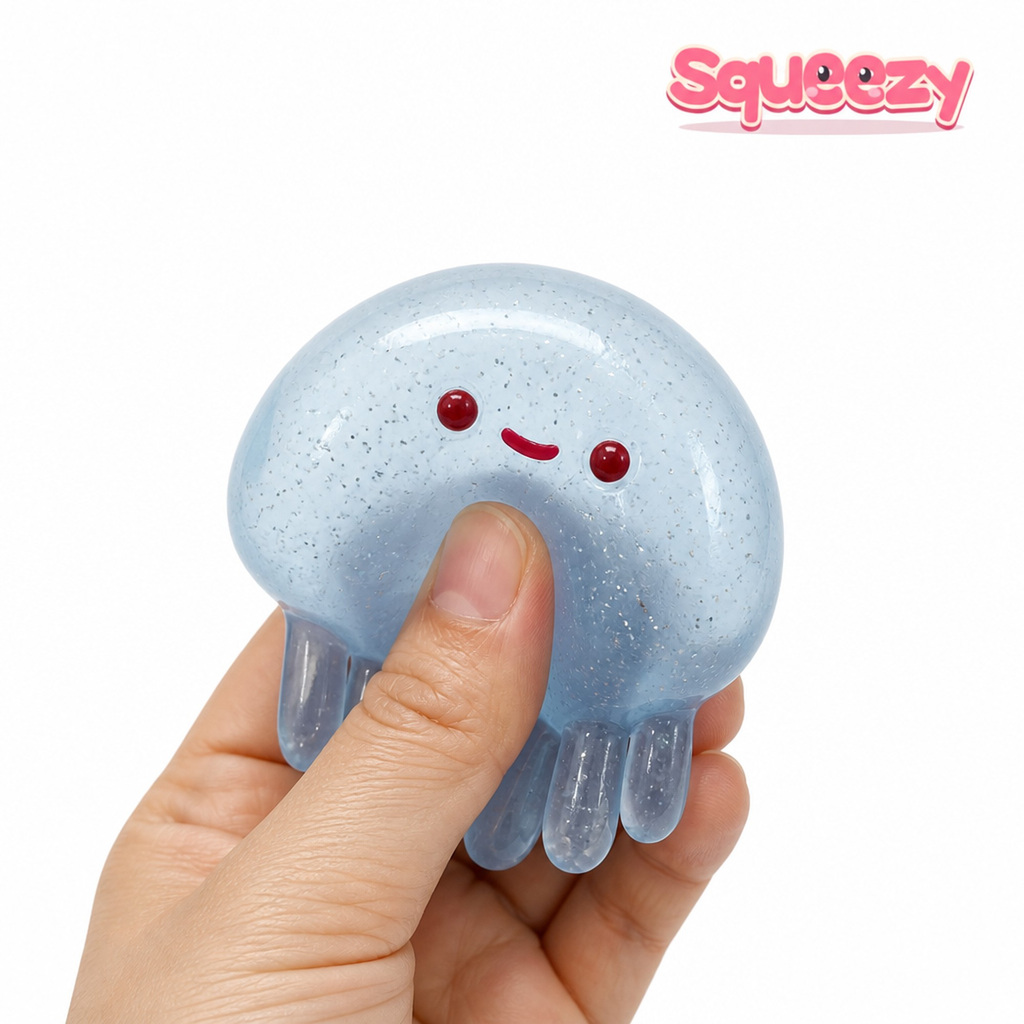 Jellyfish Squishy
 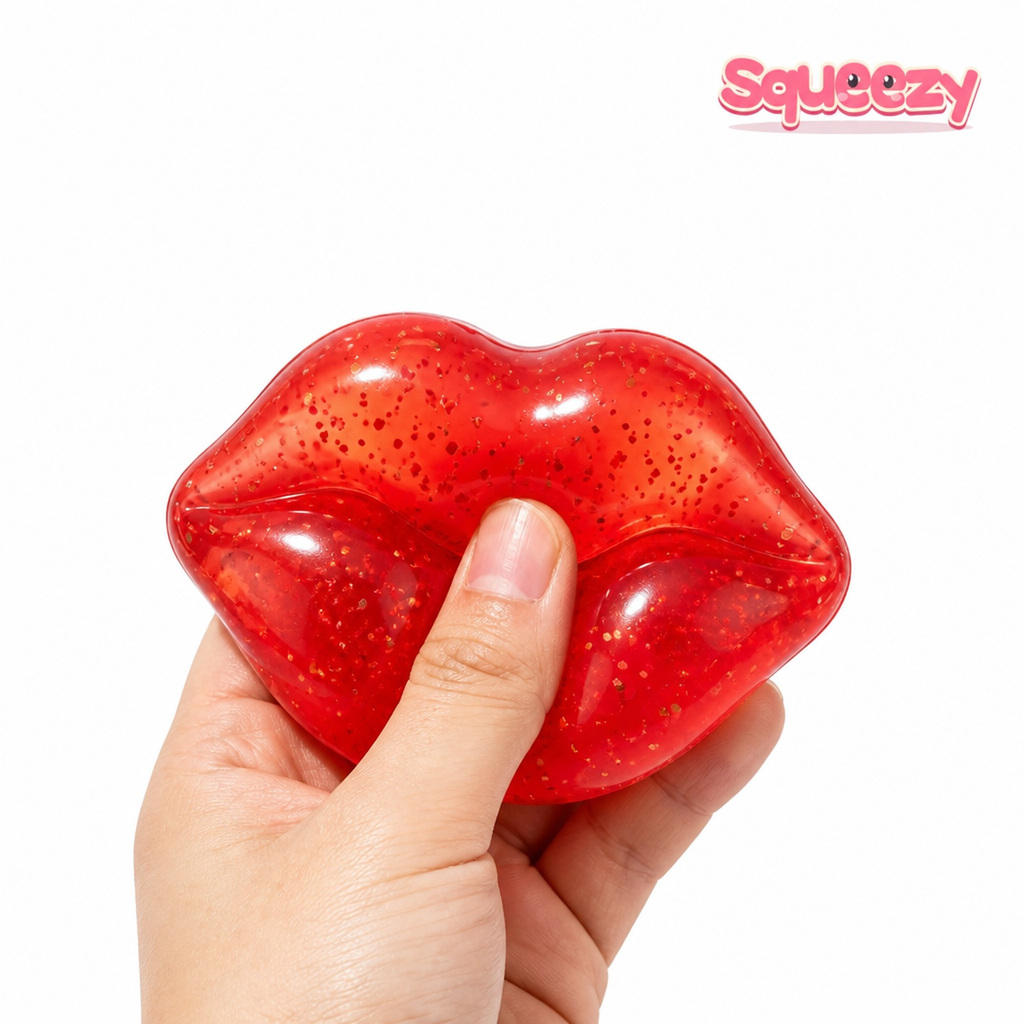 Jumbo Lips Squishy
 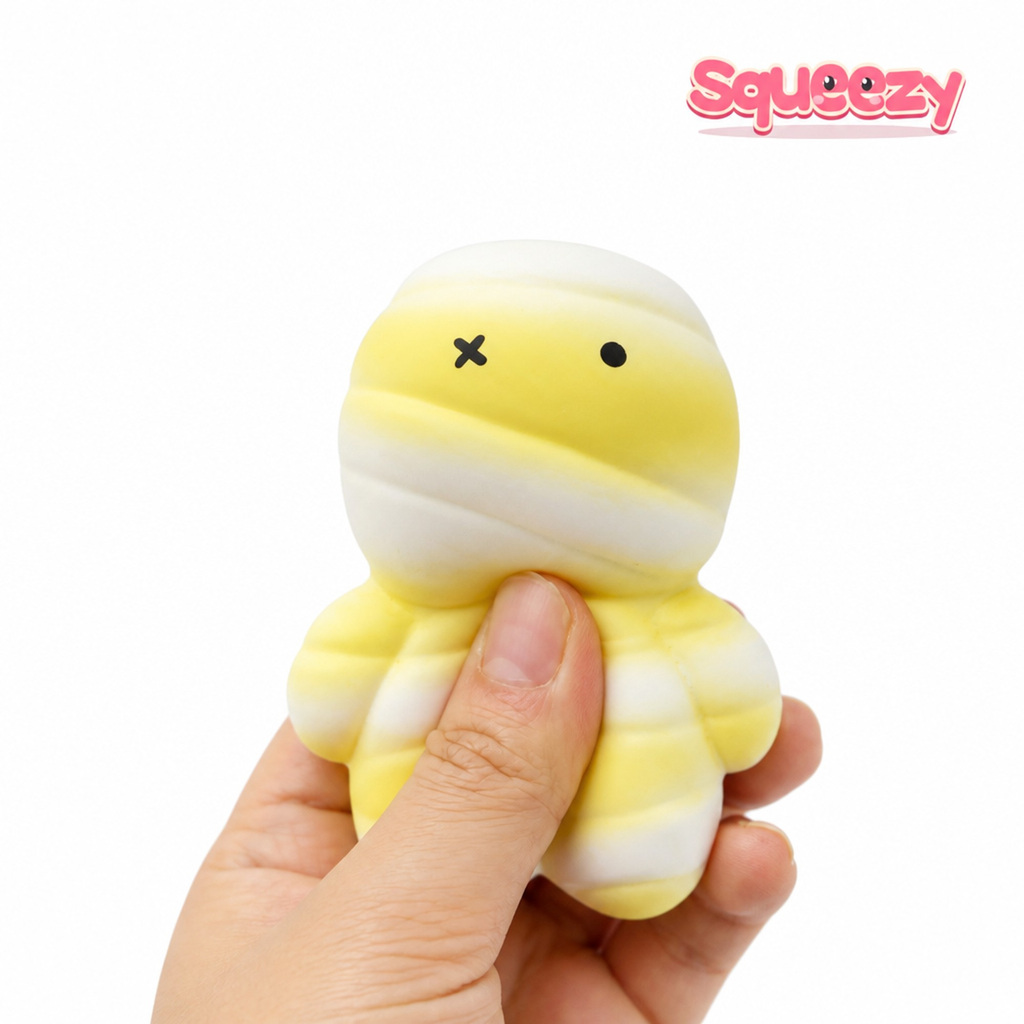 Mummy Squishy
 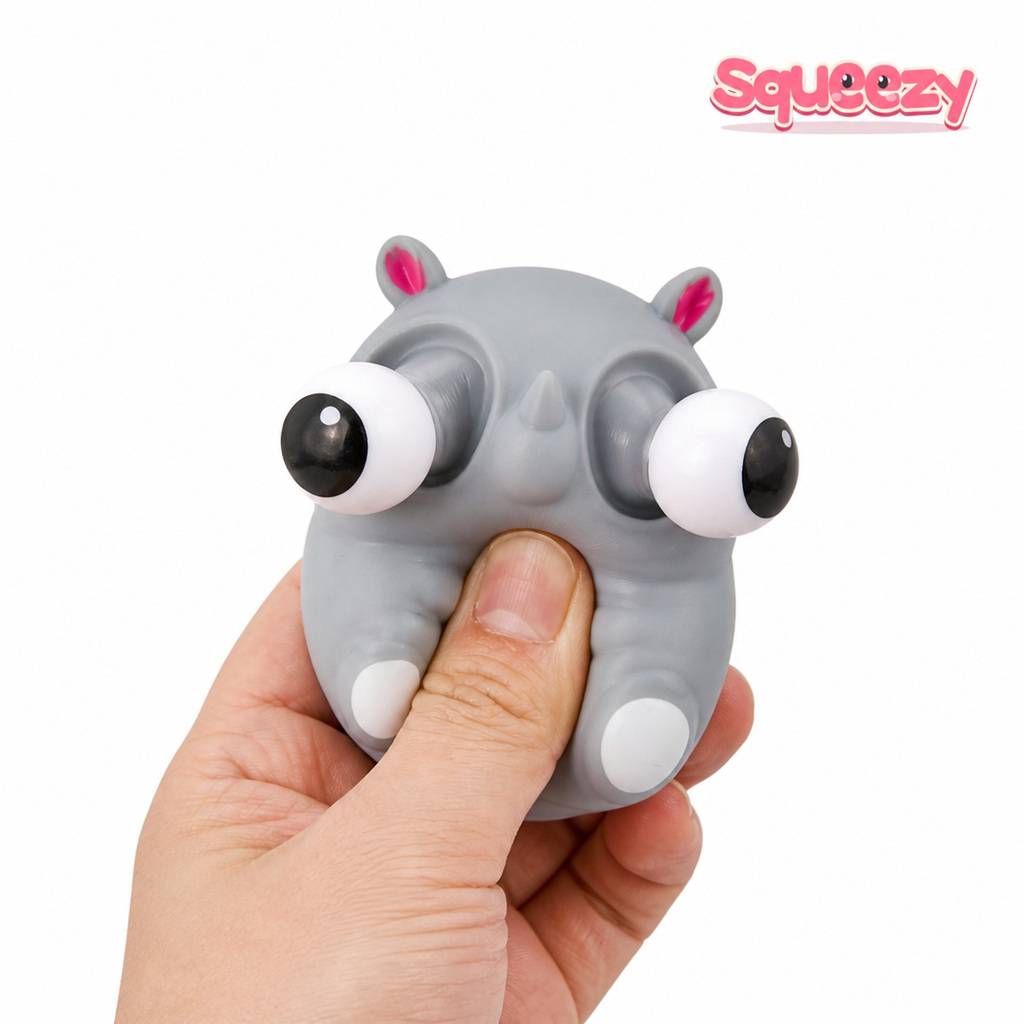 Pop-Eye Rhino
 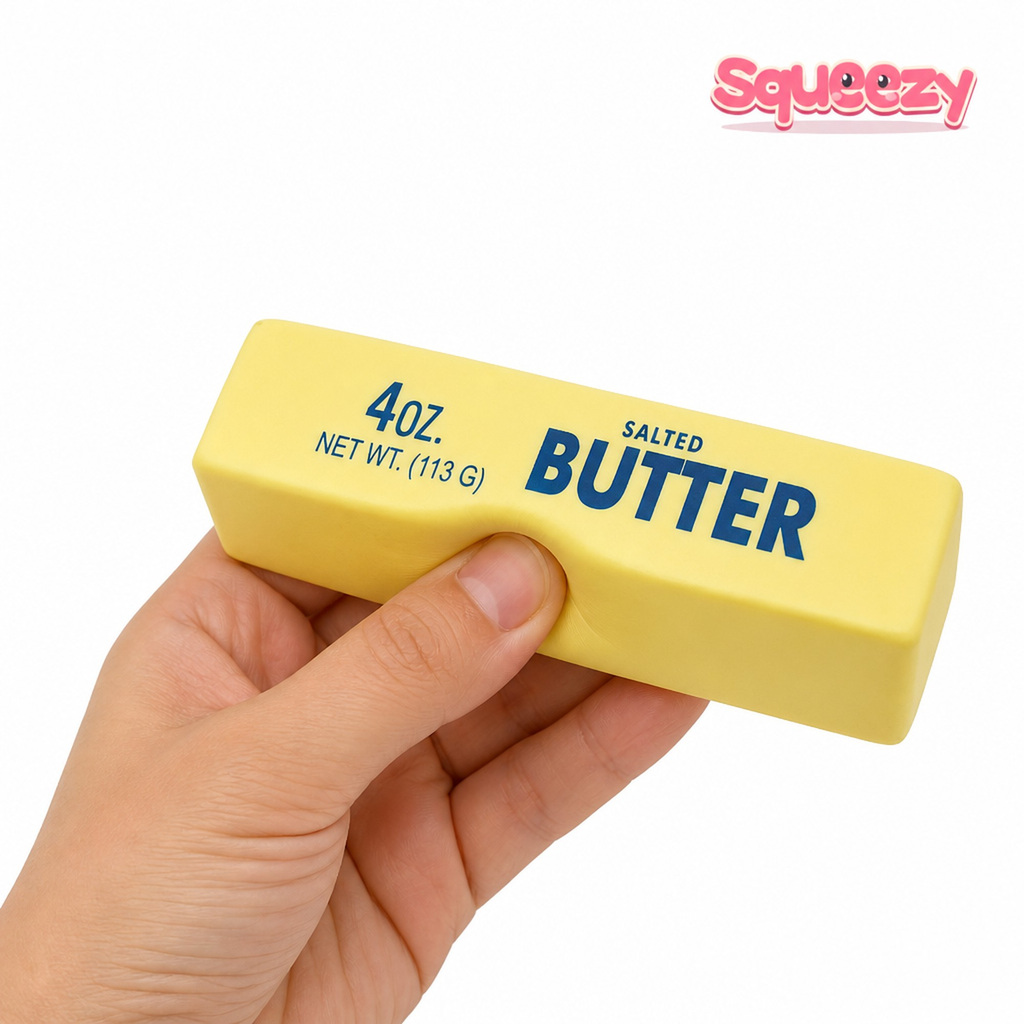 Salted Butter Stick
 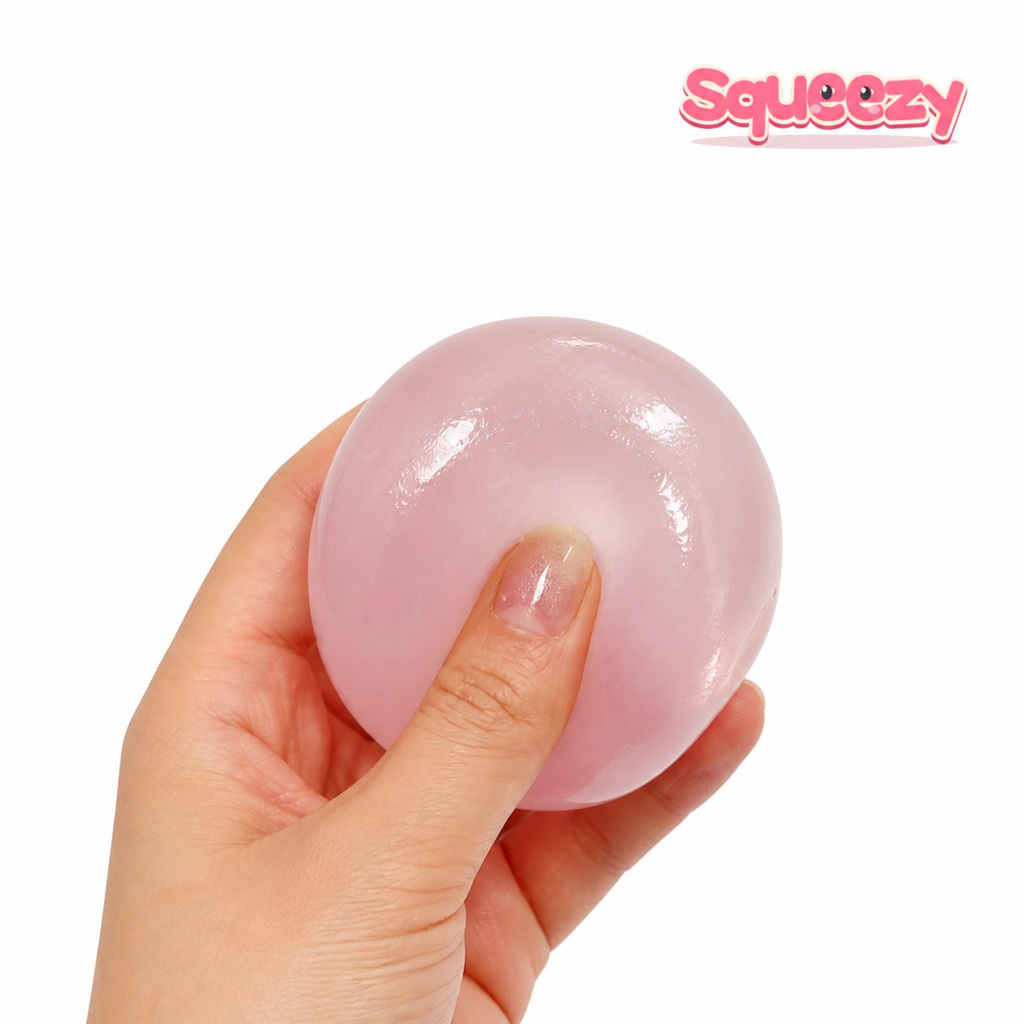 Pink Lychee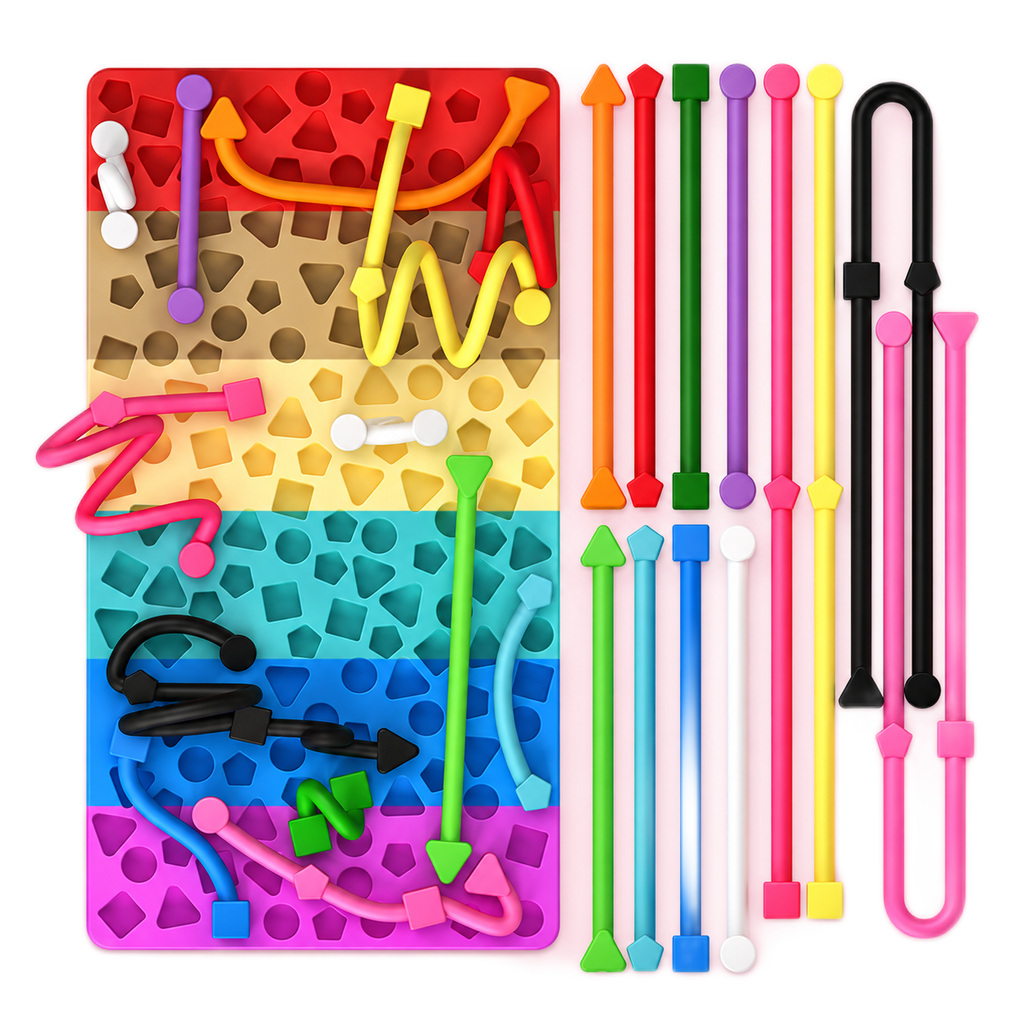
Why texture matters more than shape
Two sensory fidget toys can look alike and feel nothing alike. One is foam that sinks and slowly rises, another is gel that stays cool and a little tacky, a third crunches with beads, and some are not squishies at all. For a small texture set, the useful question is what each toy is filled with or made of, not which animal or food it is shaped like.
We sorted the product text of 113 sensory squishy listings in our shop to see how that plays out on a real shelf: 68 describe a slow-rising squeeze, 15 mention beads and 14 mention gel. In the smaller Sensory Fidget Toys collection, 4 of the 14 items are not squishies at all: a magnetic ball, textured silicone stones, a two-part ring and a rainbow board. So “sensory” covers at least five quite different hand feels.
A texture map of our sensory fidget toys
Each row below quotes or closely follows the product listing. We have not added anything the listing does not say.
| Texture family | What the listing says you feel | Example |
|---|---|---|
| Slow-rising foam | the body “melts down, then rounds itself back out” | Kawaii Blue Jellyfish Squishy |
| Foam with fur | “sinks low and rises back on its own”, with caramel fur | Caramel Tan Cow Squishy |
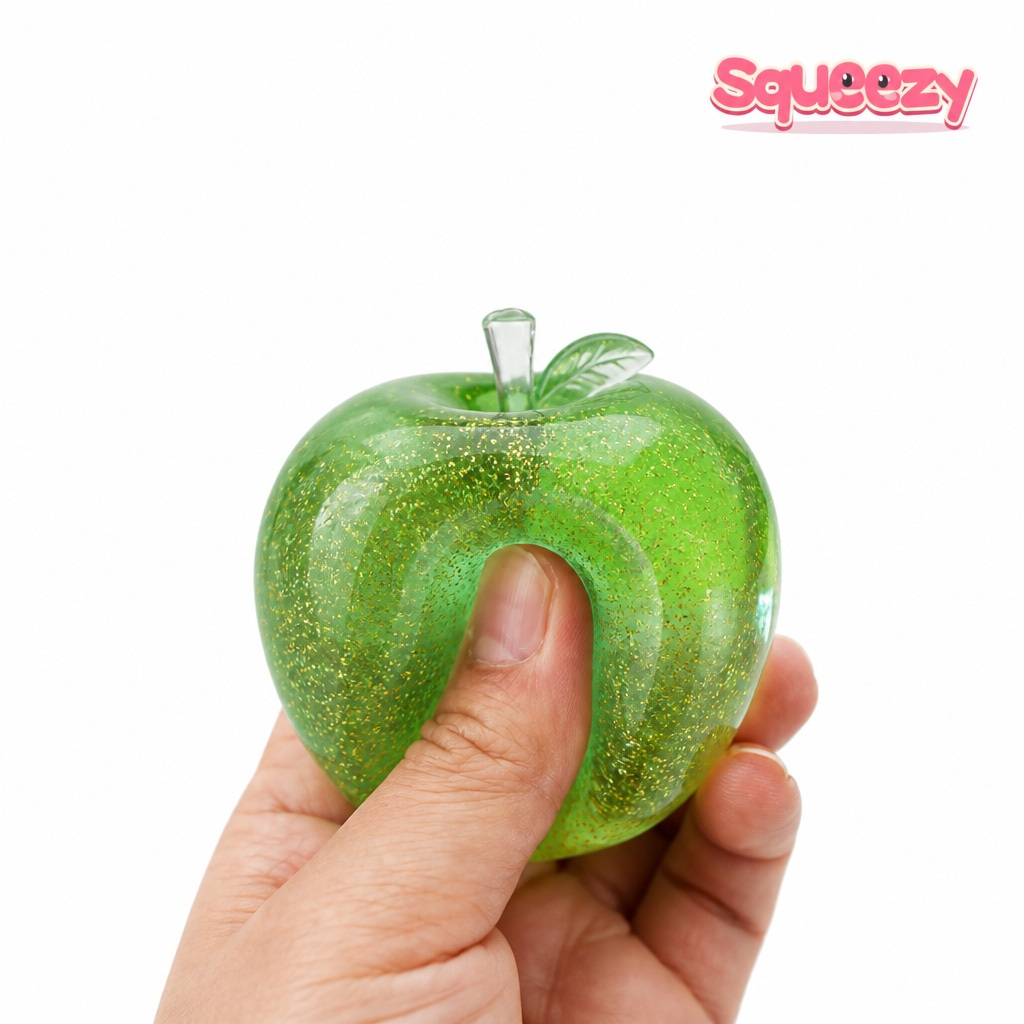
| Clear moldable gel | “soft, cool and faintly tacky”, settles back to round | Coconut Oil Squishy Ball |
| Fill that keeps a dent | holds whatever shape you press into it until you knead it round again | Kiwi Slushie Squishy Ball |
| Beads you can see | iridescent beads shift behind a clear shell | Glitter Ghost Squishy |
| Beads you can hear | “crunches like bubble wrap”, then settles back | Pink Soap Squishy |
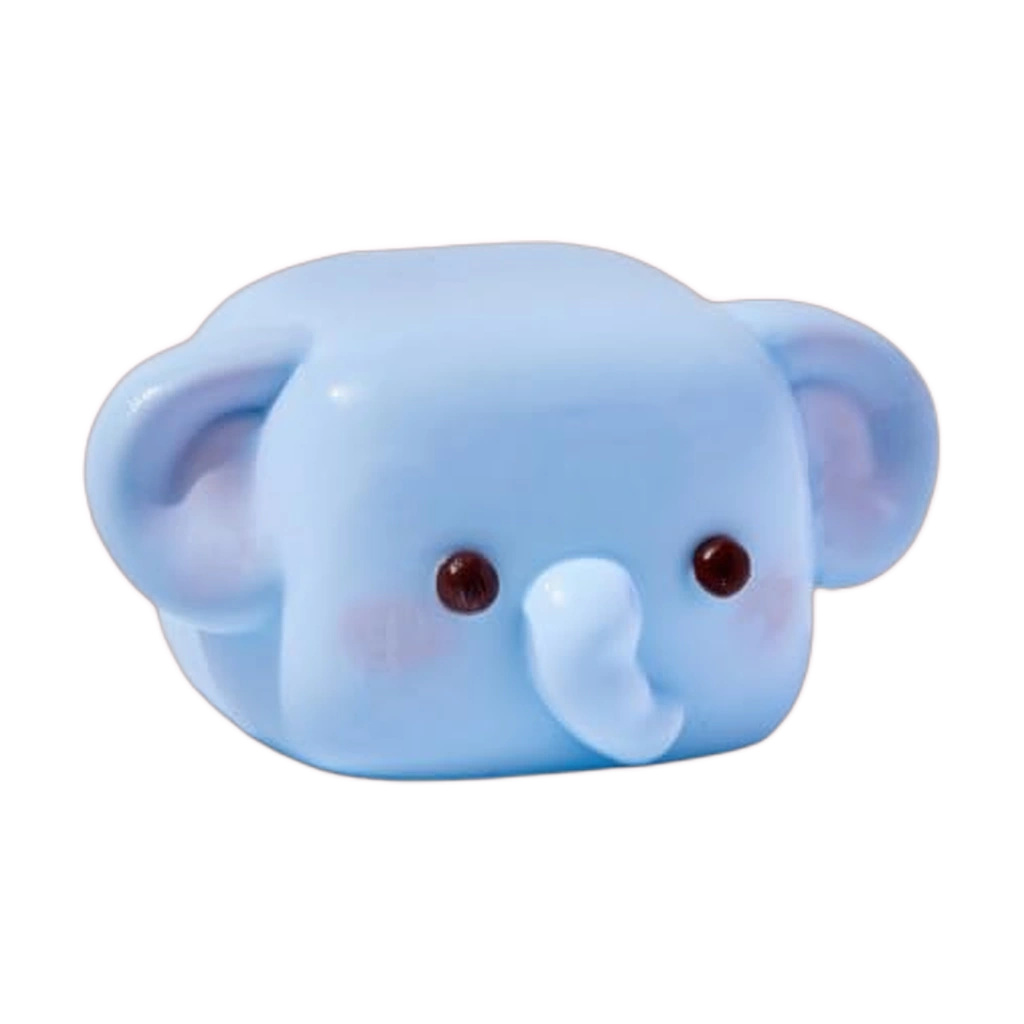
| Tacky silicone skin | “cool and a touch tacky” | Mochi Elephant Squishy |
| Textured silicone | six suction-cup pieces with “textured bumps” | Suction Cup Sensory Fidget Set |
| Raised grid surface | stones with “visible raised grid detail” | Silicone Sensory Stones |
| Turning and sliding parts | movable textured rods “for sliding, twisting, and matching” | Rainbow Sensory Activity Board |
The last three rows lean on surface texture and moving parts rather than a squeeze, which is worth knowing if a child dislikes sticky or squashy things. A tactile sensory toy does not have to squish; ridges, bumps and parts that turn are textures too.
Texture play ideas built on the map
These are games, not therapy. They work with any mix of four or five toys, as long as the textures differ.
1. Two piles, then four
Start with one rule the child can test by pressing: “squishes” or “does not squish”. Then split the squishy pile again with a second rule: “comes back by itself” or “stays where I pushed it”. The kiwi slushie ball lands in the second group, the jellyfish in the first. Sorting by what a toy does, rather than what it looks like, is the whole point.
2. Guess the fill
Put one toy at a time in a cloth bag. The child feels it without looking and guesses: foam, gel, beads or silicone. Then take it out and check against the table. Both bead-filled listings above describe beads that shift when the toy is pressed, which is a clue you can pick up without looking. Clear gel and slow-rising foam give fewer clues, so put one of each in the bag to make the round harder.
3. The slow count
Squeeze a slow-rising toy flat, let go, and count out loud until it looks round again. Try the same toy twice and see if the count changes when you press harder. There is no right number; the game is noticing the difference.
4. Cool or not
At room temperature, hold two toys at once, one in each hand, and say which feels cooler. The coconut oil ball and the mochi elephant are both described as cool in their listings. Do not warm toys up or put them in the freezer for this; keep it to what they feel like on the table.
5. Match and twist
The rainbow board is built for sliding and matching, so use it as the “finish” of a session: name a texture from earlier games, then find a rod or bump on the board that feels closest.
A quick check before any sensory play toy session
- Look at the skin first. Gel and bead toys are only as good as their outer shell. If a seam is split or something is leaking, take it out of the set.
- Hands, not mouths. A bitten or cut shell is the usual way a fill escapes, and bite or cut damage is not something a return will cover.
- Split in the box is a different story. A toy that turns up already split or leaking should skip the session entirely. Take a photo before anyone handles it, then report it through our refund page, which is where damaged deliveries are sorted out.
- We do not make therapy claims. “Sensory” here describes how a toy feels. If you are choosing for a child with specific sensory needs, their occupational therapist or clinician is the right person to ask which textures to use.
FAQ
What is a sensory fidget toy?
A small toy made to be handled for how it feels: squeezed, stretched, pressed, turned or rubbed. On our shelf that includes slow-rising foam squishies, gel and bead-filled balls, and silicone pieces with bumps or ridges.
Is a tactile sensory toy always squishy?
No. Four of the 14 items in our Sensory Fidget Toys collection are not squishies. They rely on surface texture or moving parts instead, which can suit children who do not like sticky or squashy materials.
Which sensory stress ball is easiest to tell apart by touch?
Bead-filled ones give the most away: the listings for our ghost and pink soap squishies both describe beads that shift when pressed. A clear moldable gel ball and a slow-rising foam toy give fewer clues, so they make a good pair for the guess-the-fill game.