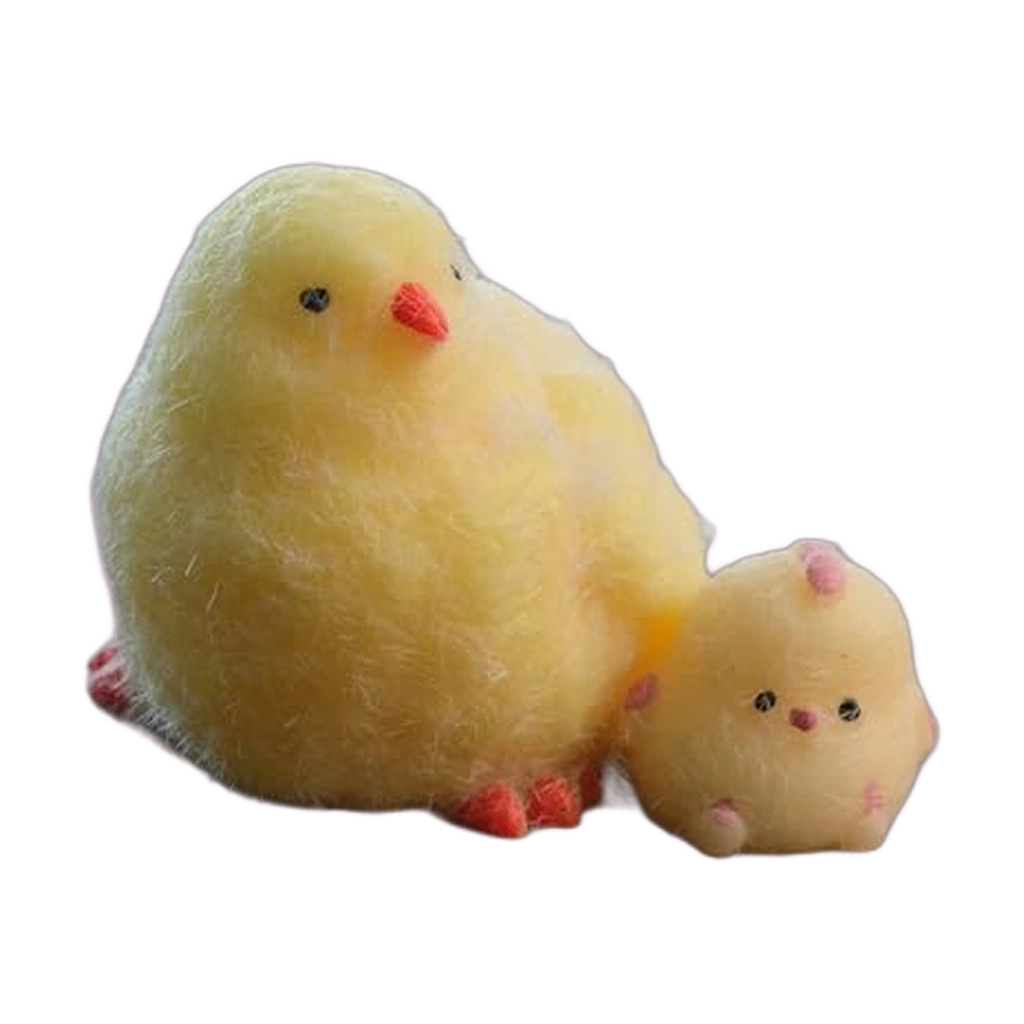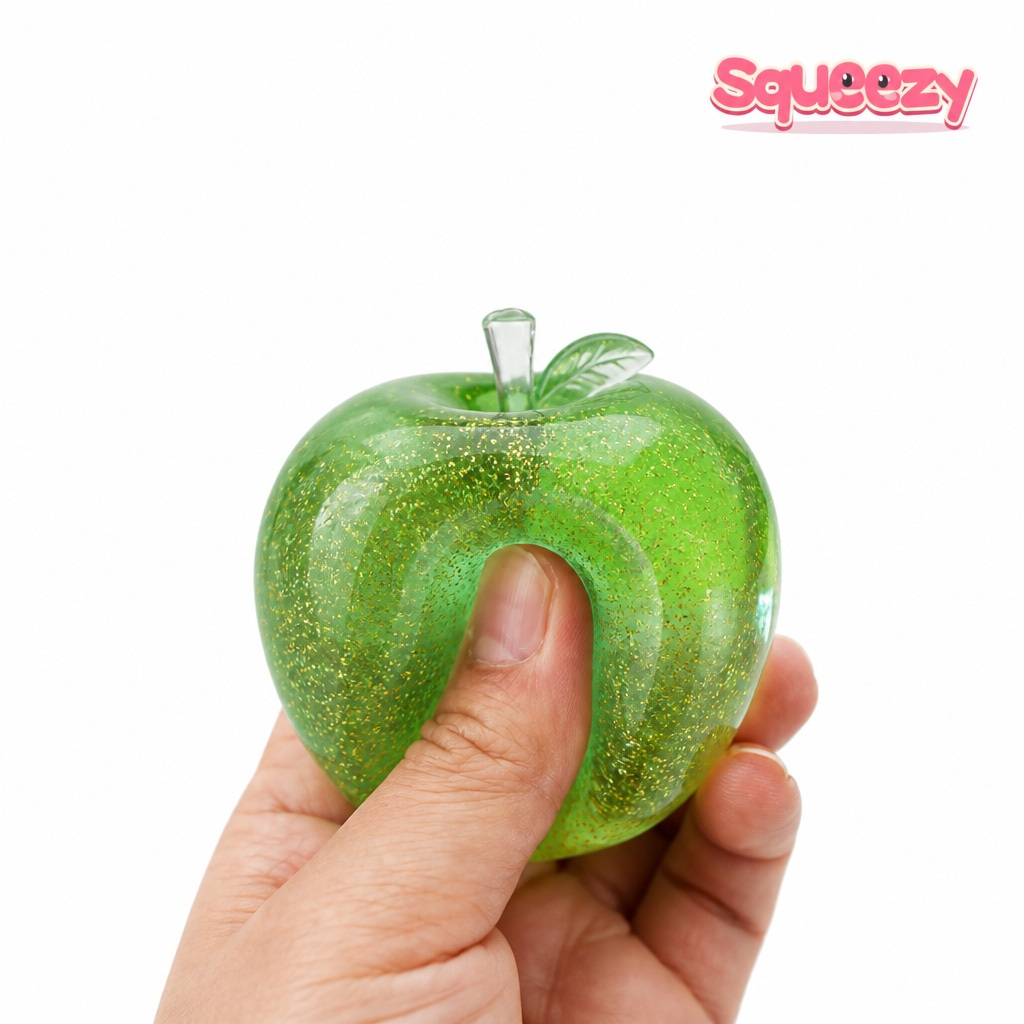
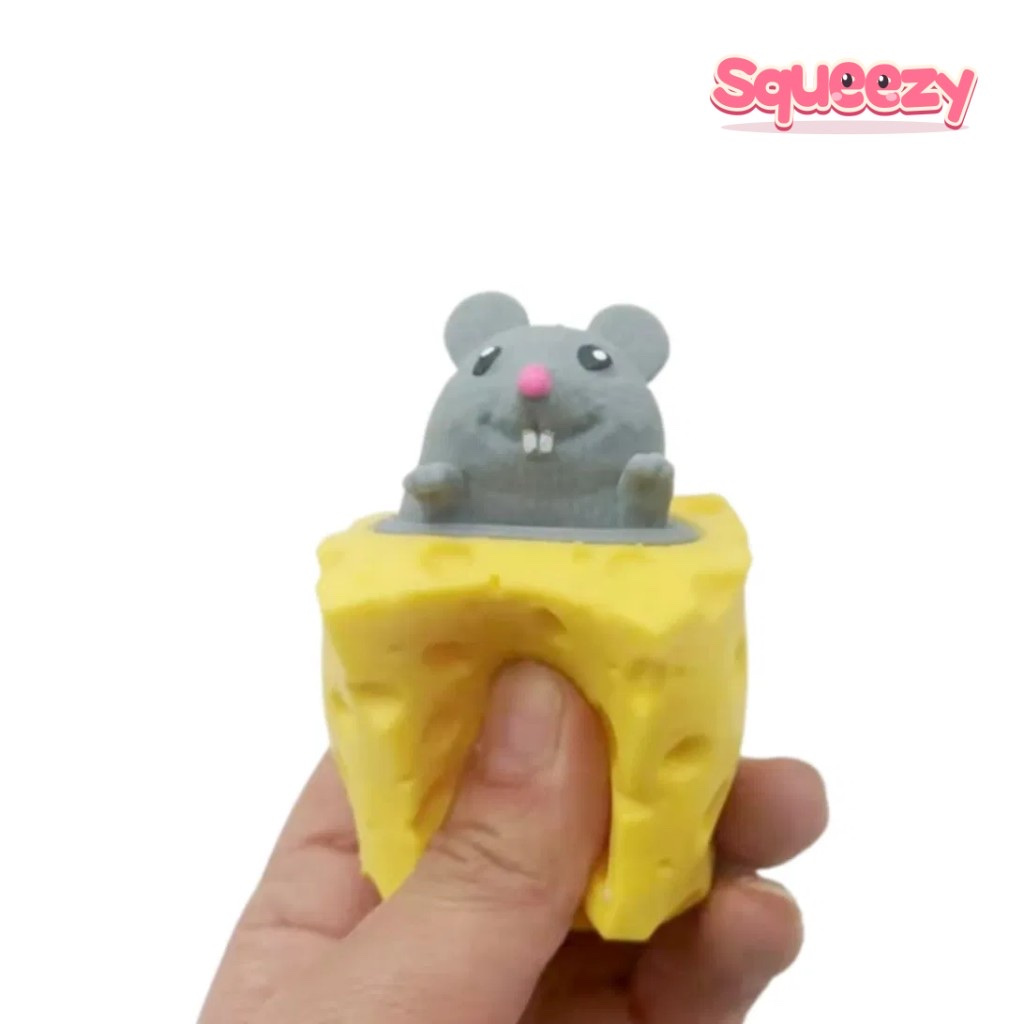
 Cheese Squishy
 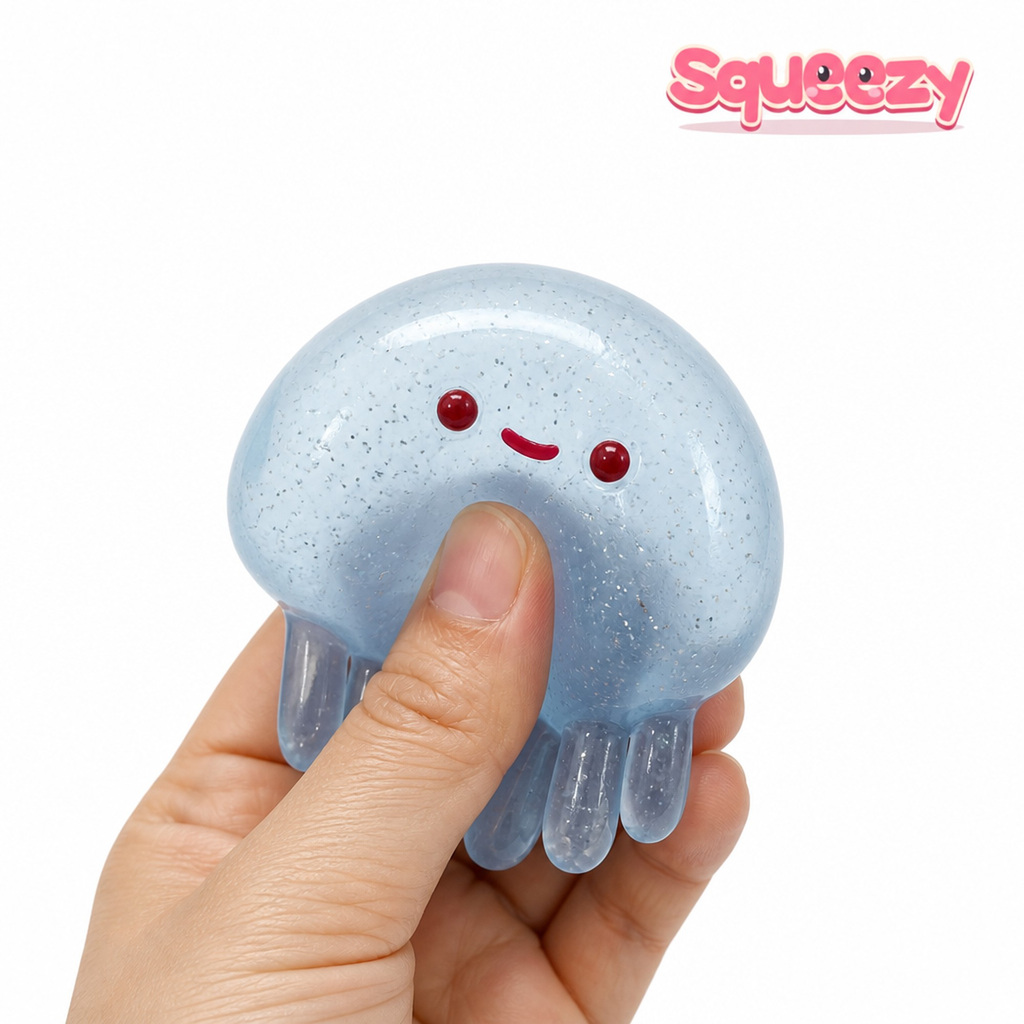 Jellyfish Squishy
 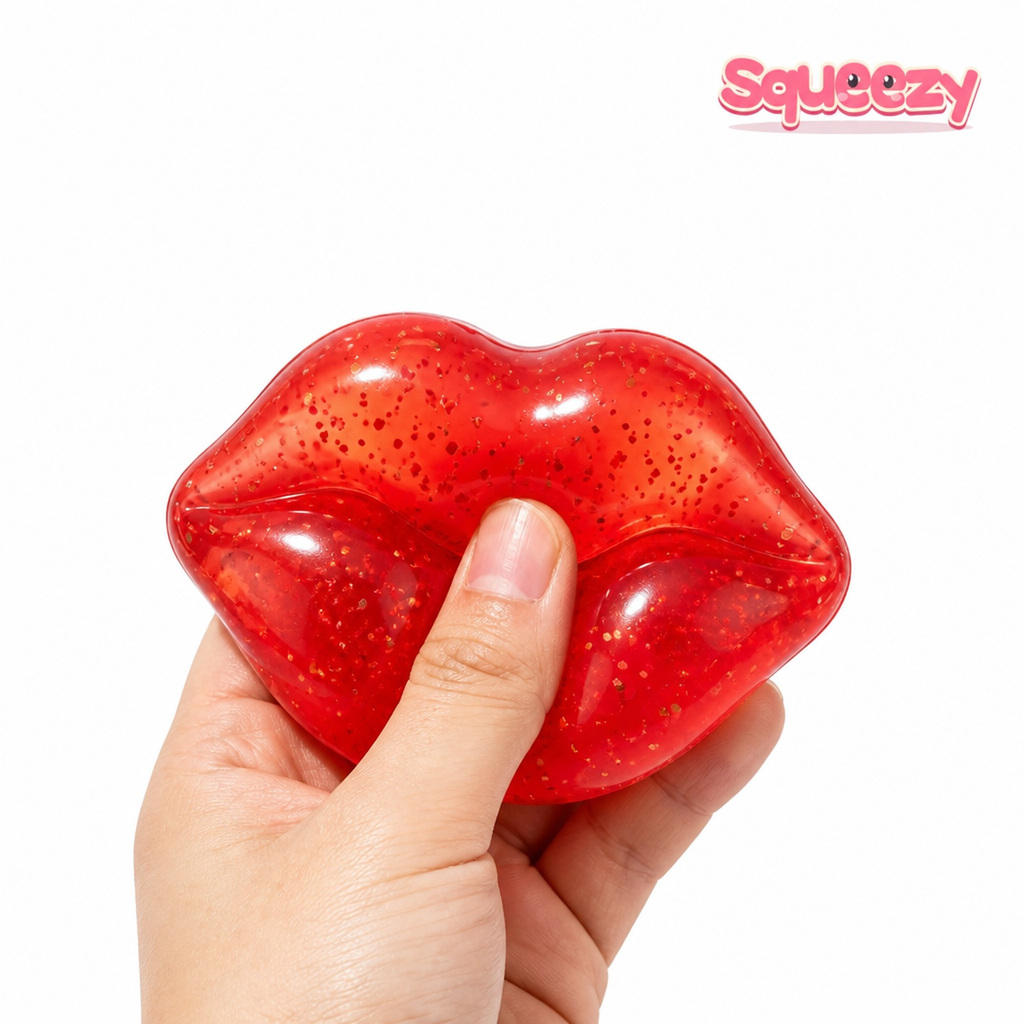 Jumbo Lips Squishy
 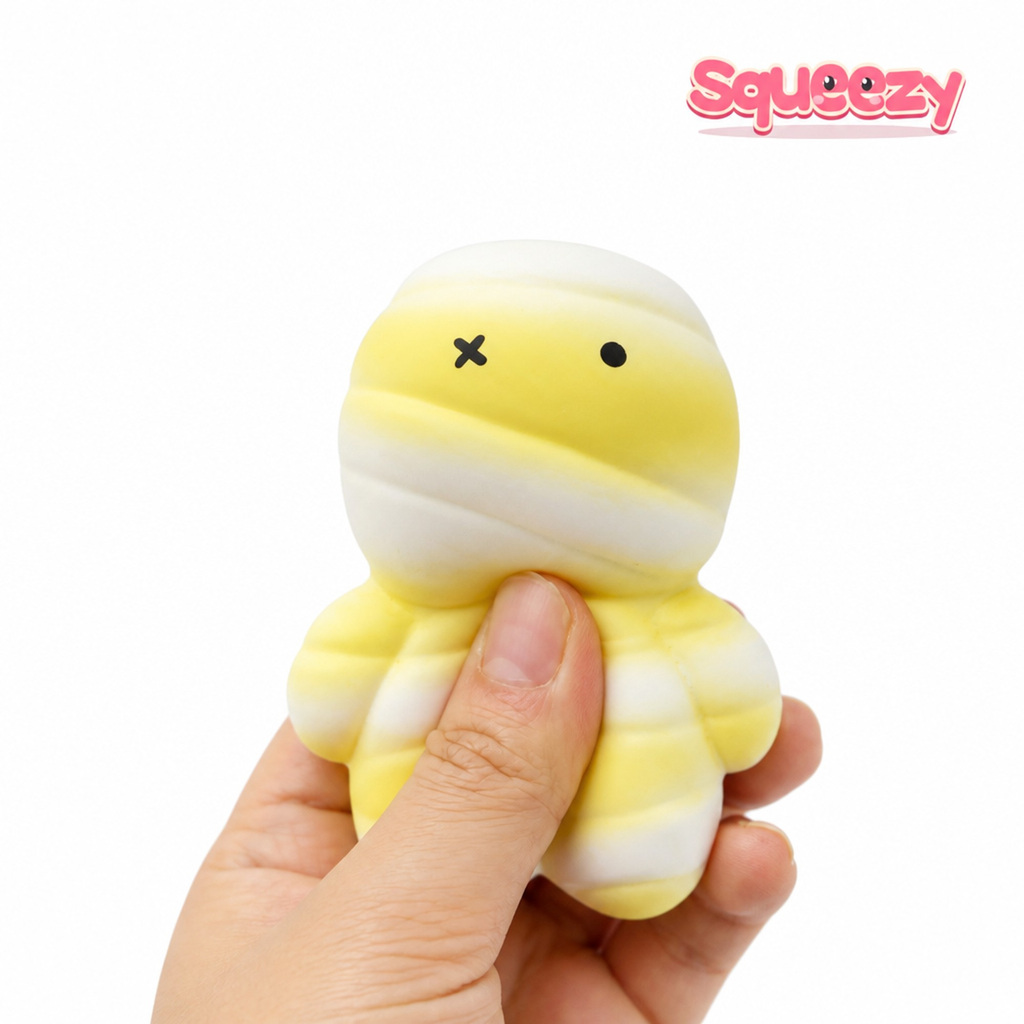 Mummy Squishy
 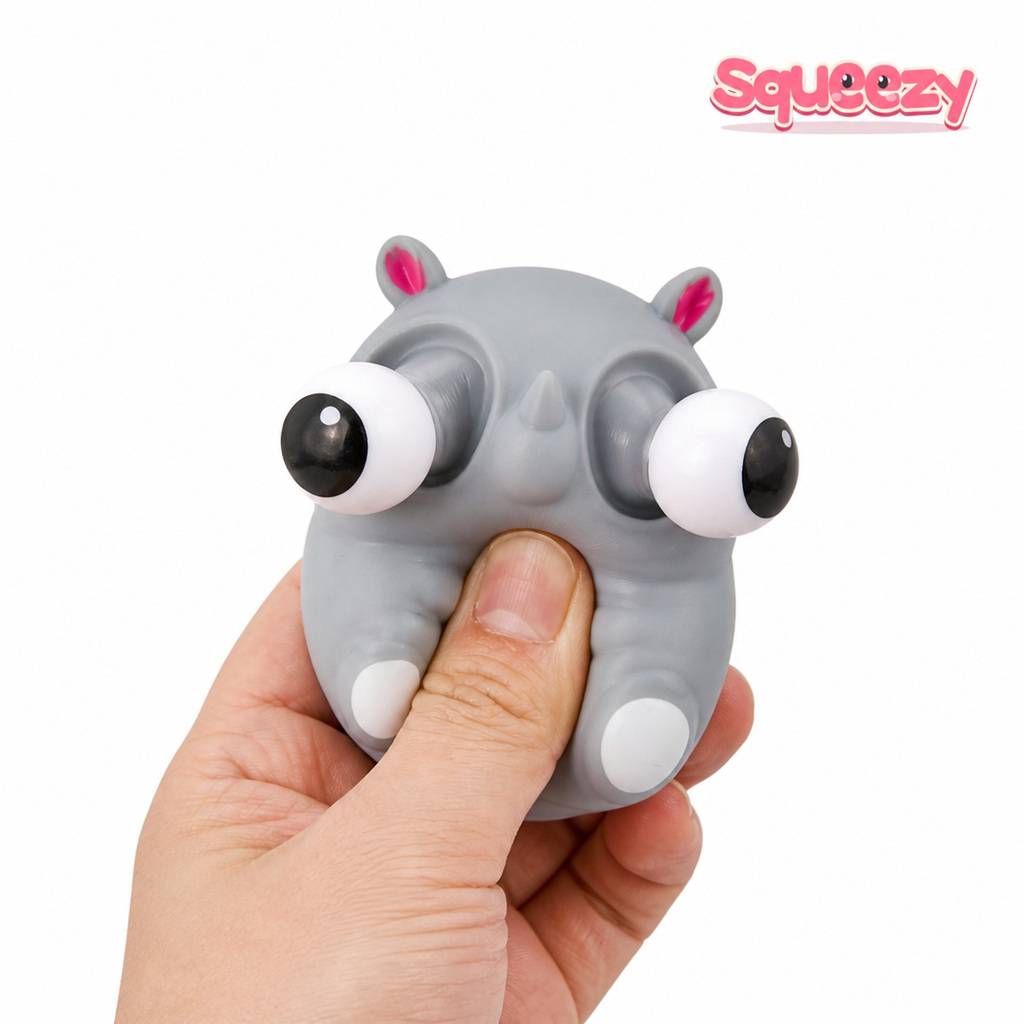 Pop-Eye Rhino
  Salted Butter Stick
  Pink Lychee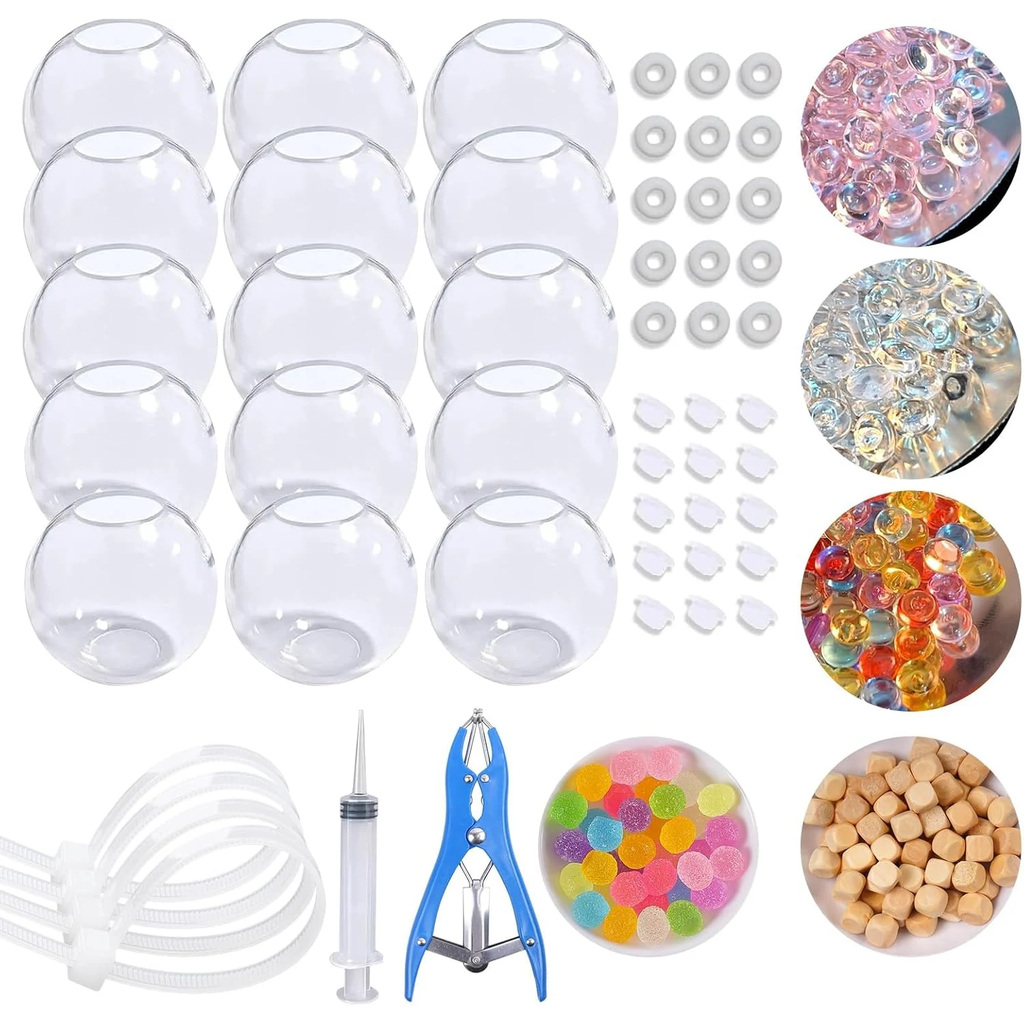
The ingredient decides what you end up holding
If you want to know how to make a taba squishy without silicone, start with what each substitute turns into once it has set, because that is what you will be squeezing next week. A taba squishy is soft, solid silicone that stays soft for good. Most no-silicone recipes use glue instead, and glue is designed to finish hard, stiff or tacky. So the honest answer is that a glue-only piece can look like a taba on day one and feel like something else by day three.
We sell ready-made silicone squishies and liquid silicone kits, not glue, and we have not tested glue recipes ourselves. What follows explains the materials, with sources, so you can judge a video recipe before you use up a bottle.
What happens to white school glue as it dries
White and clear school glue is PVA, polyvinyl acetate. It is sold as “a dispersion in water” (Wikipedia, Polyvinyl acetate). It sets because the water leaves.
That has three consequences for a squishy:
- It dries from the outside in. A thin line of glue on paper is dry quickly. A thick blob skins over on the surface while the middle is still liquid, which is why a poured glue “squishy” can feel firm on top and squelchy inside for a long time.
- It shrinks. Whatever water was in the glue is gone at the end, so the finished piece is smaller than the pour and can wrinkle or dent.
- It does not end up spongy. Dried PVA is a film. It bends a little but does not slowly push back the way a cured silicone squishy does.
Glue plus cornstarch: that is a modelling clay
One recipe that turns up for “taba squishy with only glue” mixes glue with cornstarch into a dough, then shapes it and leaves it to dry. That mix has a name in the craft world. Cold porcelain is “a crafting material most commonly made from cornstarch and white glue”, it hardens “from air exposure rather than heat curing”, and “after it dries it becomes stronger and similar to porcelain” (Wikipedia, Cold porcelain).
So a glue-and-cornstarch squishy is squishy while it is still wet. Left to dry fully, it is heading towards a hard figurine. That is great if you want a keepsake. It is the opposite of what most people want from a taba.
“Silicone glue” is still silicone
Some video titles in the current search results promise a taba “without silicone glue”, which tells you how often a tube of clear silicone sealant, sold as “silicone glue”, turns up in these recipes. If a no-silicone recipe uses one, it is still silicone. The kind sold for bathrooms cures by reacting with moisture in the air, and the acetoxy chemistry “used in household bathroom caulk” is one of the oldest ways of curing silicone rubber (Wikipedia, Silicone rubber).
Two practical differences from a craft kit: sealant is made to fill gaps, not to be poured into a mould, and it is sold for building work rather than for toys. Read the label on the tube before you handle it with bare hands, and keep the job for an adult.
How to make a taba squishy without glue
Without glue and without silicone, the usual route is nano tape: clear double-sided gel mounting tape stretched and sealed around a pocket of air. It makes a hollow bubble rather than a solid squishy. We compared the two in detail in nano tape squishies vs silicone squishies, and the household builds (sponge and tape, flour balloons, paper shells) are in how to make a homemade squishy.
A no-silicone kit that stays squishy
The closest thing we sell to a no-silicone, no-glue squishy is the DIY squishy making kit with 15 TPR stress ball skins ($27.99). Its listing describes 15 clear, soft TPR skins, 5 fillers (14 oz in total), an air pump and an expander tool. You widen a skin’s opening, pour in filler, press the air out and close it with a ring and plug. Nothing has to dry or cure.
It is not a taba: you are filling a ready-made skin, not casting a solid shape, so every piece is a ball rather than a paw or a croissant. But it stays soft, which is the thing glue cannot promise. Its listing also asks for an adult to supervise young children around the skins and the small parts.
How to make a taba squishy without silicone: the routes side by side
| Route | What it is | Sets by | Feel after a week | Shape |
|---|---|---|---|---|
| White or clear school glue, poured | PVA glue | Water evaporating | Firm skin, often still wet inside; shrinks | Whatever you pour |
| Glue and cornstarch dough | Cold porcelain | Air drying | Hardens towards a figurine | Hand-shaped |
| “Silicone glue” (sealant) | Silicone | Moisture in the air | Rubbery | Hand-shaped or smeared into a mould |
| Nano tape bubble | Gel mounting tape | Nothing to set | Hollow, squashes as the air moves | Blob or pillow |
| TPR skin kit | Ready-made skins plus filler | Nothing to set | Soft, filled ball | Ball |
| Two-part liquid silicone | Silicone | Curing (our 8-mould kit states 24 hours) | Soft and solid | The mould’s shape |
The last row is the real taba. Our squishy making kits collection has two liquid silicone kits alongside the TPR one, and the step-by-step for a first pour is in how to make a taba squishy at home.
FAQ
Can you make a taba squishy with only glue?
You can make something that looks like one, but glue is not built to stay soft. School glue dries as its water leaves, so thick pours shrink and firm up, and glue mixed with cornstarch is cold porcelain, a clay that dries hard. For a squishy that stays soft, you need silicone or a filled skin.
How do you make a taba squishy without glue or silicone?
The common method is a nano tape bubble: clear gel mounting tape sealed around air. It is hollow, not solid. A TPR skin kit is another option that needs no glue: you fill ready-made skins and seal them.
Is silicone glue the same as the silicone in a taba kit?
Both are silicone, but they are different products. Bathroom-type silicone sealant cures from moisture in the air and is sold for gap-filling; craft kits use two liquid parts mixed together and poured into a mould. Our kits say to wear gloves, cover the table, and have younger children make pieces with an adult.
How long does a glue squishy take to dry?
There is no single figure: it depends on the glue, how thick the piece is and how humid the room is. A thick piece dries much more slowly than a thin one because the water has to escape from the middle.