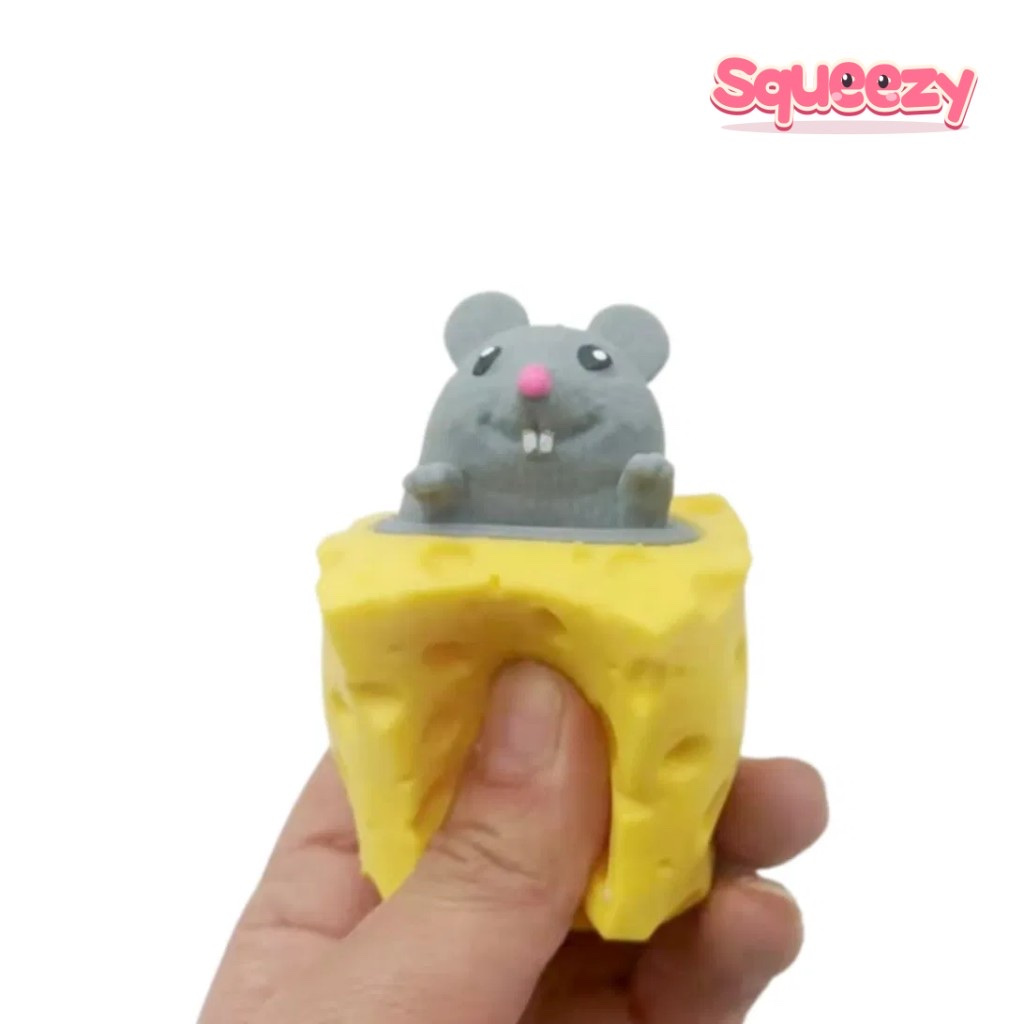
 Cheese Squishy
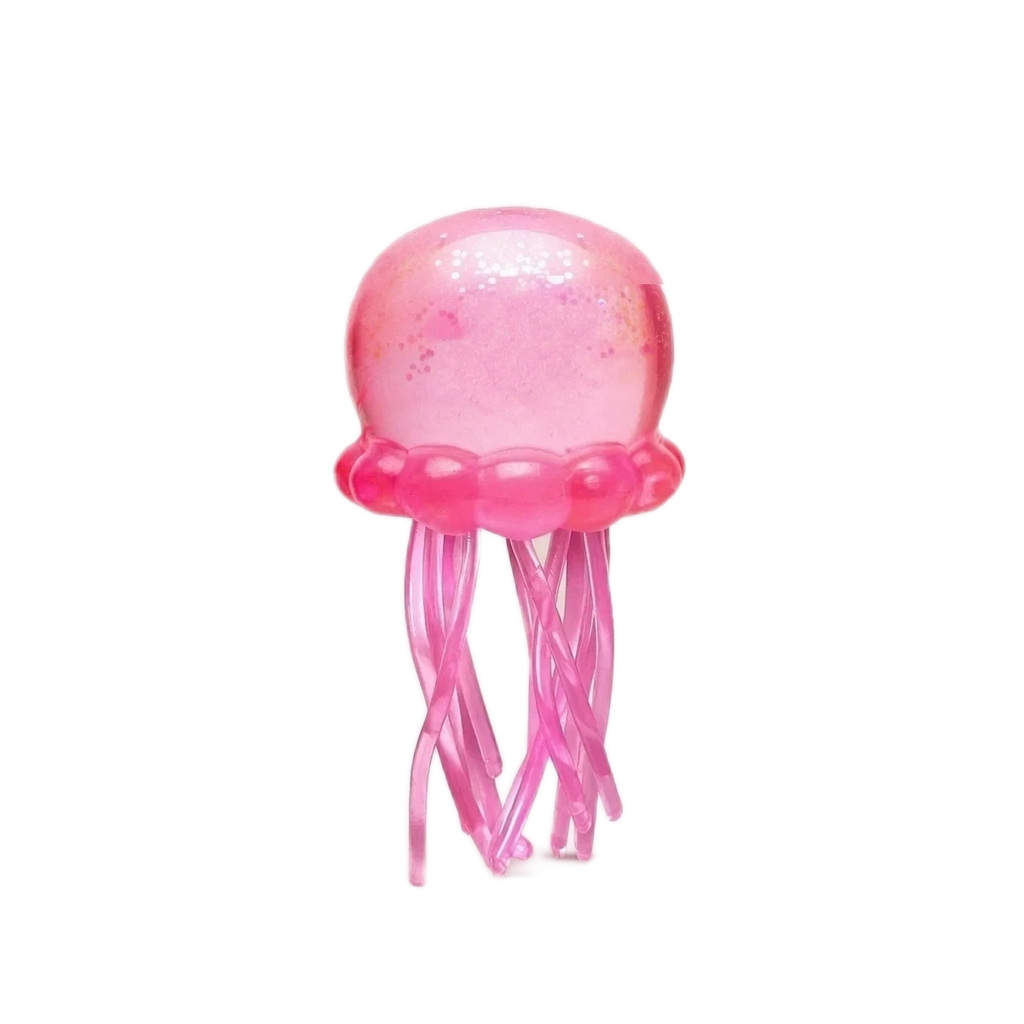
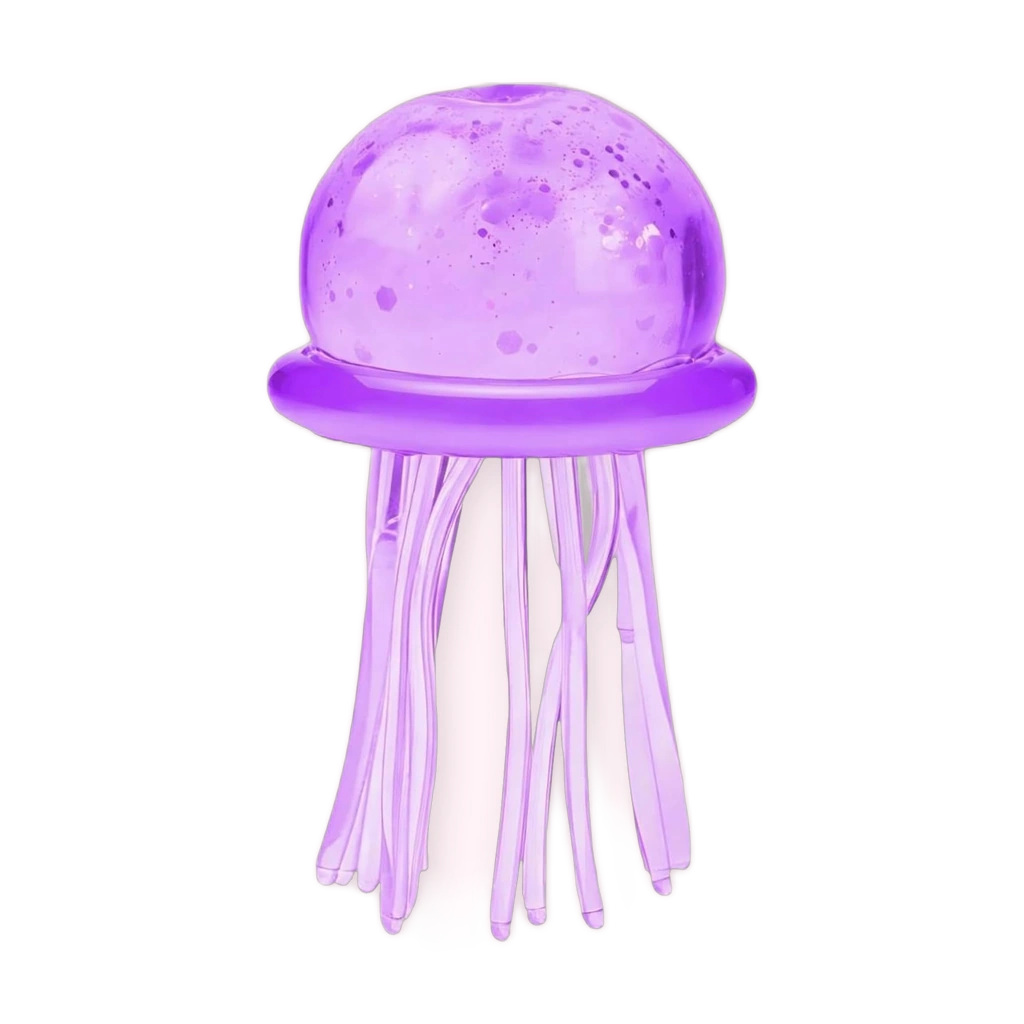
 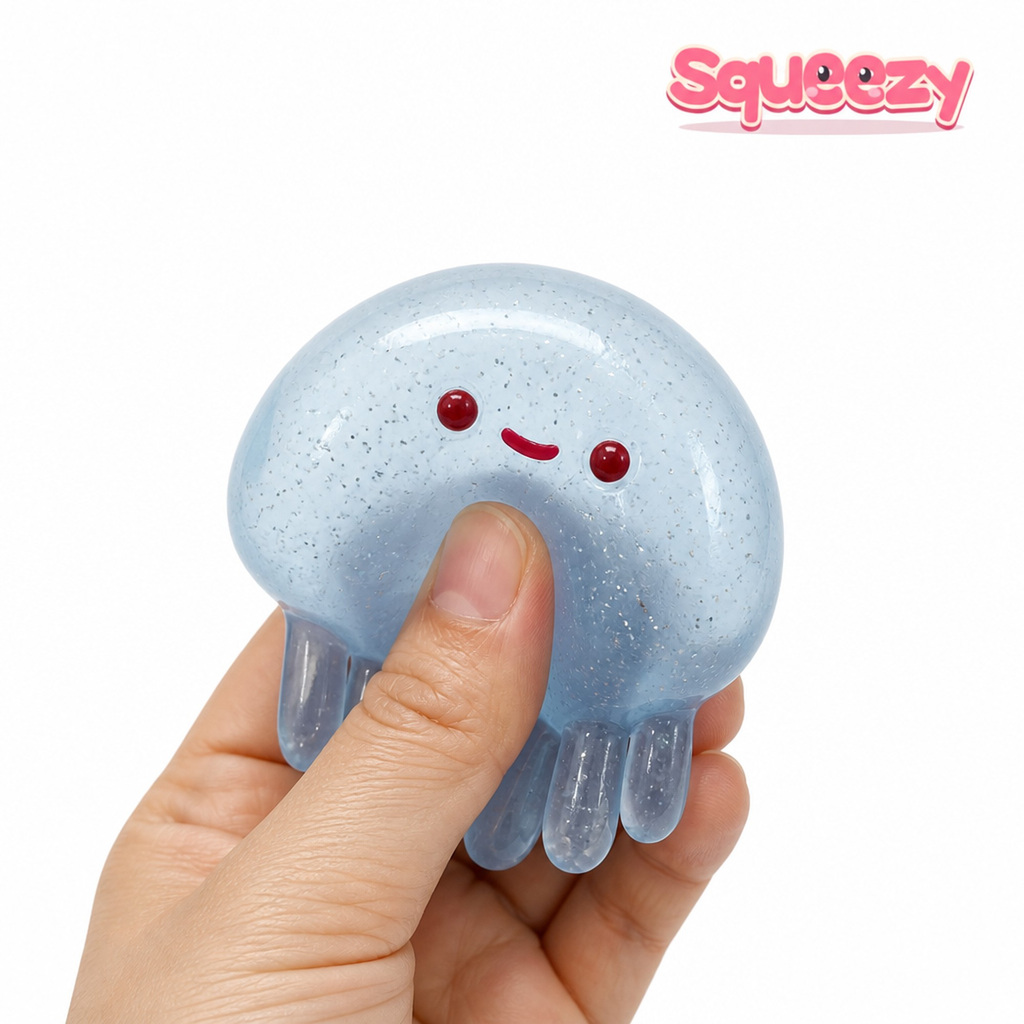 Jellyfish Squishy
 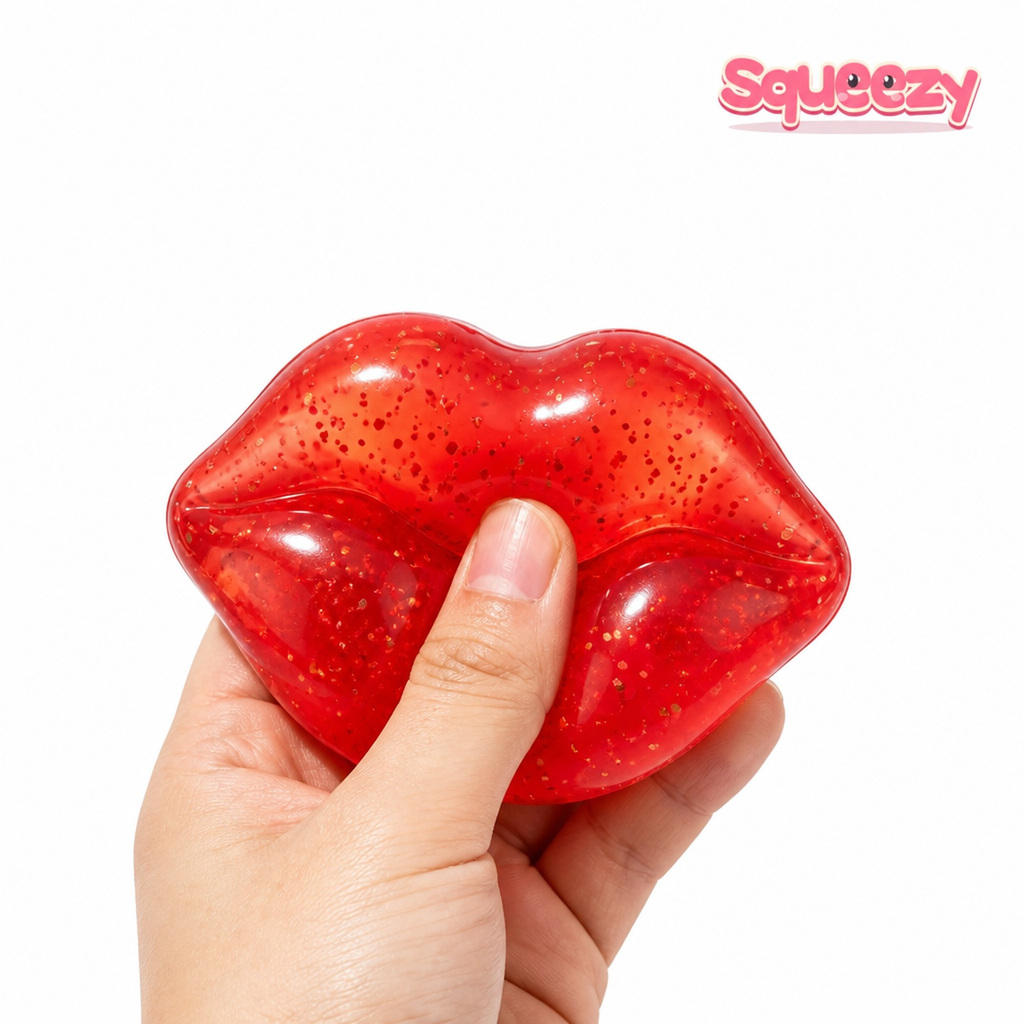 Jumbo Lips Squishy
 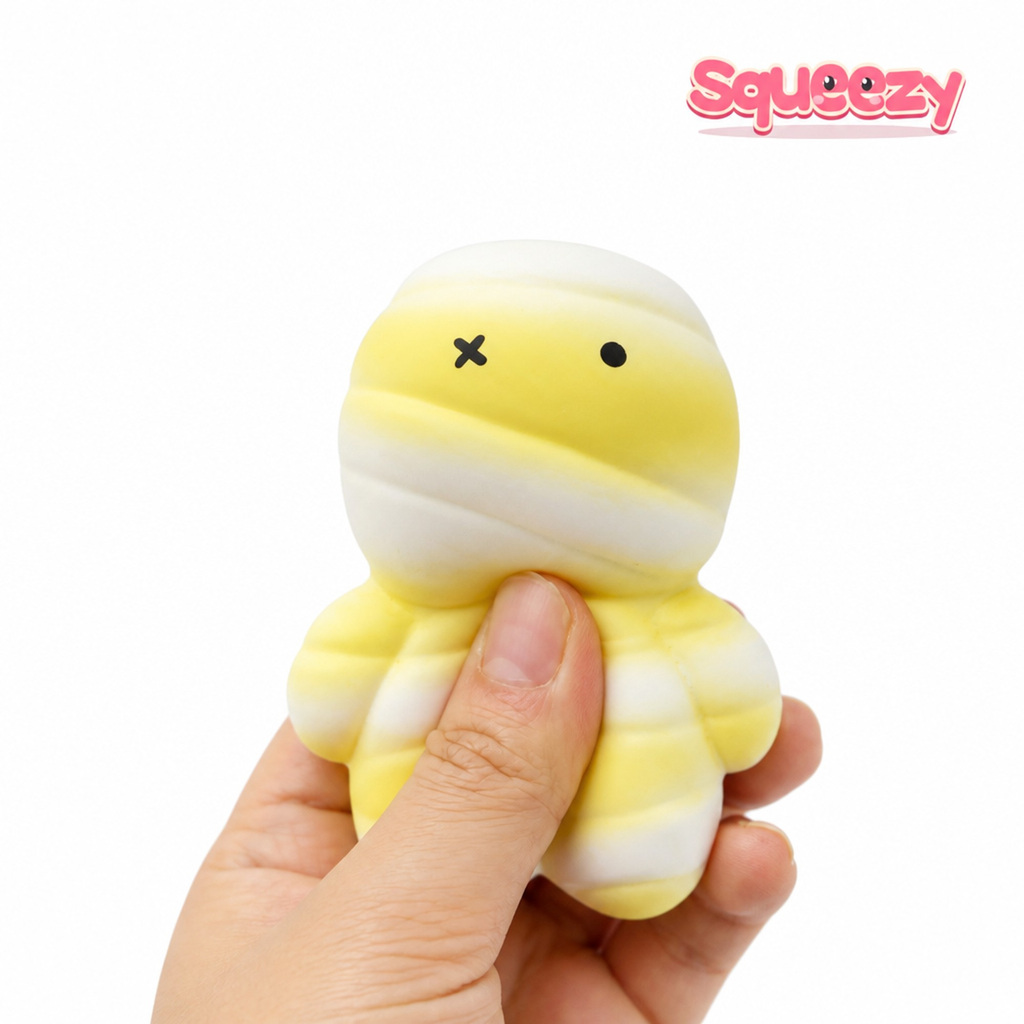 Mummy Squishy
 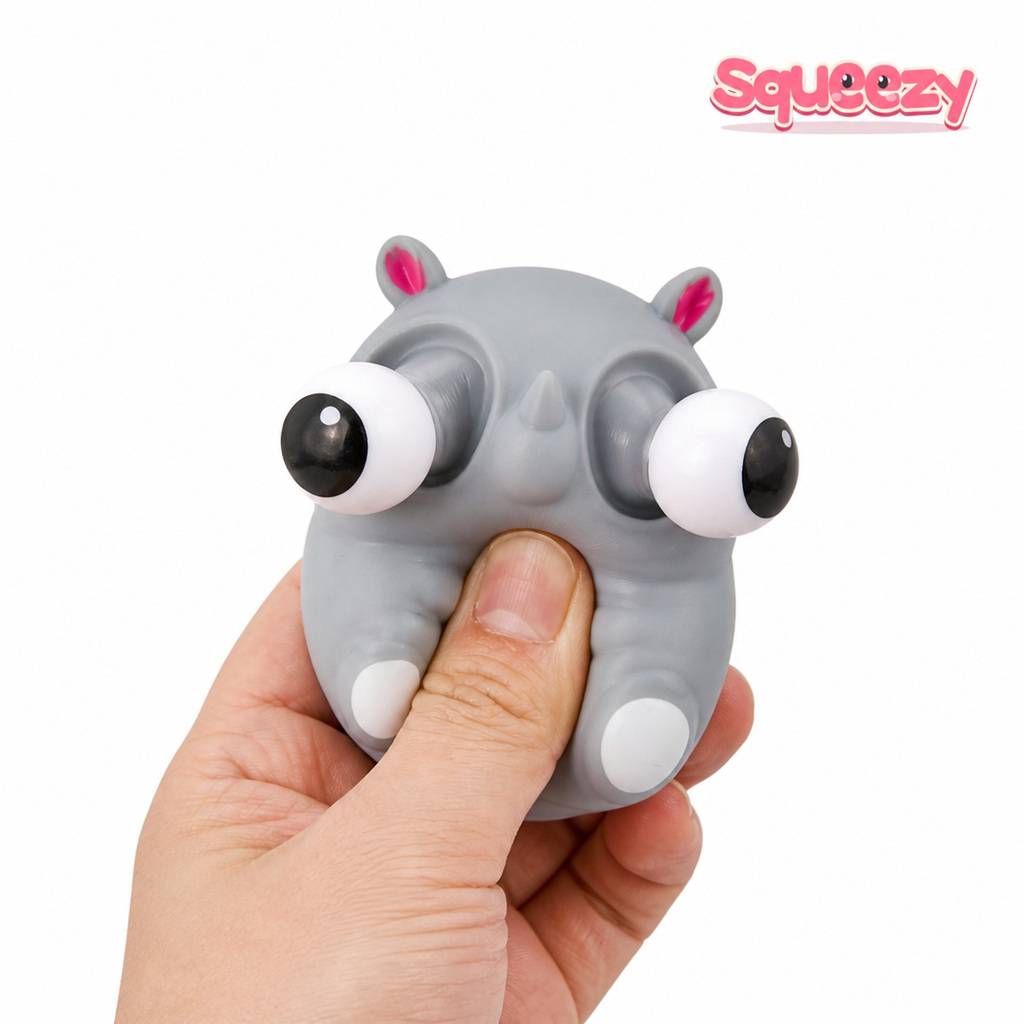 Pop-Eye Rhino
 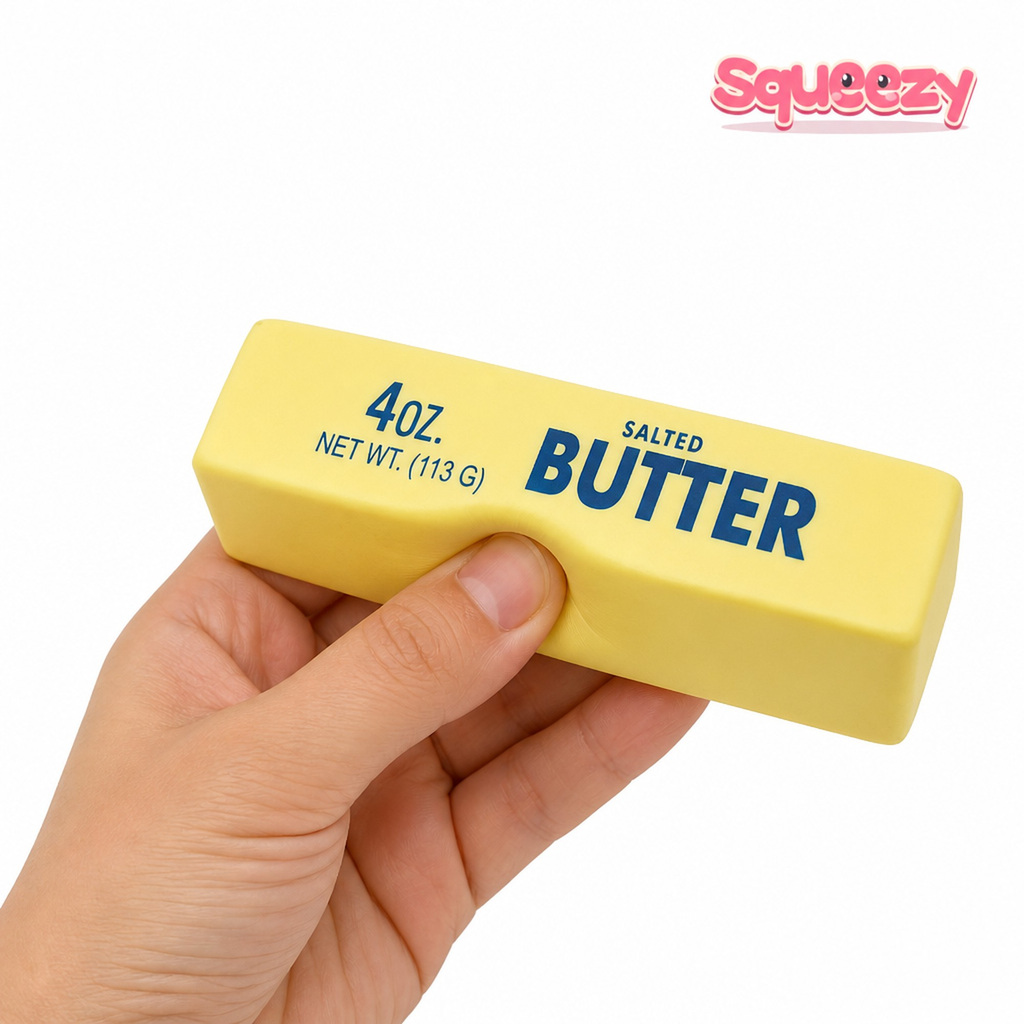 Salted Butter Stick
 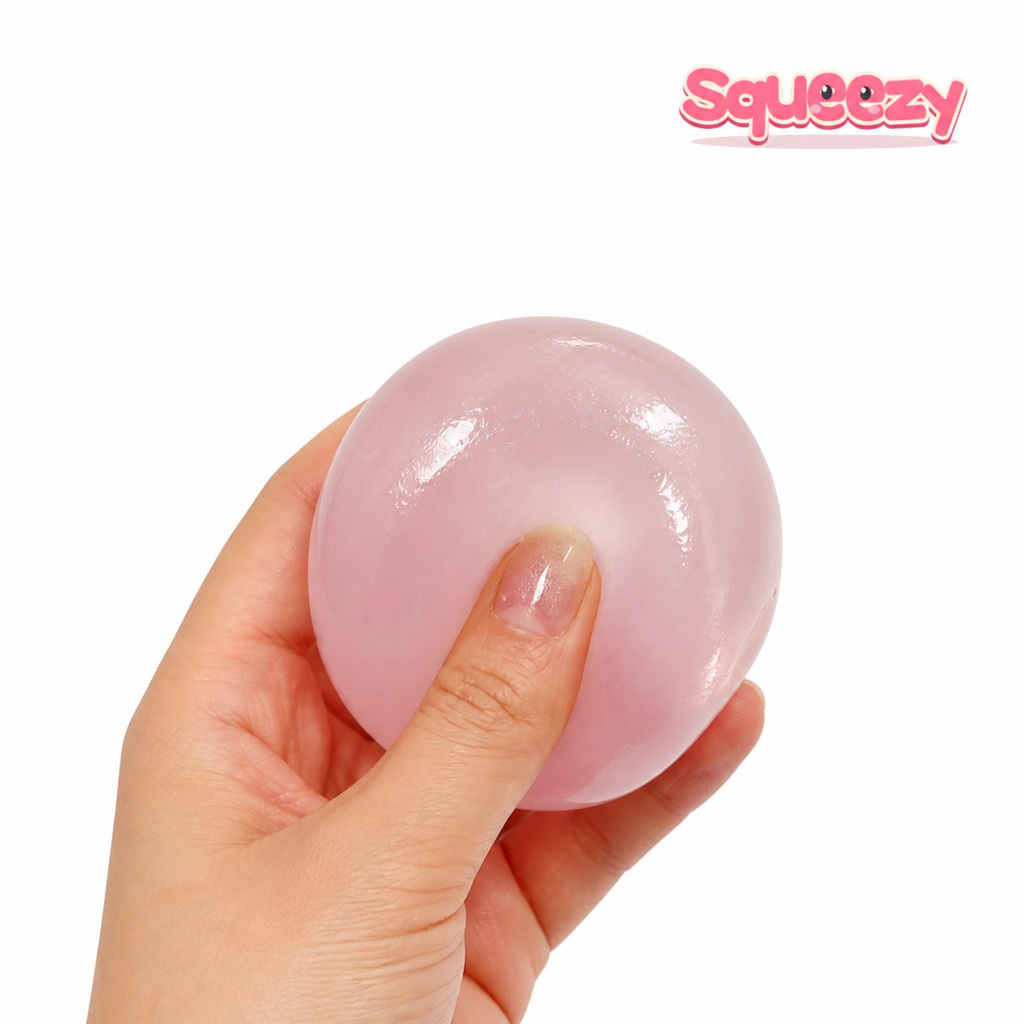 Pink Lychee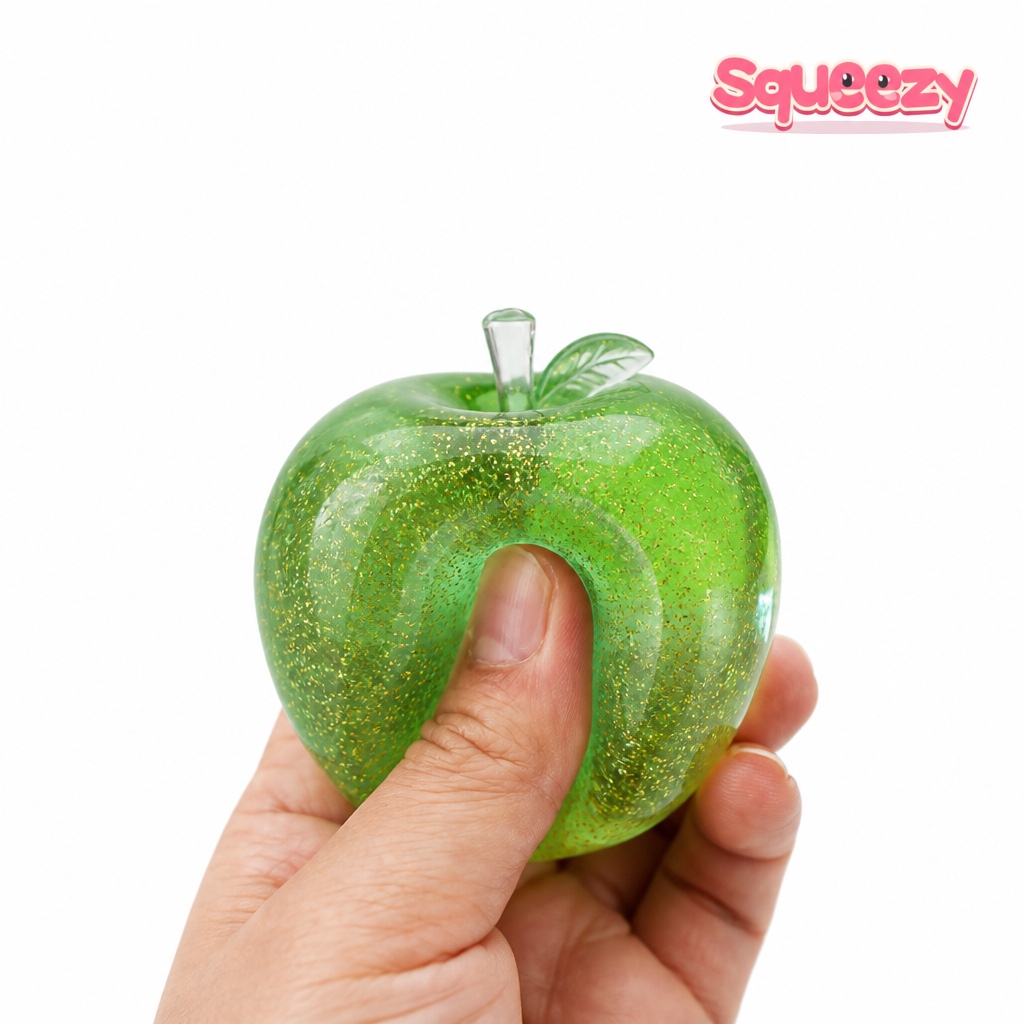
What are slow rising squishies? The term describes toys that return toward their original shape gradually after a squeeze, compared with ones that spring back more quickly. It describes visible rebound behavior. It does not establish a particular material, a universal recovery time, safety certification or how long a toy will last.
Compare behavior, not just the label
A listing may use slow-rising as a descriptive phrase without supplying a timed test. Look for a demonstration of the exact item if the recovery behavior matters to your purchase. A still photograph cannot show elapsed time, and a demonstration of a different variant may not answer your question.
When comparing demonstrations, check whether the clip shows the squeeze and release continuously. Edited footage or different handling makes a precise time comparison difficult. Unless a seller describes its measurement method, treat the demonstration as an illustration rather than a standardized result.
Slow-rise versus faster rebound
| What you are comparing | Gradual rebound | Faster rebound |
|---|---|---|
| Visible behavior | Shape returns progressively | Shape returns more promptly |
| Useful information to request | An uninterrupted demonstration of the exact item | An uninterrupted demonstration of the exact item |
| What the label cannot establish | Composition, safety or durability | Composition, safety or durability |
| Care instructions | Must come from the particular product | Must come from the particular product |
Neither label is a quality score. Choose according to the behavior you want to see, along with the product’s size, handling instructions and other documented details. Do not infer that a faster return means a toy is defective, or that a slower return proves it is better made.
Do all squishies rebound the same way?
No single construction should be assumed from the category name. Our listings use different material descriptions and include products with incomplete specifications. This article does not claim that every toy’s recovery can be explained by the same air-cell or surface-coating mechanism.
Ask for the specification for the exact product if composition matters to you. A soft feel, a jelly-like description or a slow return is not a substitute for that information. Likewise, do not infer that one toy can be rinsed just because another toy with similar rebound can be.
Can you make a squishy more slow rising?
We have no verified modification that turns an unspecified fast-rebound toy into a slow-rebound one. Do not heat, cut, coat or add powder to a toy to try to change its behavior. Follow its own care instructions rather than treating a social-media alteration as a product test.
The CPSC squishy-toy alert warns against heating these toys. If a toy changes condition or deteriorates, stop treating the change as a desirable way to slow its return and seek product-specific advice.
What our catalogue records actually contain
Our 21 September 2026 audit found slow-rising wording on 535 of 1,087 active listings, counting the name, tagline and visible description. That is a text count, not 535 independently measured recovery tests.
A separate database field contained a rise-time number on 18 listings. Eleven were other fidget items, including clickers and puzzles, with placeholder values of 0 or 70 seconds. Seven squishy listings had plausible recorded values. Plausible is not the same as independently tested: the field alone does not document a test method.
We therefore cannot promise a whole-catalogue five-second return or present all 18 records as measurements. Where a number appears on a product page, ask for its basis if precise timing matters to you. Missing data remains missing; it is not a reason to invent a number.
What to check before buying
Start with the exact product and variant. Look for its dimensions where supplied, a demonstration of its behavior, and its own care information. Confirm anything important that the listing does not state.
Our squishy collection is the place to browse individual items. This article explains how to interpret rebound descriptions; it does not imply that every item in the collection has the same behavior.
Short answers
Does slow rise prove a particular material? No. Use the product’s specification, not the rebound label, to answer a material question.
Does slow rise mean better quality? The phrase describes behavior, not a durability test or quality certification.
Why has mine stopped returning to shape? We cannot diagnose a particular toy from that symptom alone. Check its condition and instructions, and contact the seller or maker rather than attempting a heat or powder treatment.