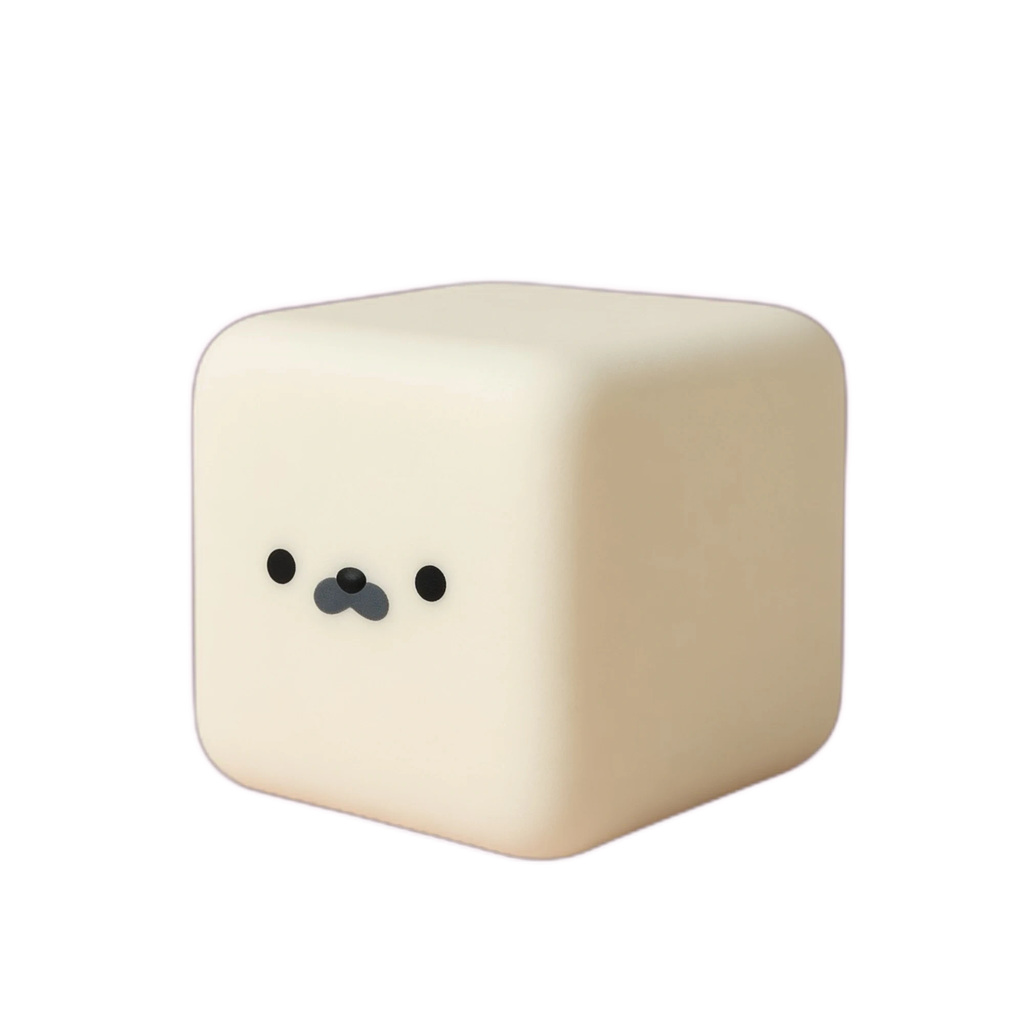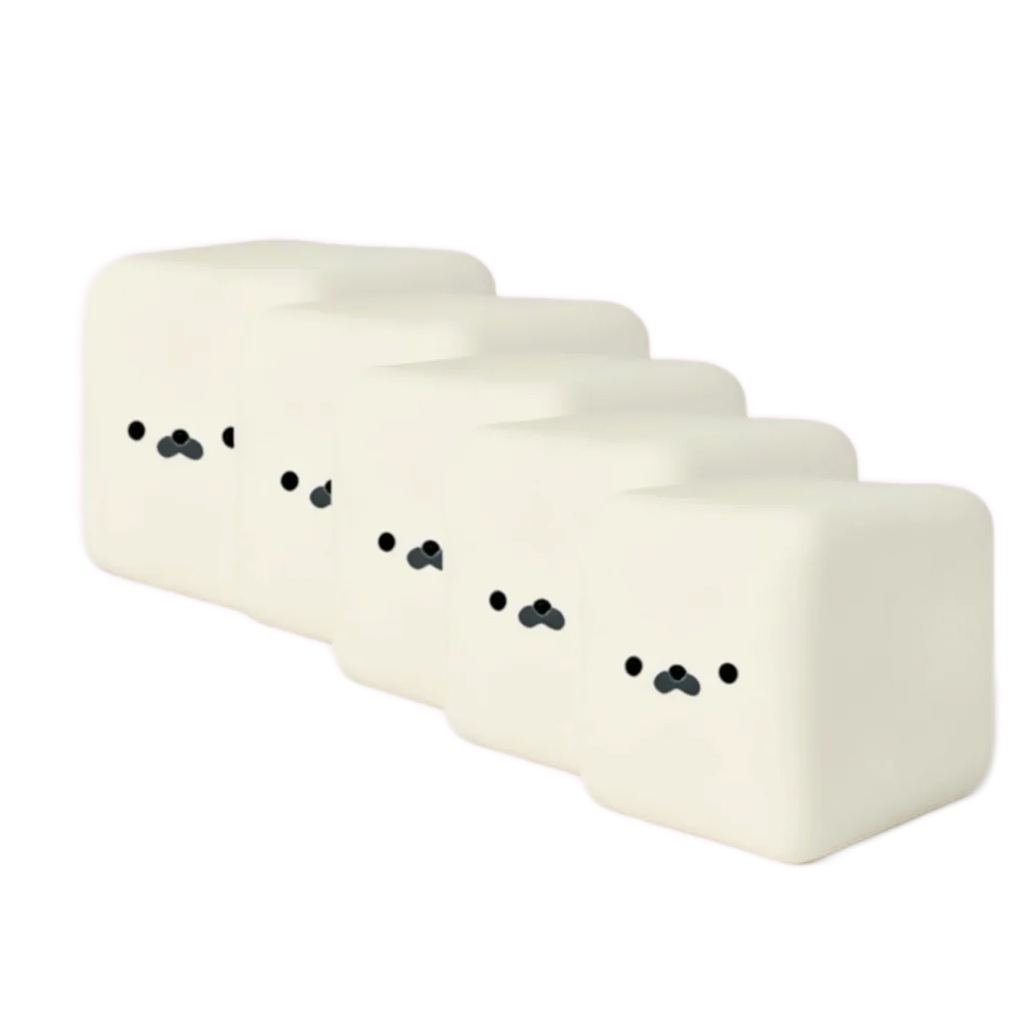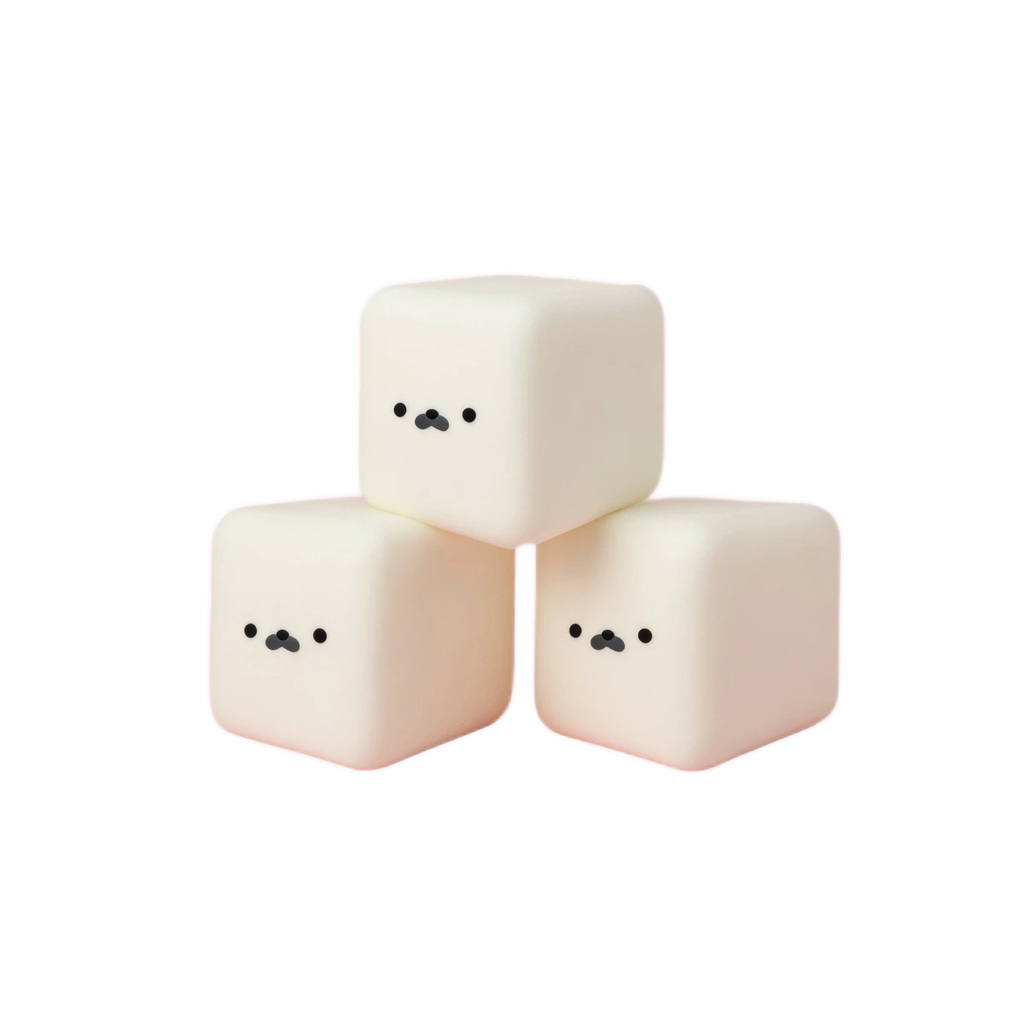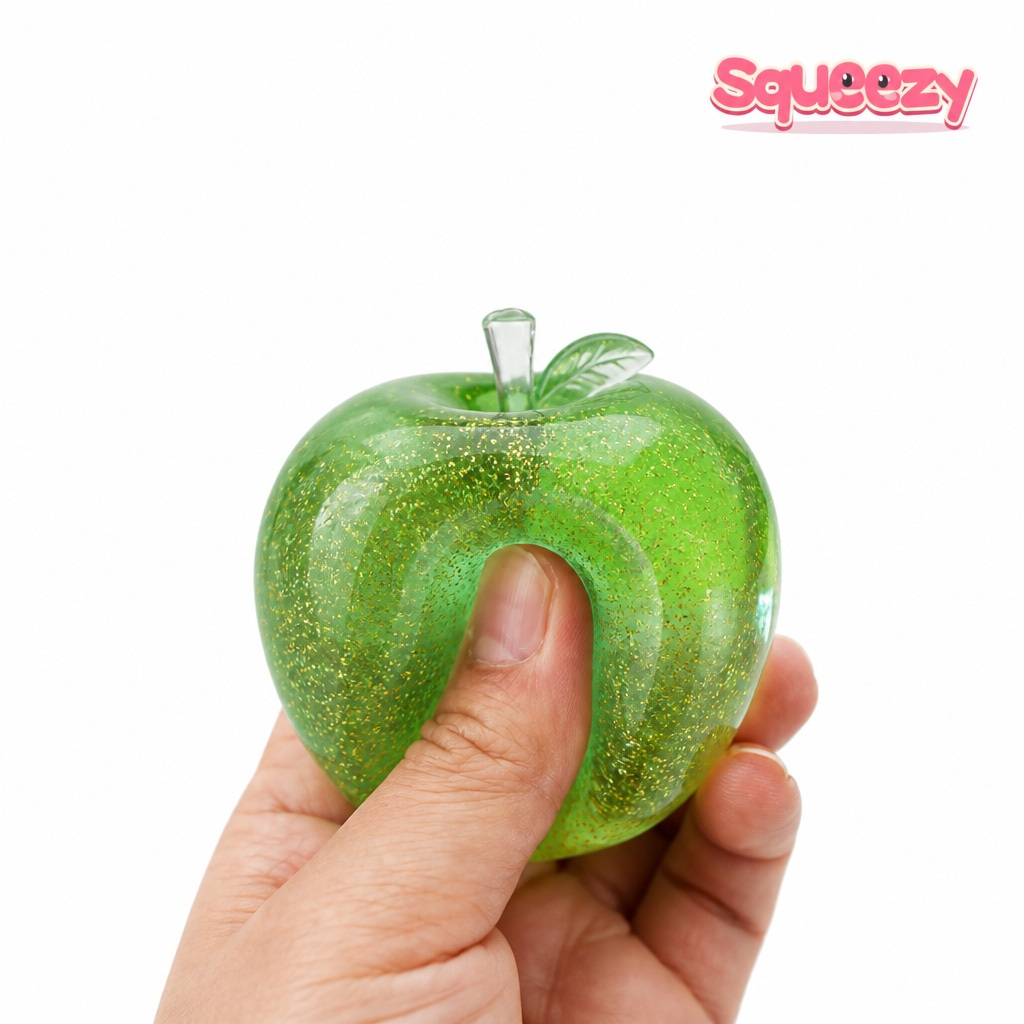
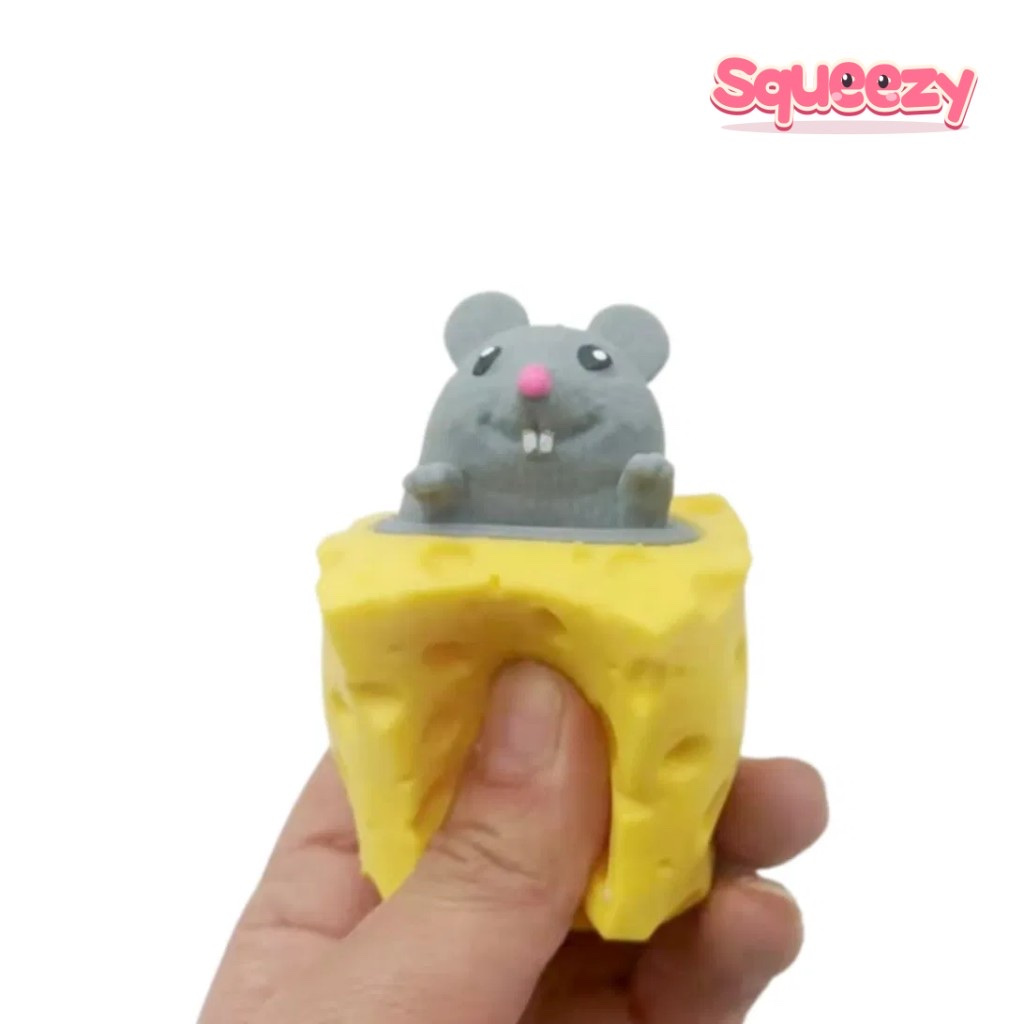
 Cheese Squishy
 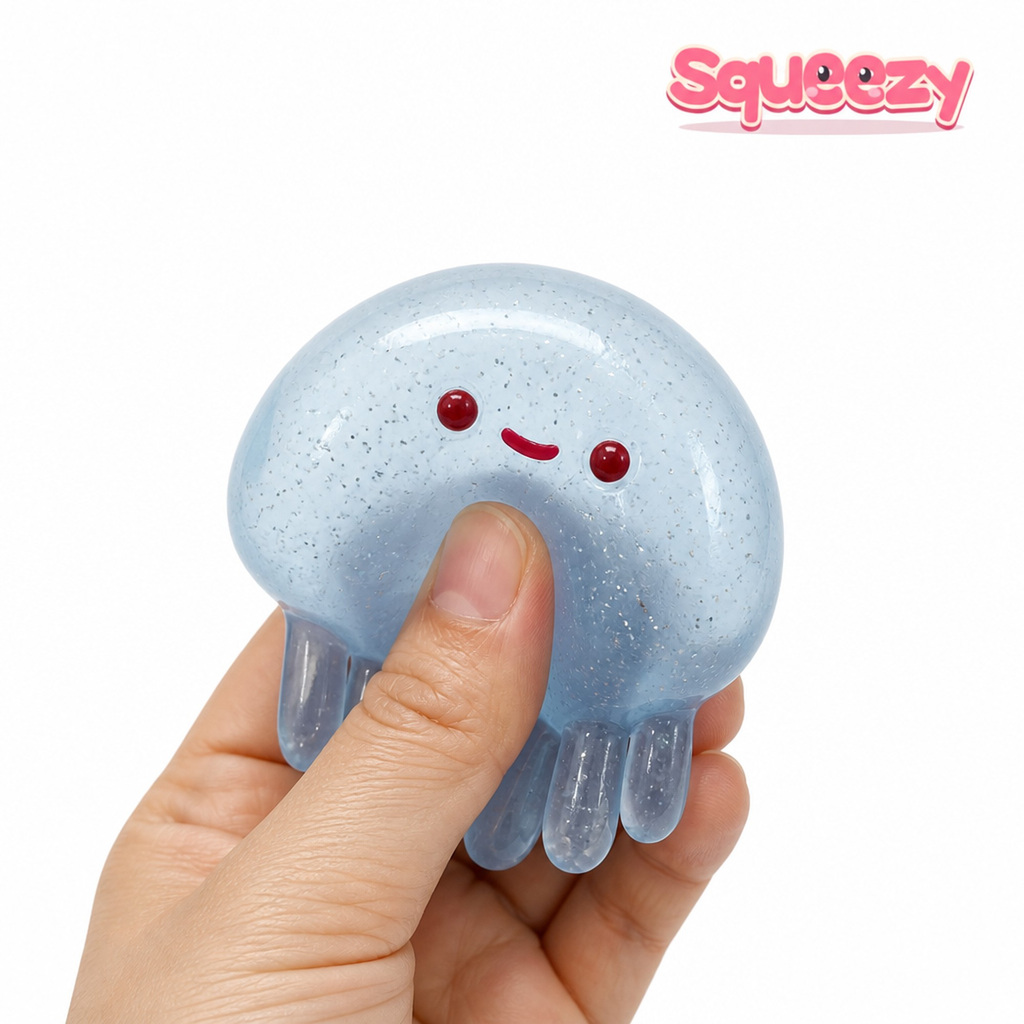 Jellyfish Squishy
 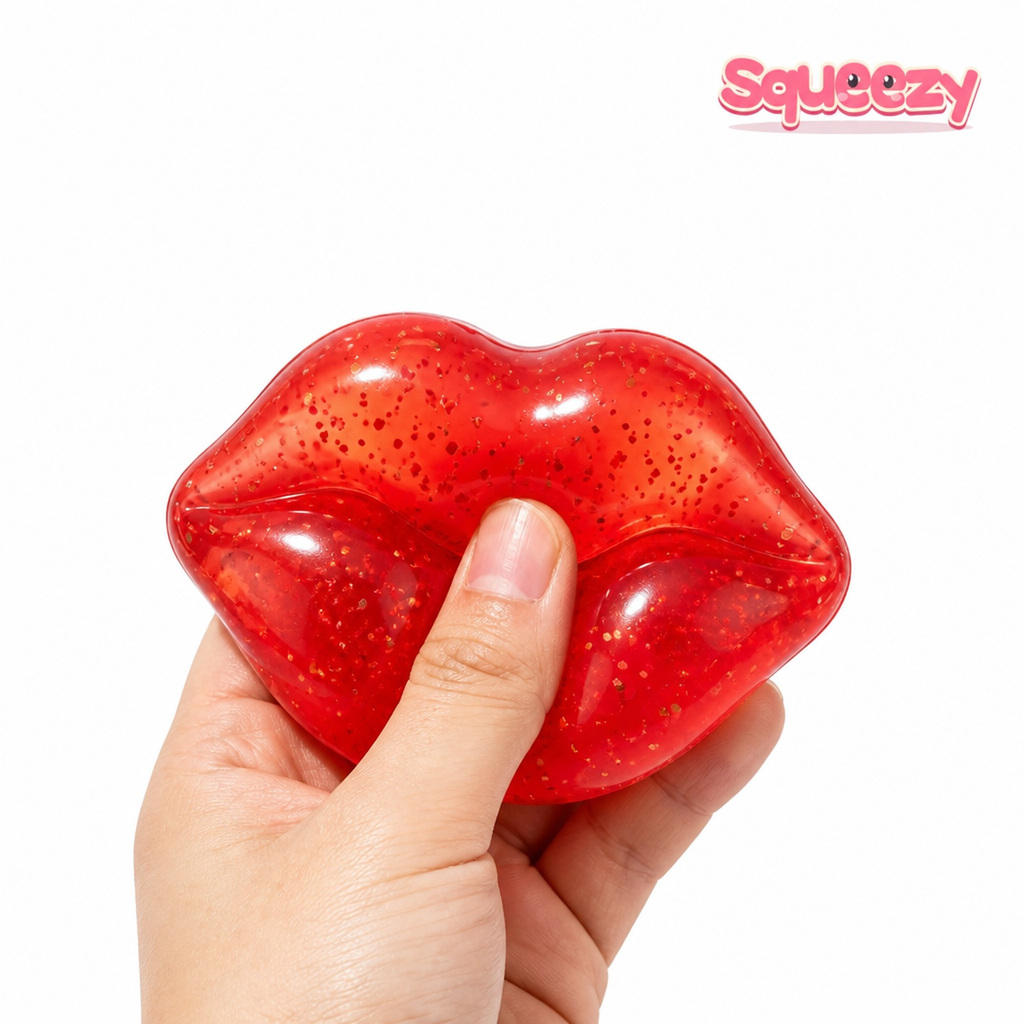 Jumbo Lips Squishy
 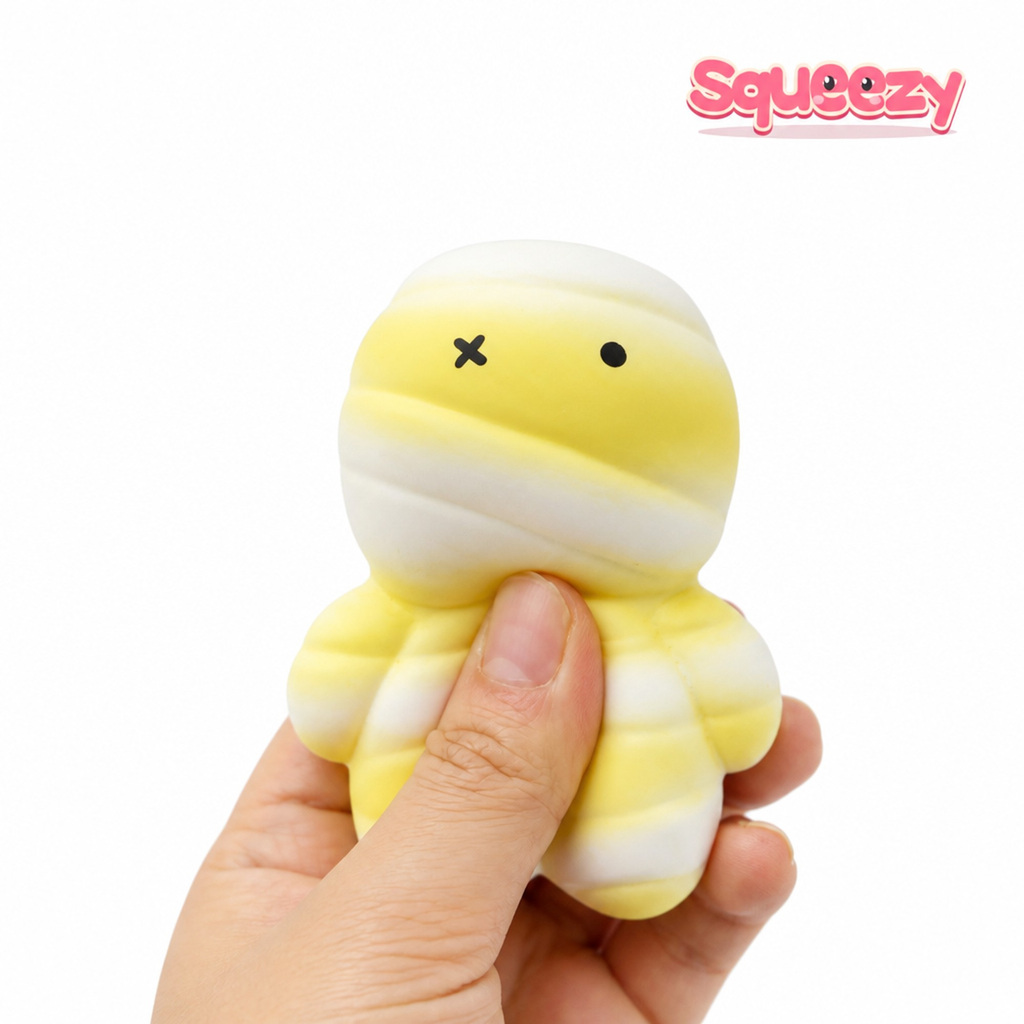 Mummy Squishy
 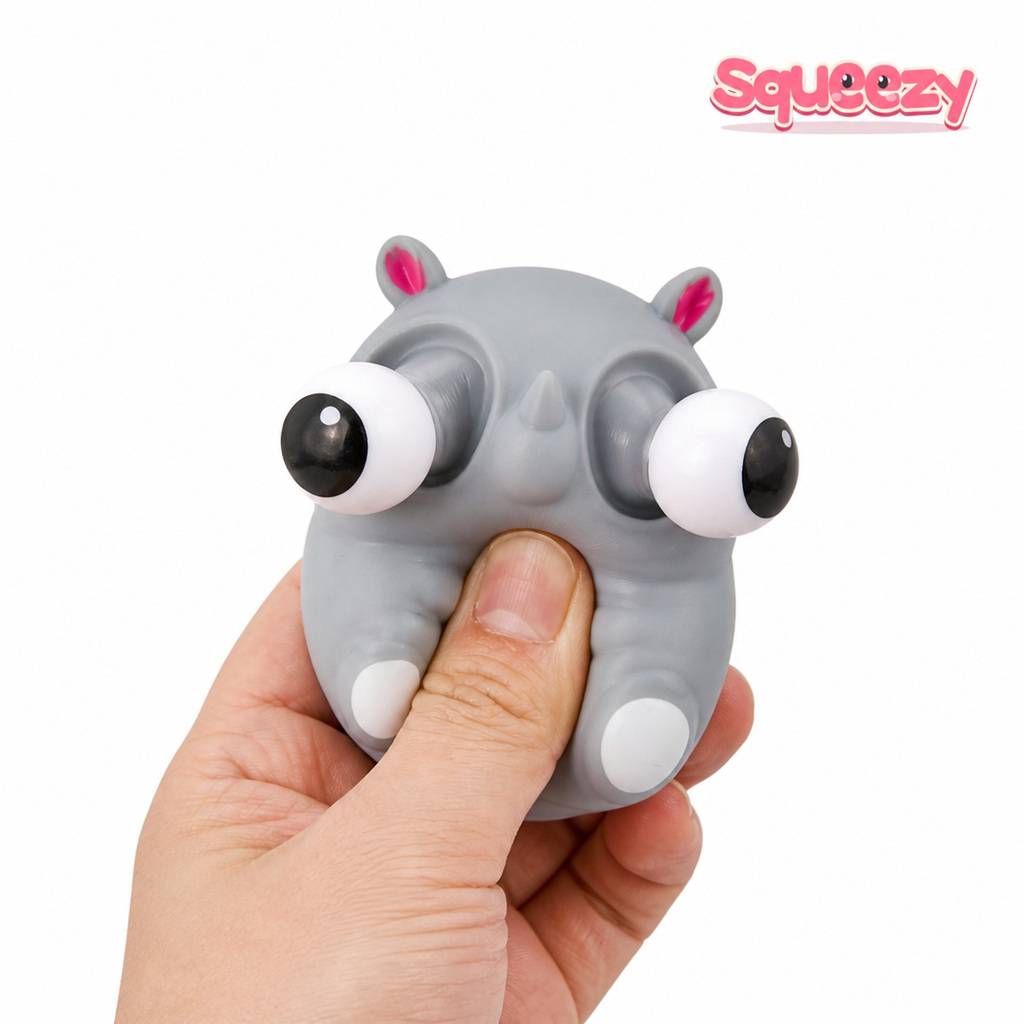 Pop-Eye Rhino
 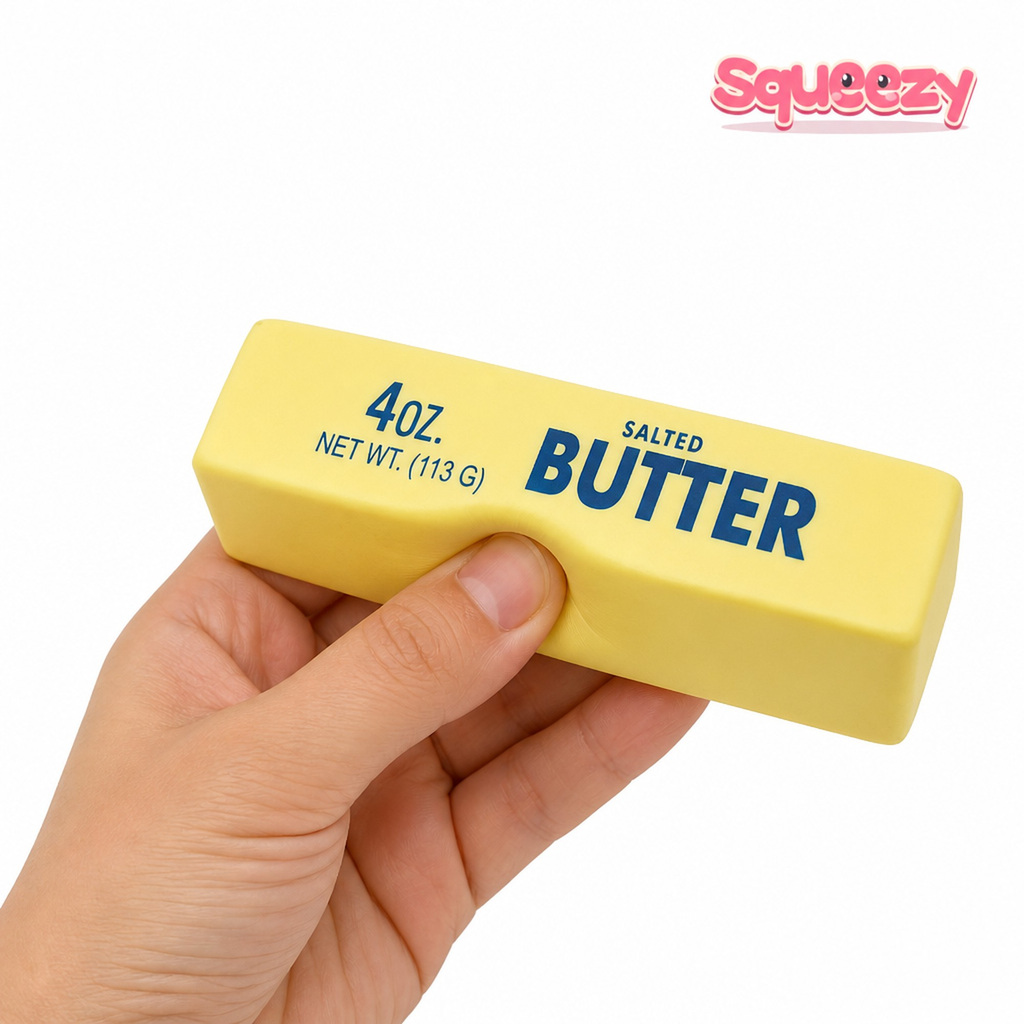 Salted Butter Stick
 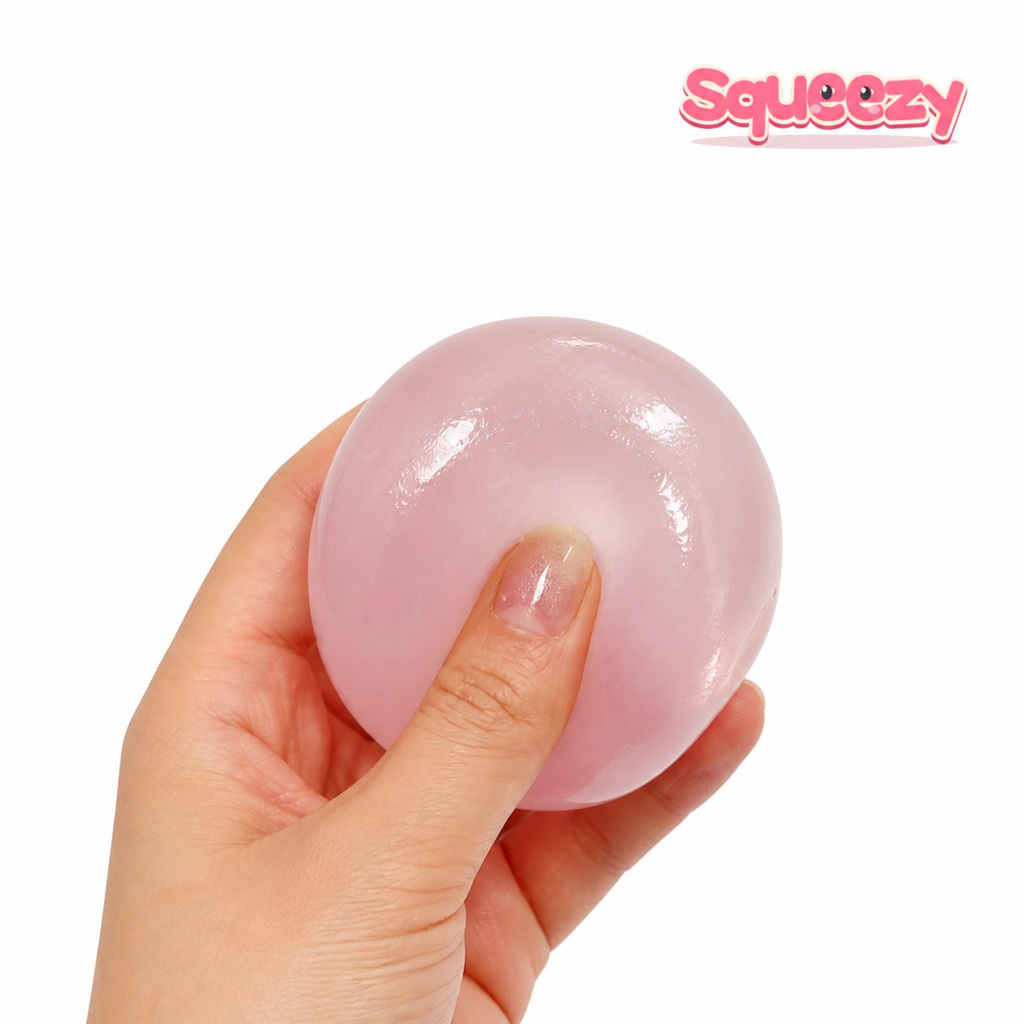 Pink Lychee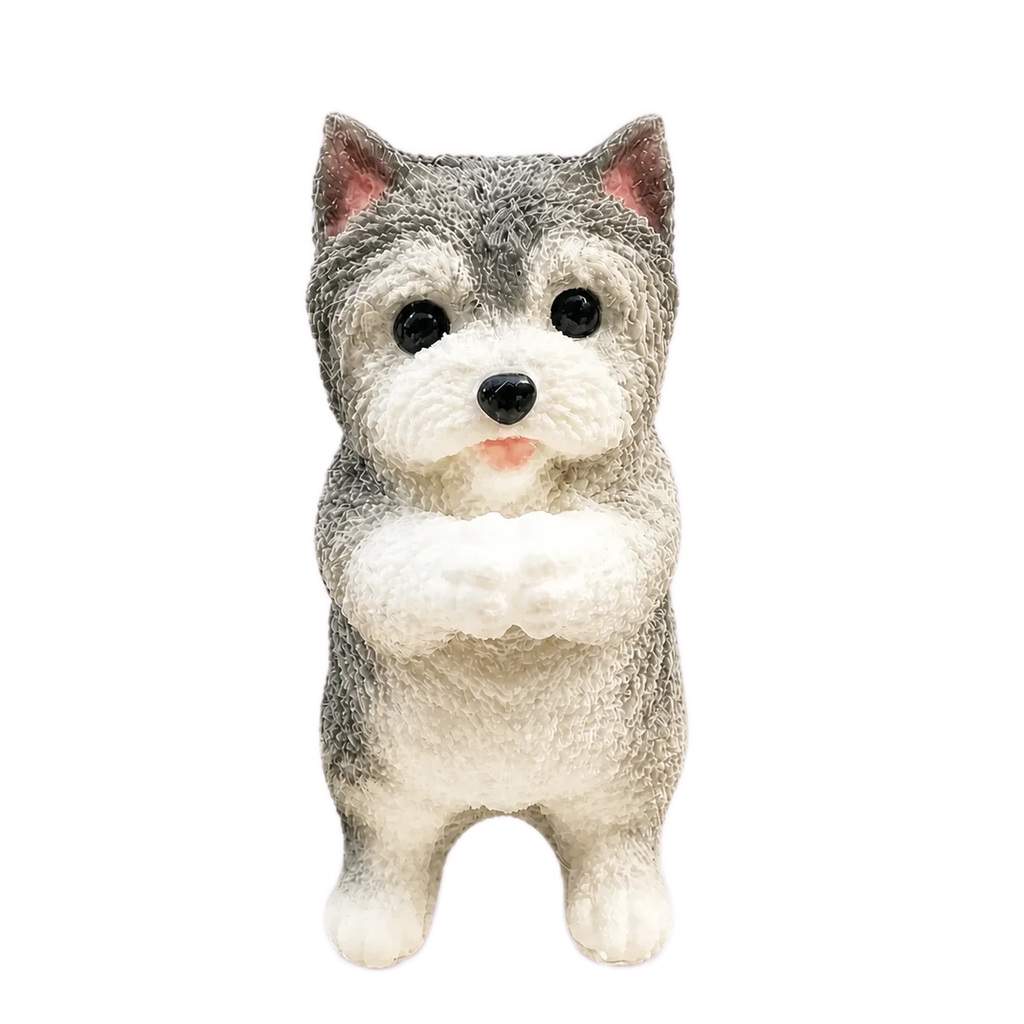
Customizing squishies starts with the material, not the paint
Customizing squishies goes wrong most often for one reason: the paint was chosen before anyone checked what the squishy is made of. Soft foam, silicone, clear gel and flocked fuzz each react differently to paint. Foam can take thin acrylic layers, platinum silicone needs a silicone-based paint, and flocked or gel squishies are poor candidates. Identify the material, test a hidden spot, and keep every coat thin.
That is the whole method, whether you’re planning a full squishy makeover or just adding a face. The rest of this post explains each step, why paint cracks on a slow-rise squishy, and which squishies in our shop make sensible starting points.
Most listings never say what the squishy is made of
We checked the 731 active listings in our squishies collection on 30 September 2026, looking for a material word in the name or description:
| Material word in the listing | Listings |
|---|---|
| Foam (including PU) | 140 |
| Plush, flocked, fuzzy or velvet | 34 |
| Silicone | 25 |
| TPR | 15 |
| None of these words | 527 |
Some listings name two materials, so the rows overlap. The point is the last line: 527 of 731 listings, about 72%, don’t tell you what you’re painting. That’s why a test patch matters more than any paint recommendation.
A quick way to narrow it down at home: opaque, matte squishies that dent and slowly refill are usually foam. Clear or see-through ones that jiggle are gel or TPR. Squishies with a fuzzy, fabric-like skin are flocked. Anything sold as silicone, or made from a liquid silicone kit, is silicone.
Squishy paint by material
| What you have | What to try | What to expect |
|---|---|---|
| Opaque slow-rise foam | Thin, fluid acrylic, several light coats | The most forgiving surface. Thick coats crack. |
| Platinum silicone (kit-made or listed as silicone) | A silicone-based paint made for platinum silicone | Ordinary craft paint is a gamble here. Test first. |
| Clear gel or TPR | Honestly, leave it | We haven’t found a paint maker that gives instructions for these, and we haven’t tested it. |
| Flocked or fuzzy | Don’t paint the fuzz | Paint mats the fibres and loses the soft feel. |
For silicone, the clearest example is Smooth-On’s Psycho Paint. The maker describes it as a platinum silicone paint base for colouring platinum silicone pieces, applied thinly by airbrush or brush, and says it will stretch and bend with the piece without cracking or peeling. It also says the surface must be platinum-cured silicone and clean of mould release (Smooth-On). If your silicone squishy came from a store and the listing doesn’t say which silicone it is, you can’t confirm that condition, so a test patch is not optional.
Why paint cracks on a slow-rise squishy
Acrylic paint dries into a plastic film, and every squeeze bends that film. Golden Artist Colors, a paint maker, explains two things that matter here.
First, thickness. In its guide to painting leather, Golden says paint that is applied or built up too thickly is more likely to crack when flexed, and that thin paint that soaks into the surface adheres better (Just Paint). A squishy is squeezed flat over and over, so the same advice applies.
Second, temperature. Golden’s technical notes for its Heavy Body acrylics say the film starts to stiffen at 59°F (15°C) and, below 40°F (4.5°C), becomes brittle and may fracture when flexed. They also call acrylic a thermoplastic, and the leather guide adds that warmth makes it softer and tackier (Golden).
Put together: a thick coat on a squishy that sits in a cold car and then gets squeezed is a likely way to end up with cracked paint. Thin coats, a warm room, and waiting for full drying give the paint the best chance. If the foam itself is old and crumbling, paint won’t save it; we explain foam ageing in what PU foam is and why it cracks.
How to paint a mochi squishy (check the word “mochi” first)
“Mochi” in a squishy name describes a soft, stretchy, dough-like feel. It doesn’t name a material. In our own catalogue, the Mochi Dog Squishy listing doesn’t state a material at all, while the Kawaii Mochi Bagel Squishy says it has a soft silicone skin. Two “mochi” squishies, two different surfaces, so two different paint answers. Work out the material with the checks above, then follow the table.
A test patch you can do in one afternoon
- Pick a spot the finished design will hide, such as the base or the back.
- Wipe it clean and let it dry.
- Brush on one thin coat. If the paint is thick, thin it first.
- Let it dry fully at room temperature, overnight if you can.
- Squeeze the squishy as hard as you normally would, about 20 times, and fold the patch.
- Look for cracks, peeling or a tacky feel. Scratch the edge lightly with a fingernail.
If the patch passes, paint the design in several thin coats, letting each dry. If it fails, the surface or the paint is wrong; more coats won’t fix it.
Do you need a sealer?
Maybe. Golden notes that the flexibility of its acrylic film comes with a somewhat soft surface that can mark or pick up dirt, and it suggests varnishes or topcoats where needed. A sealer on a squishy has to bend exactly like the paint does, so treat it the same way: one thin layer, the same squeeze test on your patch, and skip it if the patch turns stiff or sticky.
Good squishies to start with
If you want a foam surface, pick a listing that actually says foam, such as the Bitten Chocolate Squishy Bar or the Honey Bun Bear Squishy, which comes as a two-pack for $17.99, so one bear can be the test piece. If you just like the look of painted detail, the Schnauzer Dog Squishy in the photo above is already hand-painted, and it’s a useful reference for how thin the fur strokes are.
One thing to decide before you paint a new squishy: a return means sending the squishy back with everything it came with, and damage from heat or harsh chemicals isn’t covered. Keep it, then customize it. The details are in our refund policy. If you tear a squishy while working on it, our glue guide covers repairs by material.
FAQ
What is the best paint for customizing squishies?
It depends on the material. For foam, start with thin, fluid acrylic in light coats. Platinum silicone needs a silicone-based paint made for it. We don’t recommend painting clear gel, TPR or flocked squishies.
Can you paint a mochi squishy?
Sometimes. “Mochi” describes the feel, not the material, so check what the squishy is made of first and run a test patch on the base.
Why did the paint on my squishy crack?
Usually because the coat was too thick or the squishy was squeezed while cold. Acrylic film gets stiffer as it gets colder, and thick film cracks more easily when bent.
How do you decorate squishies without the paint cracking?
Use thin coats, let each one dry fully in a warm room, and squeeze-test a hidden patch before painting the whole squishy. Painting squishies with one thick coat is an easy way to get cracks.
Are customizable squishies different from normal ones?
Not really. Any squishy with a paintable surface can be customized. What makes one “customizable” is its material, which is why checking the listing, or testing, comes first.