 Cheese Squishy
 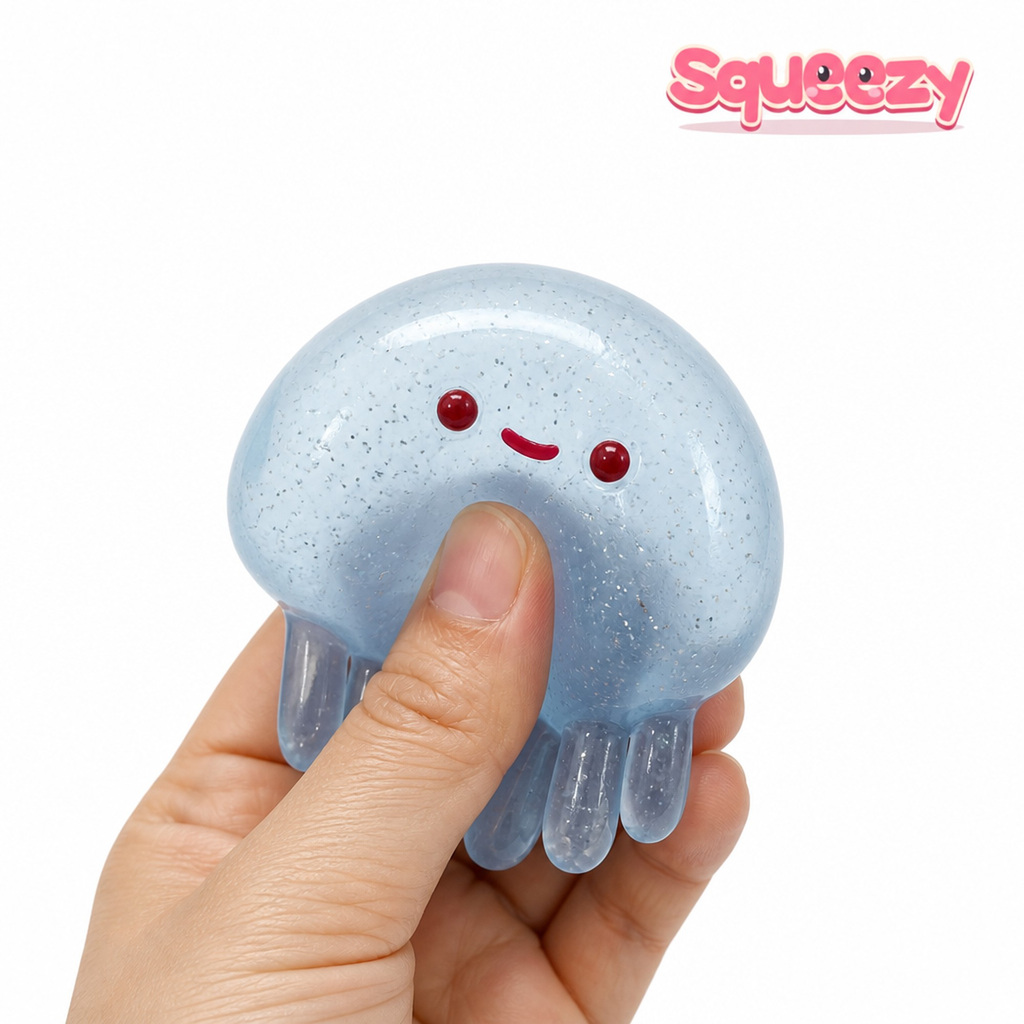 Jellyfish Squishy
 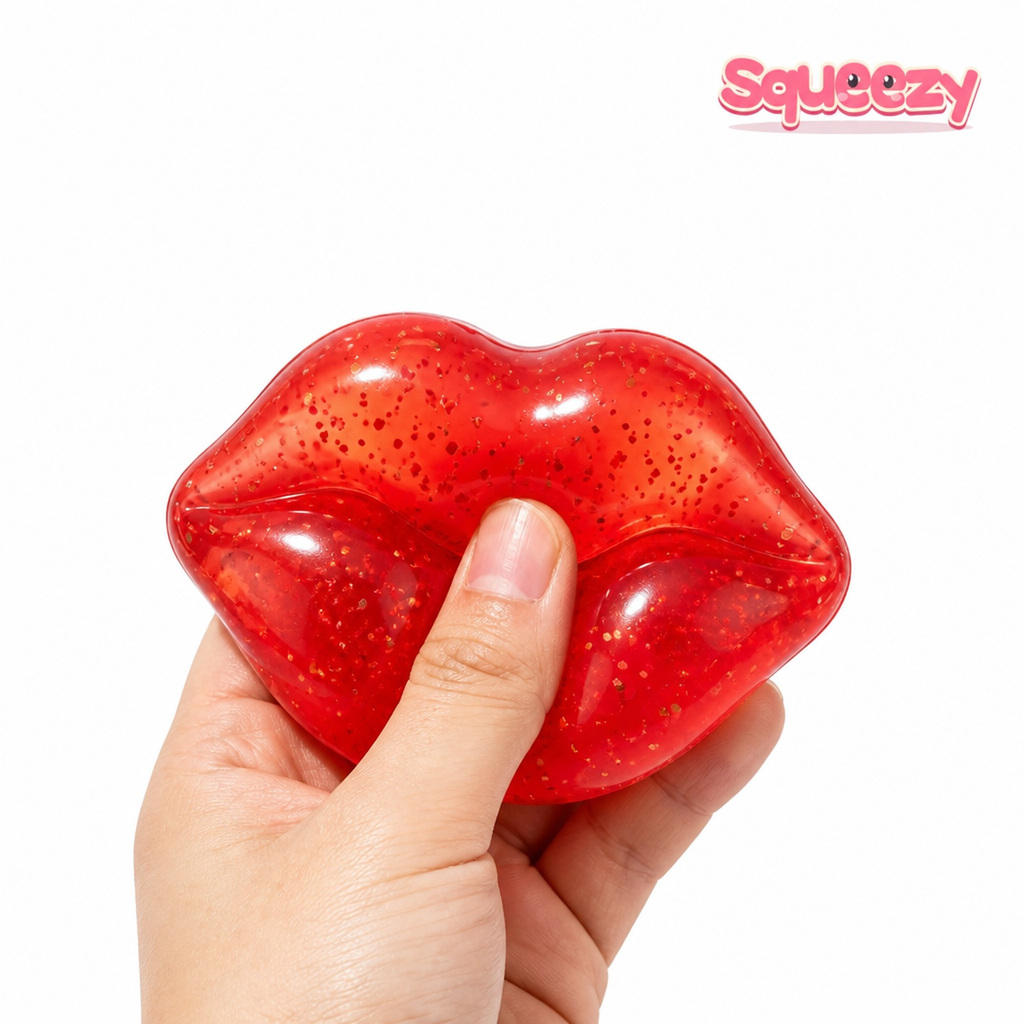 Jumbo Lips Squishy
 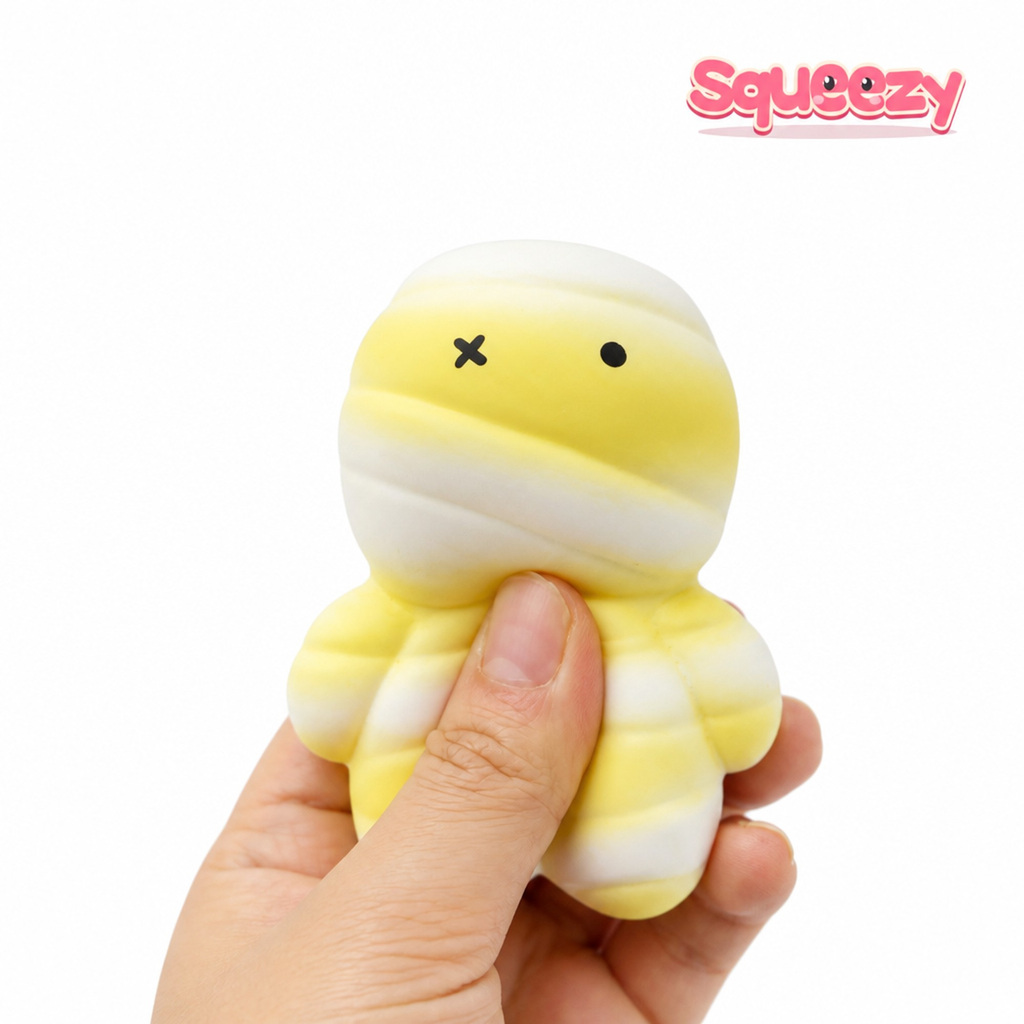 Mummy Squishy
 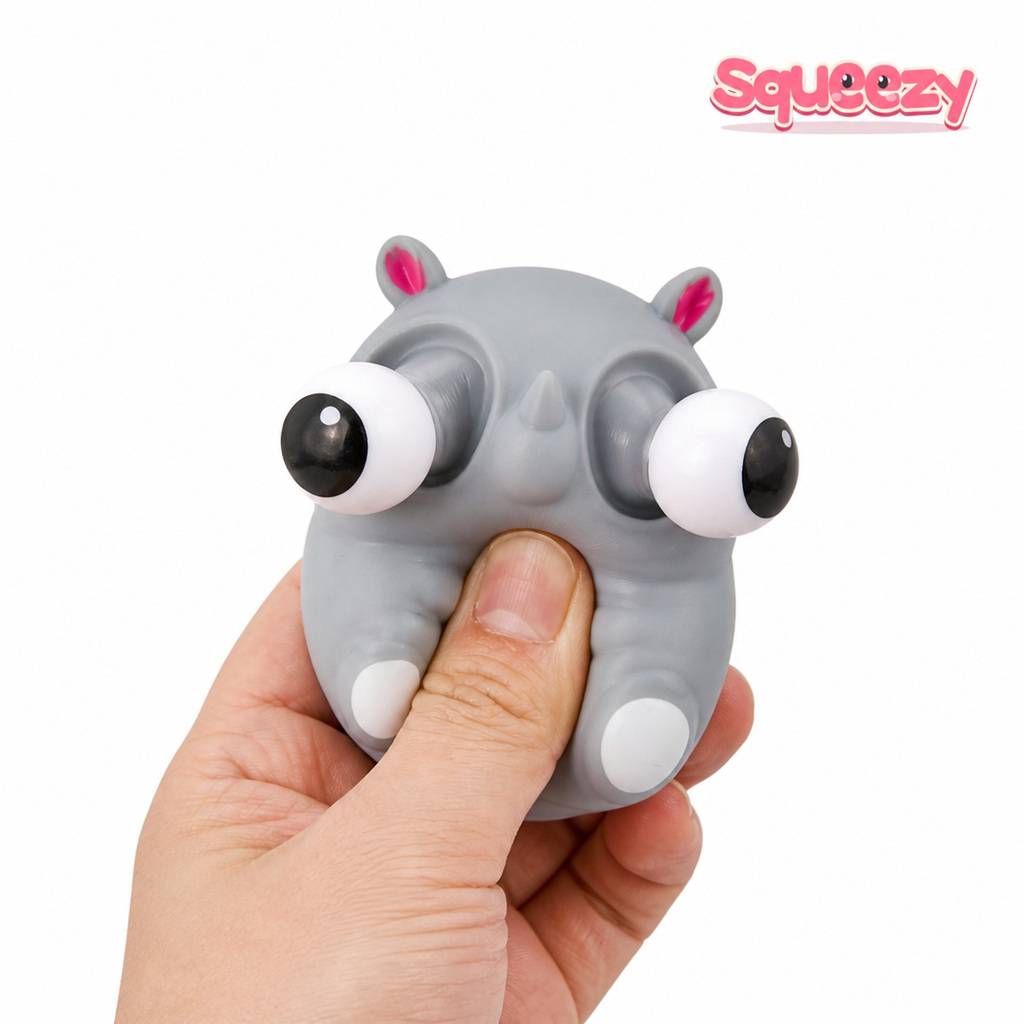 Pop-Eye Rhino
  Salted Butter Stick
  Pink Lychee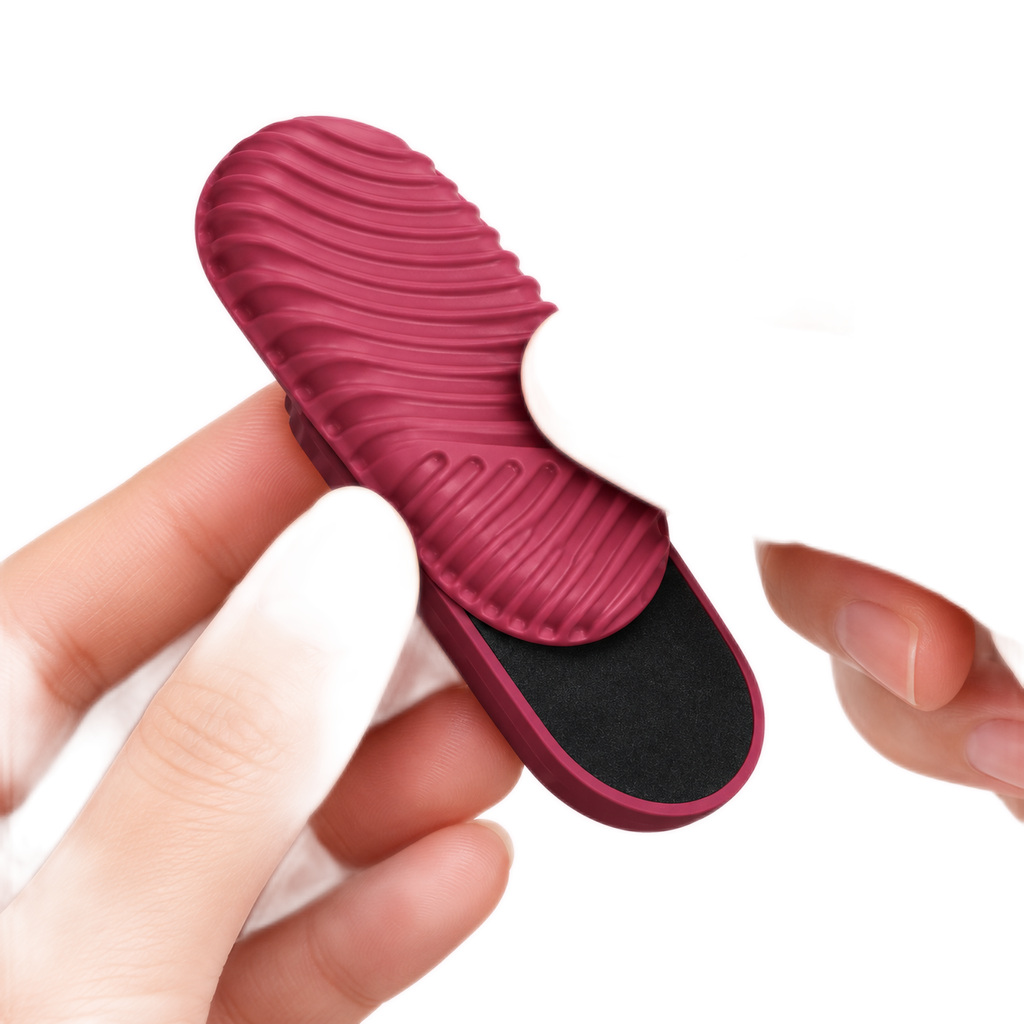
A magnetic fidget toy is fine until a magnet gets out
With a magnetic fidget toy, the safety question is not how strong the click feels. It is whether the magnets stay sealed inside the toy. A magnetic slider fidget toy keeps its magnets locked in two plates. A magnetic ball fidget toy sold as separate pieces is meant to come apart. This guide shows how to tell which kind you have. It covers what the US rule says and what to check before the toy sits on a shared desk.
The reason this matters is specific. The US Consumer Product Safety Commission explains that “when two or more magnets are swallowed, they attract each other internally,” and that removing them often means surgery (CPSC magnet safety page). One small magnet on its own is a choking-size object. Two that find each other inside the gut are a different problem, and that is the case the rules are written around.
Where the magnet lives in each design
The shape of the toy tells you more than the word “magnetic” in its name.
| Design | Where the magnets usually are | Is coming apart part of normal play? | What to look at |
|---|---|---|---|
| Two-plate slider | Embedded in the base and the sliding plate | No. The plates slide, the magnets stay inside | Edges and the underside of each plate |
| Panel box | In the panels and the frame they click into | The panels lift out; the magnets should stay in them | Corners of each panel, the empty slot |
| Ball sets and loose pieces | In each separate piece | Yes. Pulling pieces apart is the point | How many pieces there are, and whether any are small |
| Single textured ball | Inside the ball, if the listing says so | Not by design | Seams and any split in the surface |
If a design is sealed, your job is to notice when it stops being sealed. If a design is loose by design, the job is counting and keeping it away from young children.
What our four listings actually tell you
We sell three toys in our Magnetic Fidget Toys collection and a fourth that sits in Fidget Sliders. Here is what each listing records, word for word where it matters, and what it leaves out.
- Magnetic Silicone Slider, $17.99. The listing calls it a “ridged silicone slider with a magnetic base.” The photo shows a ribbed top plate moving over a dark base plate. This is the two-plate design from the table.
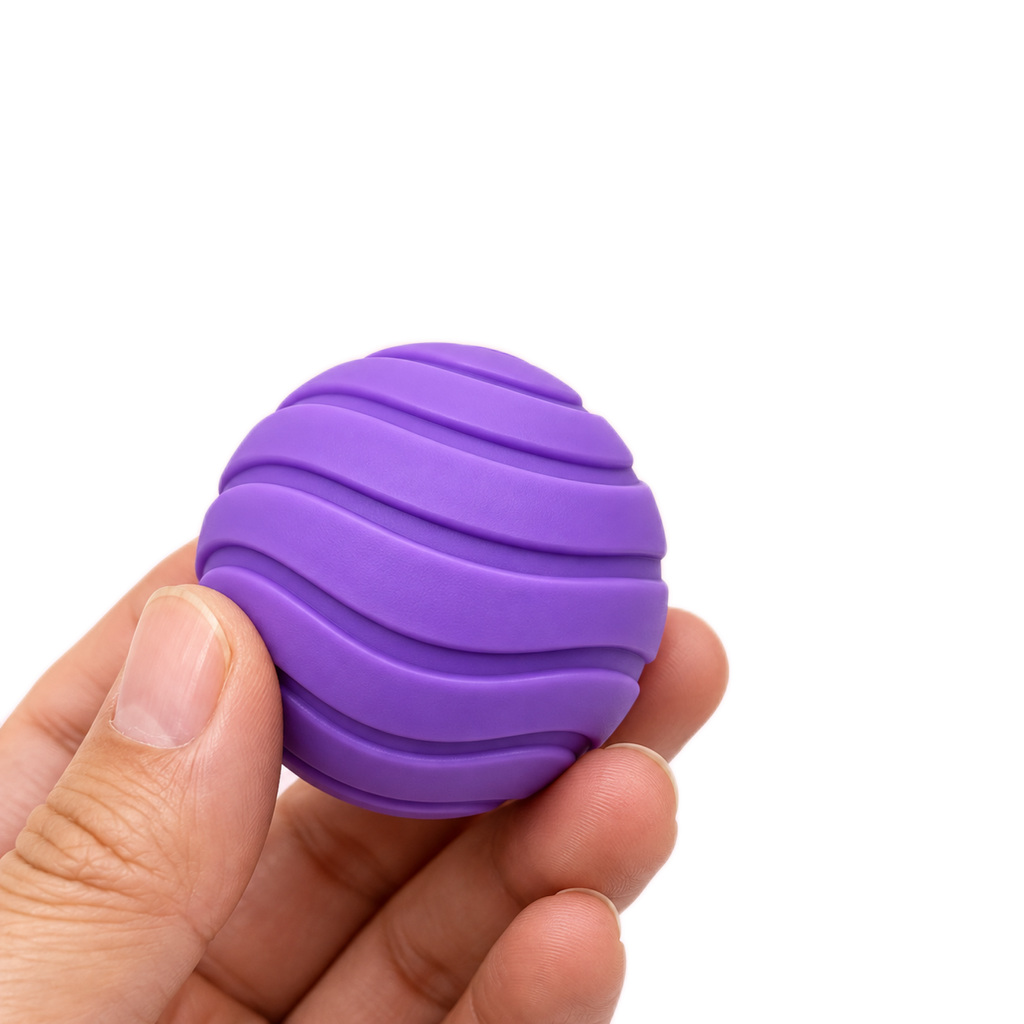
- Purple Magnetic Sensory Ball, $17.99. Described as “a purple textured magnetic sensory ball with a broad wave pattern.” The photo shows one ball. The listing does not say whether it separates, or how the magnets are held.
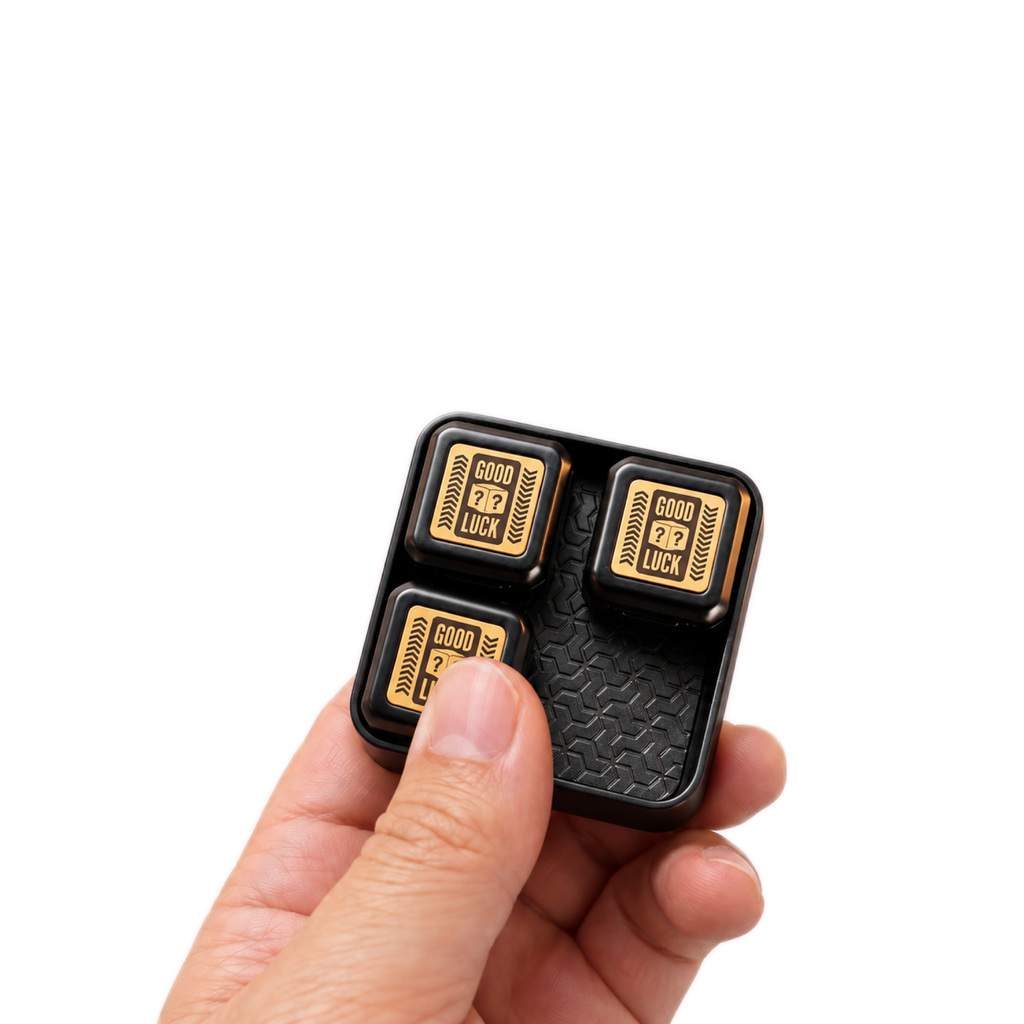
- Magnetic Fidget Box, $17.99. “A compact fidget box with visible magnetic panels and sliding parts.” The photo shows three square panels in a black frame with one open slot, so the panels move between positions.
- Yellow Textured Slider Fidget Board, $17.99, 10 x 5 x 2 cm and 80 g. Its description mentions raised bumps and “a ridged center bead for back-and-forth play.” It does not mention a magnet at all.
None of the four listings records magnet size, magnet count or magnet strength. So we are not going to quote a strength figure, name an age grade or say that any of them meets a particular standard. What the listings do tell you is the design, and the design tells you which of the checks below applies.
What the 2022 US magnet rule covers
In September 2022 the CPSC approved a federal safety standard for magnets (CPSC news release, September 7, 2022). Three points from that release are worth knowing as a buyer:
- It names stress relief. The rule covers products “designed, marketed, or intended to be used for entertainment, jewelry (including children’s jewelry), mental stimulation, stress relief, or a combination of these purposes” that contain loose or separable magnets. Desk fidgets for adults fall squarely in that wording.
- It is about loose or separable magnets. Each such magnet that fits inside the CPSC small parts cylinder must have a flux index below 50 kG² mm². A magnet sealed inside a slider plate is not what the rule describes, unless it comes free.
- Children’s toys sit under a different rule. The release says toys for children under 14 are excluded because the mandatory toy standard already covers them.
The same release estimates 26,600 magnet ingestions treated in US hospital emergency rooms from 2010 through 2021.
Magnet safety checks at home
These are observation checks, not a lab test. They take a minute.
- Count loose pieces on arrival. For any set that comes apart, write the number down. Count again after it has been passed around an office or a classroom.
- Look at every edge. On a magnetic slider fidget toy, turn both plates over and look along the rim. On a panel box, check the corners of each panel. A crack that shows metal is the moment to retire the toy.
- Keep small magnets away from small children. That is the CPSC’s plain advice. It also covers older kids. The same page calls magnets “a safety risk to children — toddler through teen.”
- Know what to do if you suspect a swallow. The CPSC says to seek immediate medical attention. It lists abdominal pain, nausea, vomiting and diarrhea as signs to watch for. It warns that on an X-ray, several magnets stuck together can look like one object.
If a toy from us arrives with a magnet showing or a piece missing, that counts as a damaged or incomplete order. Send a photo and your order number and we will sort out a replacement or refund. Our refund policy has the details.
A slider fidget toy does not have to be magnetic
“Slider” describes the motion, not the mechanism. Our Yellow Textured Slider Fidget Board is a slider fidget toy with no magnet in its listing. The centre bead runs back and forth along a textured board. If the point of buying a slider is a quiet thumb motion at a desk, a non-magnetic one does the same job and takes the loose-magnet question off the table. For more quiet desk options, see our guide to quiet fidget toys for class and office.
FAQ
Is a magnetic fidget toy safe for kids?
It depends on the design and the child. A sealed slider keeps its magnets inside unless it cracks. Sets of small separate pieces are loose by design. The CPSC advises keeping small magnets away from children. Its 2022 rule treats children’s toys under the separate toy standard.
What is the difference between a magnetic slider fidget toy and a slider fidget toy?
A magnetic slider fidget toy uses magnets to hold two plates together while one slides over the other. A plain slider fidget toy only needs a track or a moving bead. Our Yellow Textured Slider Fidget Board is one of those, and its listing does not mention a magnet.
Does a magnetic ball fidget toy come apart?
Some do and some don’t. Sets of small magnetic balls are made to be pulled apart and rebuilt. A single textured ball is one piece unless it splits. Our Purple Magnetic Sensory Ball listing shows one ball. It does not say whether it separates, so treat it as one piece and check its surface for splits.
What should I do if a magnet falls out of a fidget toy?
Put the toy and the loose magnet out of reach of children and stop using it. If there is any chance a magnet was swallowed, the CPSC advice is to seek medical attention immediately. If the toy came from us and a magnet was loose on arrival, contact us with a photo.