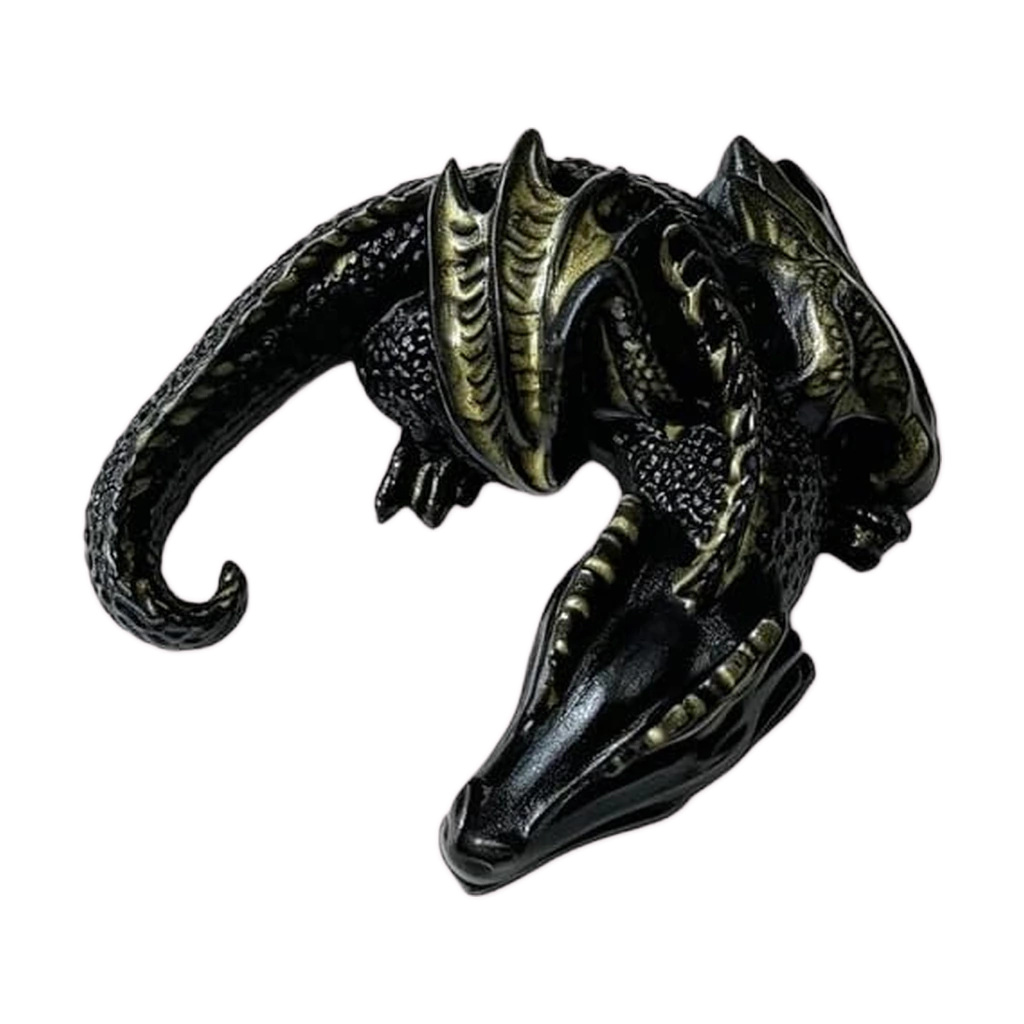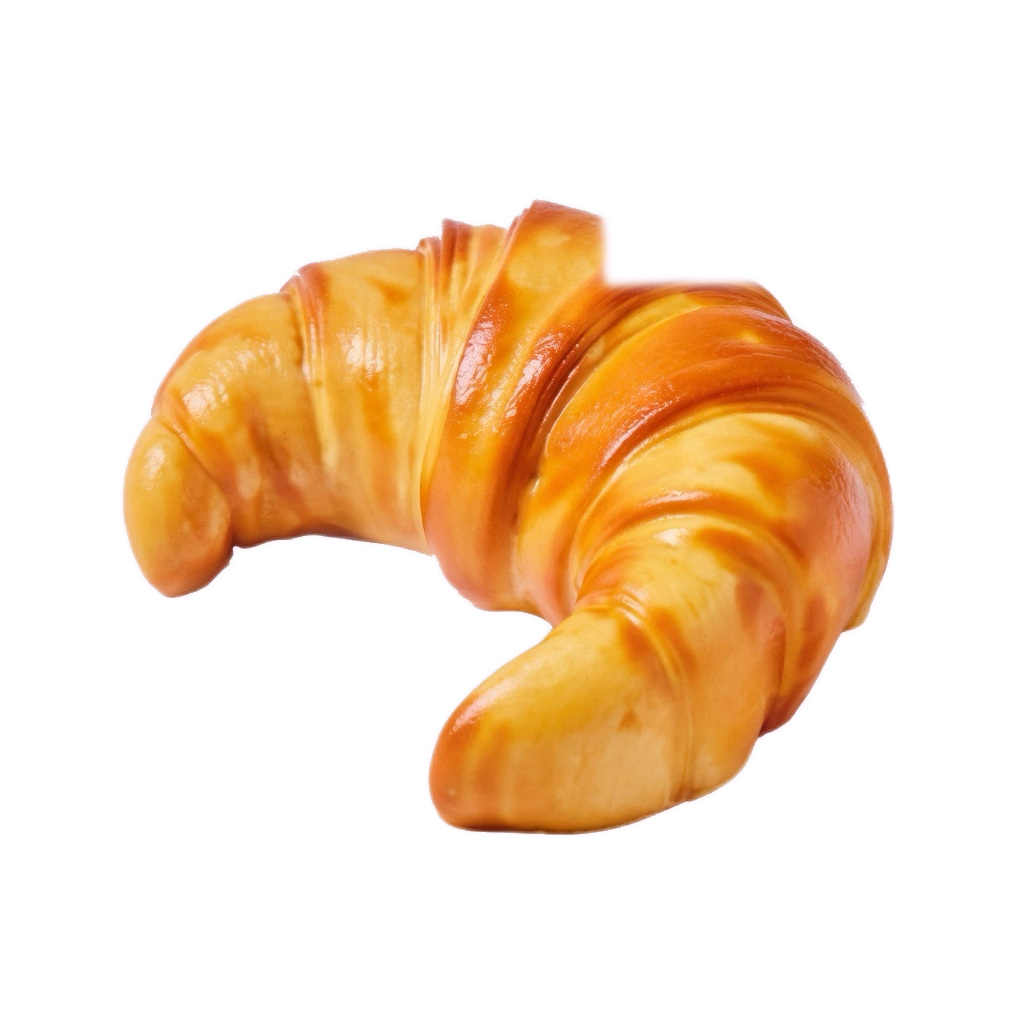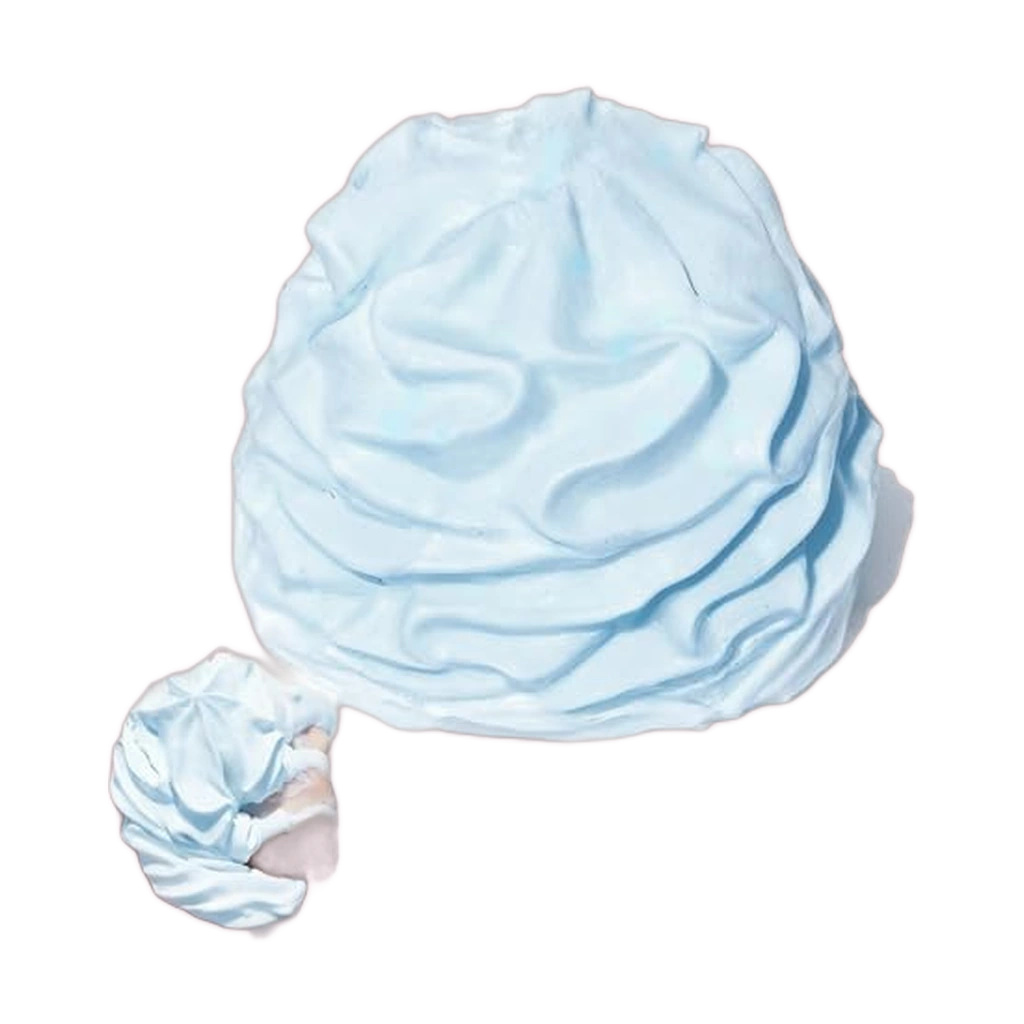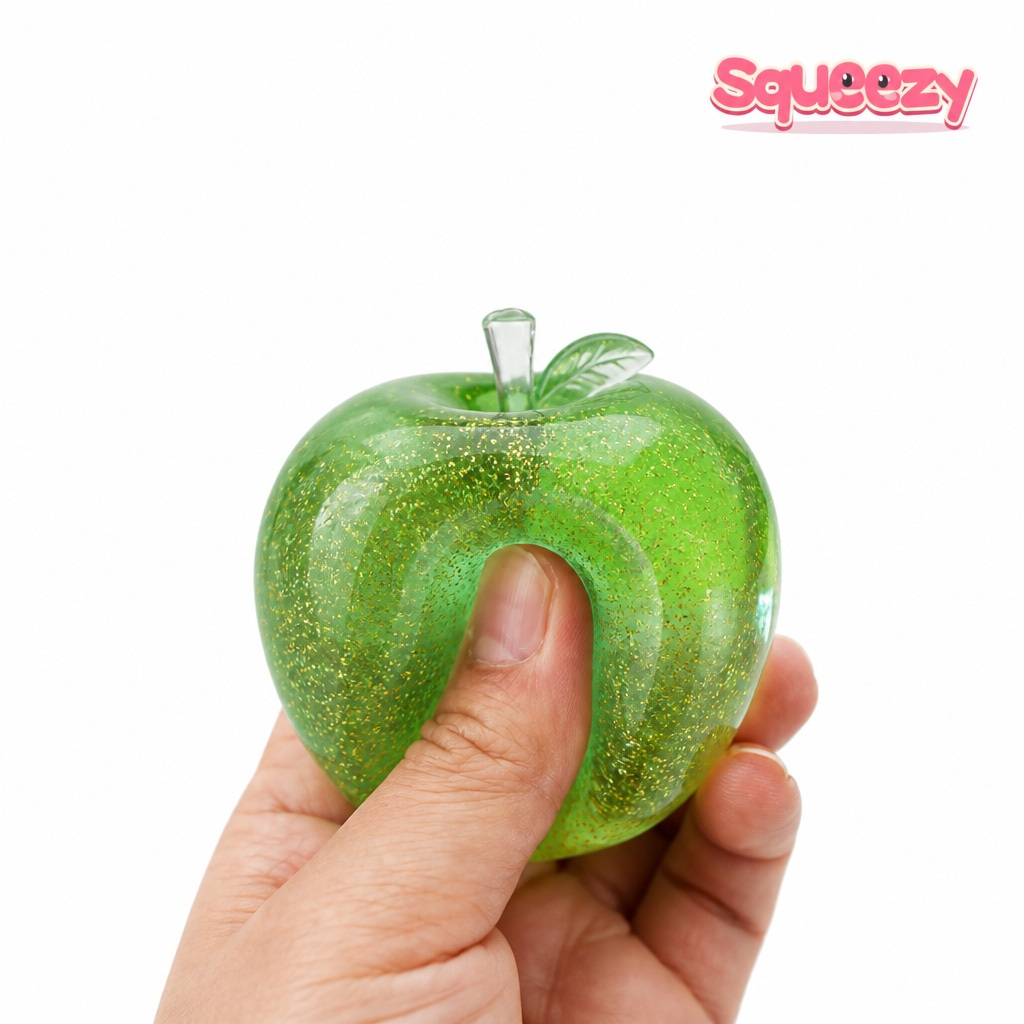
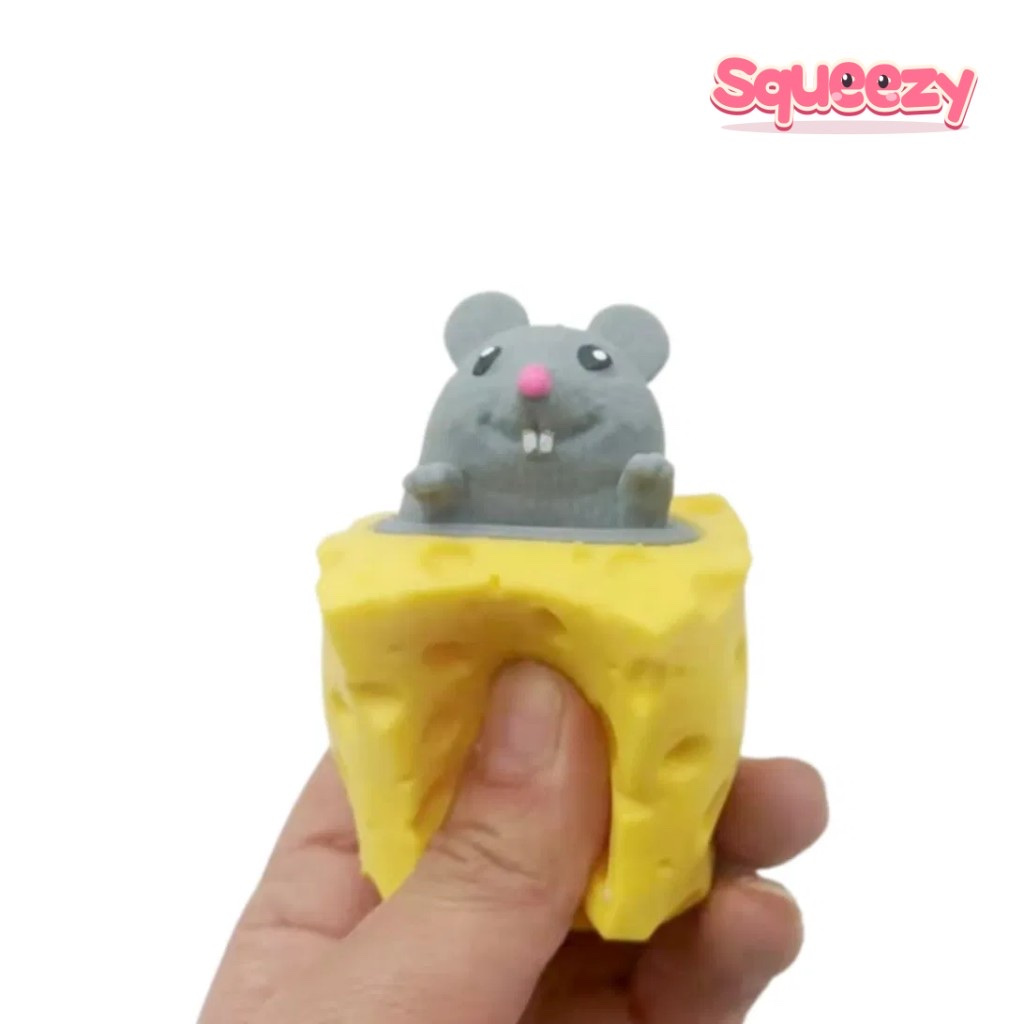
 Cheese Squishy
 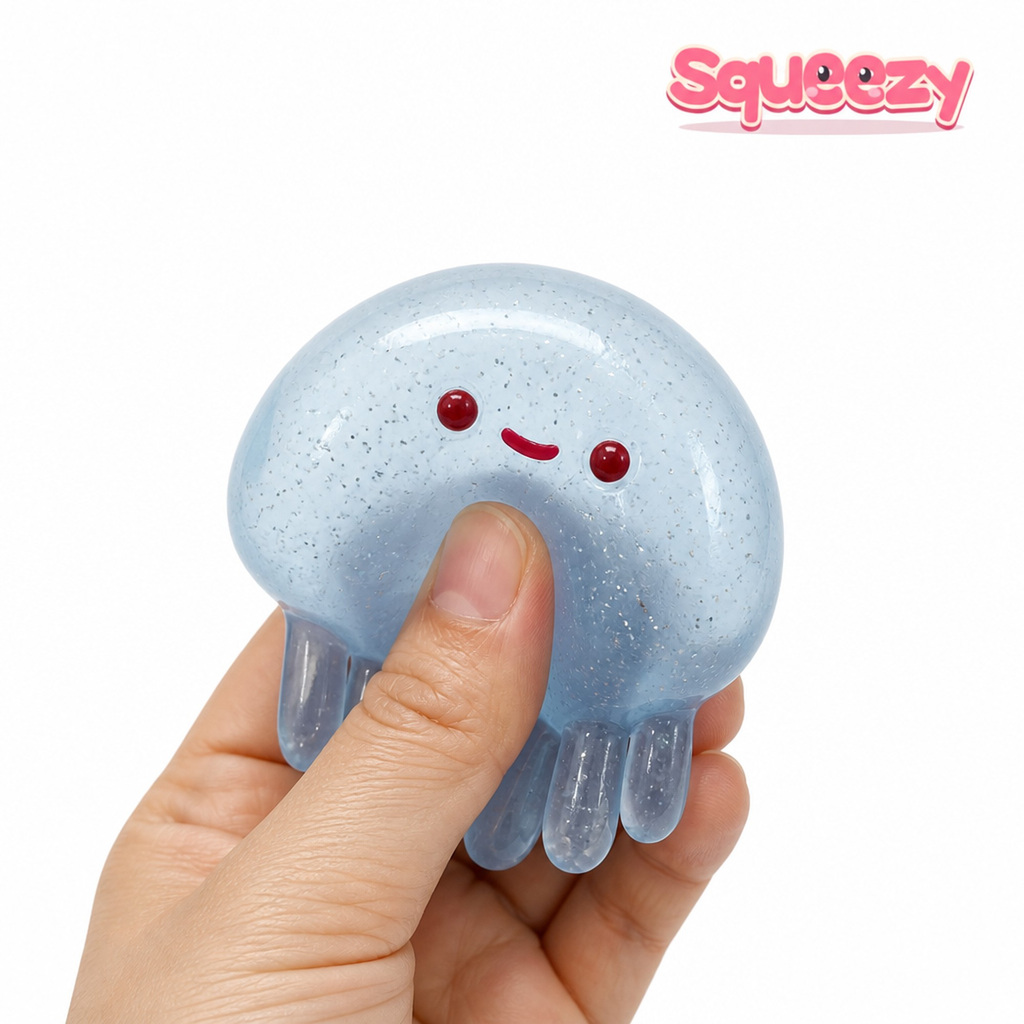 Jellyfish Squishy
 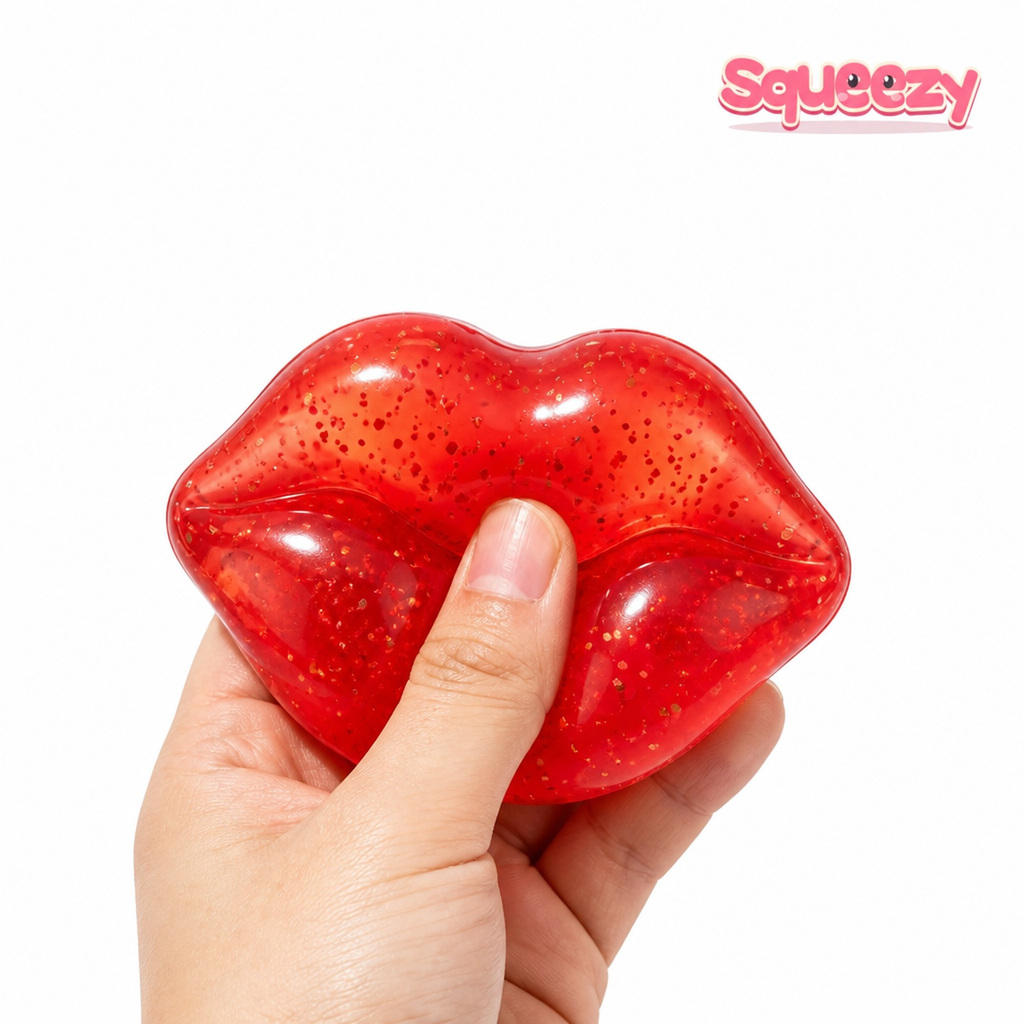 Jumbo Lips Squishy
 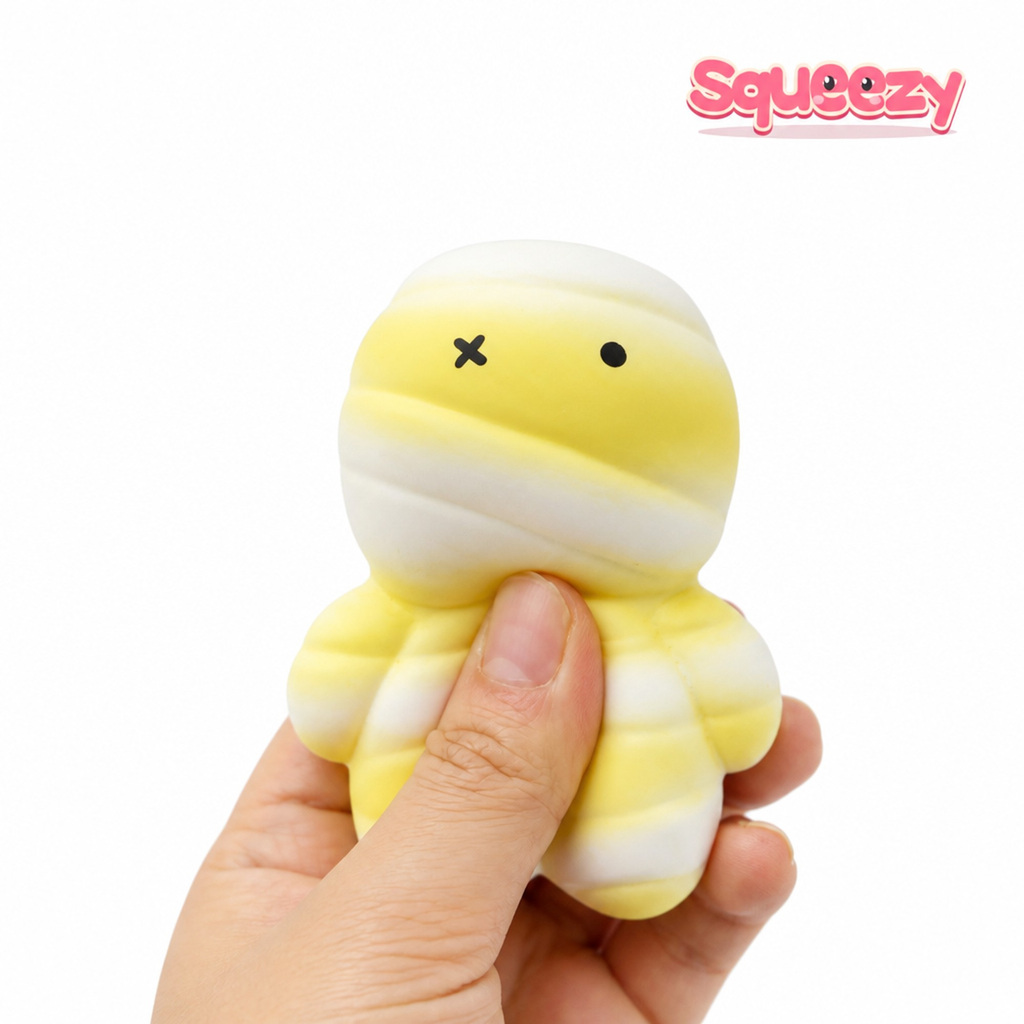 Mummy Squishy
 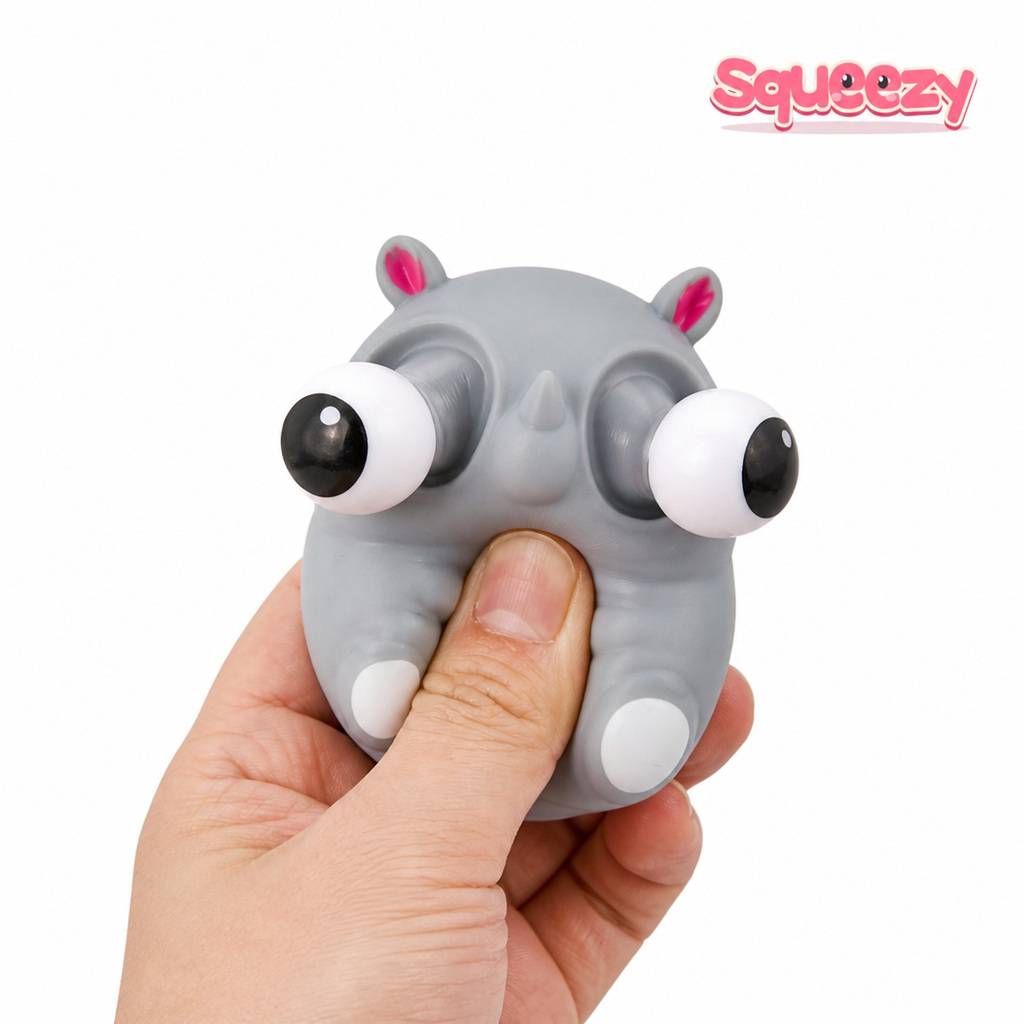 Pop-Eye Rhino
 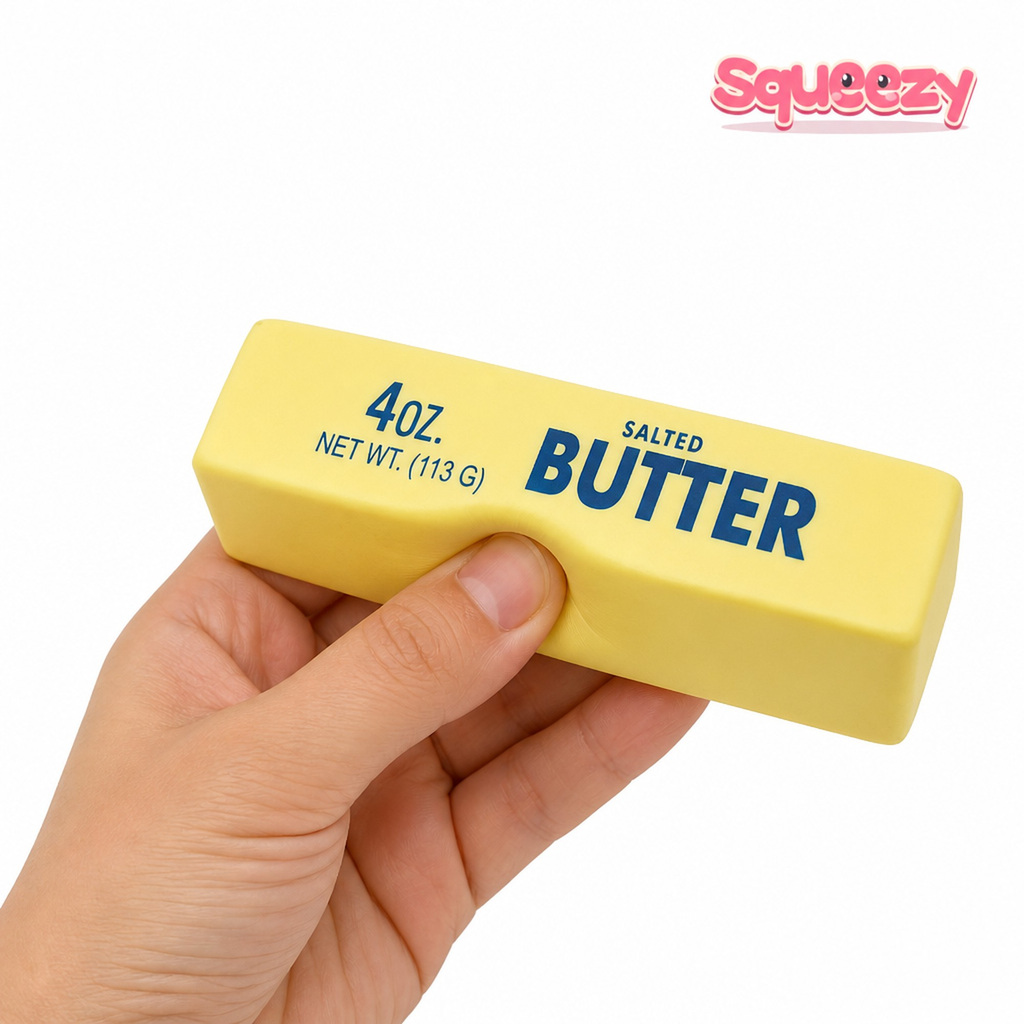 Salted Butter Stick
 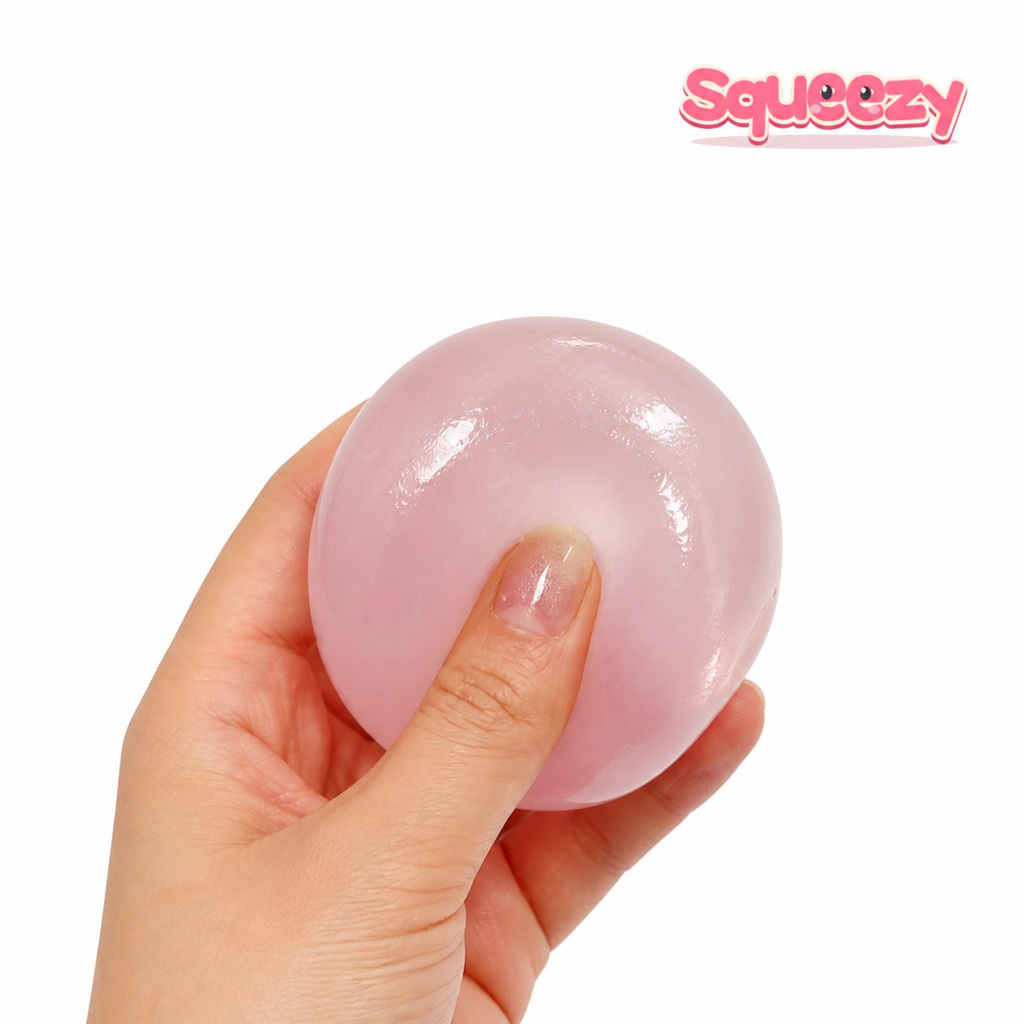 Pink Lychee
Silicone fidget toy or TPR: which one lasts longer?
Neither wins on every count, because the two materials wear out in different ways. Silicone is cured: once it has set it does not melt again, so heat is where a silicone fidget toy clearly outlasts TPR. TPR, short for thermoplastic rubber, is shaped by melting and cooling, and its softest grades get their softness from oil blended in, so heat, and being left squashed for long periods, are its weak points. A cut or a tear ruins either one.
We have not run wear tests on our toys. What follows is what the companies that make these raw materials publish, set against what our own listings say, and the gaps where nobody says anything.
“Silicone fidget toy” means two different objects
When you search for a silicone fidget toy, most results are firm pieces: pop fidgets, sensory boards, spiky rings. A soft silicone squishy is a different kind of toy made from the same family of material. On September 30, 2026 we pulled every active listing in our shop whose text names silicone or TPR, 46 in all, and they split like this:
| What it is | How many | Examples | What you do with it |
|---|---|---|---|
| Firm silicone fidgets | 5 | Silicone Sensory Stones, Blue Silicone Sensory Spinner Ring, Magnetic Silicone Slider, a six-piece suction cup set, a pop ball keychain | press, pop, roll, wear |
| Soft silicone squishies | 22 | Kawaii Fox Squishy, Silicone Turtle Squishy, five sloth squishy lamps, cakes, a donut, a croissant | squeeze and watch it rise |
| Liquid silicone kits | 2 | kits for pouring your own squishies | make, then squeeze |
| TPR squishies and skins | 16 | six axolotls, the Chick Squishy Ball, a glitter dumpling, two eggs, the Sticky Corn 2 Pack, a moldable brain, a 15-skin DIY kit | squeeze, stretch, fill |
One more listing, a penguin, describes a “silicone-style give”. That is a description of the feel, not a statement of material, so we left it out of the count. Our Silicone Fidget Toys collection holds two of the firm pieces: the stones and a turtle-shell presser.
The firm silicone fidgets and the TPR squishies are rarely bought for the same job, so the useful comparison is the middle one: a soft silicone squishy against a TPR squishy. That is what the rest of this page covers.
Cured versus melted: the difference that drives the rest
Soft silicone rubber is made by mixing two liquids that react and set. Smooth-On, which sells the Ecoflex silicones, describes its rubbers as platinum-catalyzed silicones that cure at room temperature, and says the cured rubber stretches many times its size and “will rebound to its original form without distortion” (Smooth-On). Once that reaction has happened, it cannot be undone by heating.
TPR belongs to the thermoplastic elastomers. Kuraray, a maker of the base polymers, explains that because they are thermoplastic, these materials “become processable liquids when heated and return to their solid form when cooled”, and that the very soft gel grades are mostly liquid by mass, a plasticizing oil held together only by entangled polymer chains (Kuraray). That is what makes them cheap to mold and easy to reprocess, and it is also where their limits come from.
One honest caveat: squishy listings, ours included, never name the grade of silicone or TPR used. These sources describe the material families, not the exact recipe inside any toy.
Four ways they wear out
| What the toy goes through | Soft silicone squishy | TPR squishy | Where this comes from |
|---|---|---|---|
| Heat: a car dashboard, a radiator, a hot wash | Cured, so it does not melt again; Smooth-On rates Ecoflex 00-30 for use up to 450°F | Softens again as it heats, because that is how thermoplastics are formed | Smooth-On data sheet; Kuraray |
| Being left squashed under weight | The maker describes the cured rubber rebounding without distortion | Kuraray notes that ultra-soft gels can be prone to creep and stress relaxation, so they may deform | Smooth-On; Kuraray |
| A nick from a key or a fingernail | Soft grades stretch far, but once cut the skin can split | Same: a cut skin is the usual end of a squishy | no listing or source rates a toy for this |
| The surface | Our silicone listings describe skins as “slightly tacky” or “sticky” | Tack depends on the oil blend; one of our TPR listings promises “no sticky residue” | our listings; Kuraray |
Put together, the picture is not “silicone lasts, TPR doesn’t”. Silicone has the clear edge against heat, and the makers’ own descriptions point the same way on holding its shape. On a nick, neither material has an edge you can count on. On surface feel, the difference is set by the recipe more than the material name, which is why two squishies both labeled TPR can feel so different in the hand.
How to make either one last
The habits are the same for both, and they follow from the table:
- Keep it out of heat. A parked car in summer is the obvious risk, especially for TPR, and our returns policy does not cover damage caused by heat, so this is worth taking seriously. See our refund policy for the full list of what is and is not covered.
- Don’t store it squashed. A squishy left under books or at the bottom of a packed bag is being held in a deformed shape for hours.
- Keep it away from sharp edges. Keys, zips and long fingernails cause more splits than squeezing does.
- Clean it gently. A tacky skin collects lint; our guide to cleaning a squishy without wrecking it starts with working out what yours is made of.
If a split has already happened, the right glue depends on the material, and we cover that in which glue fixes a ripped squishy.
What our listings leave out
None of the 46 listings gives a hardness figure or names a grade. Very few give a size or weight: the Chick Squishy Ball and the Glitter Dumpling Squishy each list about 4.5 × 4.5 cm and 150 g, and one sloth lamp gives a 2 inch dimension. For everything else, you are comparing by photo and by the description’s words. If the material is the deciding factor for you, ask us before you order.
Silicone stress ball or TPR stress ball?
If you searched for a silicone stress ball, the honest answer is that our soft silicone squishies are animal, food and trophy shapes rather than plain balls. The ball shapes we sell with a named material are TPR: the Chick Squishy Ball and the Stress Ball Axolotl Squishy, which its listing calls a “Firm Squeeze Toy”. The silicone pop ball keychain is round, but it is made for popping bubbles, not for squeezing.
FAQ
Is a silicone fidget toy or a TPR one better for carrying around?
For a bag that sits in a hot car or near a heater, silicone, because it does not soften again with heat. For a pocket at room temperature, the gap is small; keeping either away from keys matters more than the material.
Can a silicone fidget toy go in hot water?
The material data sheet for one silicone grade gives a high use temperature, but no toy listing tells you which silicone it uses, and many toys have painted details. We would not put any squishy in hot water, and damage caused by heat is not covered by our returns policy.
Why is my TPR squishy sticky?
Soft TPR-type gels get their feel from oil blended into the polymer, and the maker’s own explanation is that the amount of oil sets how tacky the surface is. Some are formulated to feel grippy. A gentle clean removes lint, but it will not change the formulation.
Is a silicone squishy the same as a taba squishy?
A taba squishy is usually a squishy cast from liquid silicone, so it is one kind of silicone squishy. Our taba squishy kit guide compares the kits, and how to make a taba squishy at home walks through the pour.