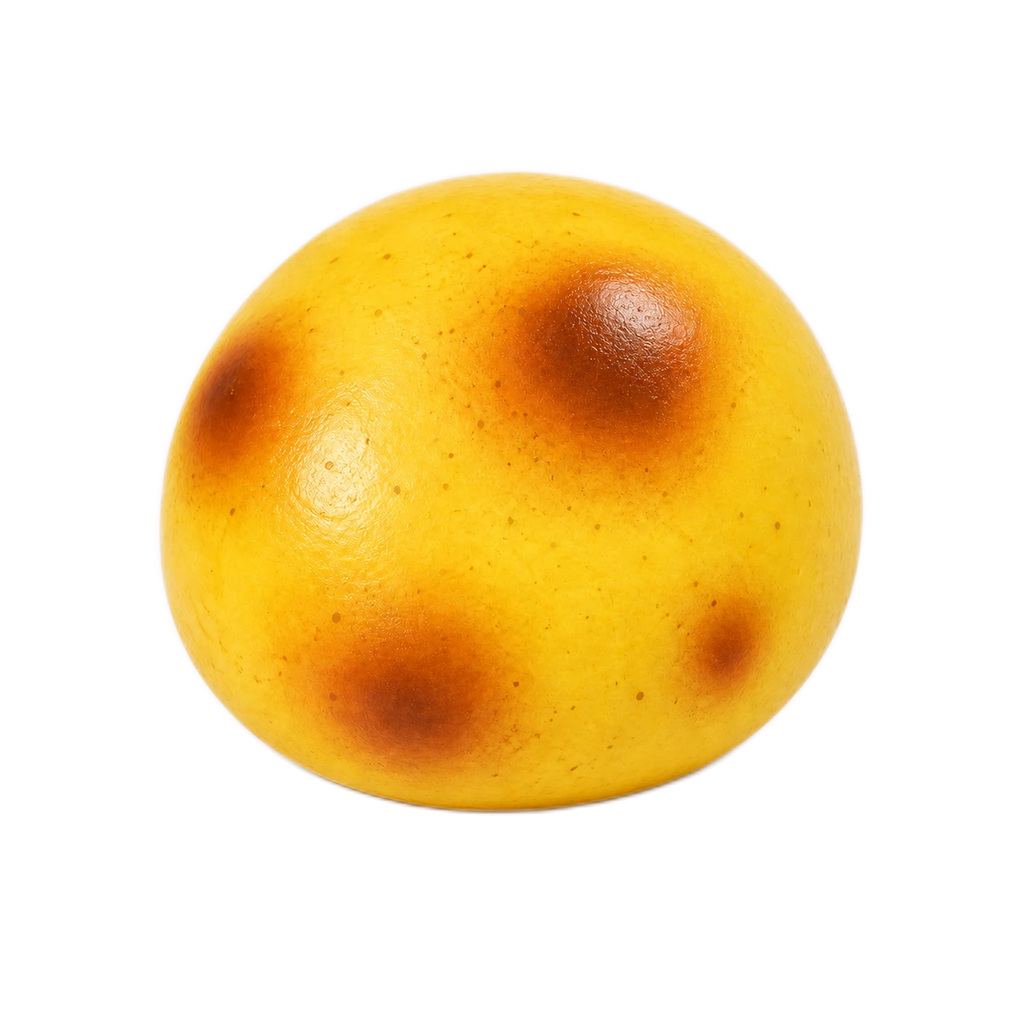
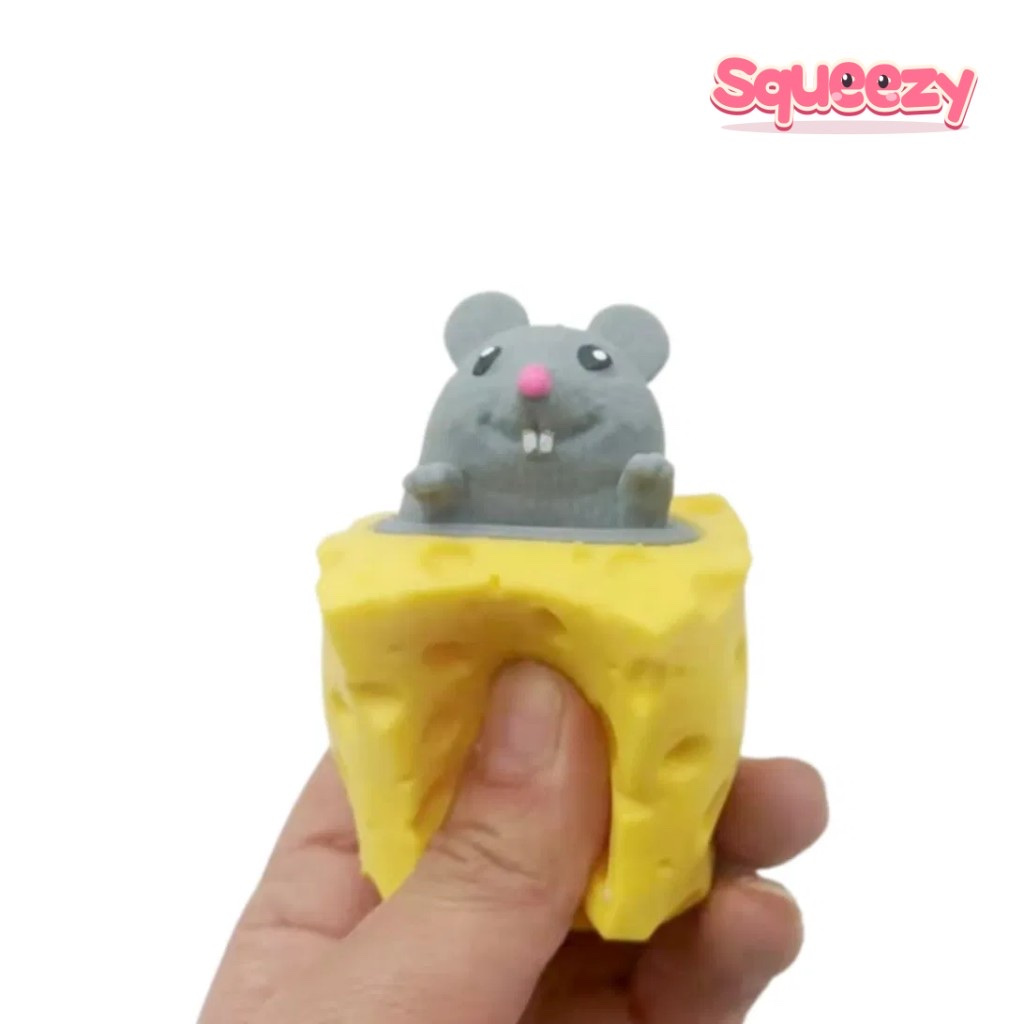
 Cheese Squishy
 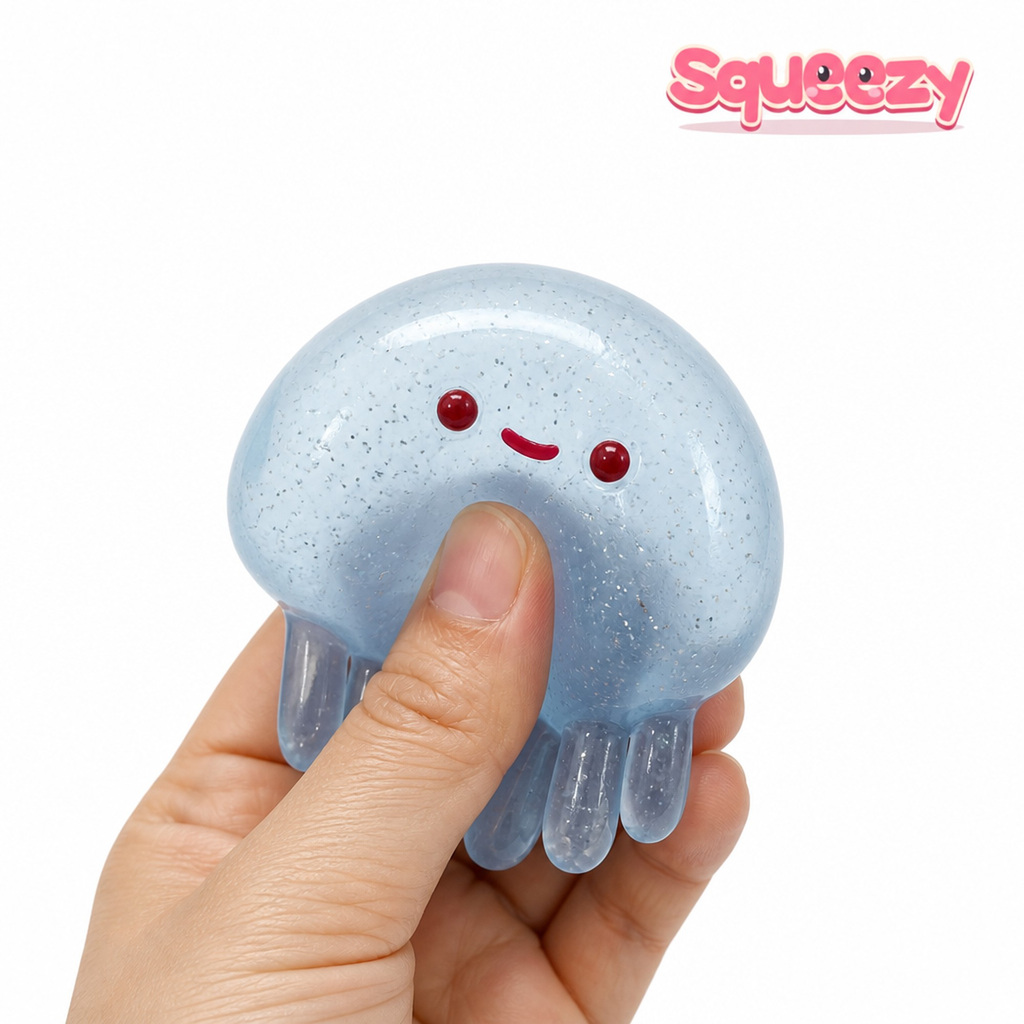 Jellyfish Squishy
 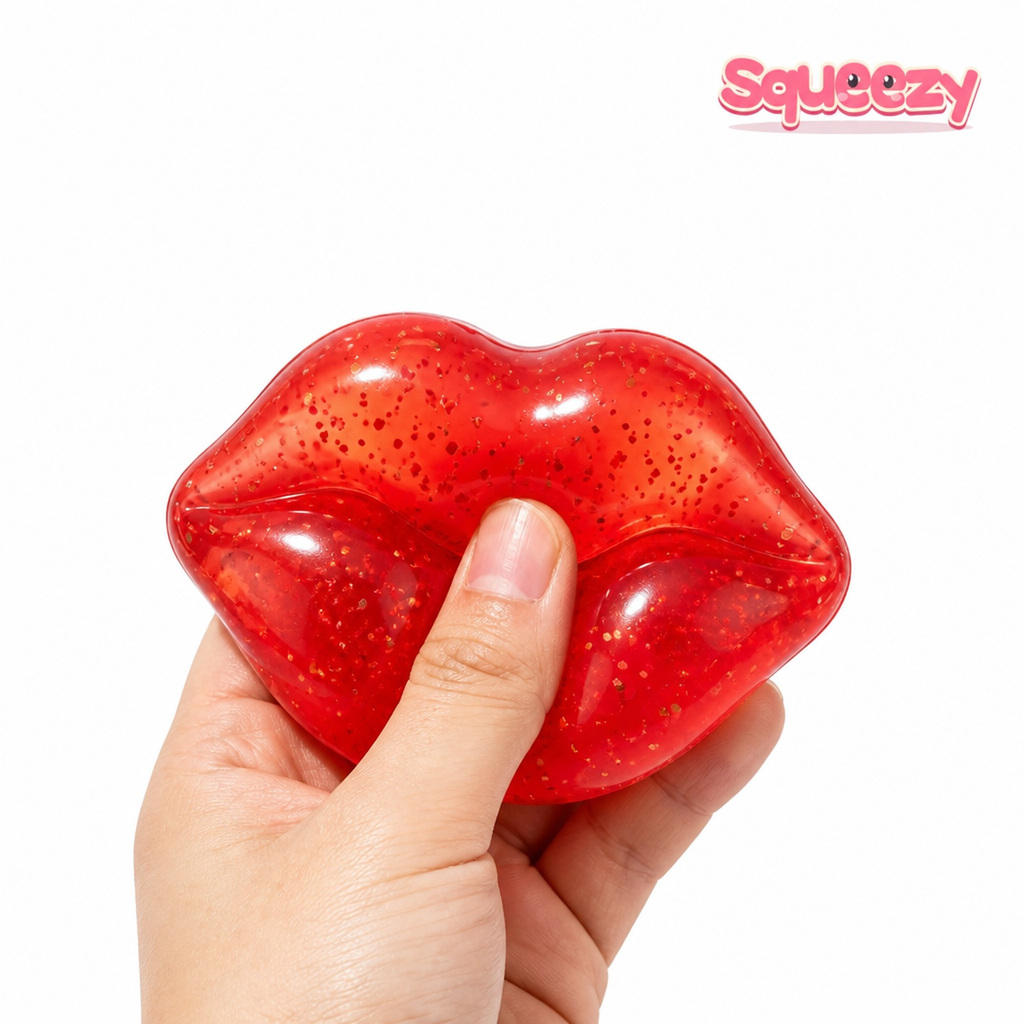 Jumbo Lips Squishy
 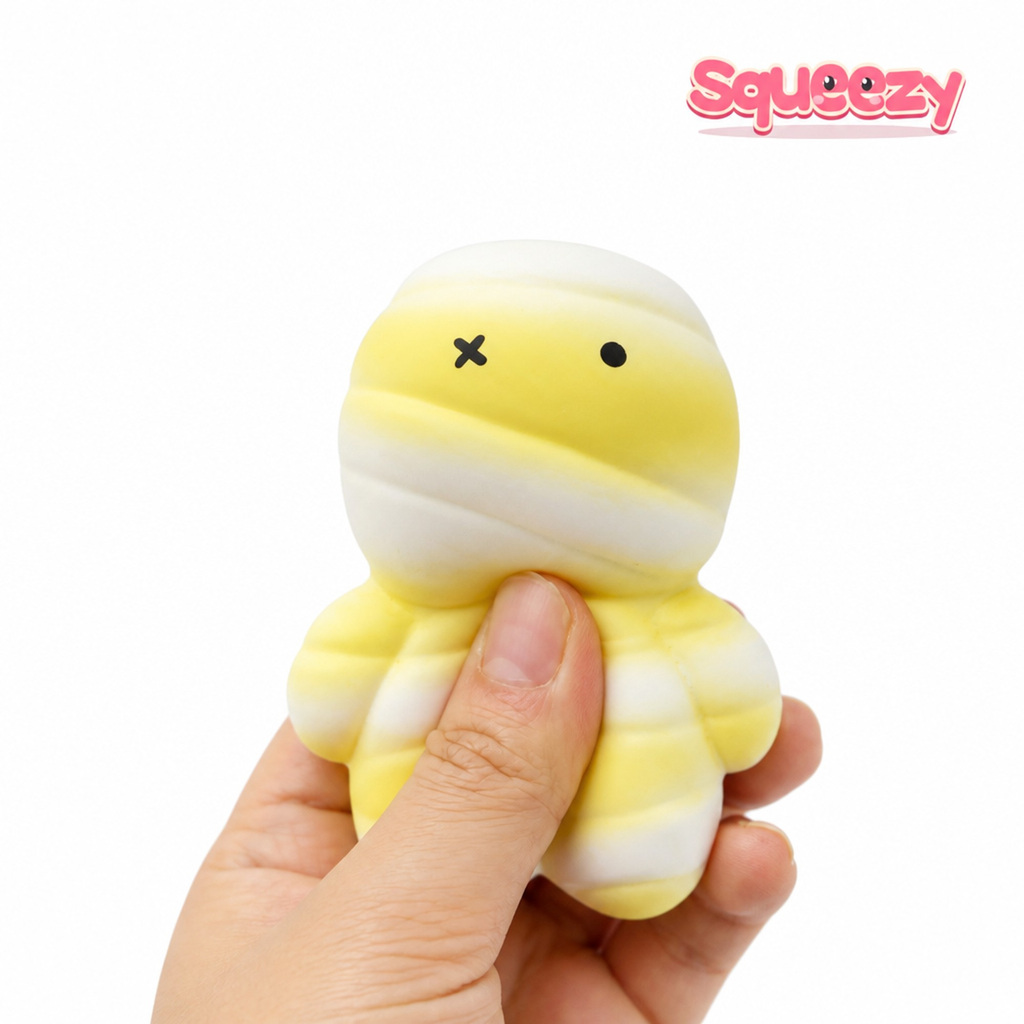 Mummy Squishy
 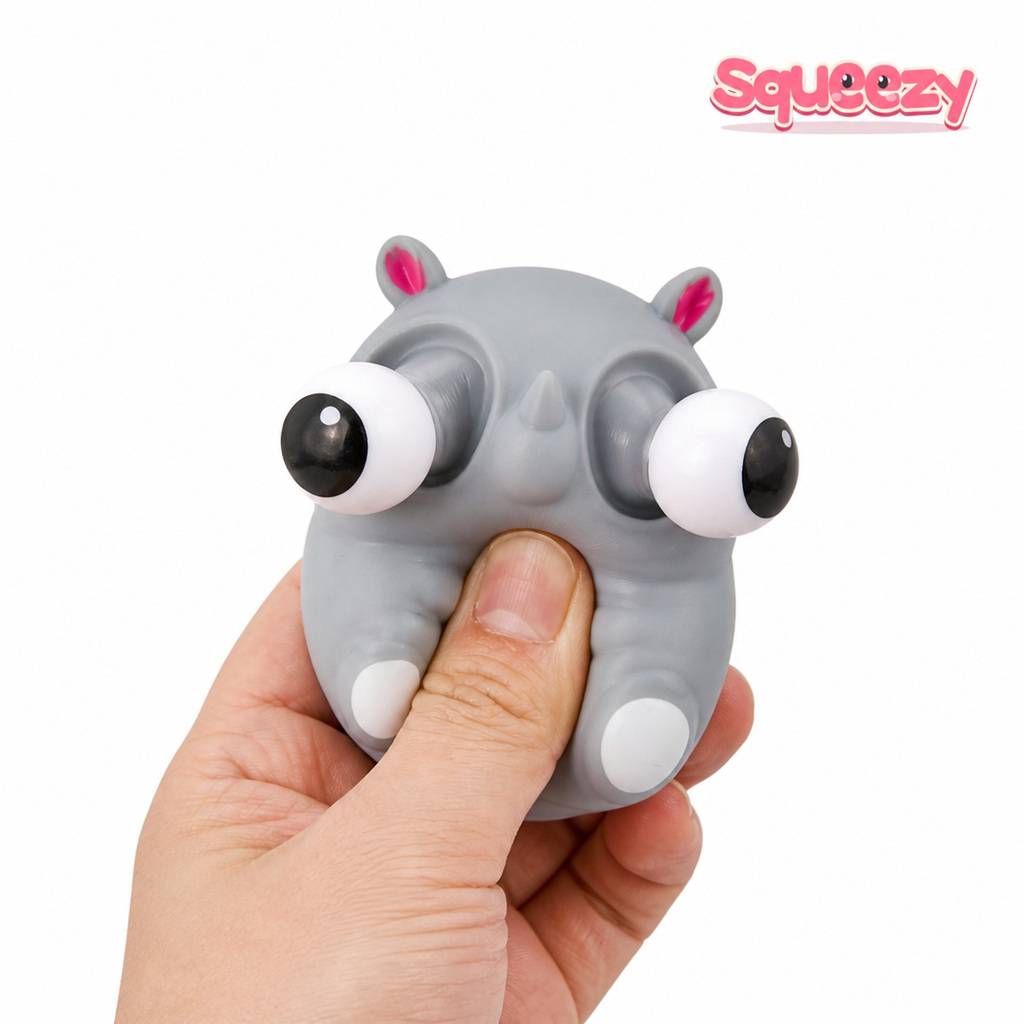 Pop-Eye Rhino
 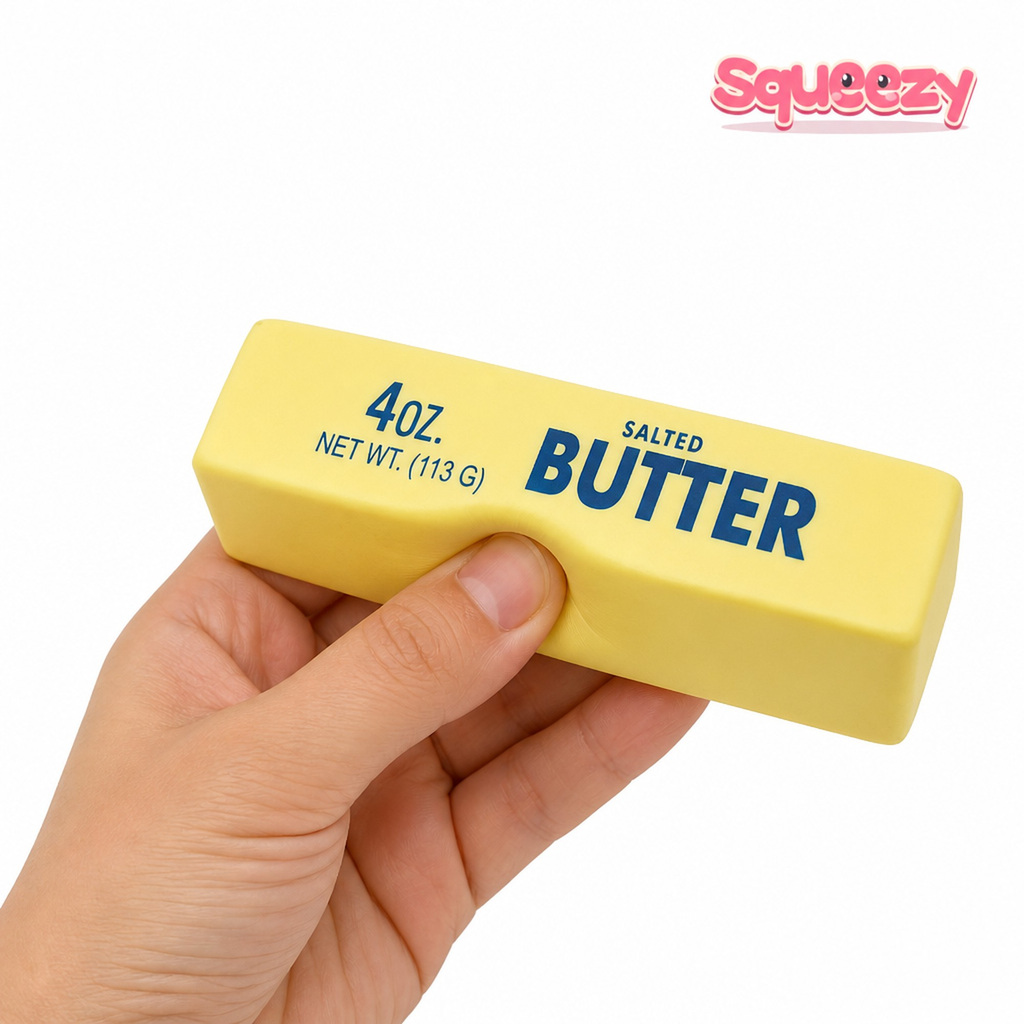 Salted Butter Stick
 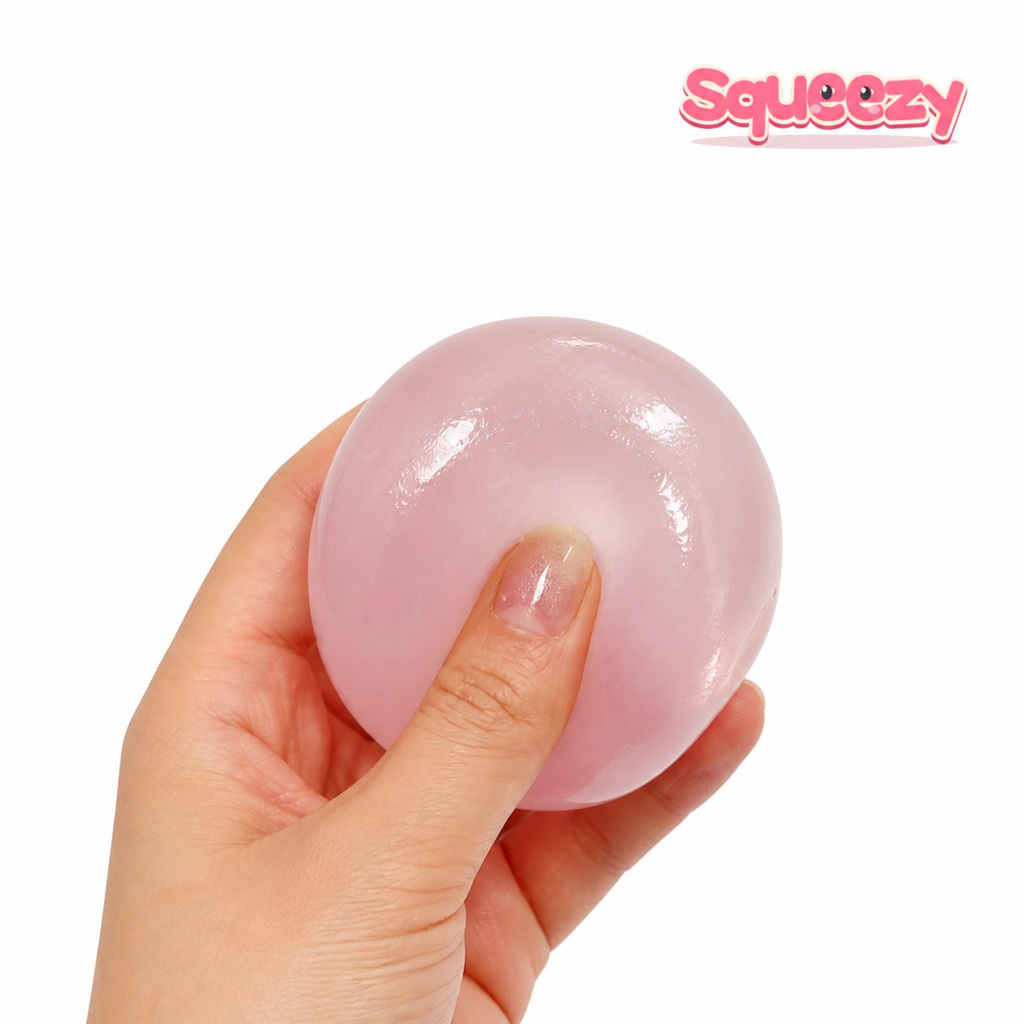 Pink Lychee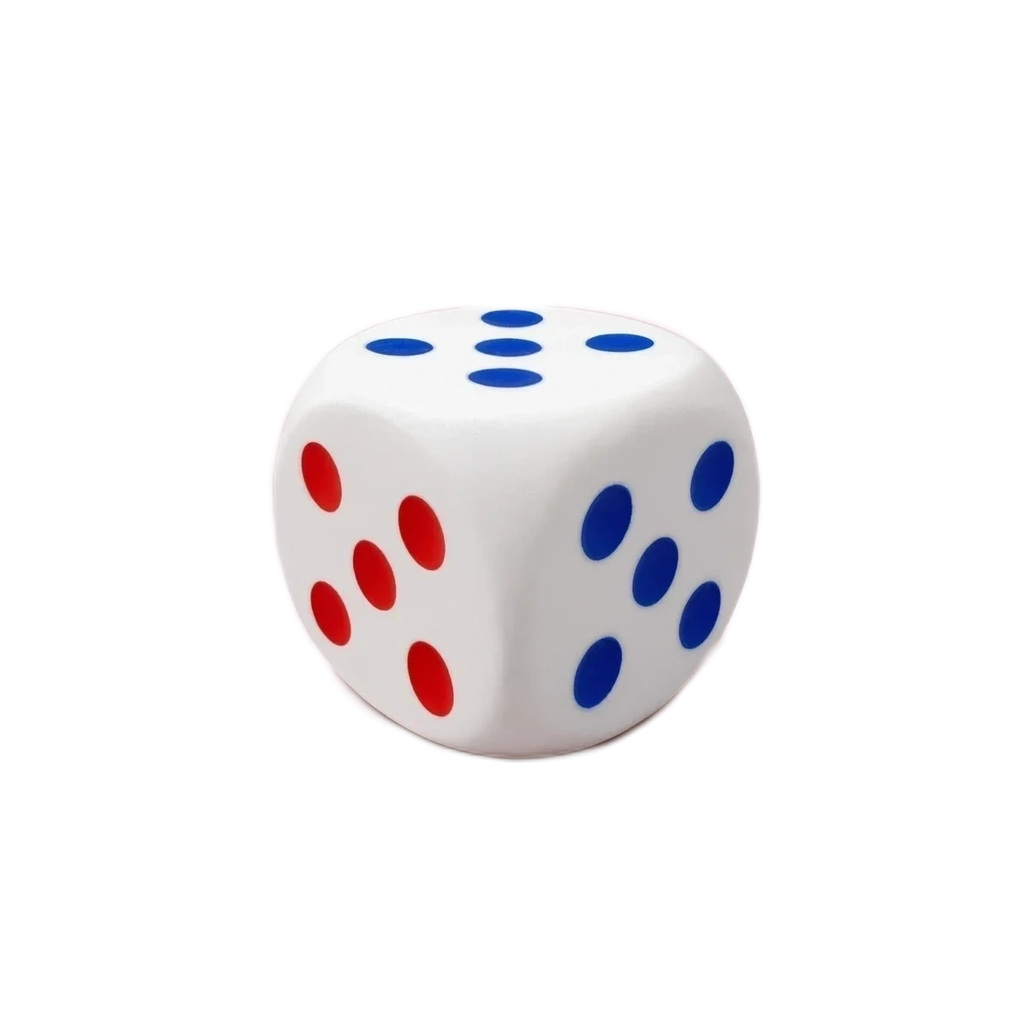
The short answer: on a real shelf, the words overlap
Squishy stress ball toys sit right in the overlap between the two words, and on our own shelf the two are not kept apart. In our Squishy Balls collection, 79 of the 125 product names contain both “squishy” and “stress ball”. The shared label does not give a complete fill or return description. Read the wording for the exact toy; we have not tested its feel or rebound.
What each word is really pointing at
For the record, only one name in that collection says “stress ball” without “squishy”, and 123 of the 125 say “squishy”.
Read enough listings and a loose pattern shows up:
- “Stress ball” appears in names for squeeze toys in our listings; it is used for the dice cube as well as round shapes.
- “Squishy” describes a feel: soft enough to give under a finger. In our listings, the word also appears on shaped toys, like food and animals. Our wider Squishies collection holds 731 products while the ball shelf holds 125.
Neither word identifies a complete filling formula. The listings quoted below use terms such as foam, gel, beads and moldable fill.
Fill and texture descriptions in squishy stress ball toys
Here is how our listings describe fill, texture and return, using a few toys sold as squishy balls or stress balls. These are the retailer’s words, not verified filling formulas.
| Fill or texture term used in the listing | Example | What the listing says happens when you squeeze |
|---|---|---|
| Foam that bounces back | Dice Squishy Stress Ball | “flattens under a firm grip and bounces back into a tidy cube” |
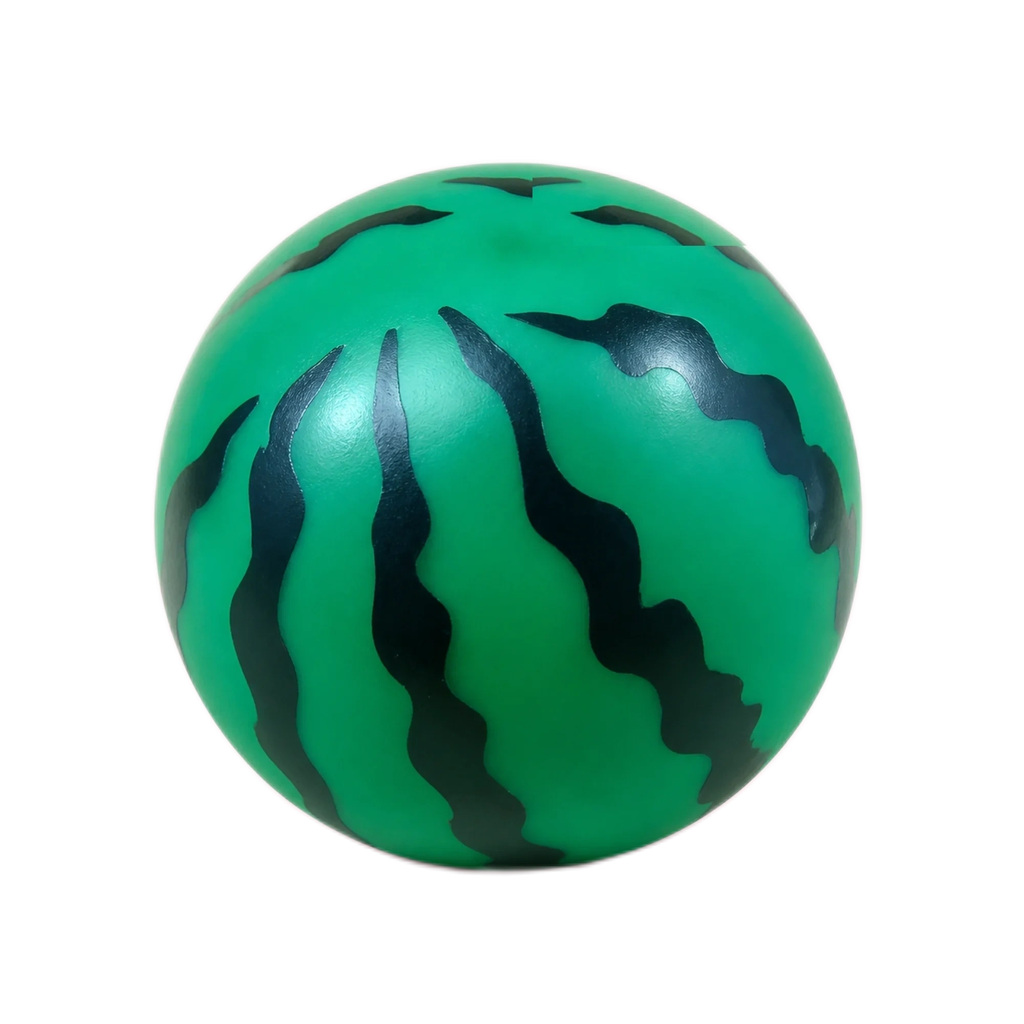
| Fluid-filled gel | Watermelon Squishy | “holds the pressed shape briefly, then slowly eases back toward round” |
| Gel core under stretchy skin | Fluid Potato Squishy | a “slow, mud-like rebound instead of a snappy bounce” |
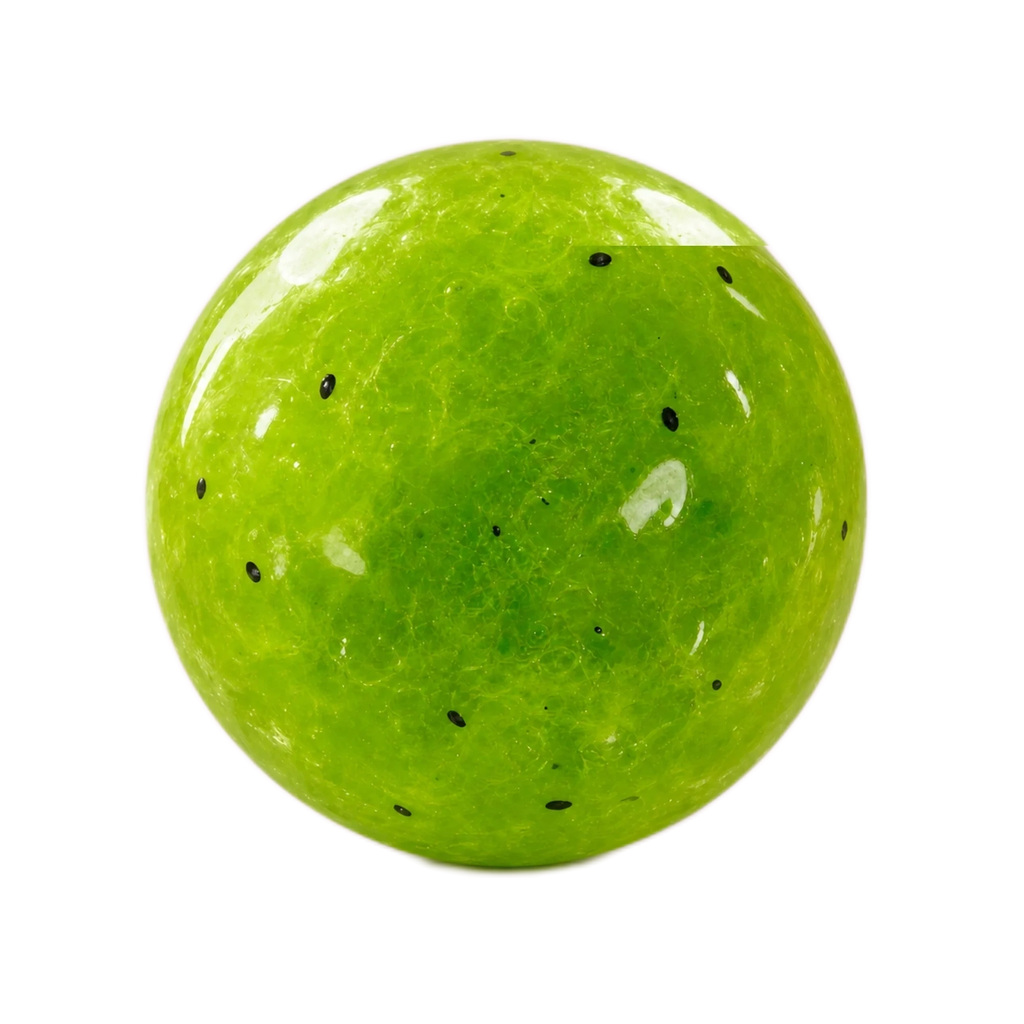
| Moldable fill | Kiwi Slushie Squishy Ball | “keeps the dent you make until you work it back toward a ball” |
| Clear moldable gel | Coconut Oil Squishy Ball | “slowly settling back to round after every squeeze” |
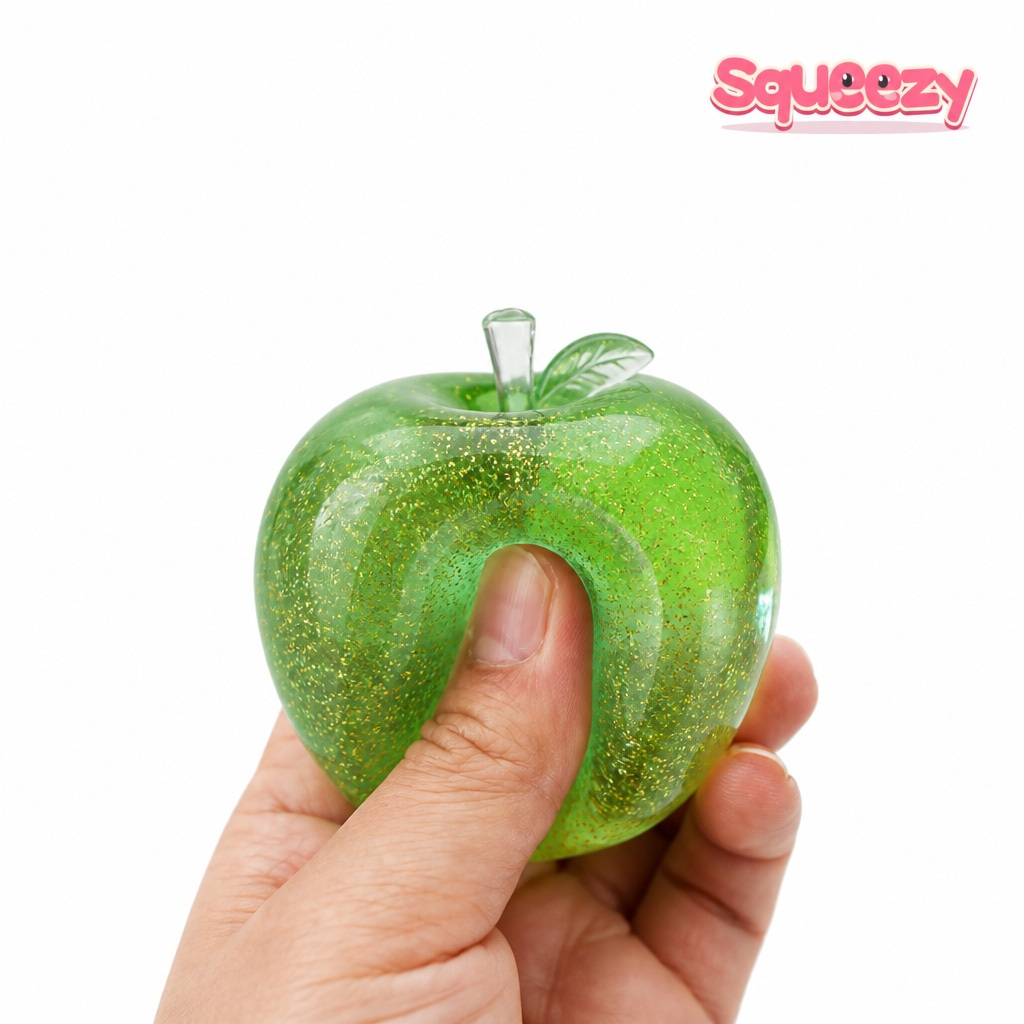
| Beads in a translucent or transparent shell | Bloodshot Eyeball Squishy, Glitter Ghost Squishy | the rounded shape returns gradually, with the beads visible through the shell |
| Jelly texture | Pink Jellyfish Squishy | “gives, then bounces, then begs for another go” |
That is seven rows, and it is still a small sample. The point is that “squishy stress ball” on its own could mean any row in this table.
How to read a stress ball toy listing before you buy
Because the name does not settle it, three things on the product page do most of the work.
- The complete rebound phrase. Read words such as “slowly” or “keeps the dent” along with “springs” or “bounces back”. A single word does not establish a return speed. For the kiwi listed above, the seller specifically says to reshape it by hand.
- The fill words. Check which term the seller uses for the exact toy. Foam, gel, fluid, beads and moldable are listing descriptions, not a complete formula or proof of how the toy will feel. Ask the seller for missing material details; photos do not establish the contents.
- Size and weight, when they are there. Check the stated specifications for the toy and pack you are buying. The watermelon, for example, lists 6 × 5.5 cm and 100 g, and the ghost lists 8 × 8 × 4 cm and 120 g. A kit’s total filler weight is different from an individual toy’s weight. When the quoted description gives no size or weight, treat words like “palm-sized” as a rough guide rather than a measurement.
Which kind suits which habit
We compare the listings’ handling descriptions here, rather than ranking the toys by relaxation. These descriptions can help you choose an intended handling style; they are not tested performance:
- You squeeze in quick bursts: a foam ball that bounces back, like the dice.
- You like to watch the shape come back: a slow-rising or fluid gel ball, like the watermelon or potato.
- You press and reshape: a moldable fill, like the kiwi slushie.
- You like something to look at while you squeeze: a shell with visible beads, like the eyeball or ghost.
If a toy splits or leaks, stop using it and keep the damaged toy and released contents out of children’s reach. CPSC’s squishy-toy safety alert advises these precautions and warns against heating squishy toys. Ask the manufacturer for instructions for that model.
If an item arrived damaged, contact us within 30 days of confirmed delivery with your order number and clear photos to request an eligible replacement or refund under our returns policy. We review the issue to determine the remedy. Wait for return instructions before sending anything back; returned products should include the pieces and packaging they arrived with. Approved refunds go to the original payment method. Damage from misuse, chewing, cutting, heat or harsh chemicals is not covered. Your statutory rights are unaffected.
FAQ
Is a squishy the same as a stress ball?
Often, yes, in our store’s product names. Most of our squishy balls are also called stress balls in the product name. Compare the listing’s fill and return descriptions rather than the shared label.
What is the squishy stuff in stress balls?
It varies. Across the squishy stress ball toys quoted above, the listings name foam, fluid-filled gel, a gel core under stretchy skin, a moldable fill, clear moldable gel, and beads in translucent or transparent shells. The product page is the place to check which one you are getting.
Why does my squishy stress ball toy not bounce back?
For the Kiwi Slushie example above, the listing says its moldable ball keeps the dent until you work the shape back by hand. Check your toy’s complete return description. If a toy that is described as bouncing back has split or is leaking, that is damage; contact us with your order number and photos.