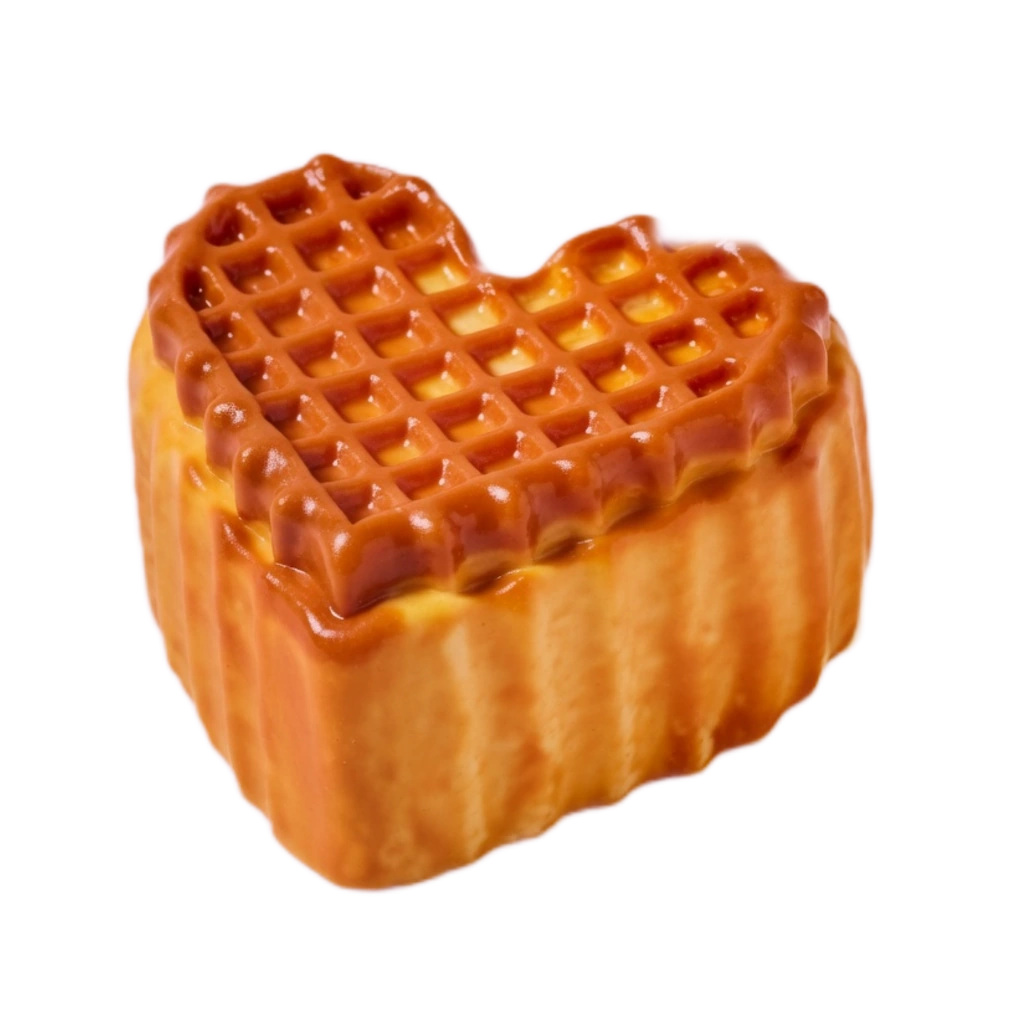
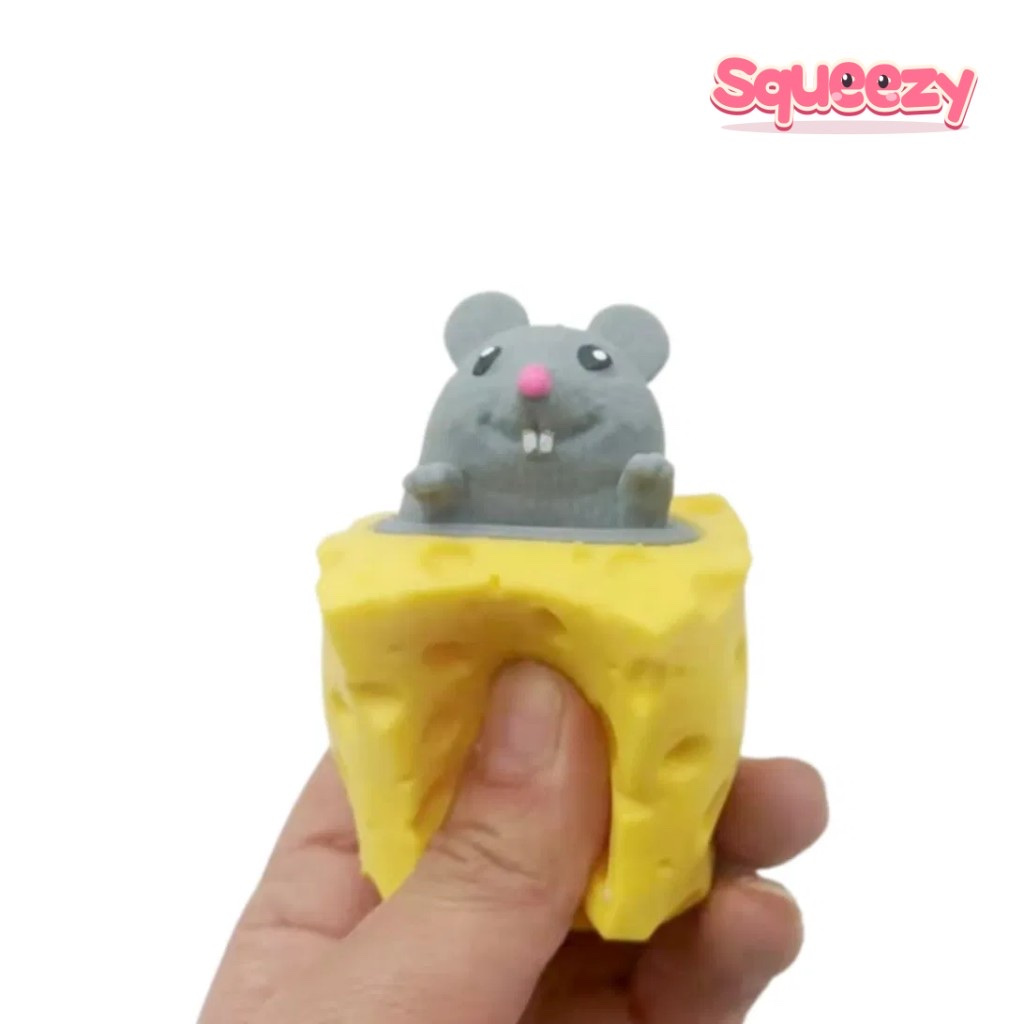
 Cheese Squishy
 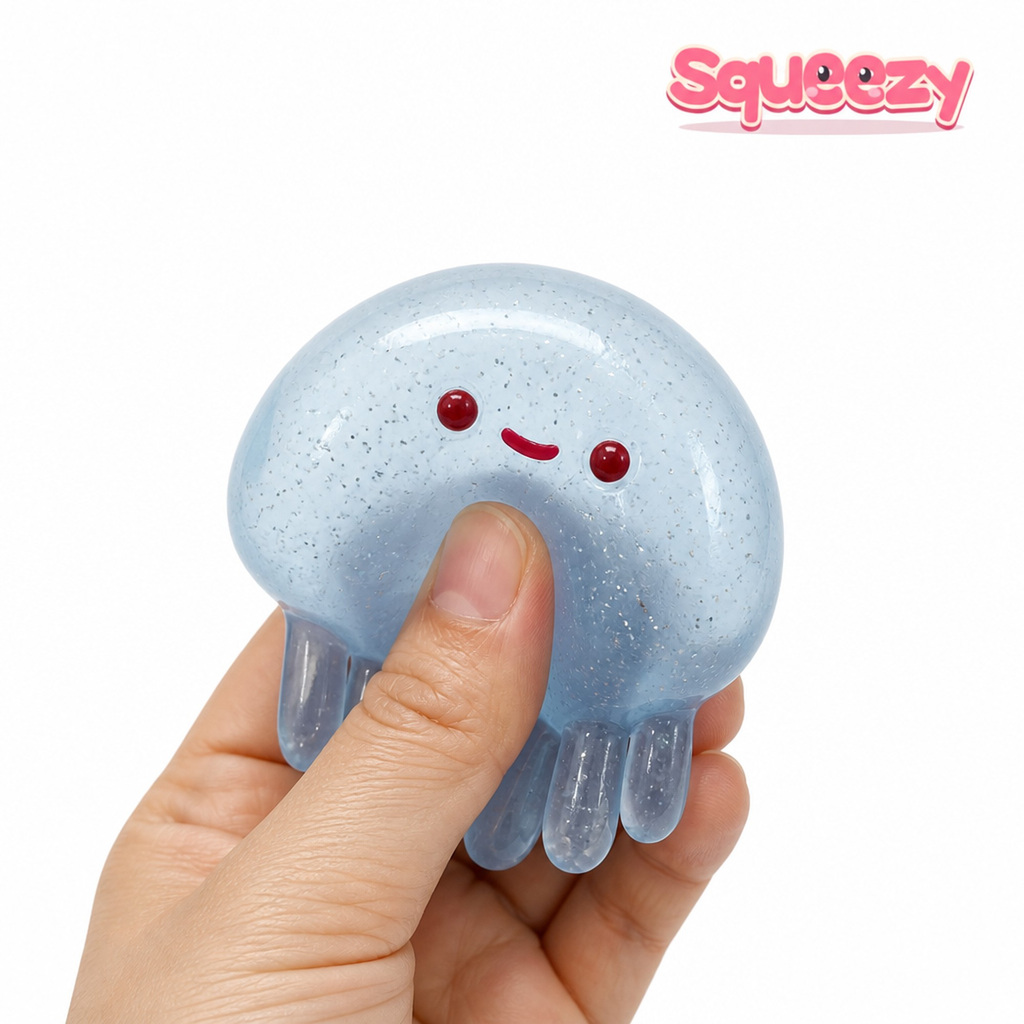 Jellyfish Squishy
 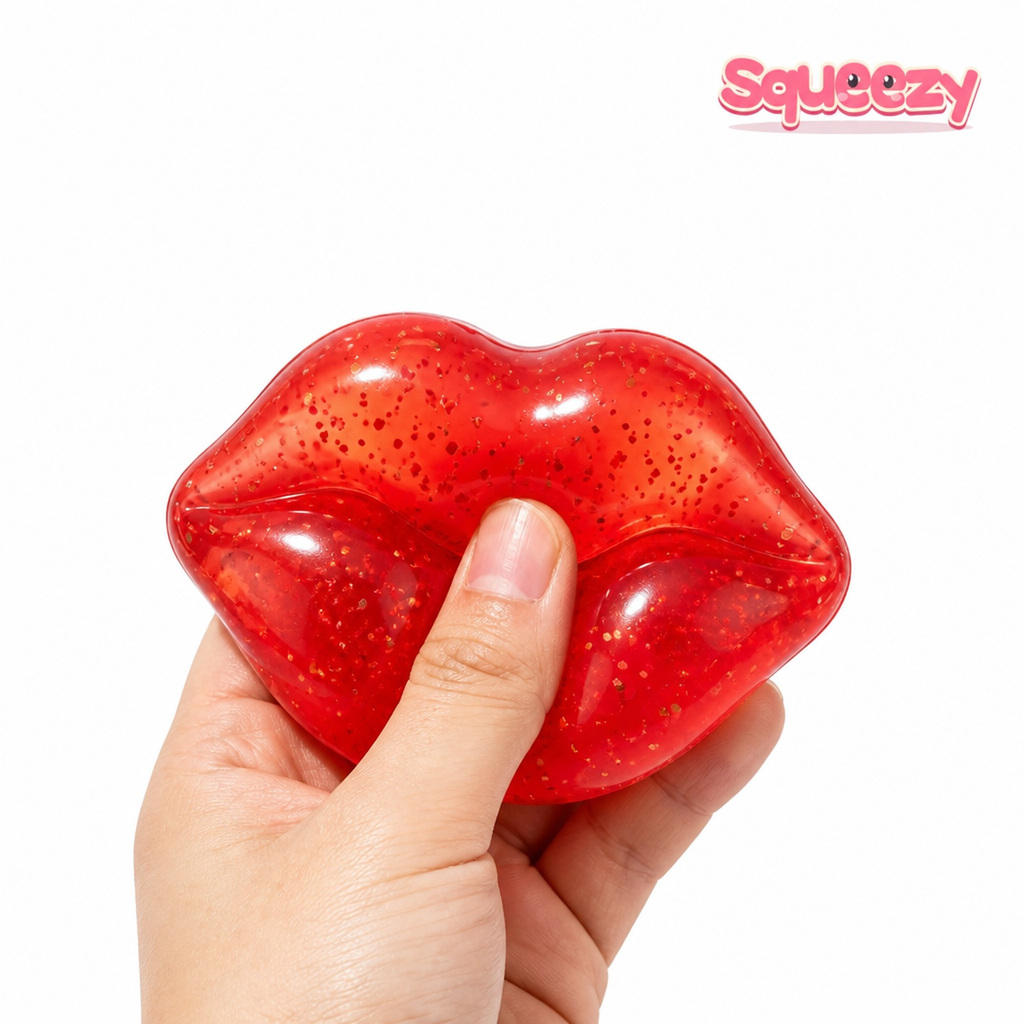 Jumbo Lips Squishy
 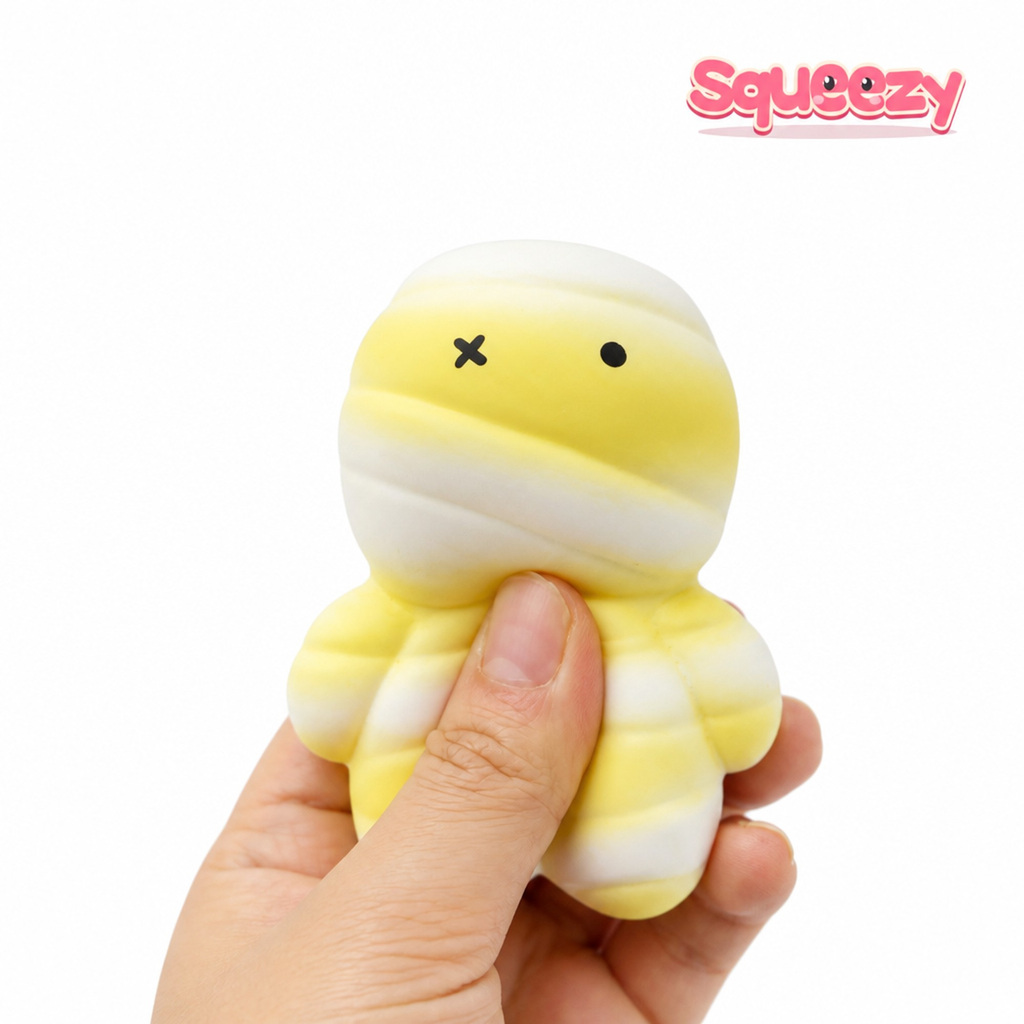 Mummy Squishy
 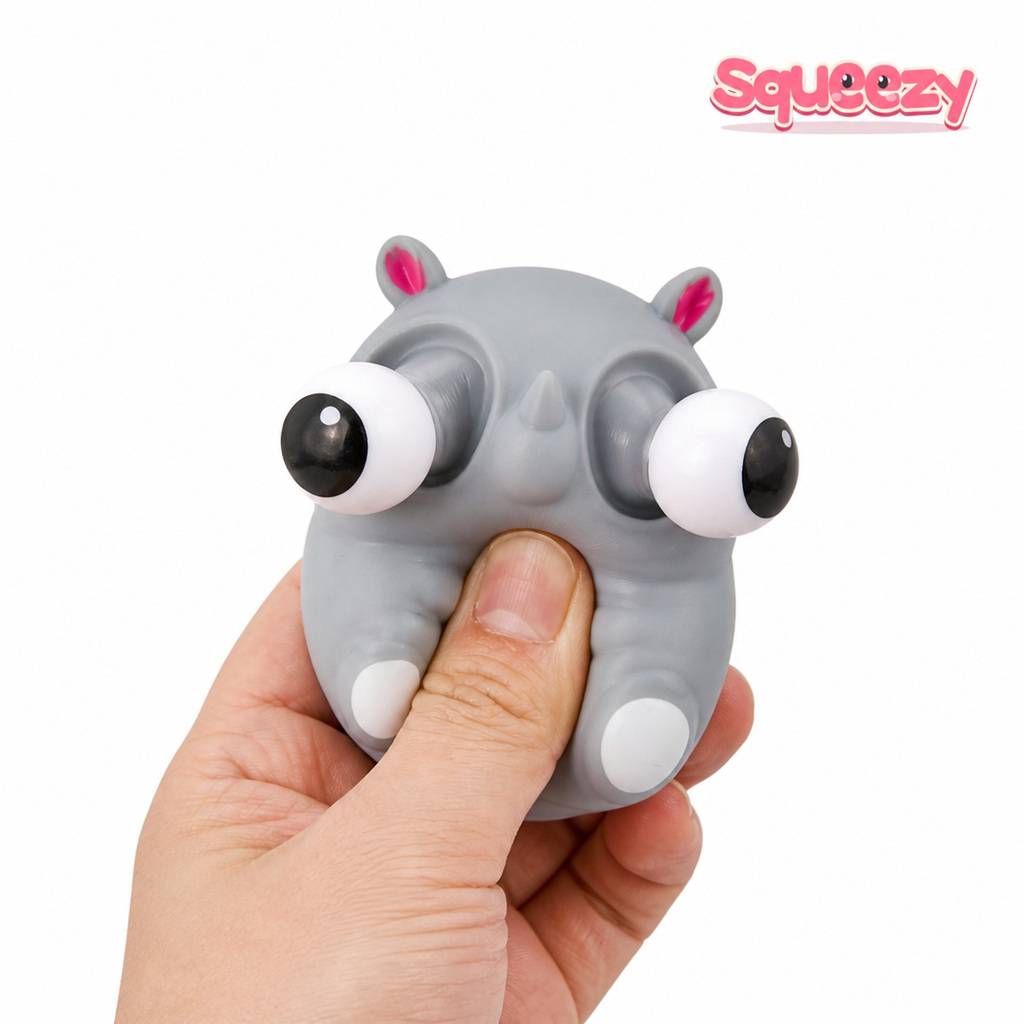 Pop-Eye Rhino
 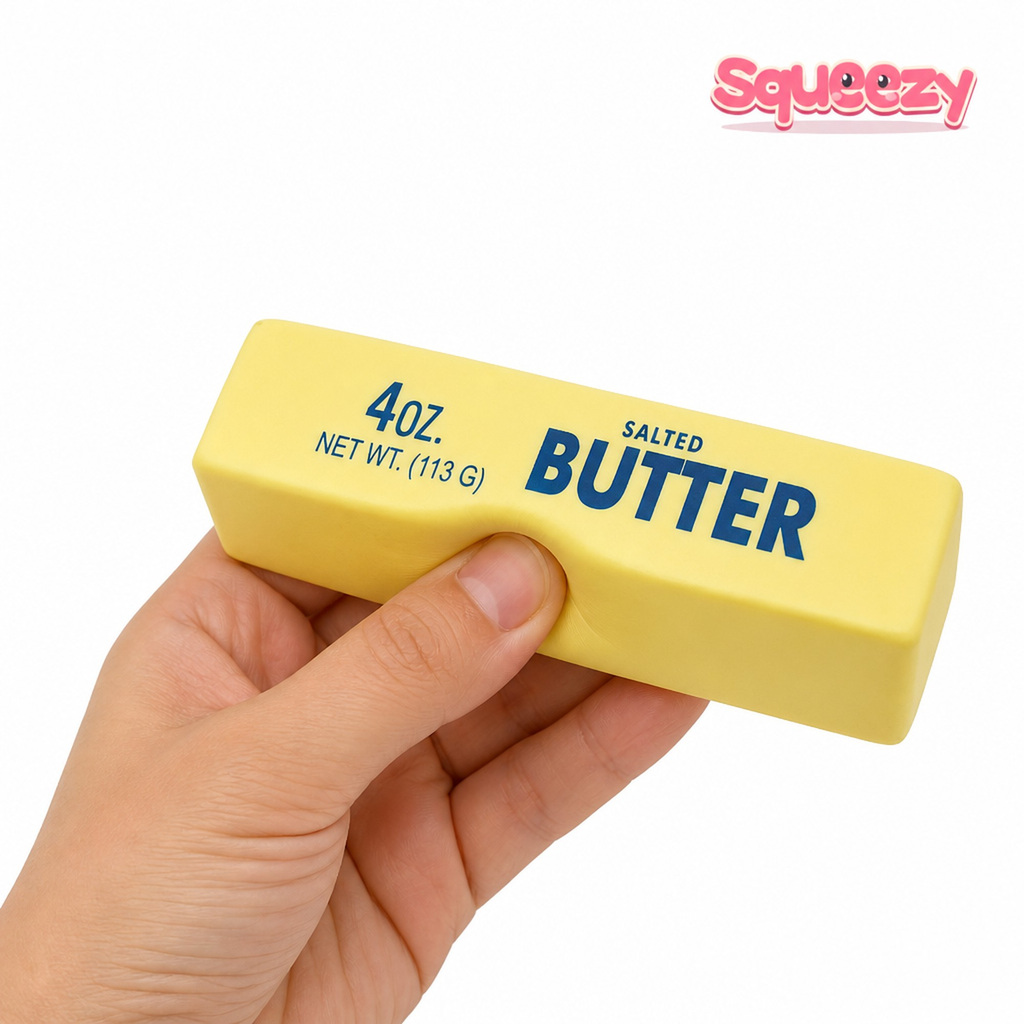 Salted Butter Stick
 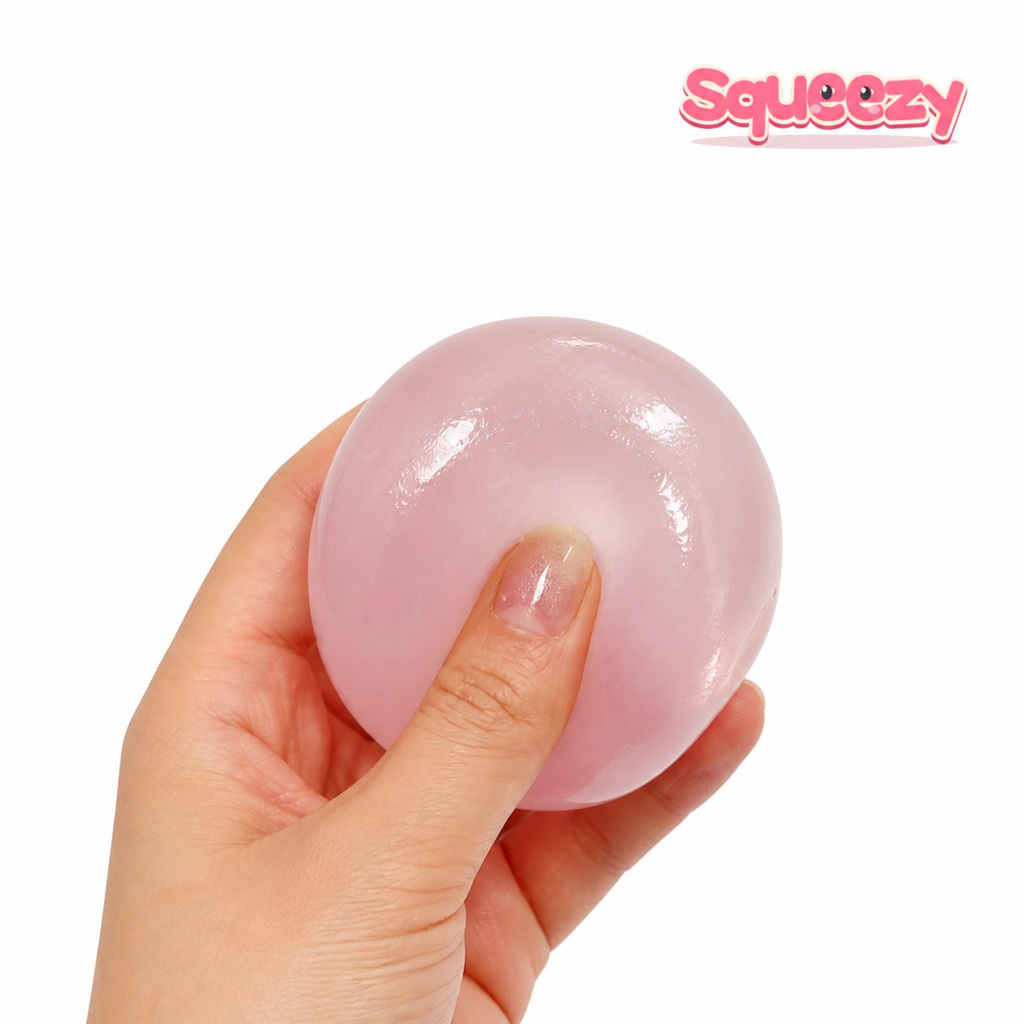 Pink Lychee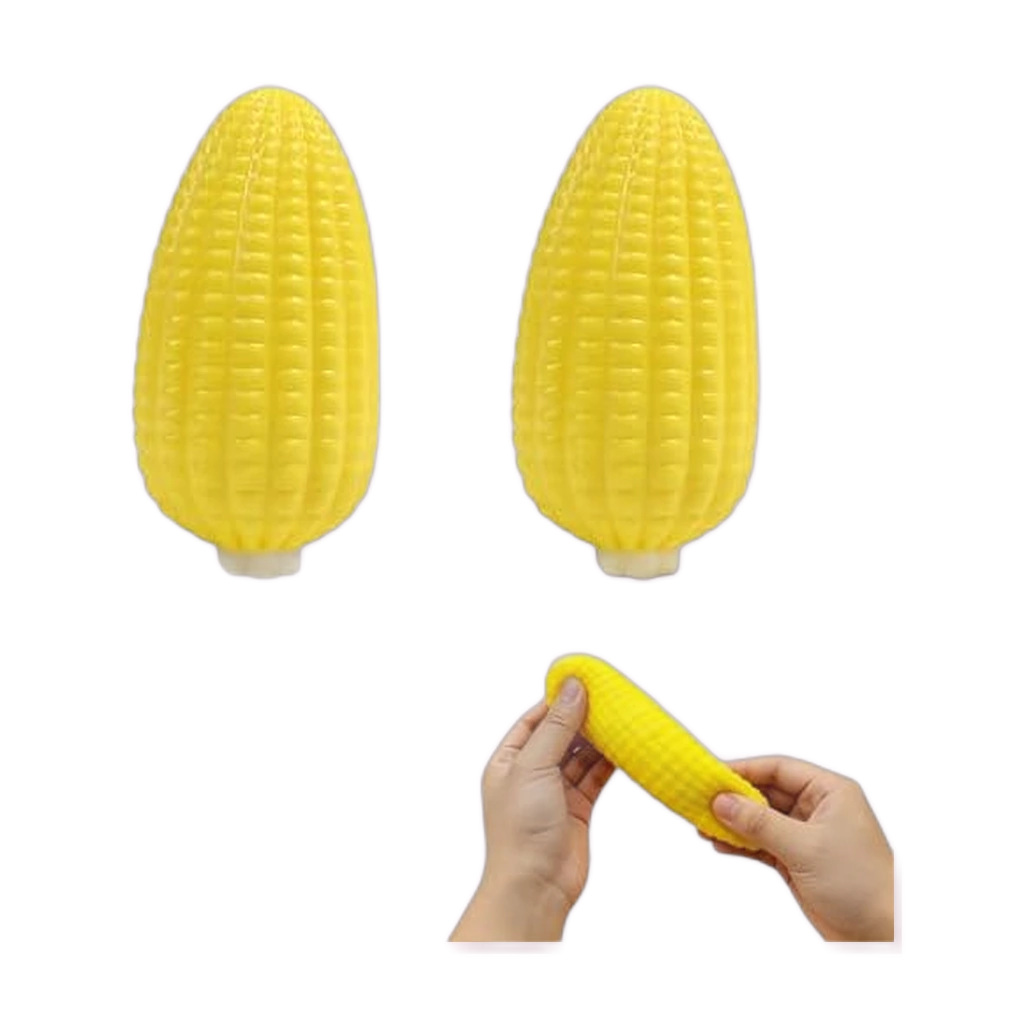
Before you work out how to make squishies not sticky, check whether the stickiness is the design. Plenty of mochi and silicone squishies are sold on their tack. On those, a wash, a full dry and a light dusting of cornstarch calm it down for a while, but nothing removes it for good. A toy sold as non-sticky that turned tacky has picked something up, and that is the case where a fix really works.
Sticky on purpose or sticky by accident?
We read every one of our 1,076 active listings for the words sticky, tacky and cling. 29 of them describe the toy itself as sticky, tacky or clinging, as a selling point. Another 18 promise the opposite: “non-sticky”, “never sticky” or “no sticky residue”.
The sticky-on-purpose group, by the material each listing names (each listing counted once, by the first of these it mentions: silicone, TPR, mochi, foam, gel or jelly):
| Material named in the listing | Listings that sell the tack |
|---|---|
| Silicone | 10 |
| Mochi | 5 |
| Foam | 3 |
| Gel or jelly | 2 |
| TPR | 1 |
| No material named | 8 |
A few show how deliberate it is. The Sticky Frog Squishy 5 Pack is sold as stretchy jelly frogs that you toss and “stick to walls”. The Sticky Corn Squishy 2 Pack is soft TPR that “clings a little before springing back”. The Mochi Elephant Squishy listing says its silicone skin is “a touch tacky, the way a good mochi squishy should”. Tack is also a property silicone can be made to have: Wikipedia’s silicone article describes one soft silicone whose crosslinking gives it “high durability and tack”.
The non-sticky group is mostly coconut squishies. Ten of the 18 are coconut or coconut oil squishies whose listings say things like “non-sticky and easy to rinse”. The rest include foam toys described as “never sticky” and two TPR toys, the Moldable Brain Squishy (“non-sticky TPR foam”) and the Scented Cloud Squishy (“no sticky residue left behind”).
So the first step is reading your own listing or packaging:
- It says sticky, tacky or clingy: the tack is the product. You can make it grab less lint, but aim to reduce it, not erase it.
- It says non-sticky, or the toy used to feel dry: something changed. Find the cause below.
- It says nothing: go by what it felt like on day one.
Why sticky squishies get stickier
When a toy that felt fine now grabs your fingers, it is usually one of four things.
Something on the surface. Hand lotion, sunscreen, snack residue or soap that was never rinsed off all leave a film, and a film holds lint. This is the easy case.
Oil or lotion used as a “fix”. Rubbing oil into a sticky squishy swaps one film for a greasier one. One of the top results we saw when searching “how to make squishies not sticky” was a video titled “Oil is actually terrible”, with the uploader saying they think they ruined their squishy. Skip it.
Heat. TPR is a thermoplastic rubber, and Wikipedia’s thermoplastic elastomer article describes these materials as processed as a melt at high temperature. None of our TPR listings gives a temperature limit, so keep sticky fidget toys out of hot cars and off sunny windowsills rather than find out.
Something coming from inside. Some soft plastics are softened with additives called plasticizers, and Wikipedia’s plasticizer article explains that these are not bound to the polymer and can escape the plastic over time. None of our listings says whether its toy contains one. The practical sign is timing: if a properly washed and dried toy is tacky again within a day or two, the tack is not sitting on top, and washing alone won’t end it.
How to make squishies not sticky, step by step
This routine is for toys whose skin can get wet: plain silicone, TPR, jelly and most mochi-style bodies. For foam, or anything flocked or painted, follow our guides to cleaning a slow-rise squishy or a taba squishy instead.
- Wash the film off. Lukewarm water, one drop of dish soap, and your fingertips. Work around seams and textures, where lint collects.
- Rinse until it stops feeling slippery. Leftover soap is one of the films you are trying to remove.
- Dry it completely. Pat with a lint-free cloth, then let it air-dry. A damp surface picks up lint straight away.
- Dust, lightly. Rub a small pinch of cornstarch over the surface and tap off the excess. Wikipedia’s corn starch article lists use as an anti-sticking agent among its industrial uses. On a clear toy any leftover powder shows, so use less.
- Store it covered. A closed bag or box keeps dust off a surface that will always be a little grabby.
The powder wears off with handling, so on a tacky-by-design toy expect to repeat step 4 now and then. That is normal: you are managing the tack, not curing it.
What to skip: oil, lotion and petroleum jelly, which each leave a film of their own, and cleaning sprays. None of our listings recommends any of them.
When sticky means something else
The tack keeps coming back. Wash, dry, powder, and a day later it is tacky again: that is the from-the-inside case above. Powder will make it usable; nothing will make it dry for good.
It is wet or oozing at one spot. That is a leak, not a surface problem. Our piece on which glue fixes a ripped squishy starts from the material.
It arrived with a greasy film. A new toy that was sold as non-sticky should not arrive that way. Take a clear photo and see our refund policy for how to report it within the guarantee window.
If you’d rather avoid tack altogether, pick from the non-sticky group: our coconut oil squishy collection is where most of the “non-sticky” wording lives. If the tack is what you enjoy, the mochi squishy collection is the place to start, and our explainer on what a mochi squishy is covers the texture.
FAQ
Is a squishy supposed to be sticky?
Many are. In our catalogue, 29 listings sell a sticky, tacky or clinging feel as the point of the toy, with silicone and mochi-style squishies the largest groups. Others are sold as non-sticky. Your listing or packaging tells you which kind you have.
How do you make squishies not sticky for good?
If the tack came from a surface film, a wash with a drop of dish soap, a thorough rinse and a full dry removes it. If the toy is tacky by design, or the tack returns within a day or two of washing, you can only reduce it, for example with a light dusting of cornstarch.
How do you stop a mochi squishy from being sticky?
You can calm it but not stop it for good. Of the listings in our catalogue that sell the tack, five are mochi-style and two of the silicone ones also use the word mochi, so a slightly tacky skin is usually what you paid for. Wash off any film, dry it fully, dust it with a pinch of cornstarch, and expect to repeat the dusting as handling wears it off.
What can I put on my squishy to make it less sticky?
A small pinch of cornstarch, rubbed in and tapped off, on a clean and fully dry toy. Avoid oil, lotion and petroleum jelly, which leave their own film.
Why is my sticky stress ball or fidget toy picking up lint?
A tacky surface holds whatever touches it. Wash and dry it, dust it lightly, and store it in a closed bag. Some sticky fidget toys, like our wall-sticking frogs, are made to grab surfaces, so some lint is part of the deal.