 Cheese Squishy
 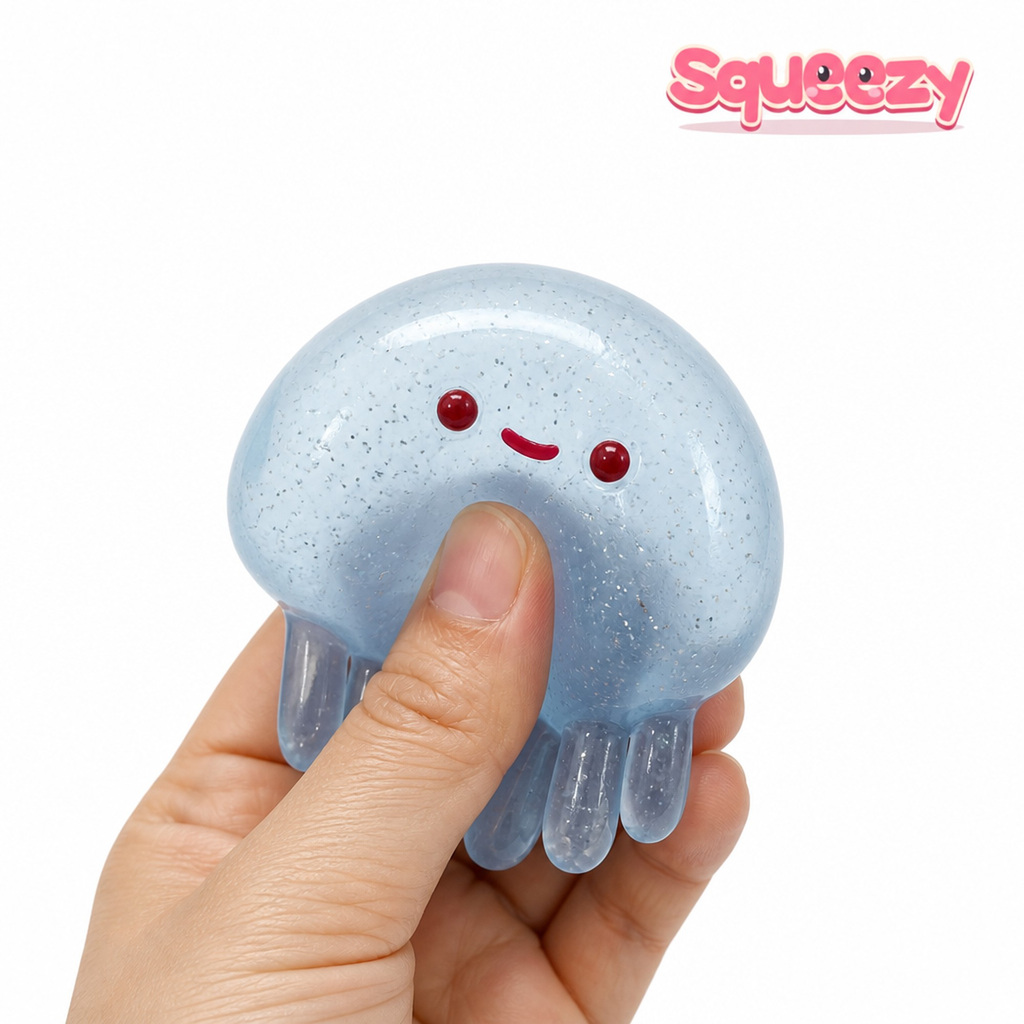 Jellyfish Squishy
 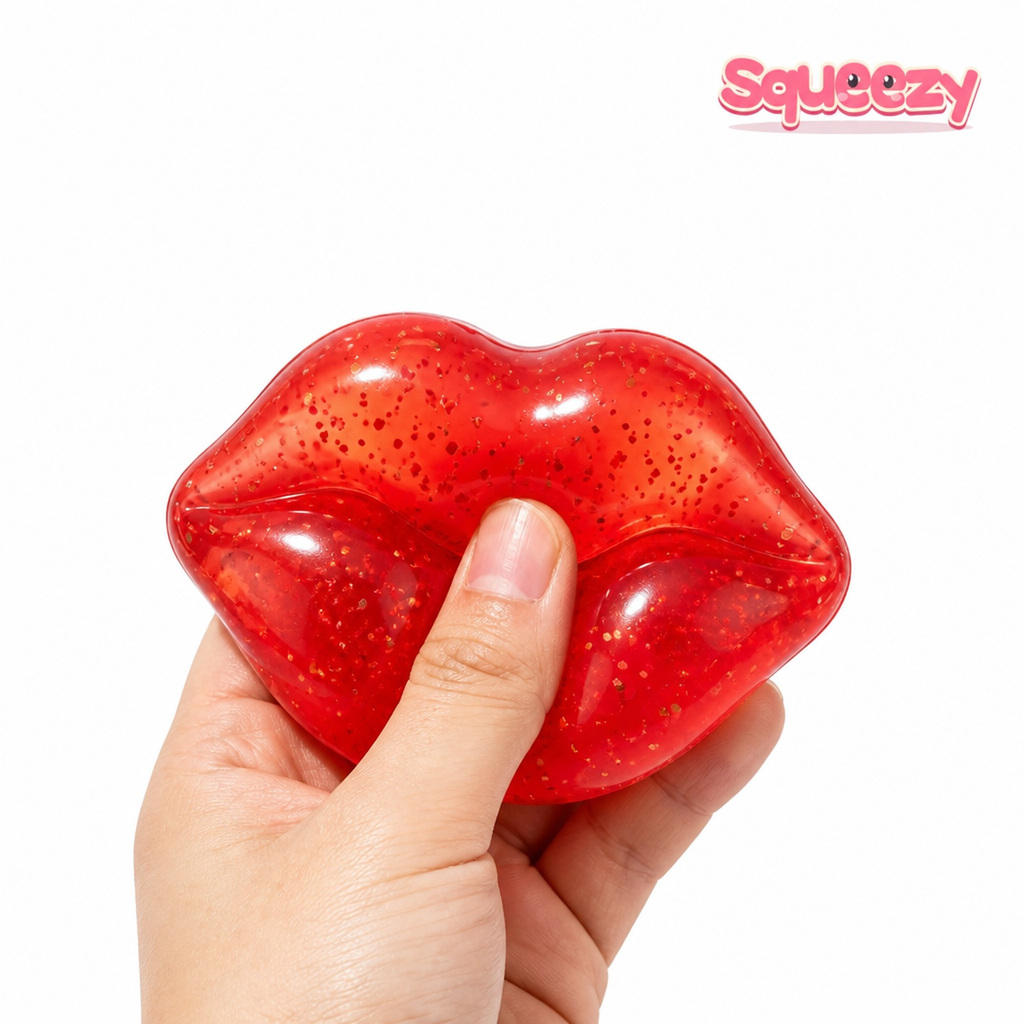 Jumbo Lips Squishy
 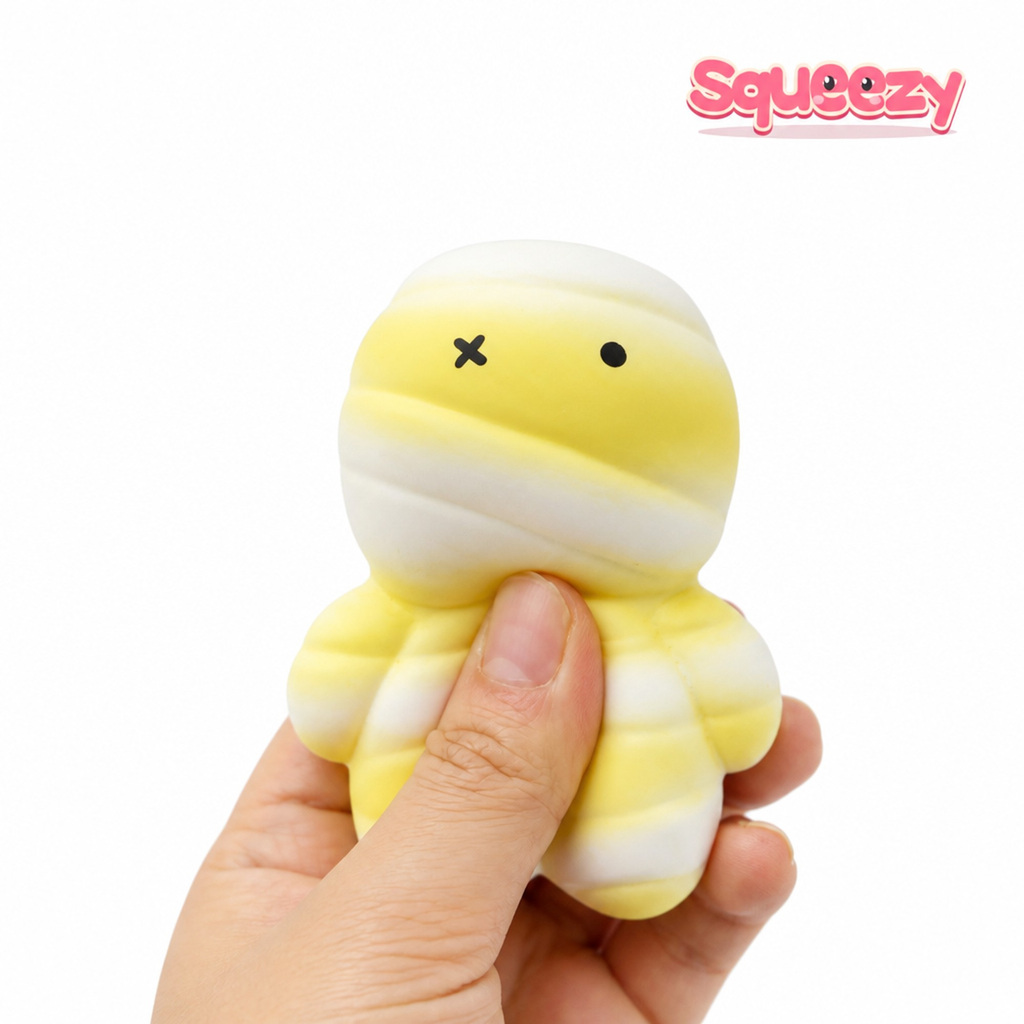 Mummy Squishy
 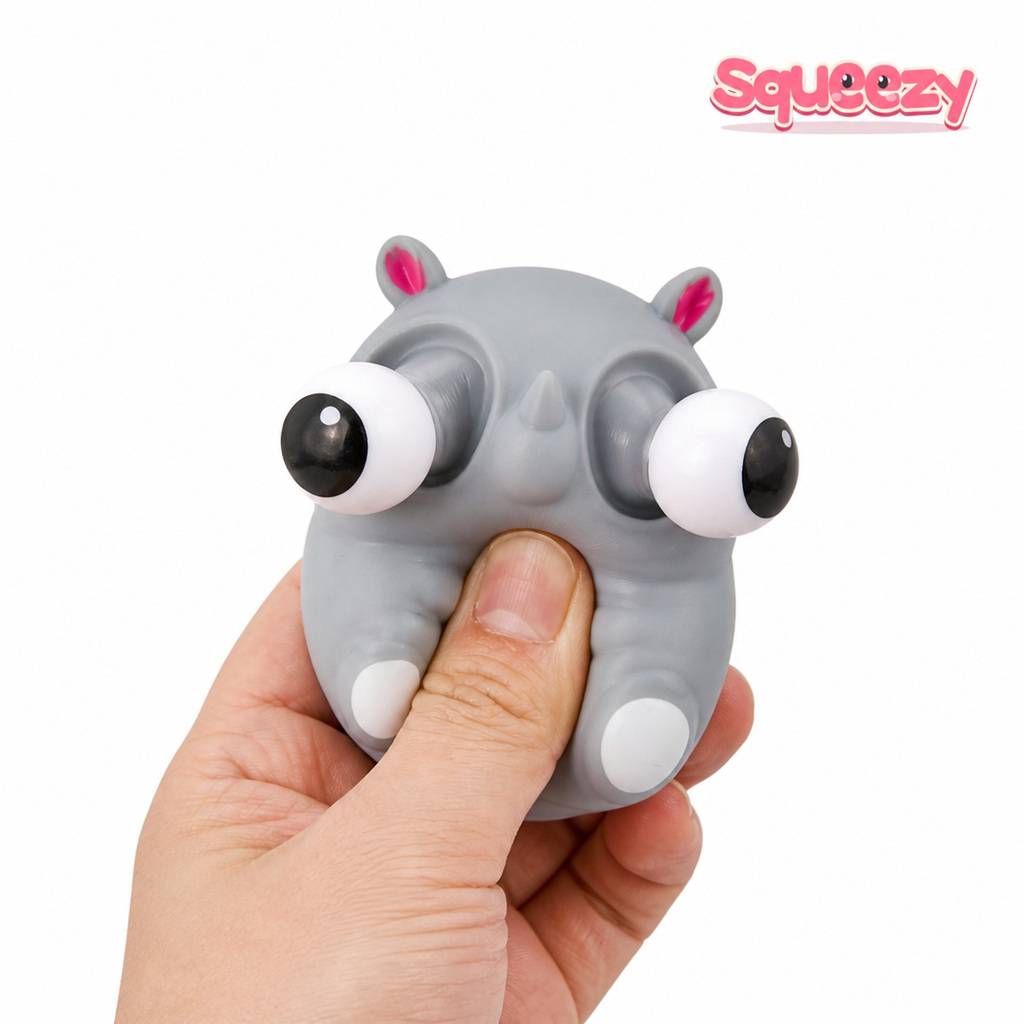 Pop-Eye Rhino
 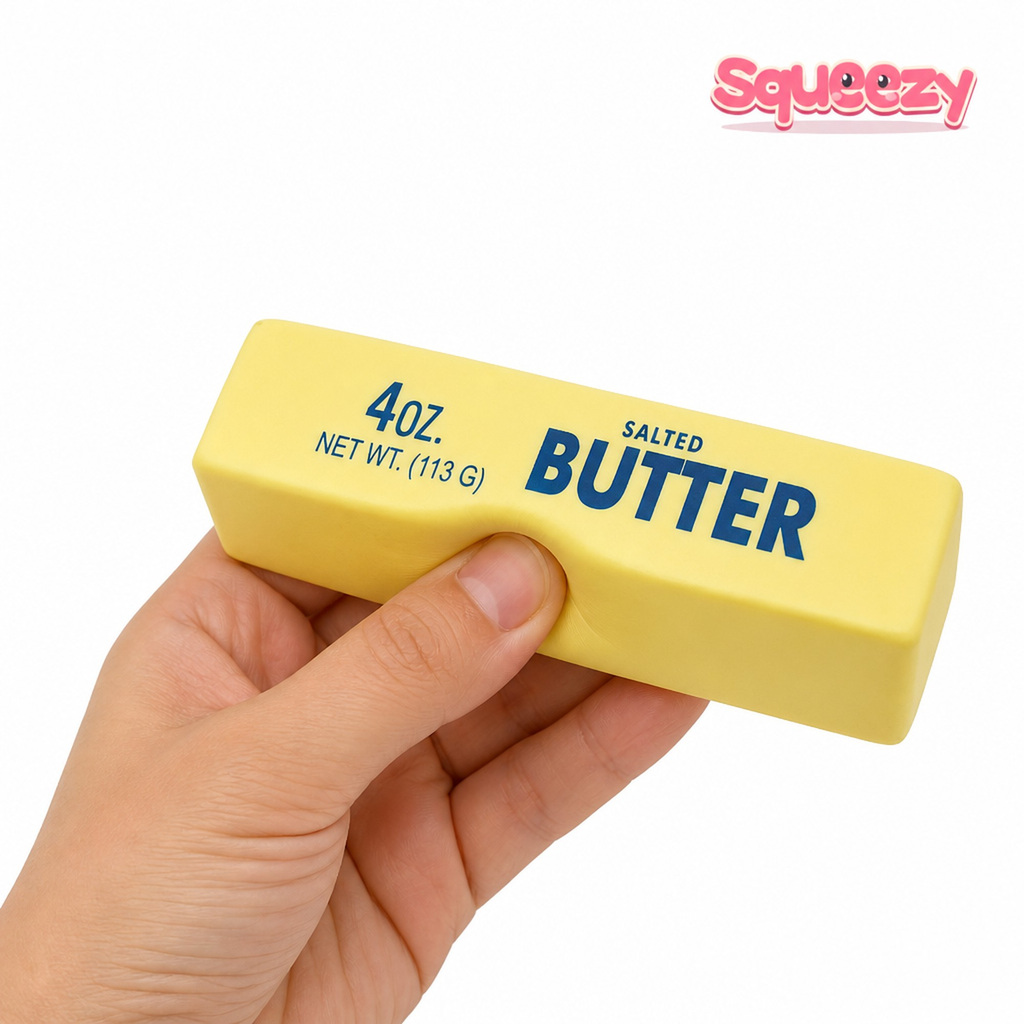 Salted Butter Stick
 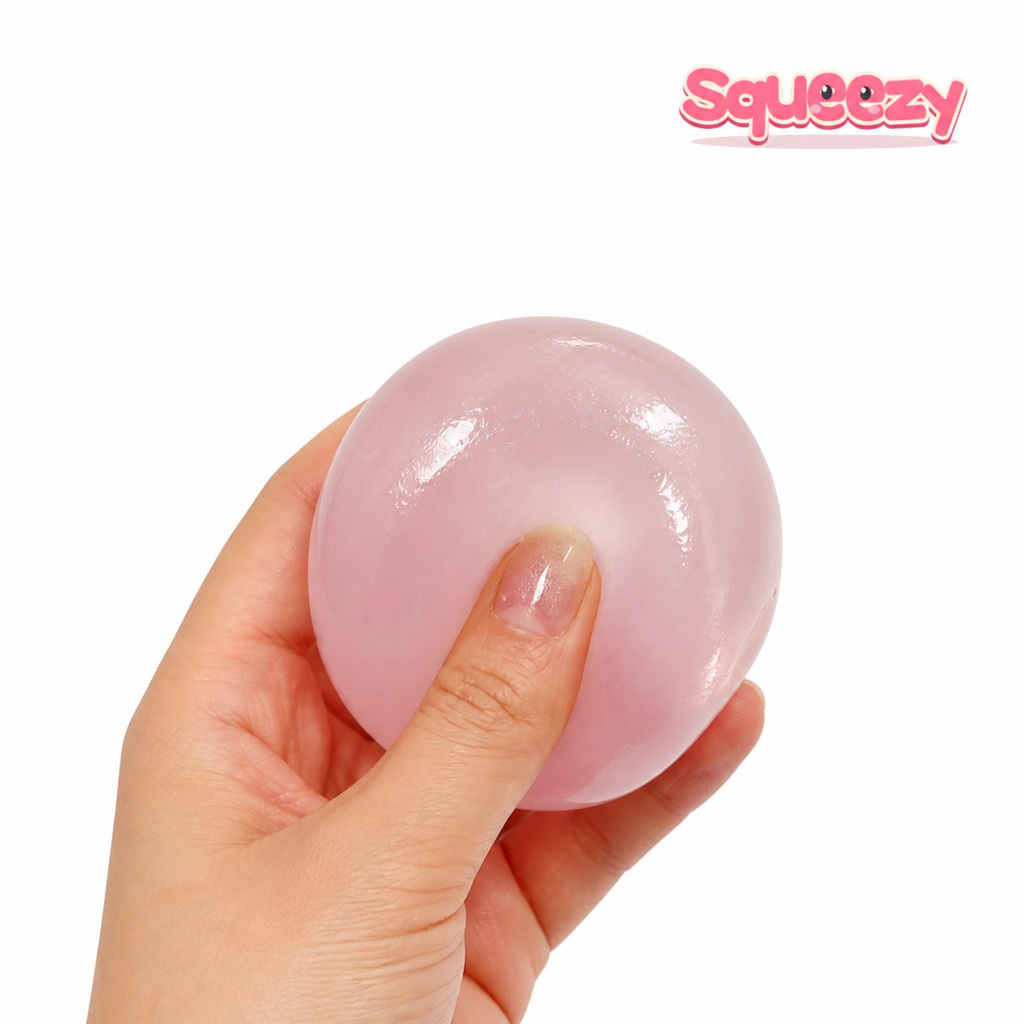 Pink Lychee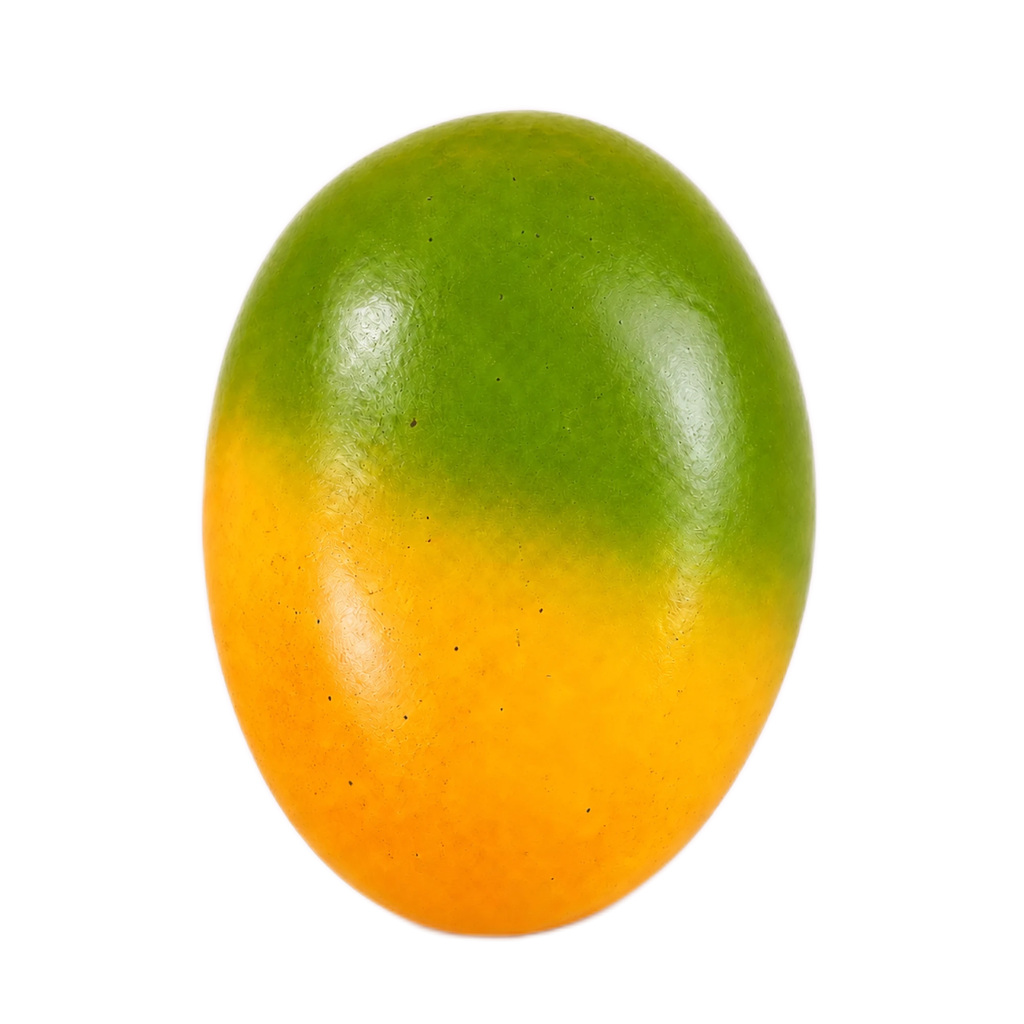
Color changing squishies react to temperature, not to pressure. Their skin carries a heat-sensitive pigment. The kind Wikipedia calls the most important in practice is a leuco dye, sealed in tiny capsules and mixed with an ordinary base color. When your hand warms a patch past the dye’s switch point, the dye changes form: usually it goes clear and the base color shows through, and in some recipes it works the other way round. Cool the spot and it switches back.
That is why a squeeze seems to “paint” the toy: your fingers are the warmest thing touching it. Below is how the pigment works, what our five color-changing listings actually say, a simple test you can run at home, and the usual reasons one stops changing.
What turns the color: a dye with an on/off switch
The chemistry has a name, thermochromism, and Wikipedia’s article on it lists the mood ring as the everyday example. The class Wikipedia calls the most important for real products is the leuco dye, and the leuco dye article lists novelty items among its uses. A leuco dye is a dye that can flip between two chemical forms, one of which is colorless, and heat is one of the things that flips it. The dye is normally packed into microcapsules and used together with a second, ordinary pigment.
That pairing explains most of what you see on a squishy:
- Cool: you see the base pigment plus the dye’s color on top of it. A yellow base under a blue dye reads as green.
- Warm: the dye goes colorless, so only the base shows. The green patch turns yellow.
- The switch is narrow. The same article says the change usually happens across about a 3 °C (roughly 5 °F) window, and that organic leuco dyes are made for switch points anywhere between about −5 °C and 60 °C (23 °F to 140 °F).
So a color changing stress ball is not measuring your mood or how hard you squeeze. It is reporting which parts of its surface sit above or below one temperature. Where your palm rests longest, it crosses first.
Heat, cold or hands: which direction does yours go?
Here is the part most explanations skip: the change is not always warm = lighter. Wikipedia’s leuco dye article describes color-changing mugs whose coating “becomes colored or transparent” when hot coffee goes in, so both directions exist. The thermochromism article adds the beer can that turns blue when cold. A toy maker picks the pair of colors, and the direction comes with the recipe.
Our own listings show that. We sell five color-changing squishies, and this is what each listing says happens:
| Listing | Price | What the listing says changes |
|---|---|---|
| Color-Changing Mango Squishy, 8 cm high, 70 g | $17.99 | Starts green and shifts toward yellow-orange as the surface warms, including where a warm hand touches |
| Color-Change Mango | $12 | “Yellow turns green in your hand”; the yellow side shifts where you press |
| Color Changing Heart Squishy, 2 Pack | $19.99 | Pales where your fingers land, then drifts back as it cools |
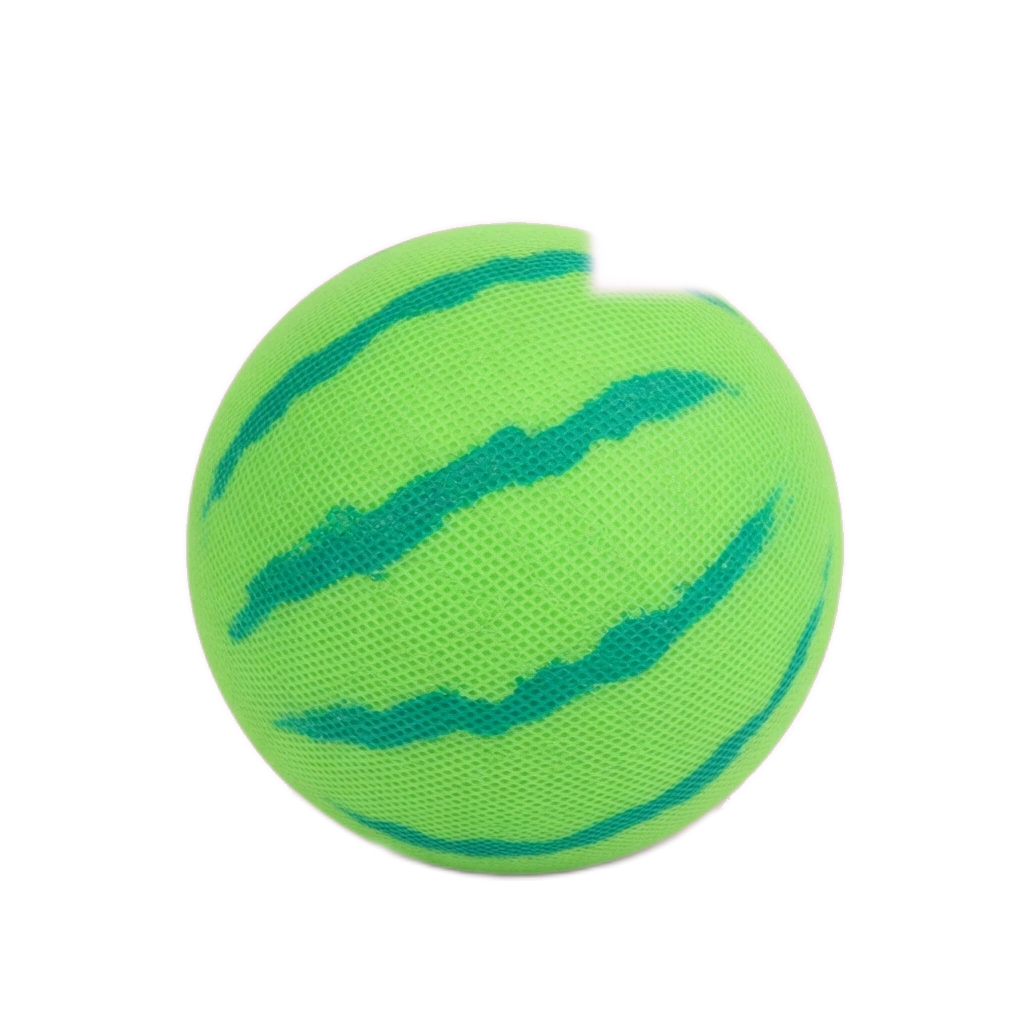
| Watermelon Mesh Squishy Ball | $17.99 | Shifts from green to pink under a warm grip |
| Color Changing Toothpaste Squishy | $17.99 | Shifts shade as you press it; no colors named |
Two mangoes, two opposite descriptions. The first behaves like the textbook case: a dye that clears when warm, leaving the yellow-orange base. The second describes a patch that gains color in the hand. We have not put a thermometer on either one, so treat the table as what each listing claims, and use the test below to see which way the one in your hand actually runs.
The heart and the watermelon ball are the clearest “your hand did that” toys. On the heart, the pale fingerprints are the warm spots. On the watermelon ball the listing says the green outside gives way to pink, so the melon seems to “ripen” where you hold it. For what the net does when you squeeze, our piece on mesh squishy balls covers the mesh itself, and sugar squishies explains what “sugar” means on a squishy label like the heart’s.
A two-step test for any color changing stress ball
This works the same on a squishy, a color changing stress ball or a colour changing stress ball bought in the UK. You only need a fridge, a zip bag and your hands. No freezer, no hot water.
- Note the resting color after the toy has sat in the room for an hour.
- Cool it: seal it in a zip bag and leave it in the fridge for 10 to 15 minutes. A fridge compartment runs at about 3 to 5 °C (37 to 41 °F) according to Wikipedia’s refrigerator article, well below the warmth of your hand, so a dye made to react to hands should settle into its cold color. Keeping it in the bag stops fridge moisture landing on the skin.
- Warm one spot: take it out, open the bag, and press your thumb or close your palm on one area for 20 to 30 seconds. Then let go and watch the edge of the print.
What you learn:
- The print is lighter than the rest: a clear-when-warm dye, like the green-to-yellow mango.
- The print is darker or a new color: a colored-when-warm dye, like the Color-Change Mango’s listing describes.
- Nothing changes at either end: see the next section.
Skip the hair dryer and hot water. Your palm already crosses the switch point of a toy made to react to hands, and none of our listings gives a heat rating for the body of the toy.
Why color changing squishies stop changing
It is simply warm. If the room is above the dye’s switch point, the toy sits in its warm color and a hand can’t push it any further. A summer bedroom or a car can do this. It isn’t broken; cool it in the fridge and try again.
Sunlight. Wikipedia’s leuco dye article lists ultraviolet exposure, solvents and high temperatures as things that shorten the dye’s life. A squishy that lives on a sunny windowsill is the one most likely to fade or lose its switch.
Solvents. For the same reason, clean the skin with a damp cloth and a little mild soap, not alcohol wipes, nail polish remover or cleaning sprays. Our slow-rise squishy cleaning guide covers the gentle routine.
When you shop, remember that a color-change toy is still a squishy first. Pick it for the feel you want (a mango that squeezes, a heart with a crunchy fill, a mesh ball, a slow-rising toothpaste tube), and treat the color as the trick on top.
FAQ
How do color changing squishies work?
The usual pigment is a leuco dye: a dye in tiny capsules that switches between colorless and colored at a set temperature, laid over an ordinary base color. Your hand warms part of the surface past that temperature and the visible color changes there, then changes back as it cools.
Do color changing stress balls react to cold as well as heat?
Yes, because it is the same switch run backwards. Chilling one in a sealed bag in the fridge for 10 to 15 minutes should set the whole surface to its “cold” color, and your hand then changes it back where you hold it.
Why did my color changing squishy stop changing color?
First check the room: if it is warmer than the dye’s switch point, the toy stays in its warm color. Cool it and test again. If it still doesn’t react, long sunlight exposure and solvent cleaners are the likely culprits; both shorten a leuco dye’s life, and that damage doesn’t reverse.
Is a color changing squishy ball the same as a mood ring?
It uses the same property, thermochromism, but it says nothing about mood. It only shows which parts of the surface are above or below one temperature. None of our listings says whether its pigment is a leuco dye or a liquid crystal.