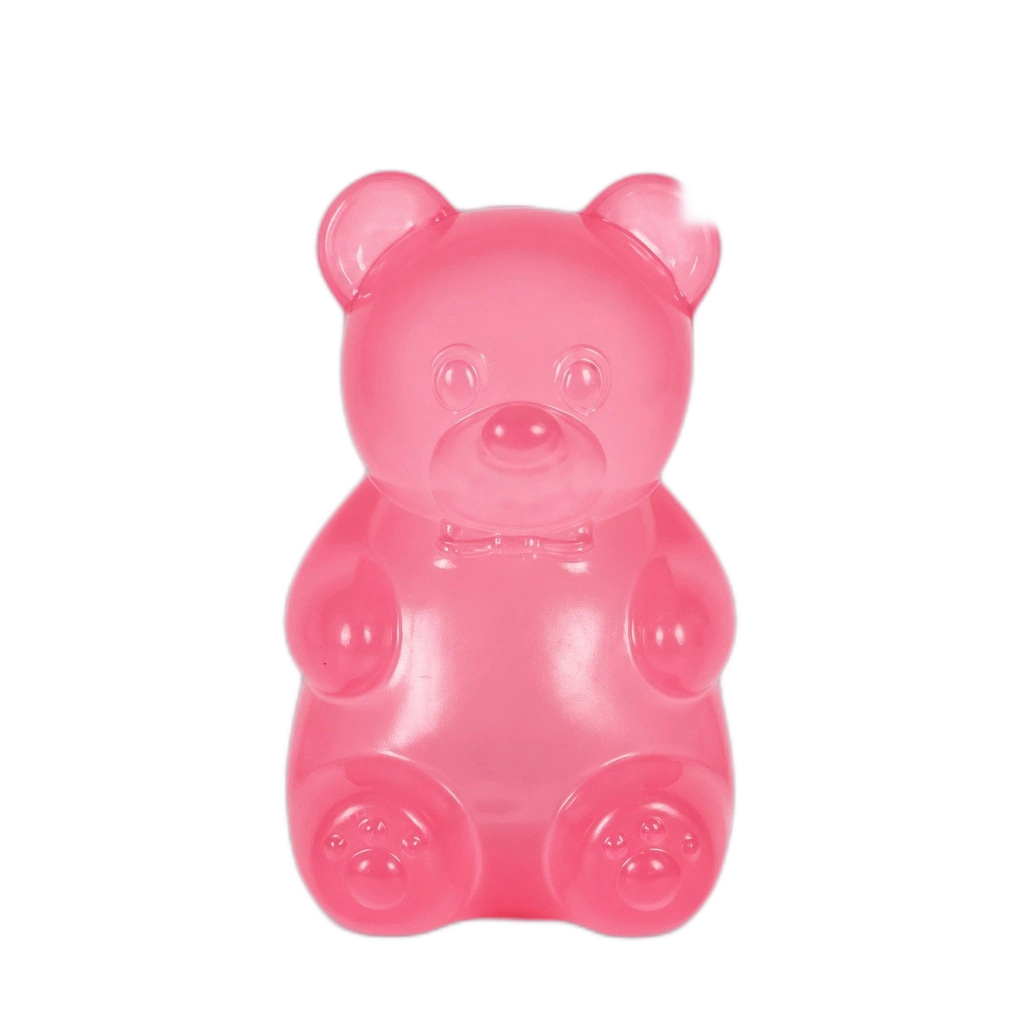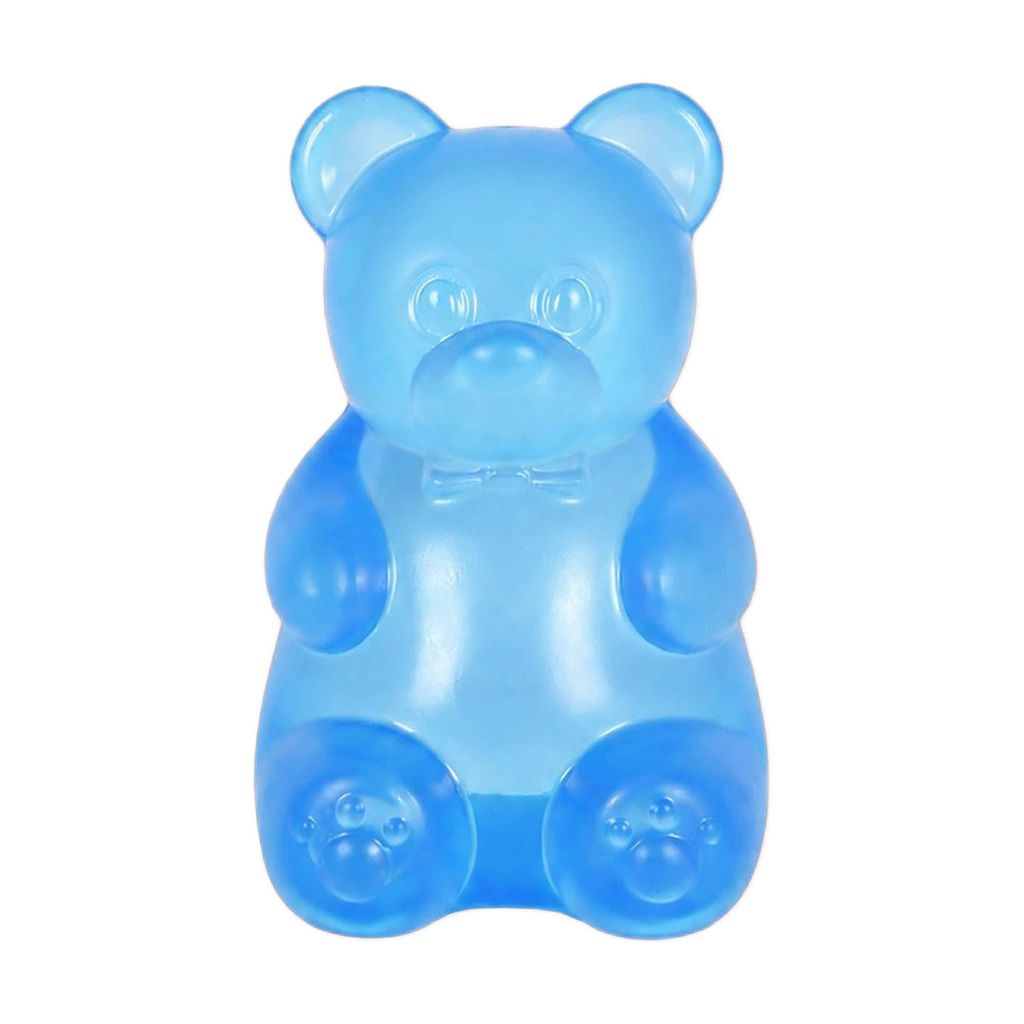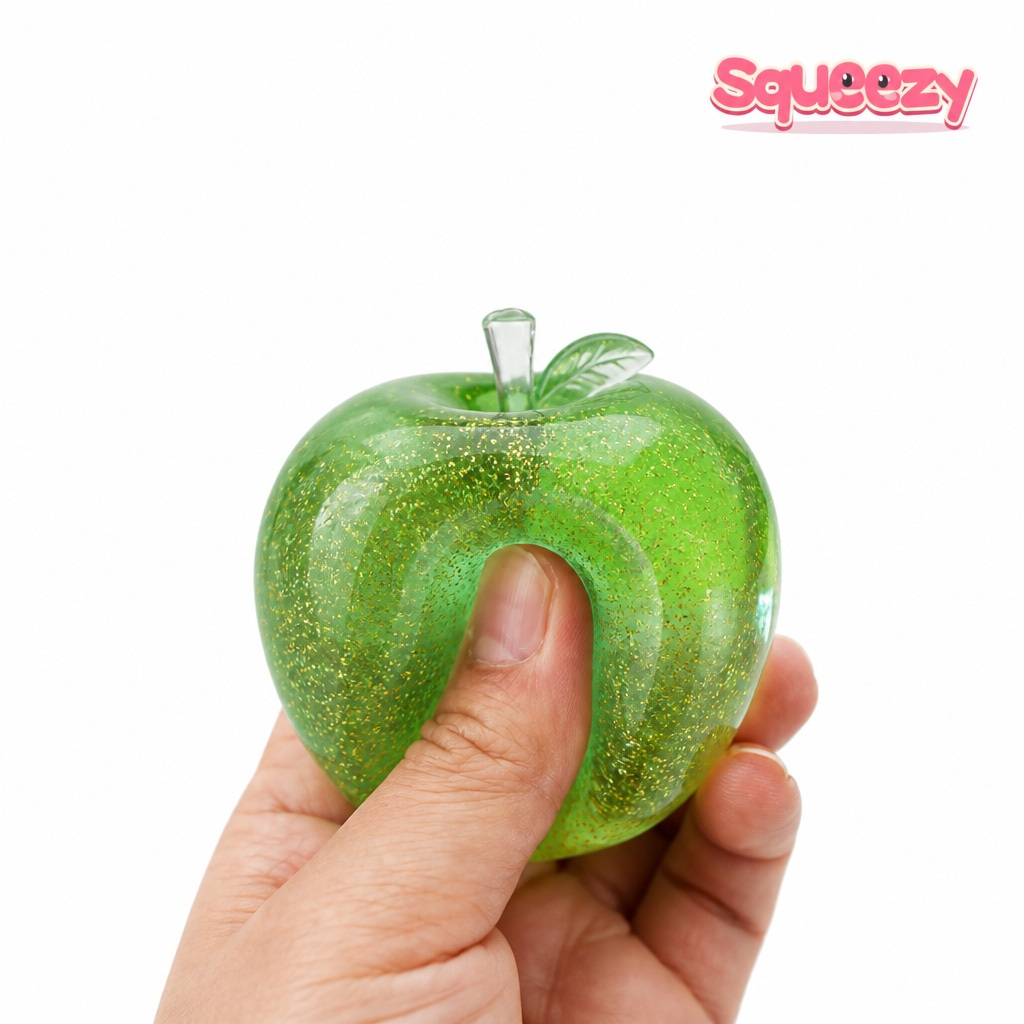
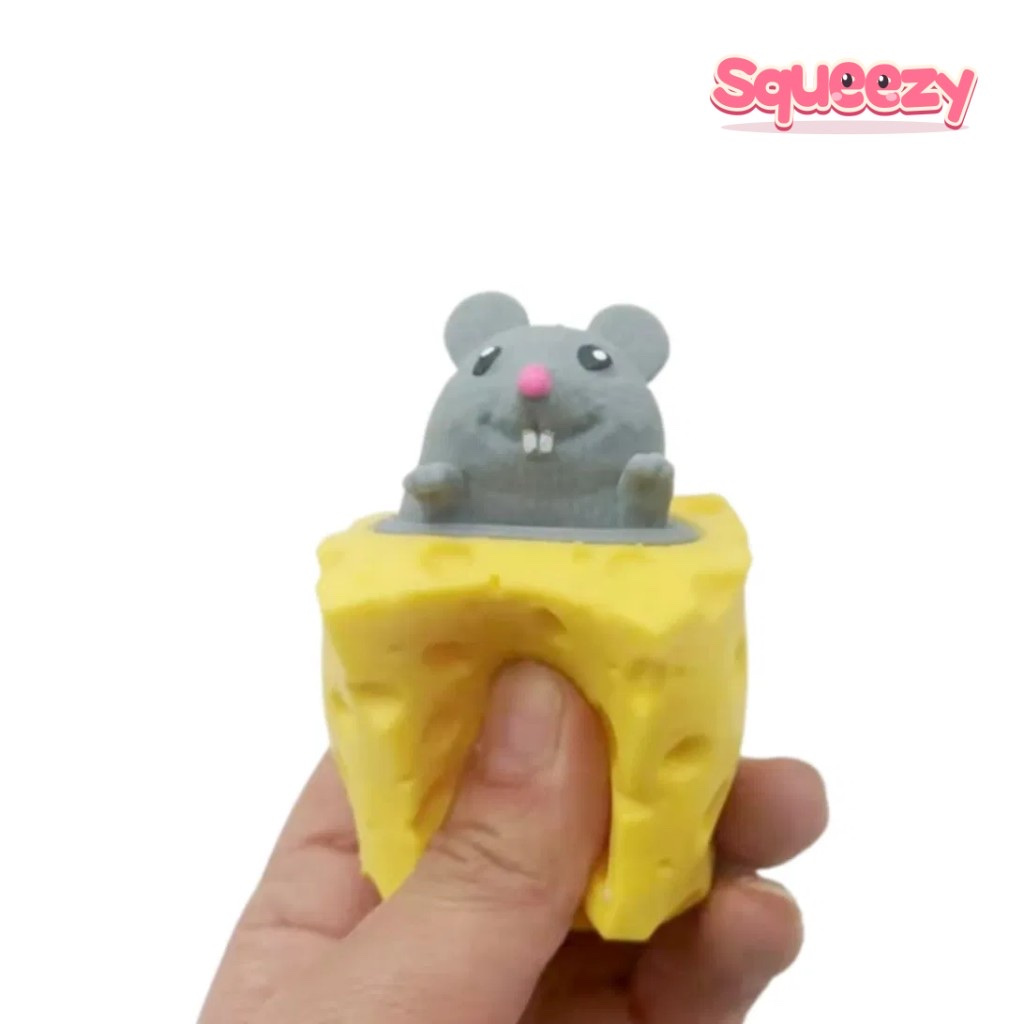
 Cheese Squishy
 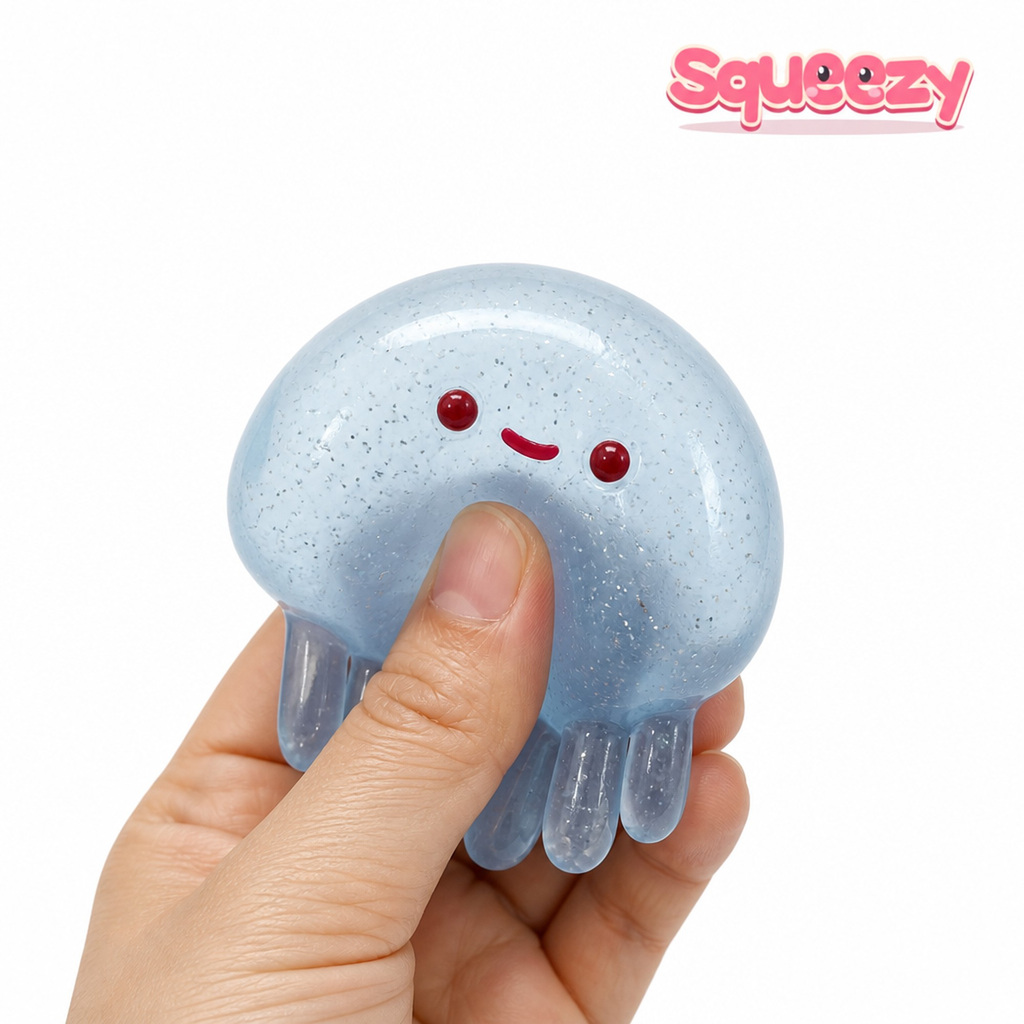 Jellyfish Squishy
 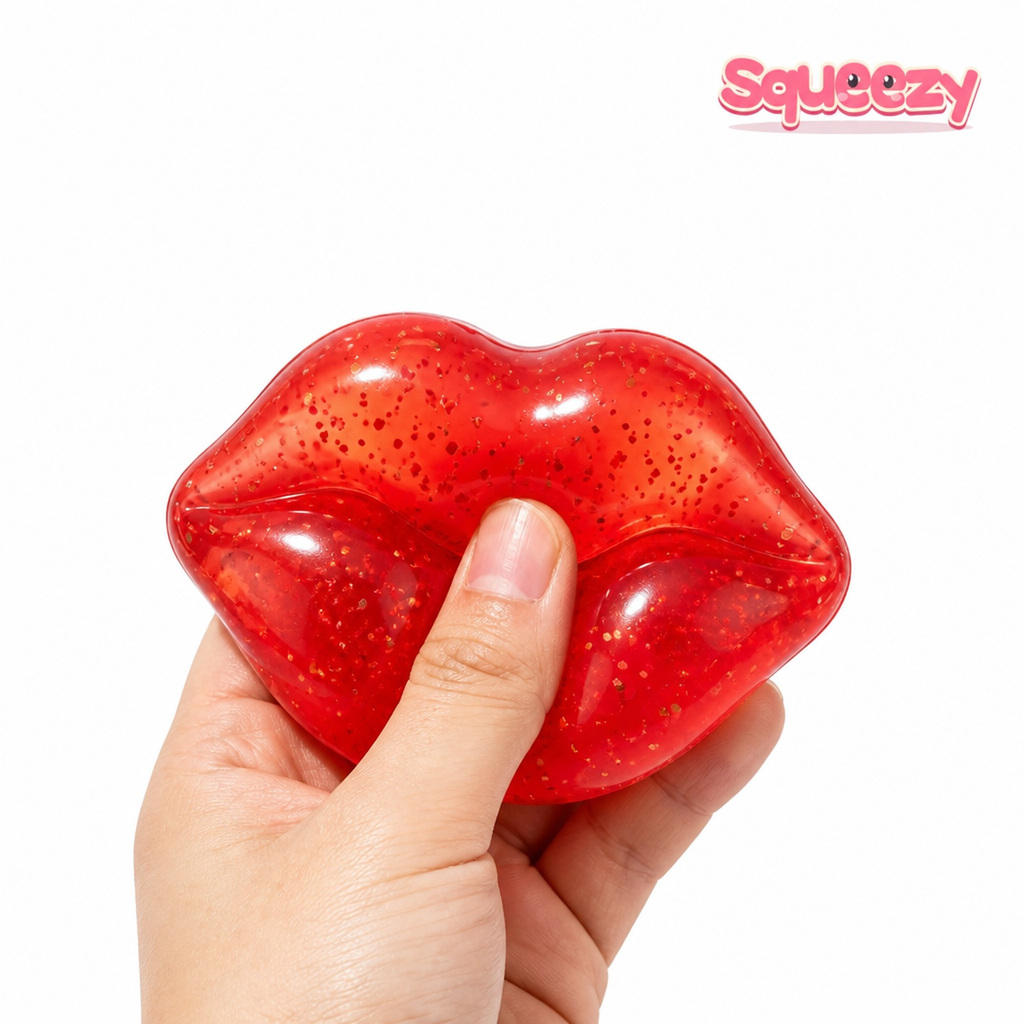 Jumbo Lips Squishy
 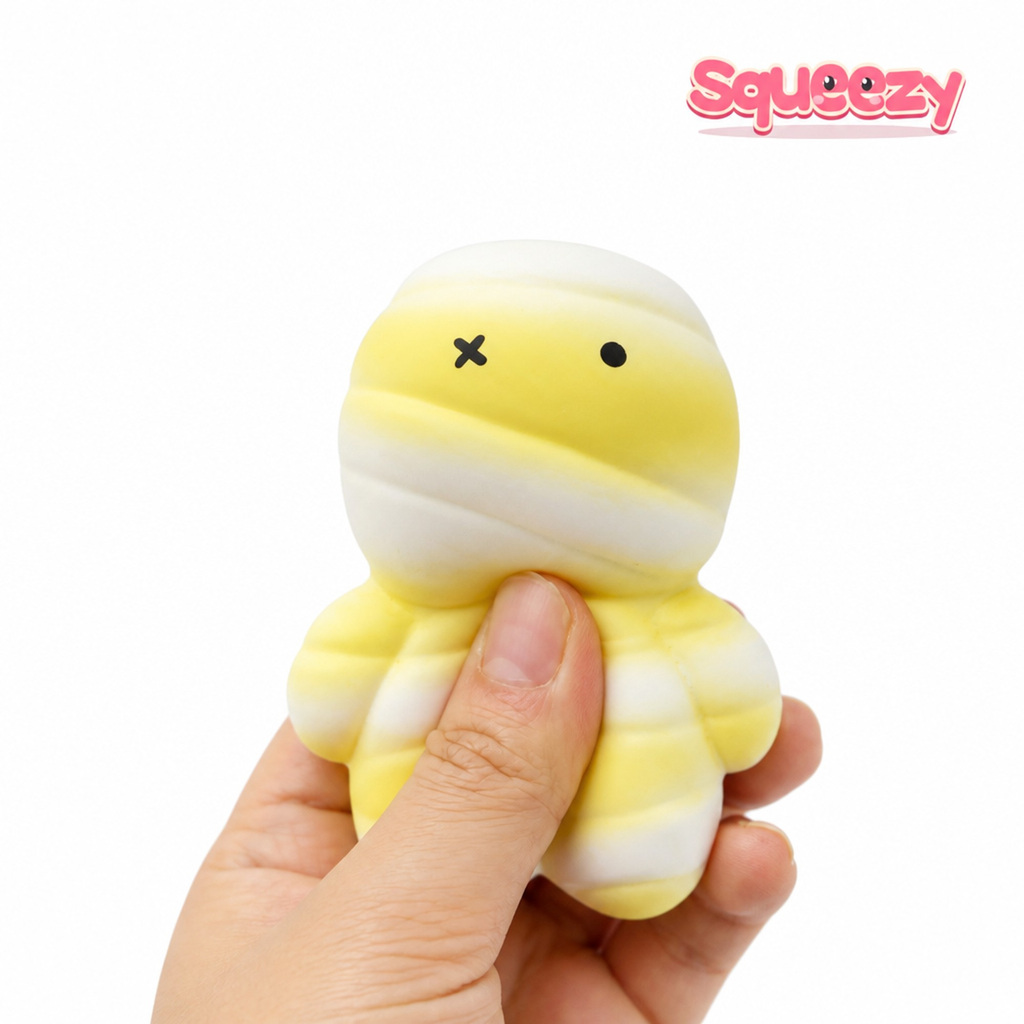 Mummy Squishy
 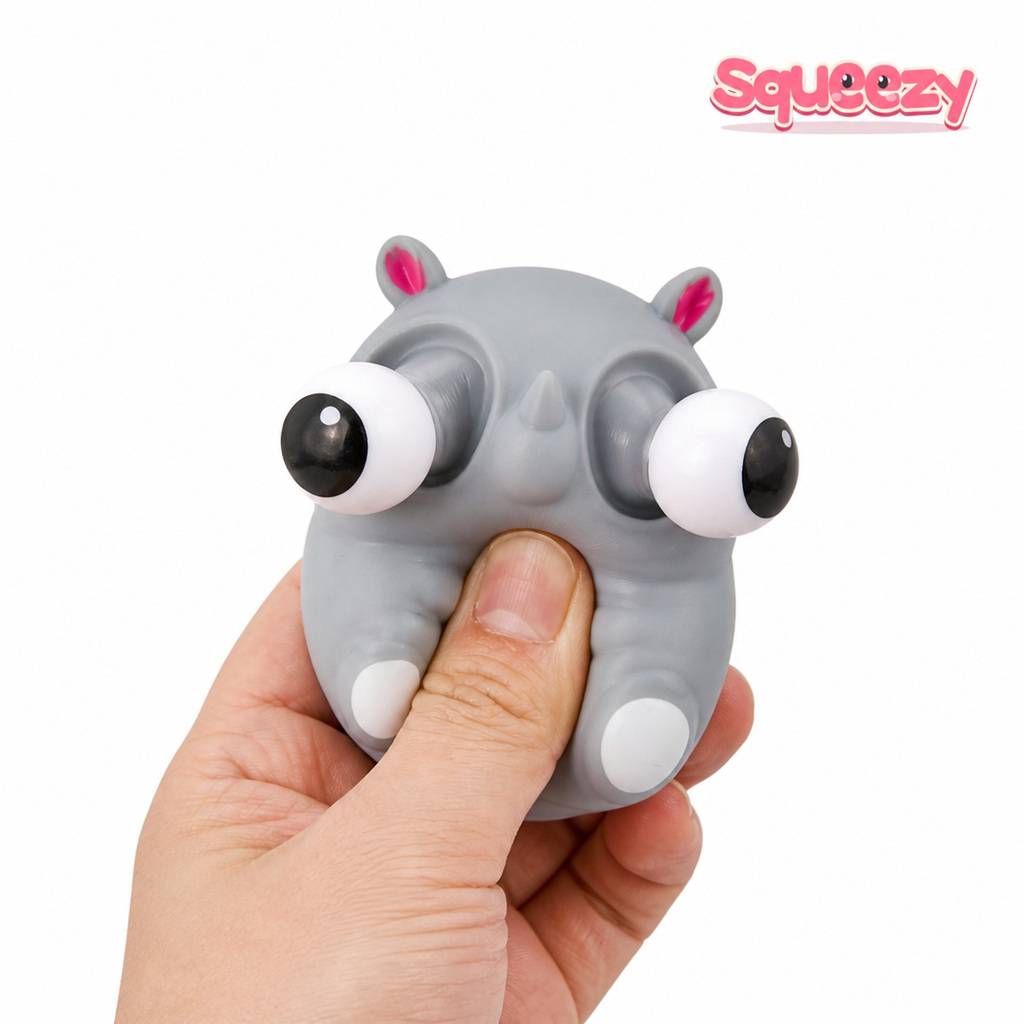 Pop-Eye Rhino
 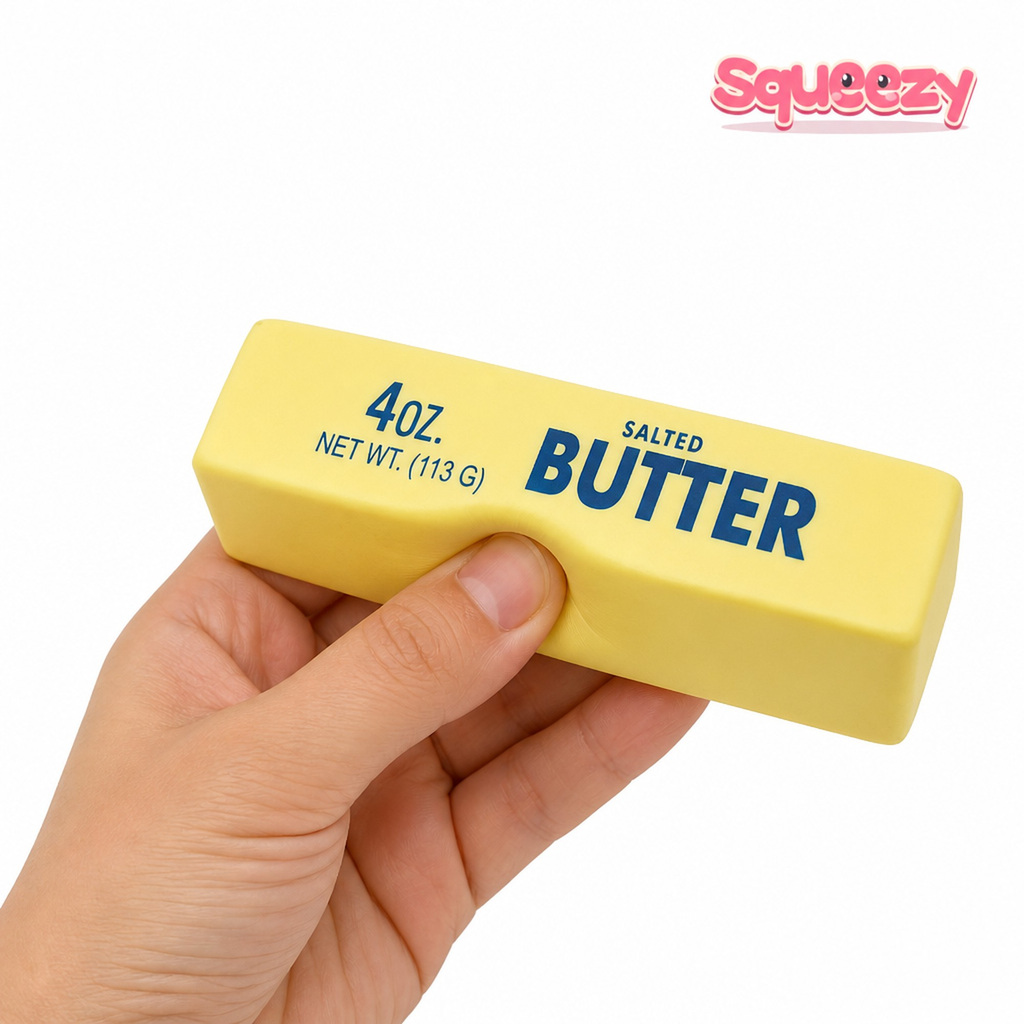 Salted Butter Stick
 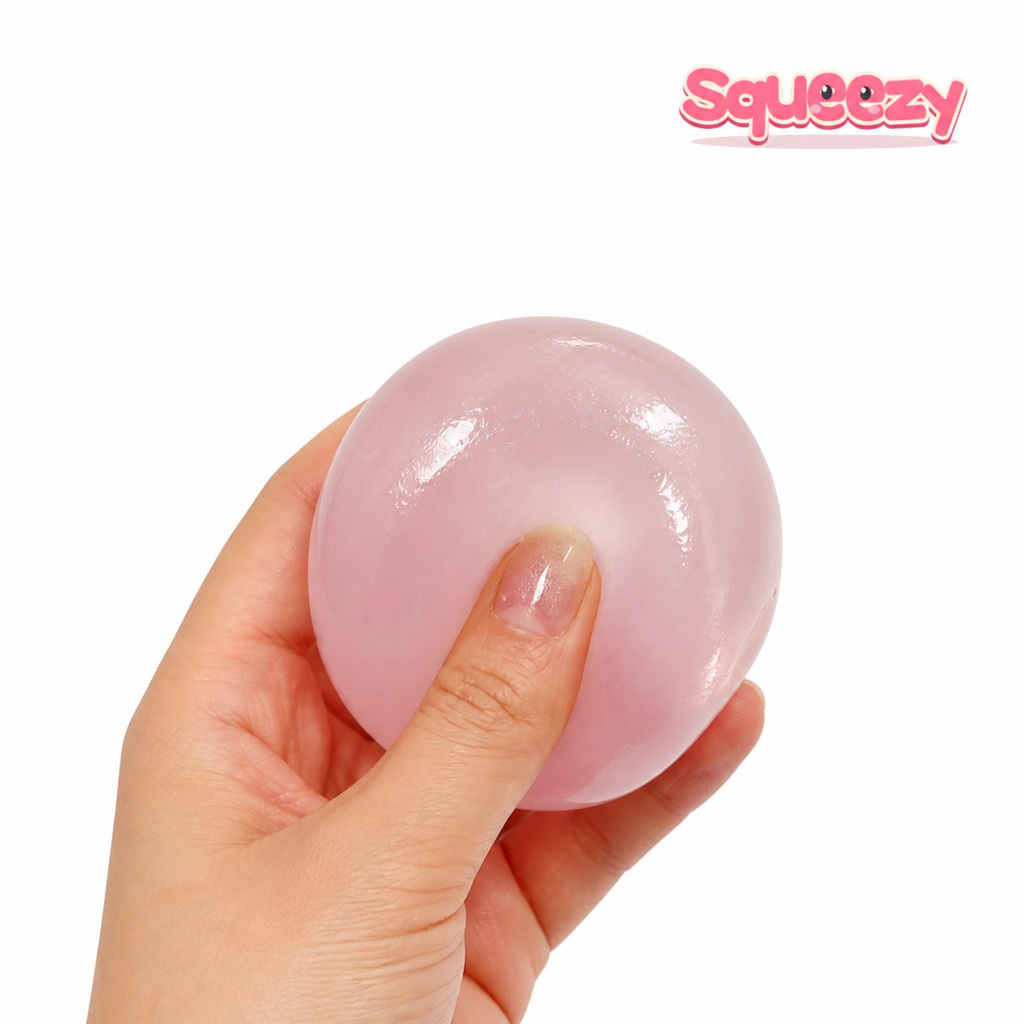 Pink Lychee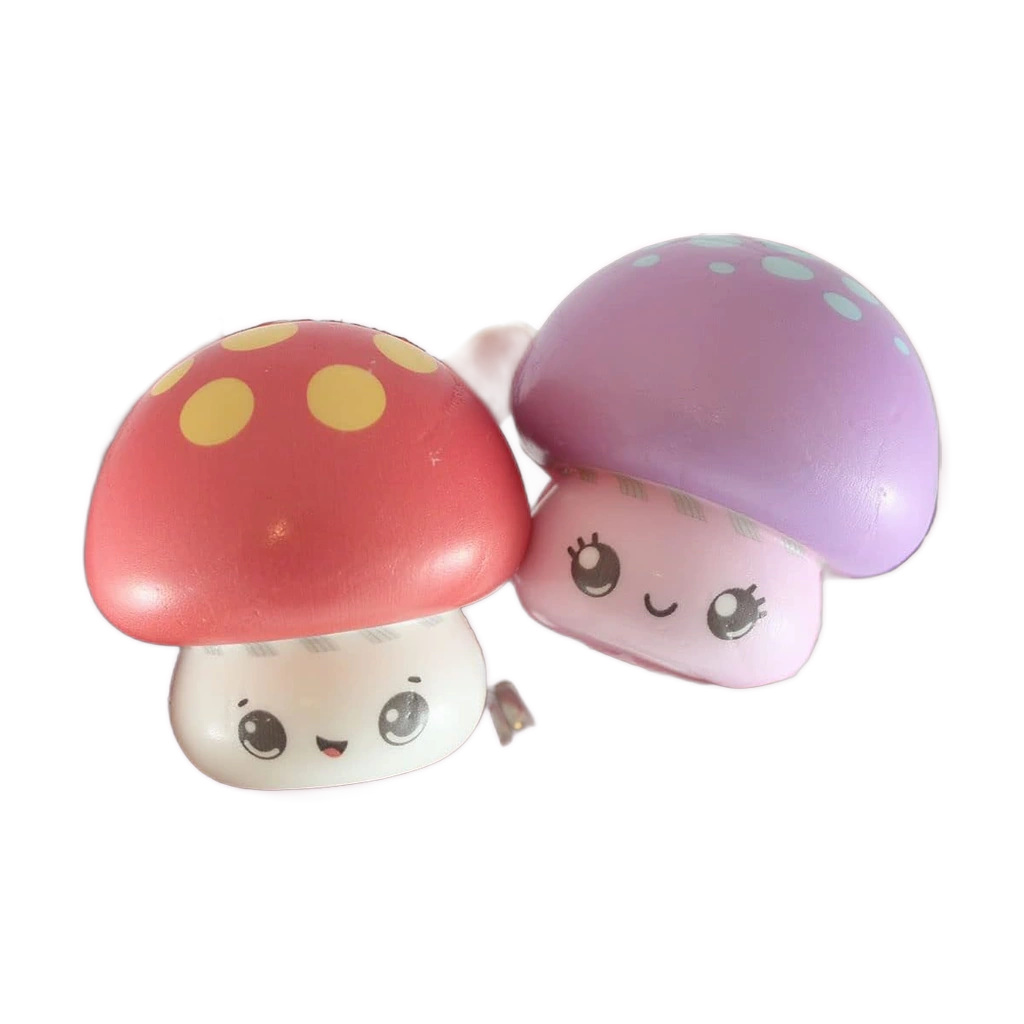
Memory foam for squishies is viscoelastic polyurethane
If you want slow rising foam for squishies, memory foam is the one to buy. Memory foam is polyurethane foam with additives that make it viscoelastic, also sold as low-resilience polyurethane foam: pressed flat, it creeps back instead of springing. Ordinary cushion foam is polyurethane too, but it rebounds quickly. Craft foam sheets barely squash at all.
If you’re working out how to make a slow rising squishy, the question is less “which brand” and more “which kind of foam”, and the kind is easy to check on a scrap before you cut a shape.
Four foams you can buy, and what each does under a thumb
These are the foams people reach for when they look for foam for a squishy. The descriptions come from what each material is, not from lab tests of ours.
| Foam | Where people find it | What it is | Under a thumb |
|---|---|---|---|
| Memory foam | Pillows, mattress toppers, some seat cushions | Viscoelastic (low-resilience) polyurethane with open cells | Dent stays, then fills back slowly |
| Cushion or upholstery foam | Sofa and chair cushions, foam blocks | Flexible polyurethane, including high-resilience grades | Springs back almost at once |
| Craft foam sheets | Craft stores, kids’ sticker packs | EVA, a closed-cell foam | Firm; hardly compresses, pops straight back |
| Kitchen sponge | Any supermarket | Polyester, polyurethane or wood-fibre cellulose | Soaks up water; rebound depends on the sponge |
Only the first row gives the slow-rise feel. That doesn’t make the others useless: a cellulose sponge or a cushion offcut still makes a squeezable toy. It just won’t creep back.
Memory foam was developed in 1966 under a NASA contract for aircraft seat cushions, and its first nickname was “slow spring back foam”. The name tells you exactly what squishy makers want from it.
Test a scrap before you carve anything
The quickest way to know whether a foam will make a slow-rising squishy is to time it. You need the foam, a craft knife or scissors and a phone.
- Cut a cube about the size of a dice from the edge of the foam, where a missing piece won’t matter.
- Leave it in the room you’ll be using for at least half an hour so it isn’t warm from a car or cold from a garage.
- Squeeze it flat between finger and thumb for a count of five.
- Let go and start the phone’s stopwatch. Stop it when the cube looks square again.
- Do the same with a store-bought slow-rising squishy if you have one, so you have a number to compare against.
Write the times down. A foam that is square again before you can start the stopwatch is cushion foam, whatever the label said. If you can watch the dent fill in, you have memory foam. We are not giving you a target number on purpose: the result depends on the foam, the room and how hard you squeezed, and the comparison against a squishy you like tells you more than any figure we could print.
Why the same foam rises slower in a cold room
Memory foam’s slow rise is a tug of war. The squashed cell walls push back toward their original shape. Working against them are three things: air has to flow back into the tiny open cells, the pressed-together cell surfaces stick to each other for a moment, and the foam material itself sits close to the temperature where it changes from rubbery to stiff.
That last effect is the strongest, and it is why temperature matters so much. If memory foam is too cold it hardens; if it is too warm it behaves like ordinary foam and springs straight back. Smaller cells also slow the rise, because air moves through them more slowly.
For a maker this means two practical things. Test and compare foams in the same room, at the same temperature. And a squishy that felt perfectly slow in a cool room may feel faster in a warm hand or on a sunny windowsill. That is the material doing what it does, not a fault.
Density numbers you’ll see on a topper label
Mattress toppers and pillows sometimes print a density. Most bedding memory foam is about 48 to 72 kg per cubic metre (3 to 4.5 lb per cubic foot); ordinary memory foam ranges roughly from 16 to 80 kg per cubic metre.
Density is not softness. Firmness is measured separately, as the force it takes to press a dent into a standard block, and a foam with a lower density can still feel soft or firm depending on how it was made. If a label gives you both, softness is the number that matters for how a squishy feels in the hand; density mostly tells you how heavy and durable the piece will be. If a label gives you neither, the scrap test above is your answer.
What squishy listings say about their foam
You might hope a finished squishy’s listing would tell you which foam to copy. Mostly it doesn’t. Of the 702 squishy listings we checked in our shop on September 30, 2026, 505 describe the toy as slow-rising, but only four name memory foam as the material, nine say PU foam, and none uses the word polyurethane.
The four that do name memory foam are a useful reference if you want to feel the target before you buy raw foam: our slow-rising mushroom squishy two-pack and mini banana squishy are two of them. For a PU foam example, the taro cake squishy says so in its name.
Foam also changes with age: polyurethane foam hardens and can crack over time, which we cover in what PU foam is and why it cracks. If you’re weighing whether to build one at all, our guide to making a homemade squishy compares three household builds.
FAQ
What foam is used for squishies?
Slow-rising squishies are made of soft polyurethane foam, the same family as memory foam. Some squishies use thermoplastic rubber or silicone instead of foam. For a DIY squishy, memory foam from a pillow or topper is the closest match to the slow rise.
Can you use a sponge to make a squishy?
Yes, a sponge makes a squeezable toy, but most kitchen sponges spring back quickly rather than rising slowly. Cellulose sponges also absorb water, so keep a sponge squishy dry.
Where can I buy slow rising foam for squishies?
Memory foam pillows and mattress toppers are the easiest source, and offcuts go a long way for small squishies. Check the scrap with the timer test before you cut a shape. We sell finished squishies, not raw foam.
How do you make a slow rising squishy rise slower?
Start with memory foam rather than cushion foam, since no finish turns a fast foam into a slow one. Then keep it at ordinary room temperature: memory foam rises slower when cool and faster when warm, and very cold foam turns stiff.