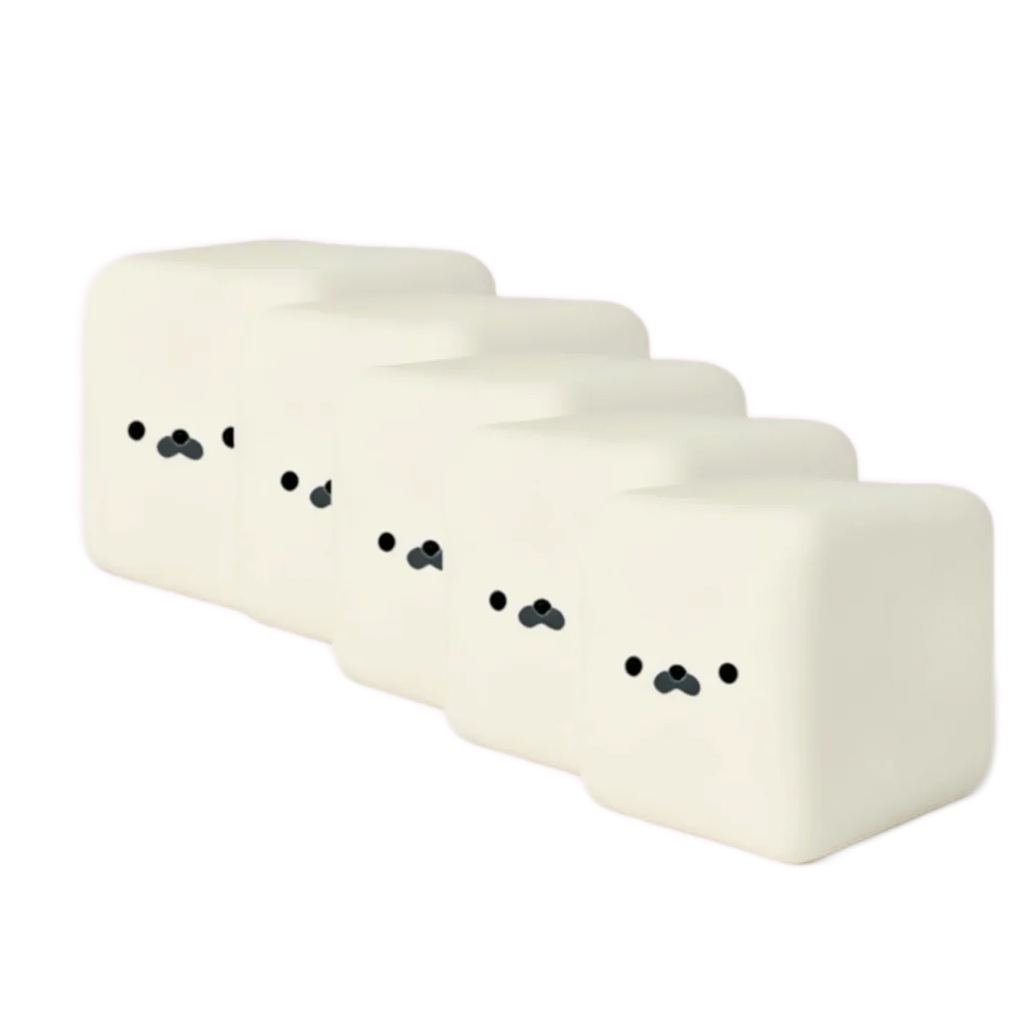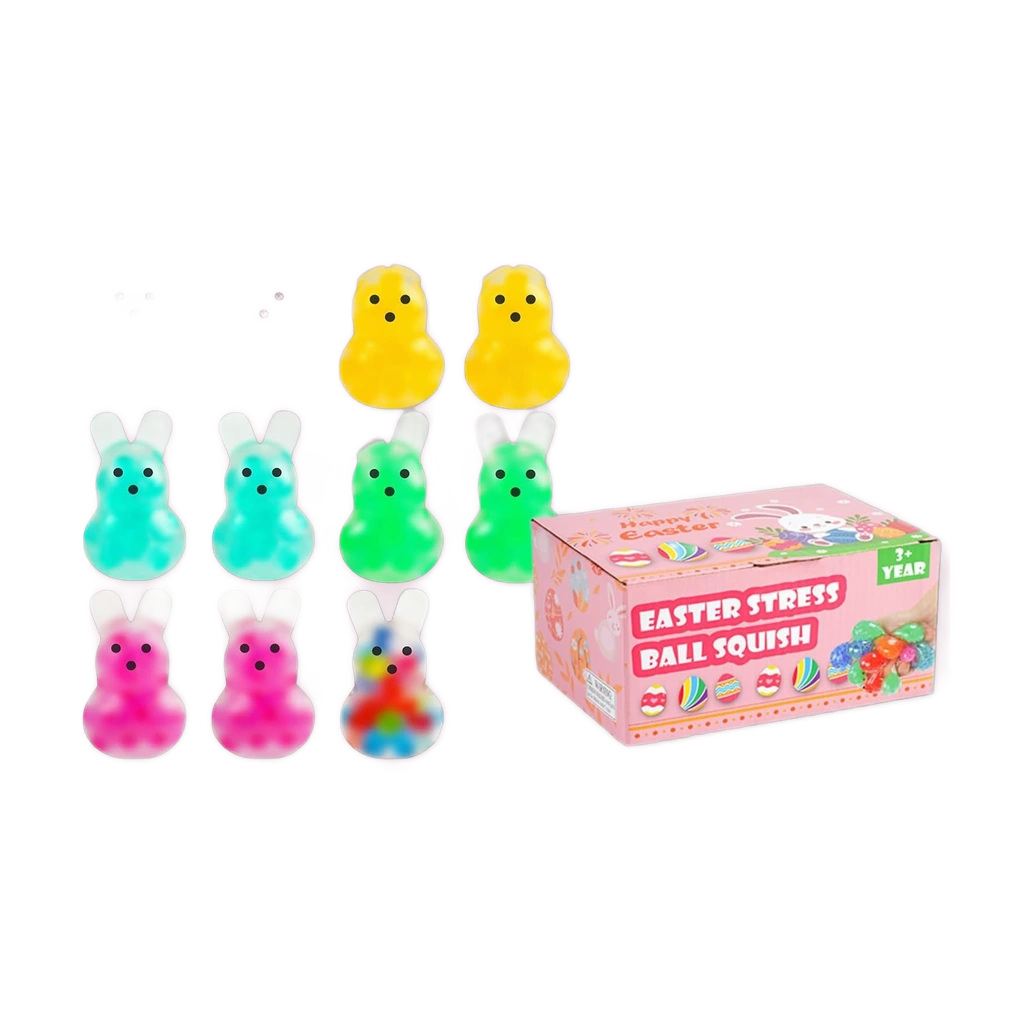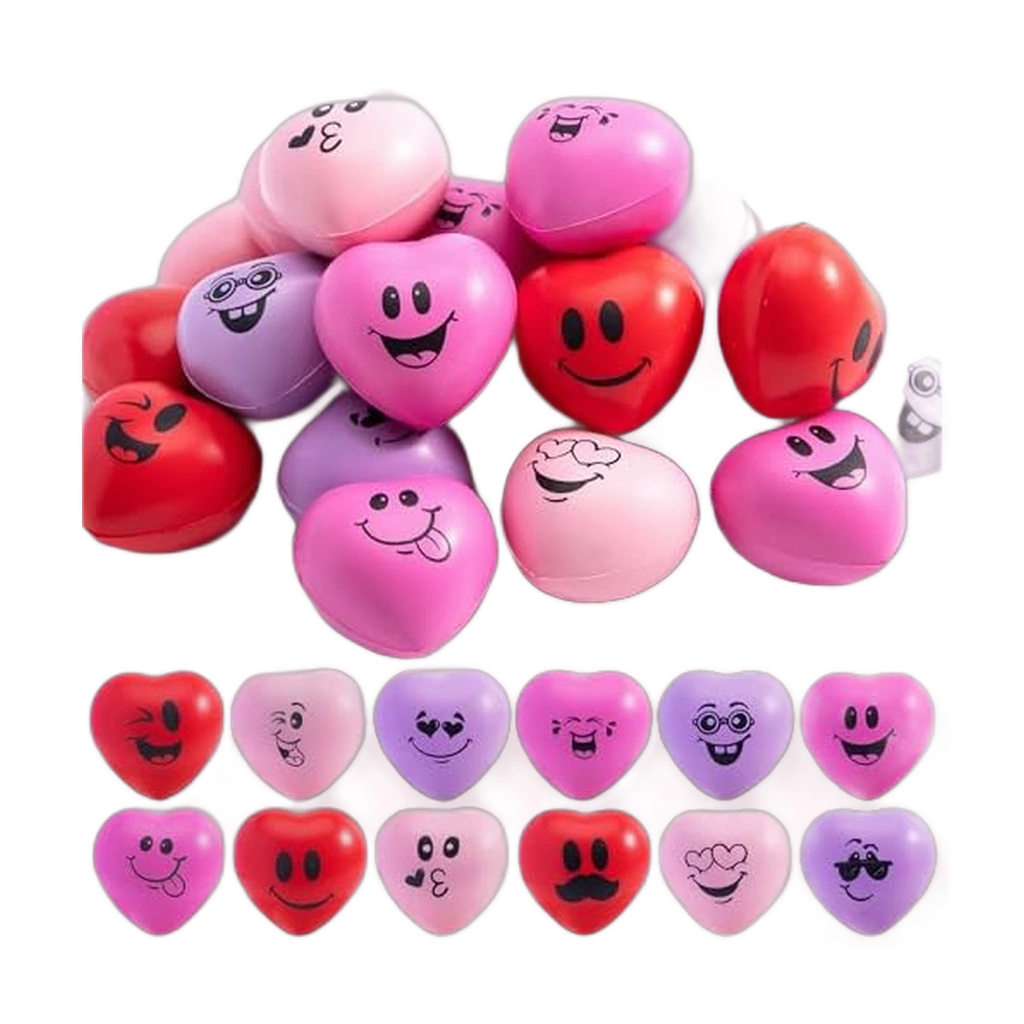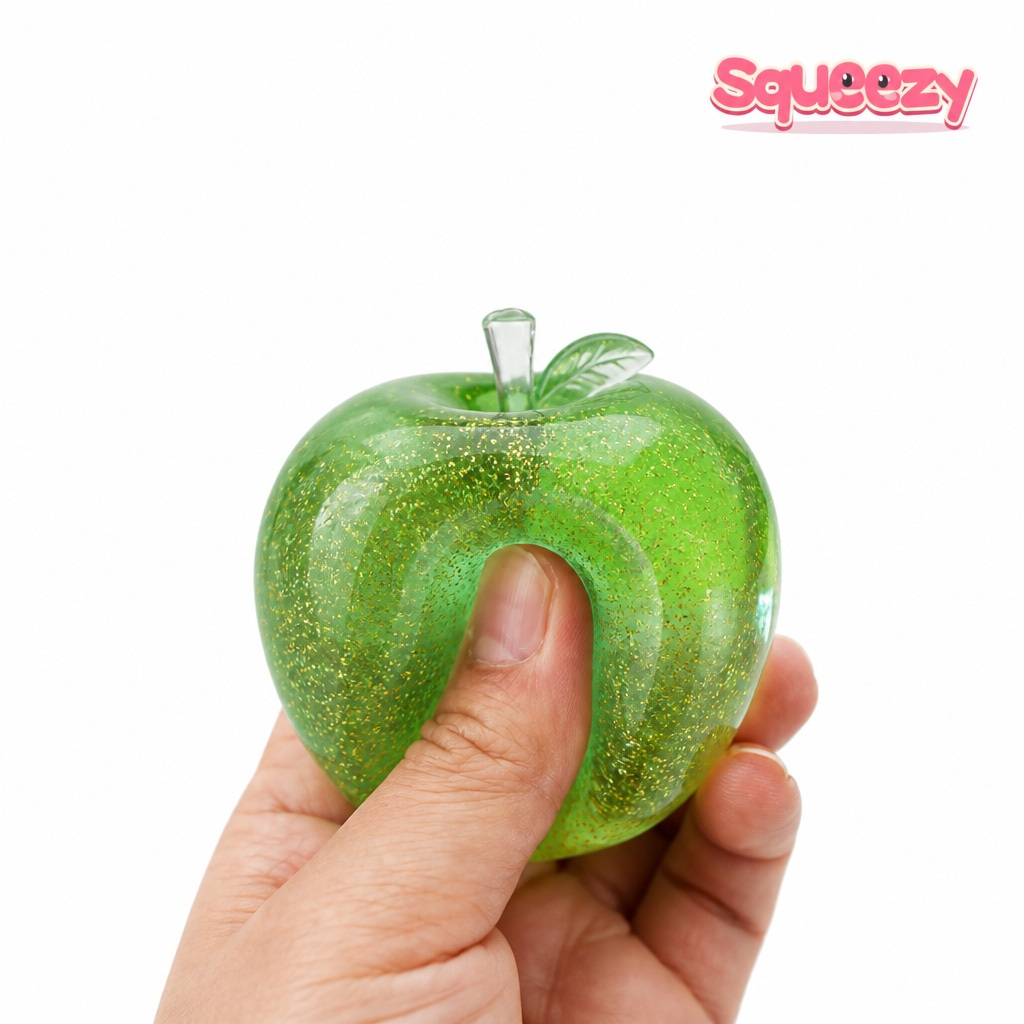
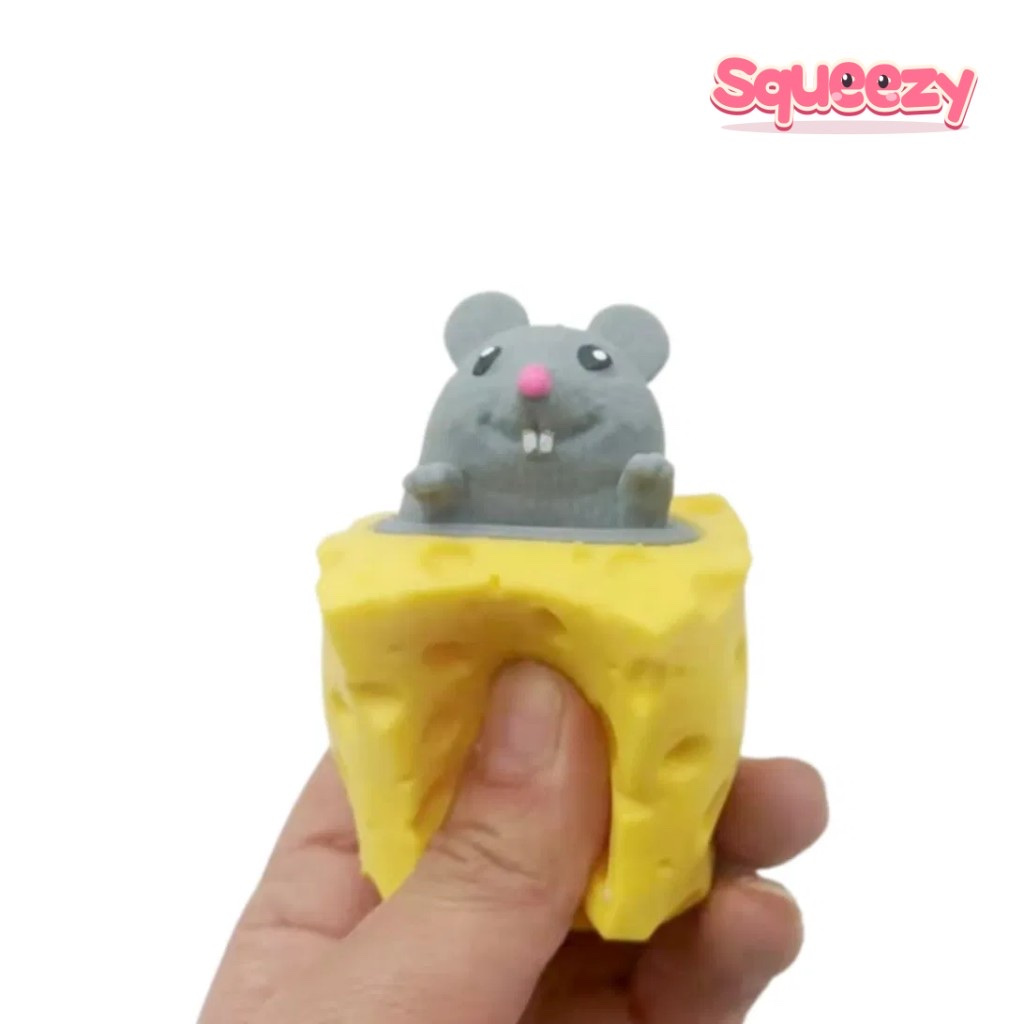
 Cheese Squishy
 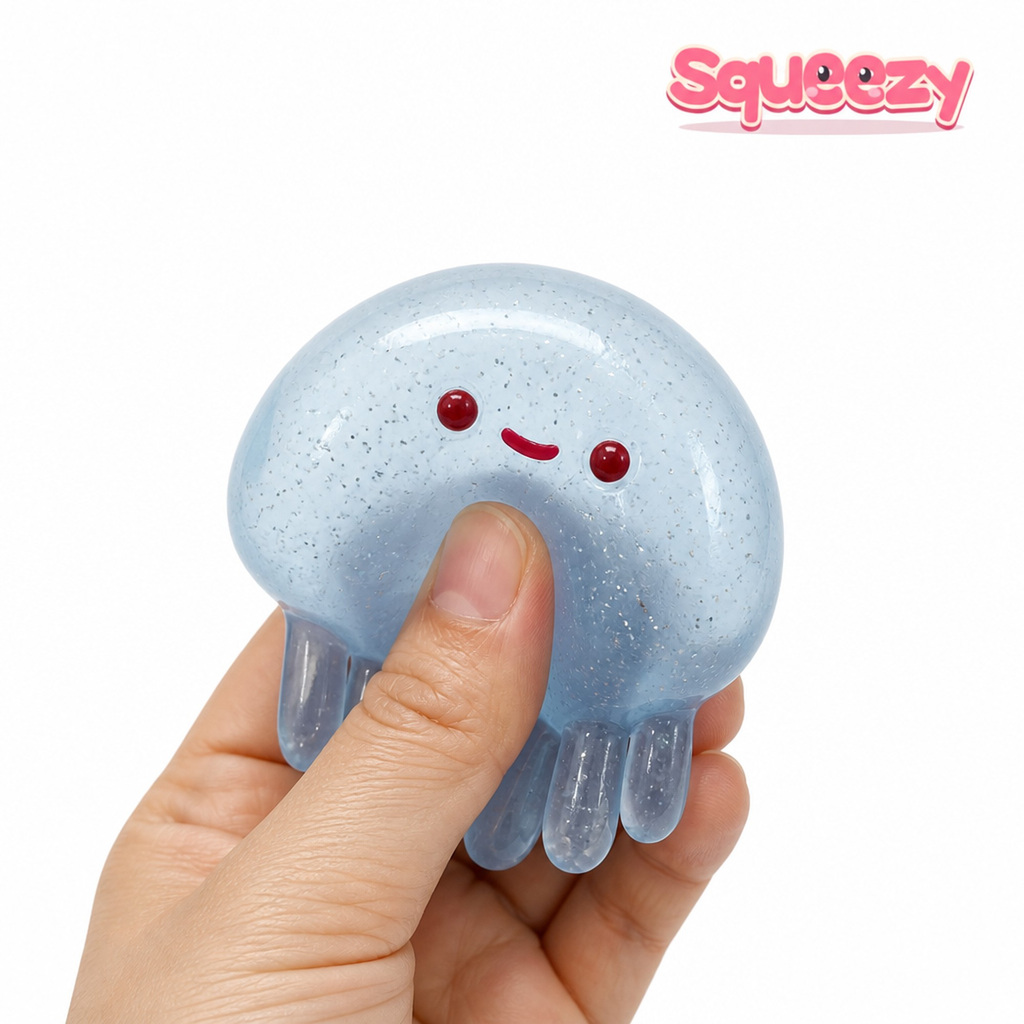 Jellyfish Squishy
 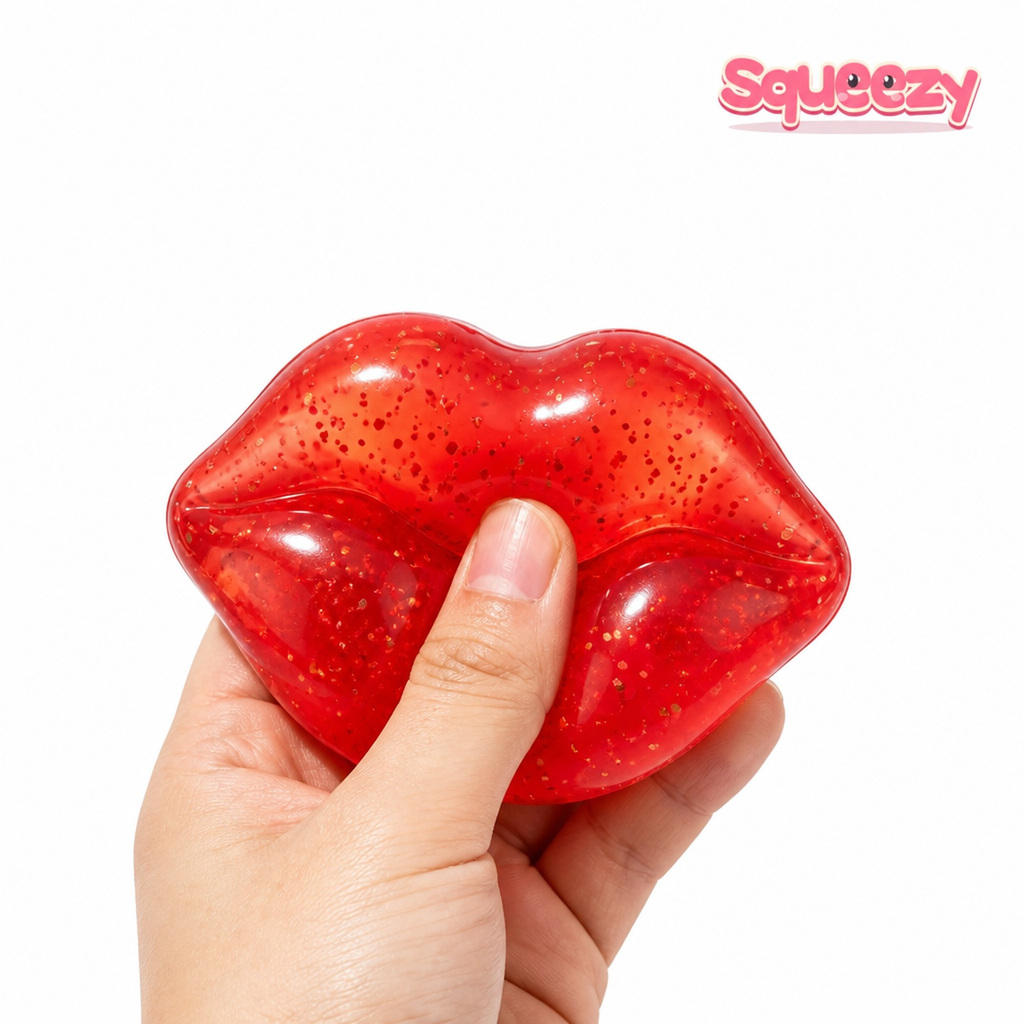 Jumbo Lips Squishy
 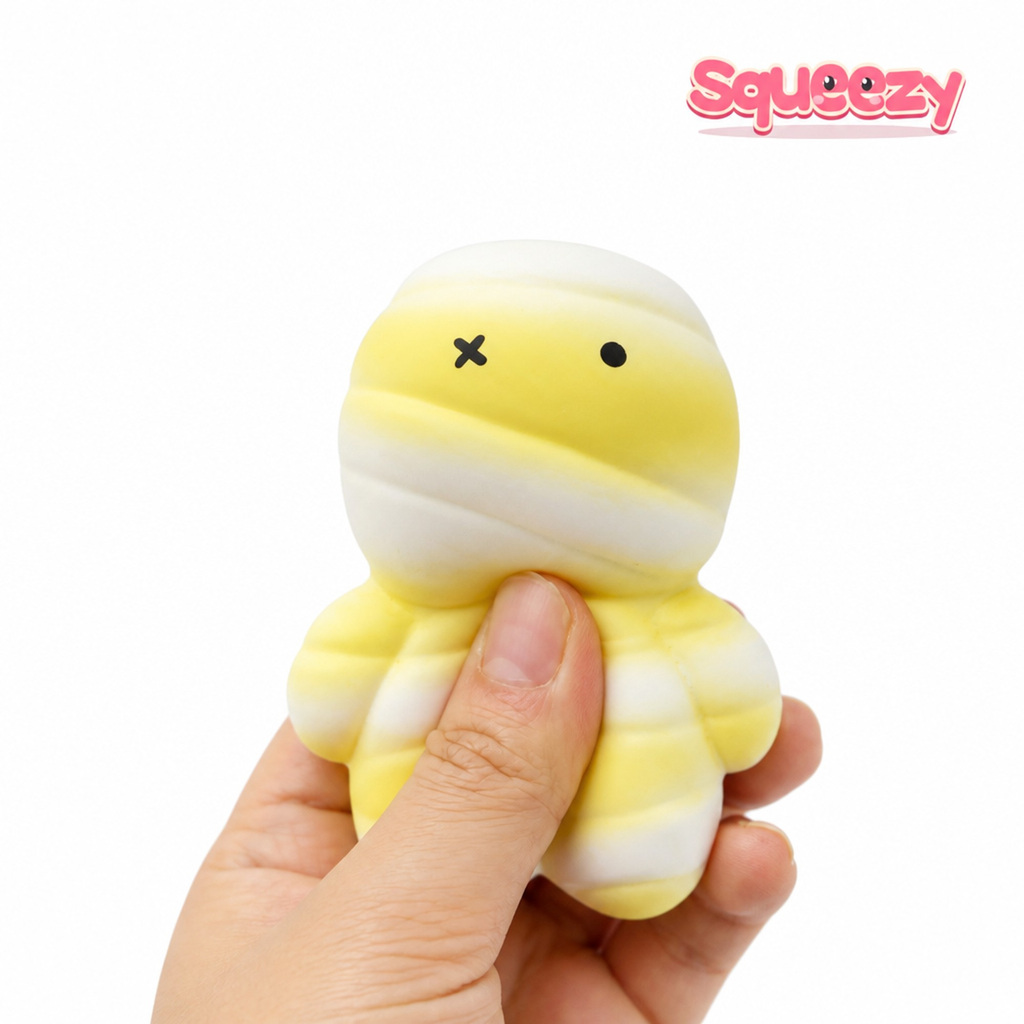 Mummy Squishy
 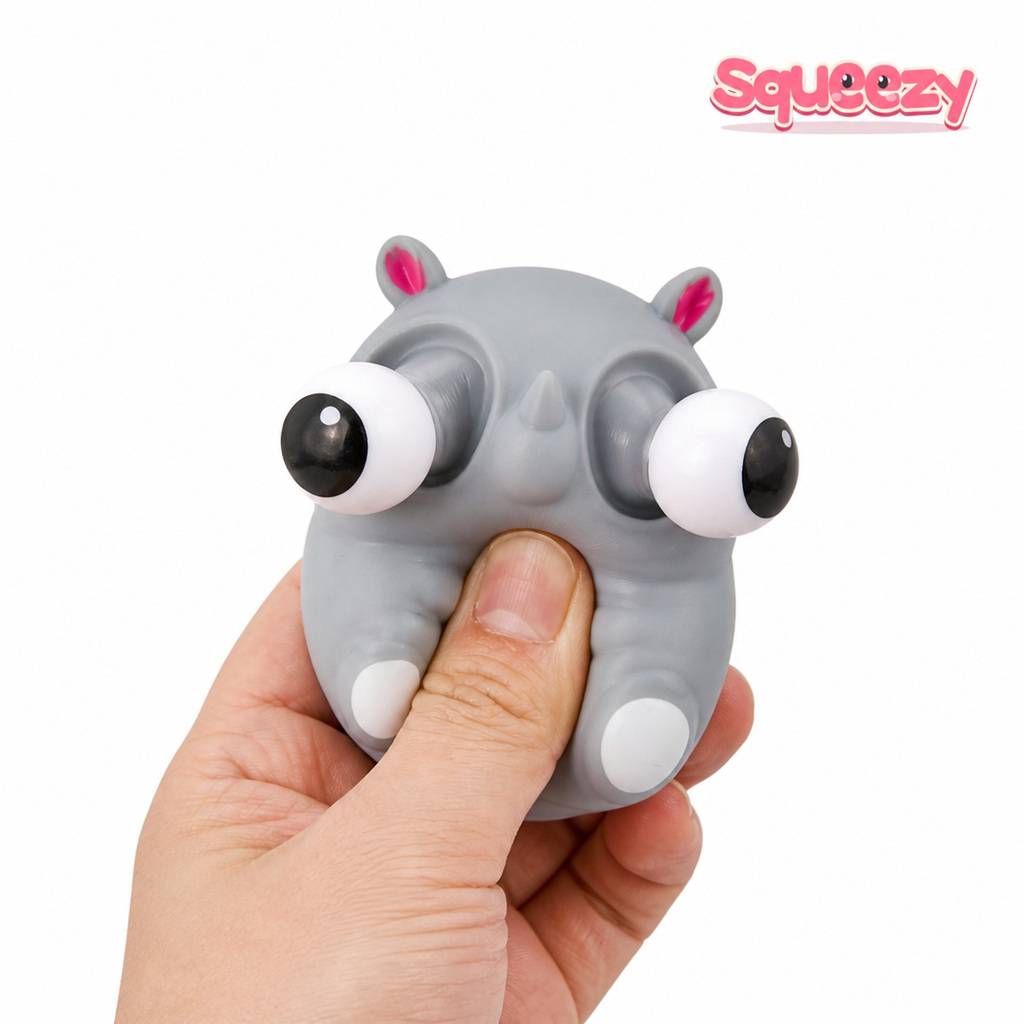 Pop-Eye Rhino
 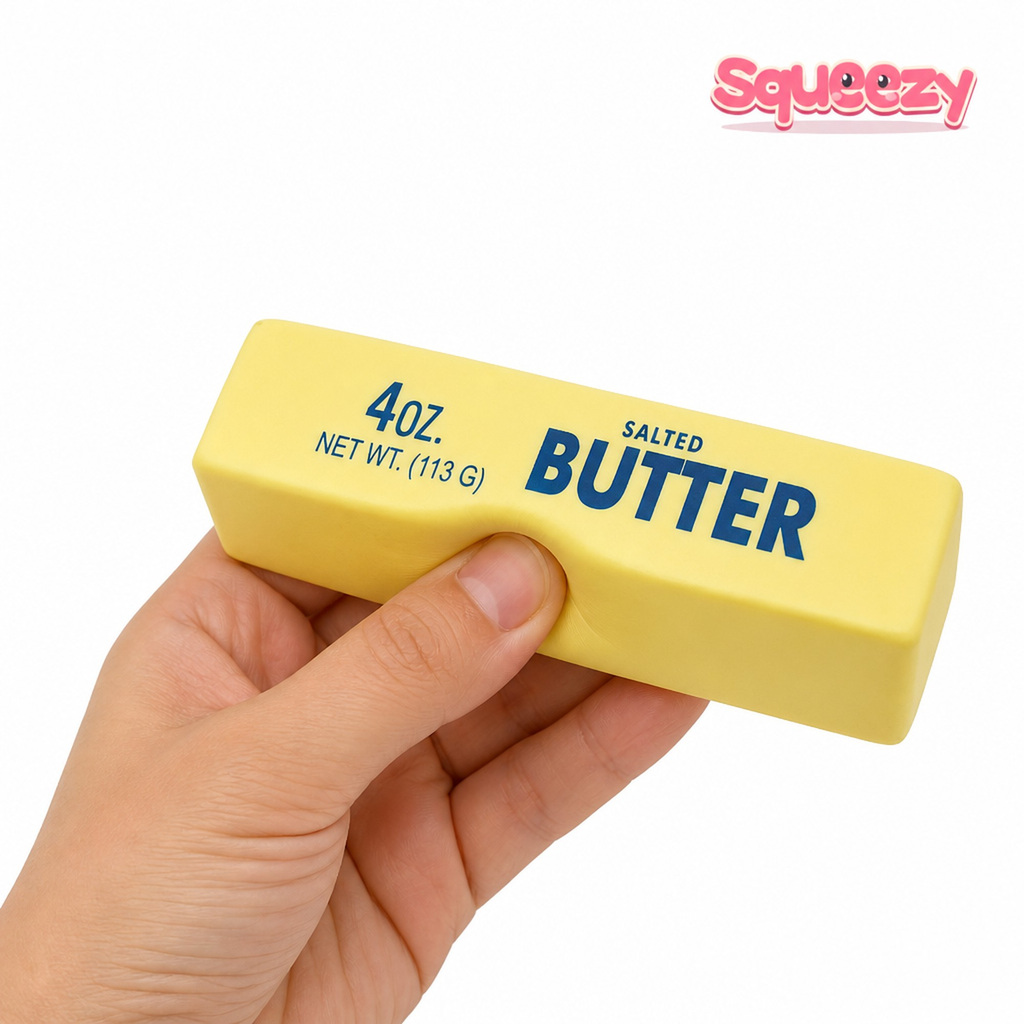 Salted Butter Stick
 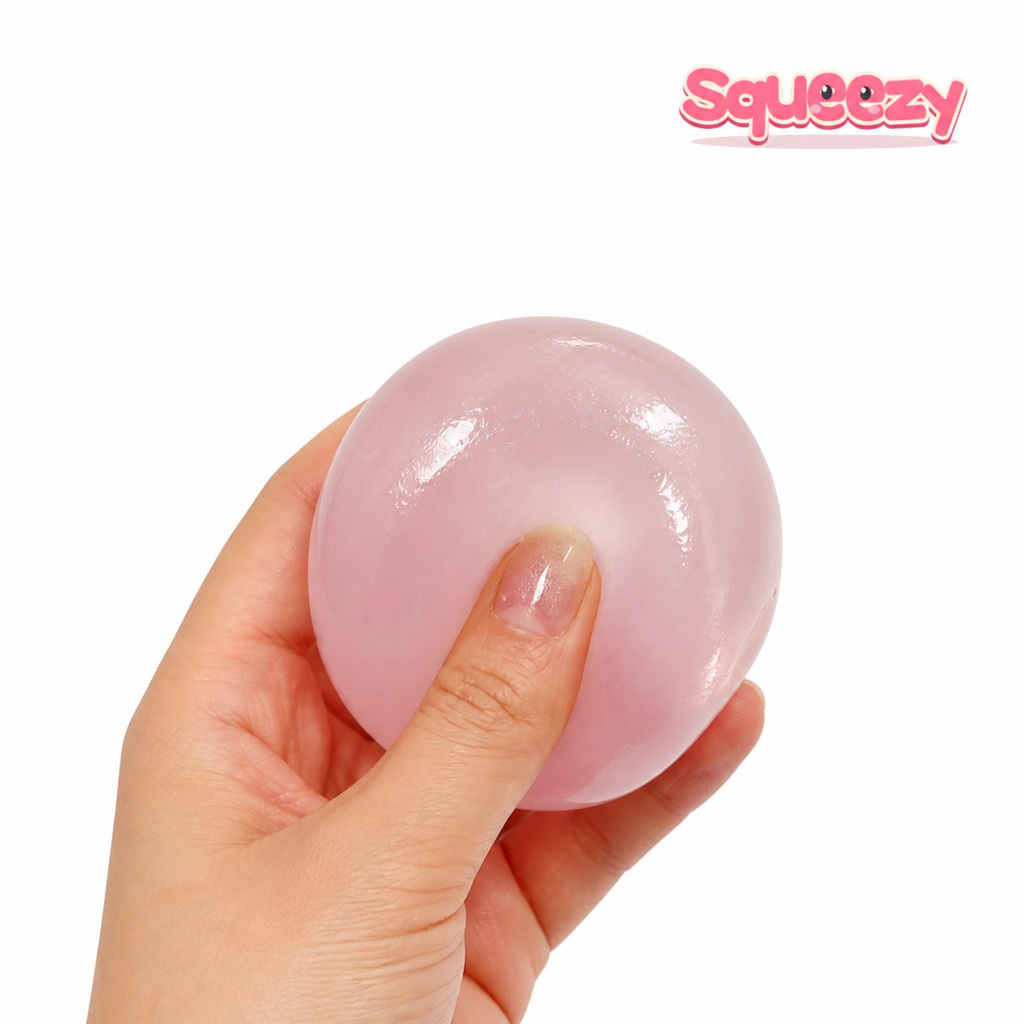 Pink Lychee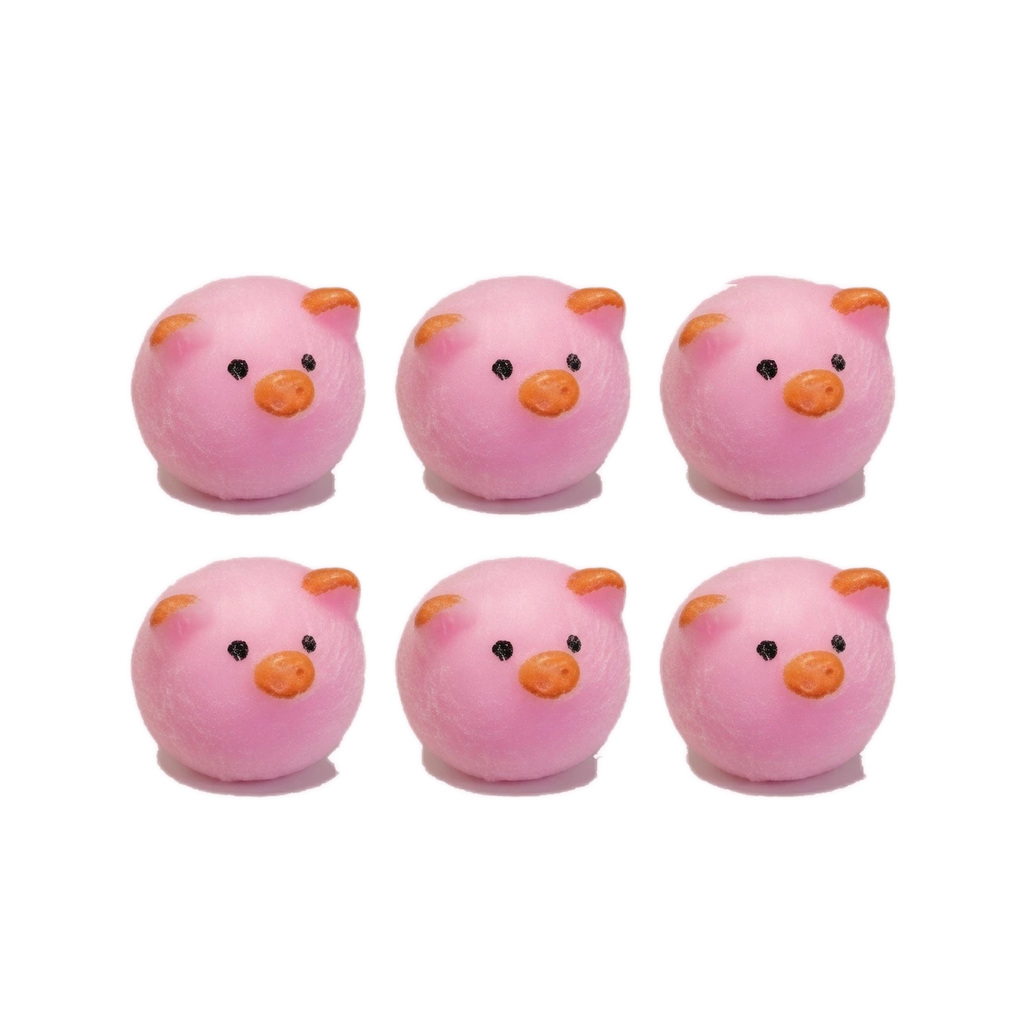
Bulk squishies: count simultaneous users before packs
Bulk squishies for a shared classroom pool should be planned around how many students will use them at the same time. Count existing pieces you have accepted for use, add any reserve you choose, then compare whole packs. A return log keeps the next session’s available count separate from what you originally bought.
Start with the classroom routine. Will four students use a station while classmates do another activity, or will everyone need a piece at once? A class register alone does not answer that question. Ask the teacher whether the activity and toys are permitted before making a shopping list.
For a hypothetical class of 28, these are three different plans:
| Planned use | Simultaneous users | Chosen reserve | Target pool |
|---|---|---|---|
| One four-student station | 4 | 2 | 6 |
| Two four-student stations | 8 | 2 | 10 |
| One piece for every student at once | 28 | 2 | 30 |
The two-piece reserve is a planning choice in these examples, not a measured loss or defect rate. Change it to fit your own routine. A six-piece pool could supply the first station, but it does not give 28 students a toy to keep. Shared classroom use and a take-home prize box need different counts.
Write the intended routine beside the target. “Six pieces for one rotating station” is clearer than “enough for the class.” It also gives the teacher a way to review the request without needing to guess how you arrived at the number.
Compare whole packs with the remaining gap
On the product pages checked on October 2, 2026, the Mini Pig listing states six pieces, while the Milk Carton listing states three. These are listing counts, not a test of a delivered order or proof of classroom suitability.
Use those counts for a transparent planning example:
| Remaining gap | Six-piece listing | Three-piece listing |
|---|---|---|
| 6 pieces | 1 pack lists 6 | 2 packs list 6 |
| 10 pieces | 2 packs list 12 | 4 packs list 12 |
The ten-piece example leaves two planned pieces beyond the gap whichever pack count you use. That does not make the designs interchangeable. Check the selected listing and its current contents before ordering; the calculation only compares the quantities stated on those two pages.
Existing pieces change the gap. If your target is six and you already have two pieces accepted for the activity, four remain to be covered. One six-piece pack would bring the planned total to eight, assuming all six delivered pieces are accepted for use. It would not make sense to count the same two existing pieces again when deciding how many packs to order.
For any pack of squishies, record three numbers: the target pool, the accepted pieces already on hand, and the listing’s pieces per pack. Round up to a whole pack when the gap is not evenly divisible. Avoid treating colour choices on a page as extra pieces included in the order.
Separate delivered pieces from accepted pieces
When an order arrives, count its contents against the listing and keep the packaging information. Then have the responsible adult decide which pieces can enter the pool. A quantity total does not settle age suitability, condition or the school’s rules.
For toys used by children, CPSC advises choosing by age and ability and following the packaging’s safety directions. It also says that small balls and toys containing small parts should be kept away from under-threes. Neither recommendation establishes that the pig or milk-carton listing is suitable for this classroom.
Set aside pieces with missing information or visible damage for a decision instead of counting them as available. Check the actual packaging and any product-specific care instructions. Do not fill gaps in those instructions with an assumed washing method or a claim that one material lasts longer than another.
Give storage slots simple identifiers, such as P1 to P6, and keep the identifiers on the tray or log. This avoids needing to stick a label to the toy itself. The purpose is to count returns, not to create a new care procedure.
Use a return log that changes the next session’s count
A pool is only useful if its available count is current. Here is a hypothetical session with six accepted pieces at the start:
| Log field | Example entry |
|---|---|
| Accepted and available at the start | 6 |
| Issued for the activity | 4 |
| Returned | 4 |
| Returned pieces held aside for an adult’s check | 1 |
| Available for the next session | 5 |
All four issued pieces came back, but one was held aside, so only five are available next time. “Returned” and “ready for the next activity” are separate fields. If a piece is missing, record that separately from a piece awaiting a condition check.
Before the next rotation, compare the available count with the number of simultaneous users. If the pool is short, reduce the group size or pause the activity while the teacher decides what to do. Do not quietly replace an unknown or damaged piece just to make the count work.
Keep the routine simple: issue from the accepted pool, collect the pieces, record anything held aside, and follow the school’s handling and product-care rules. This guide supplies a counting method; it does not supply a cleaning test, a durability ranking or a promise about attention.
FAQ
Does a classroom need one piece for every student?
Only if the planned activity requires everyone to use one at once, or the toys will be given away. For a returned station pool, start with simultaneous users. Write down which routine you mean before comparing packs.
How do I calculate the number of packs?
Subtract accepted pieces already on hand from your chosen target. Divide the remaining gap by the confirmed pieces per pack, then round up to a whole pack. If there is no remaining gap, the count alone does not call for another pack.
Can a squishy pack tell me whether a toy suits the class?
No. Quantity planning comes after checking age information, condition and the teacher’s rules. A six-piece label describes a stated count; it is not evidence of safety for every age group or suitability for every classroom.