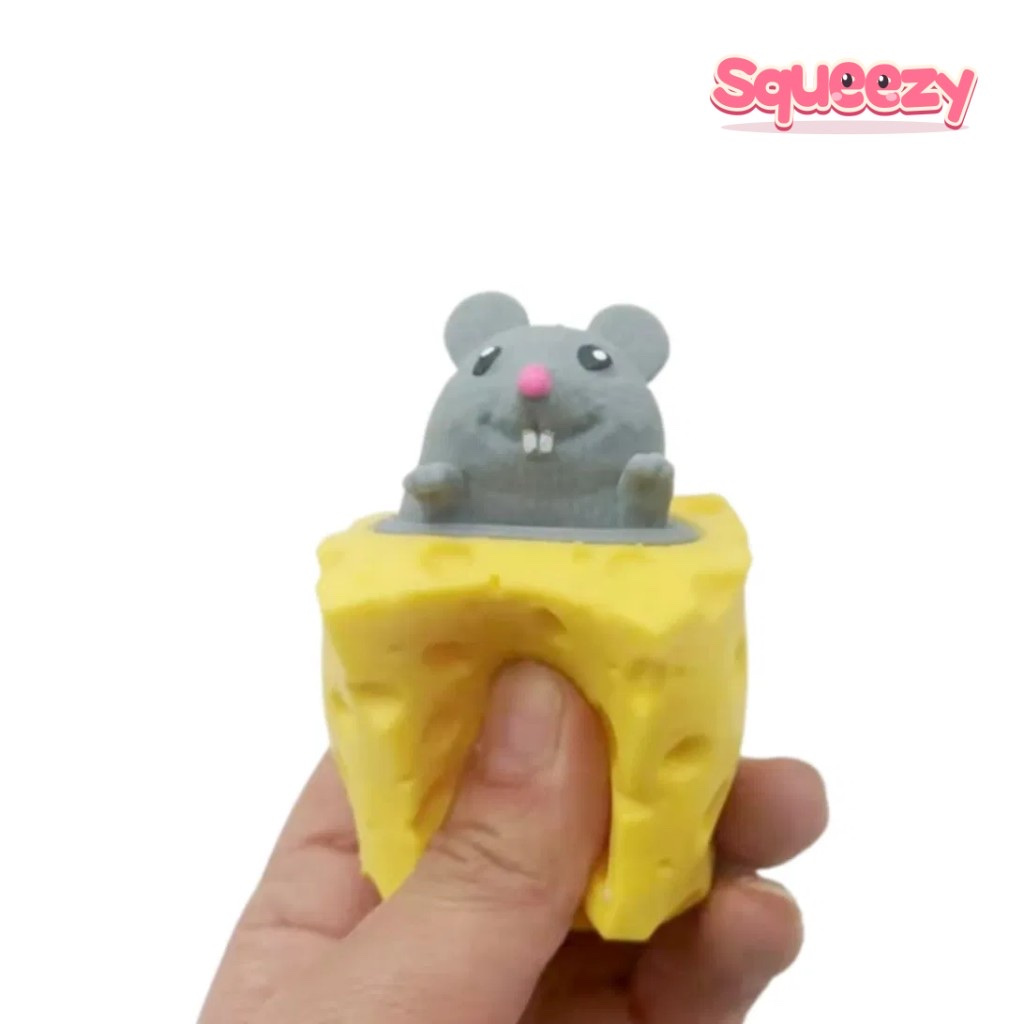
 Cheese Squishy
 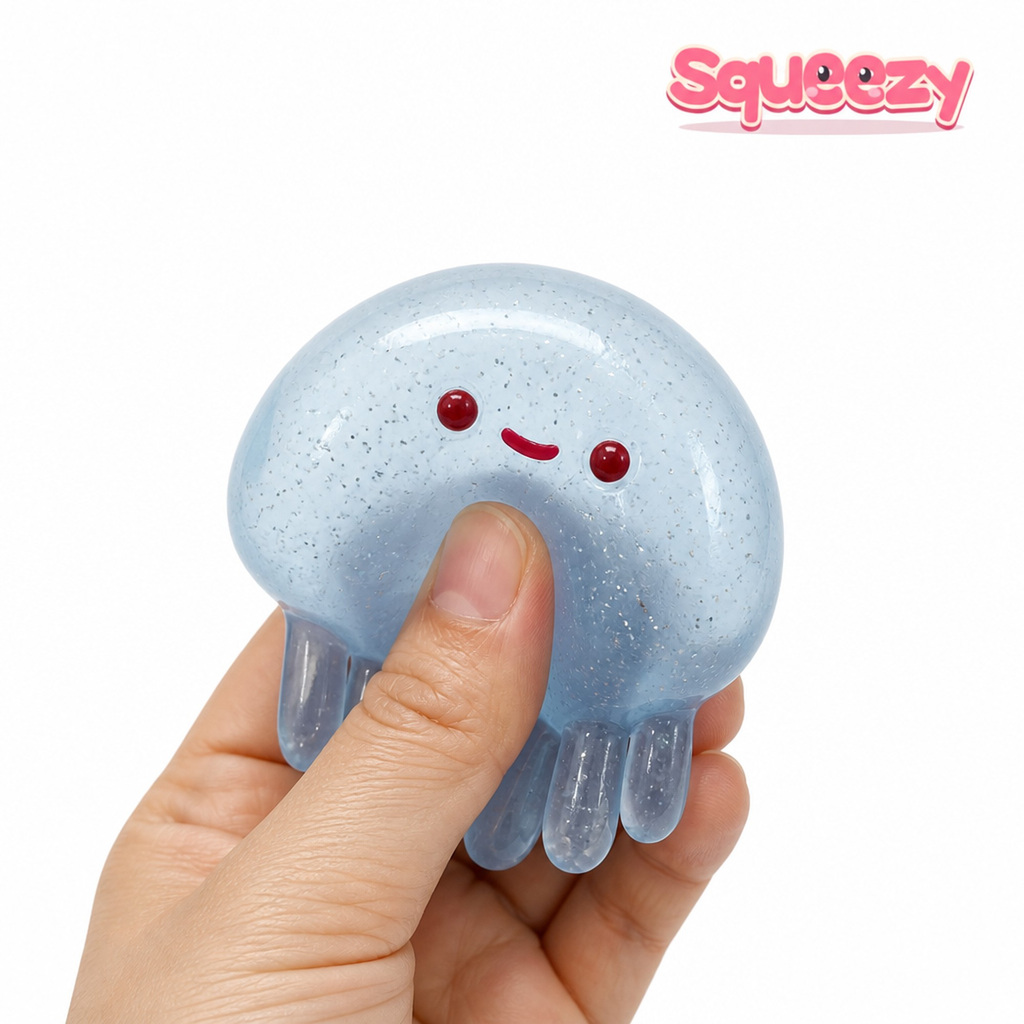 Jellyfish Squishy
 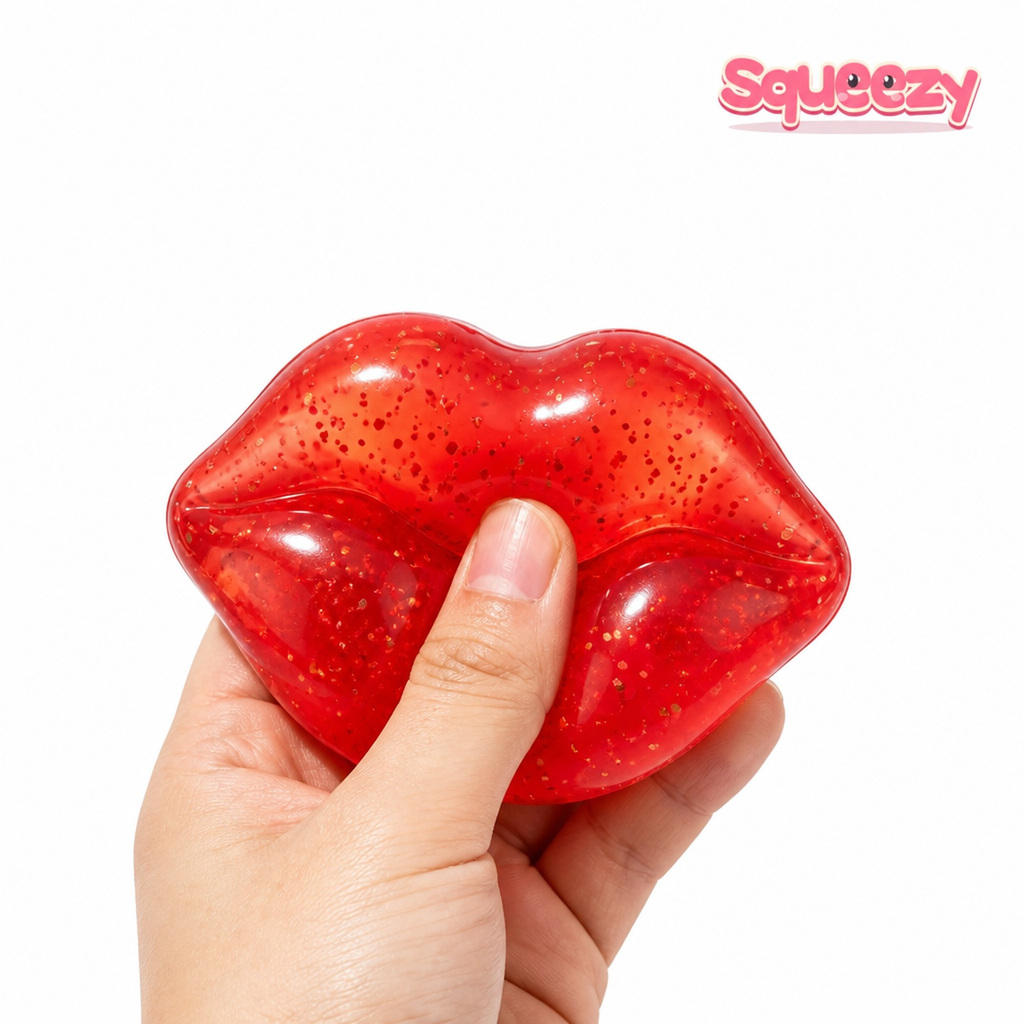 Jumbo Lips Squishy
 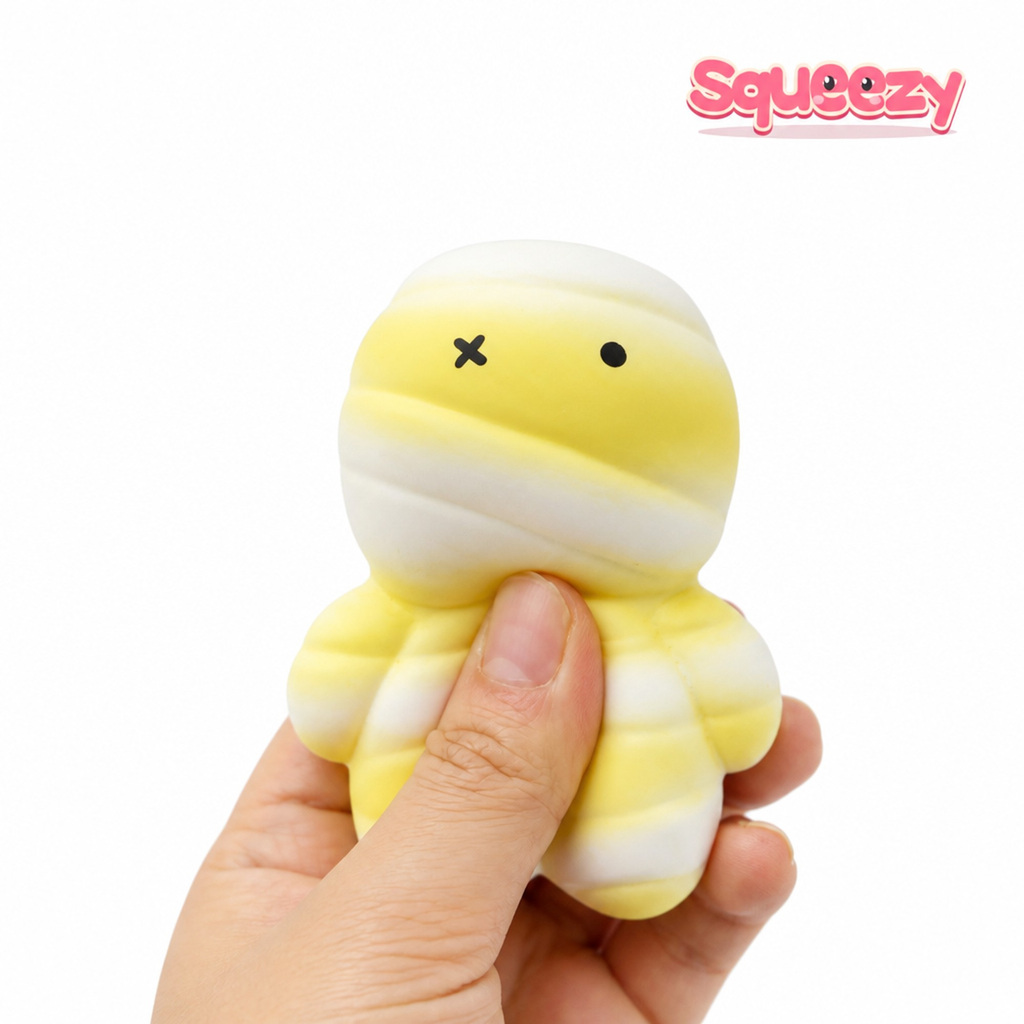 Mummy Squishy
 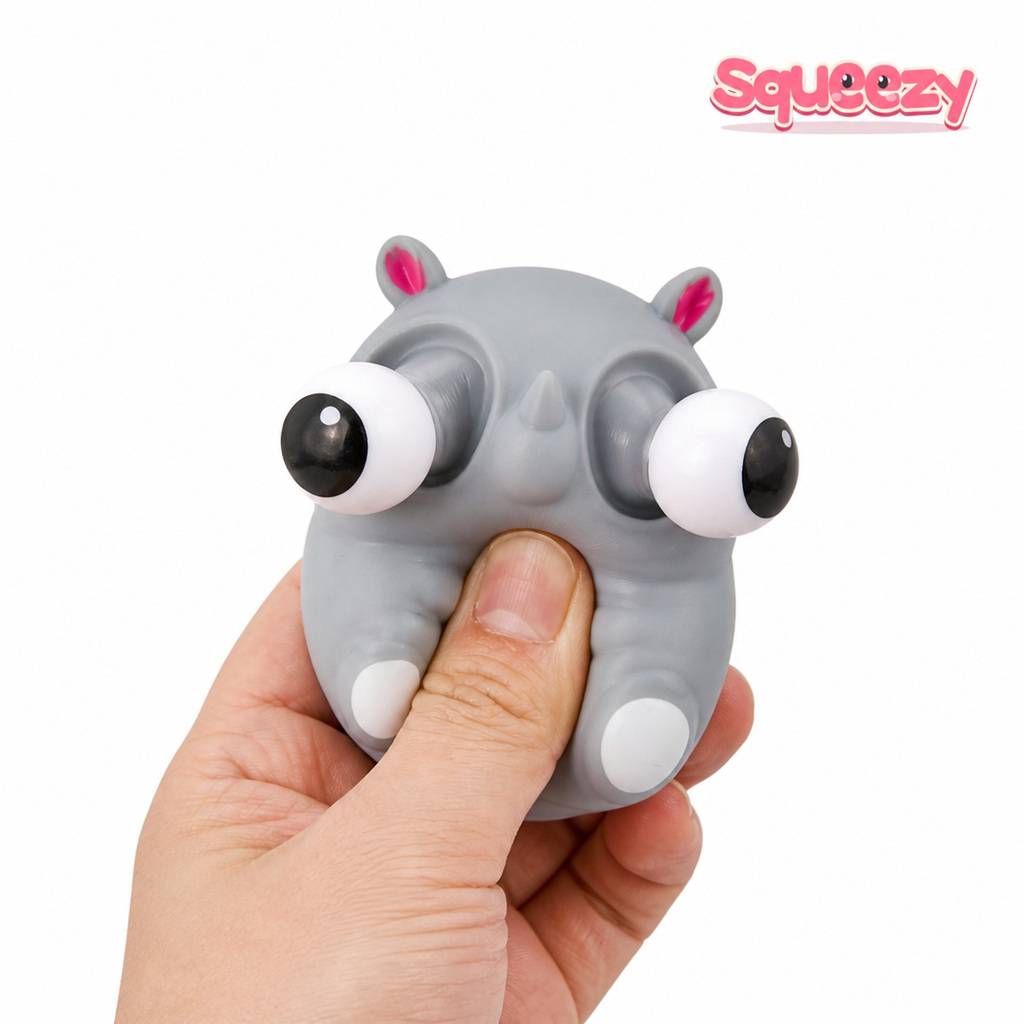 Pop-Eye Rhino
 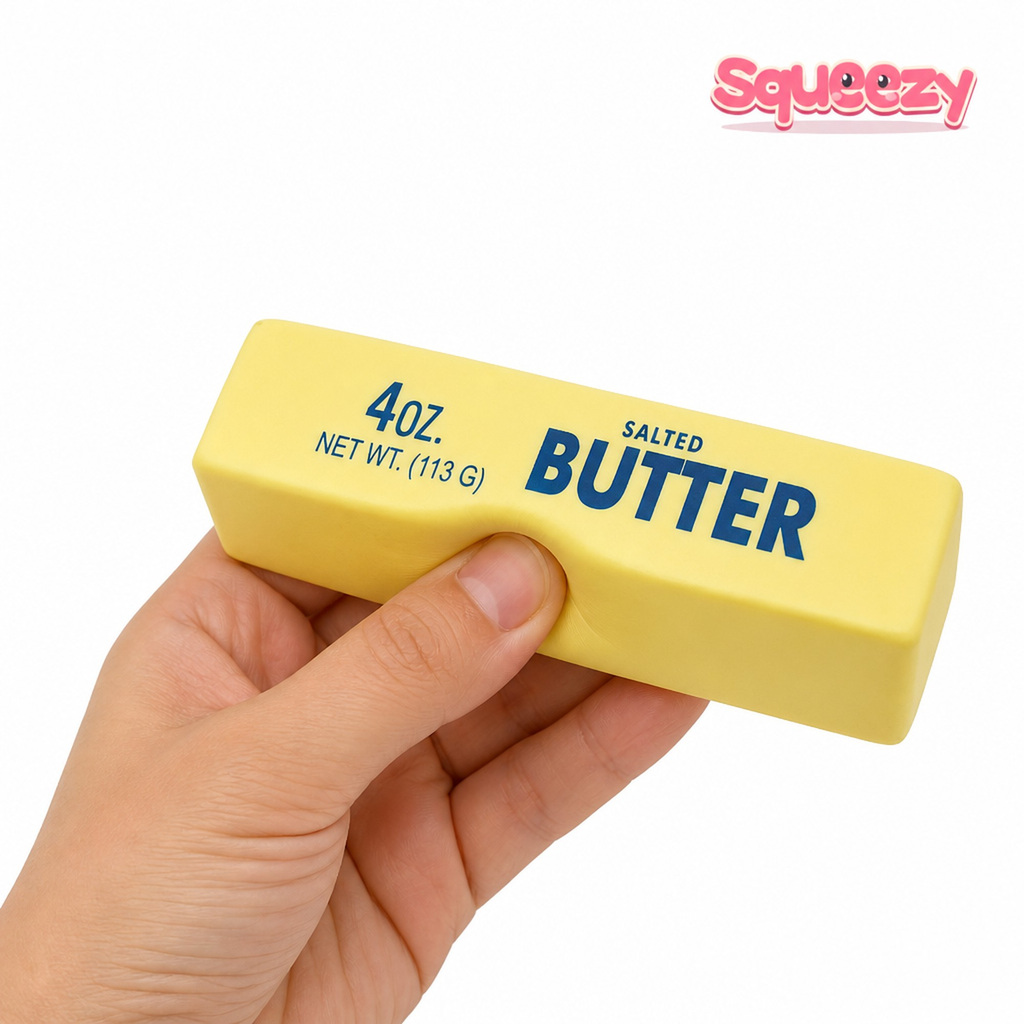 Salted Butter Stick
 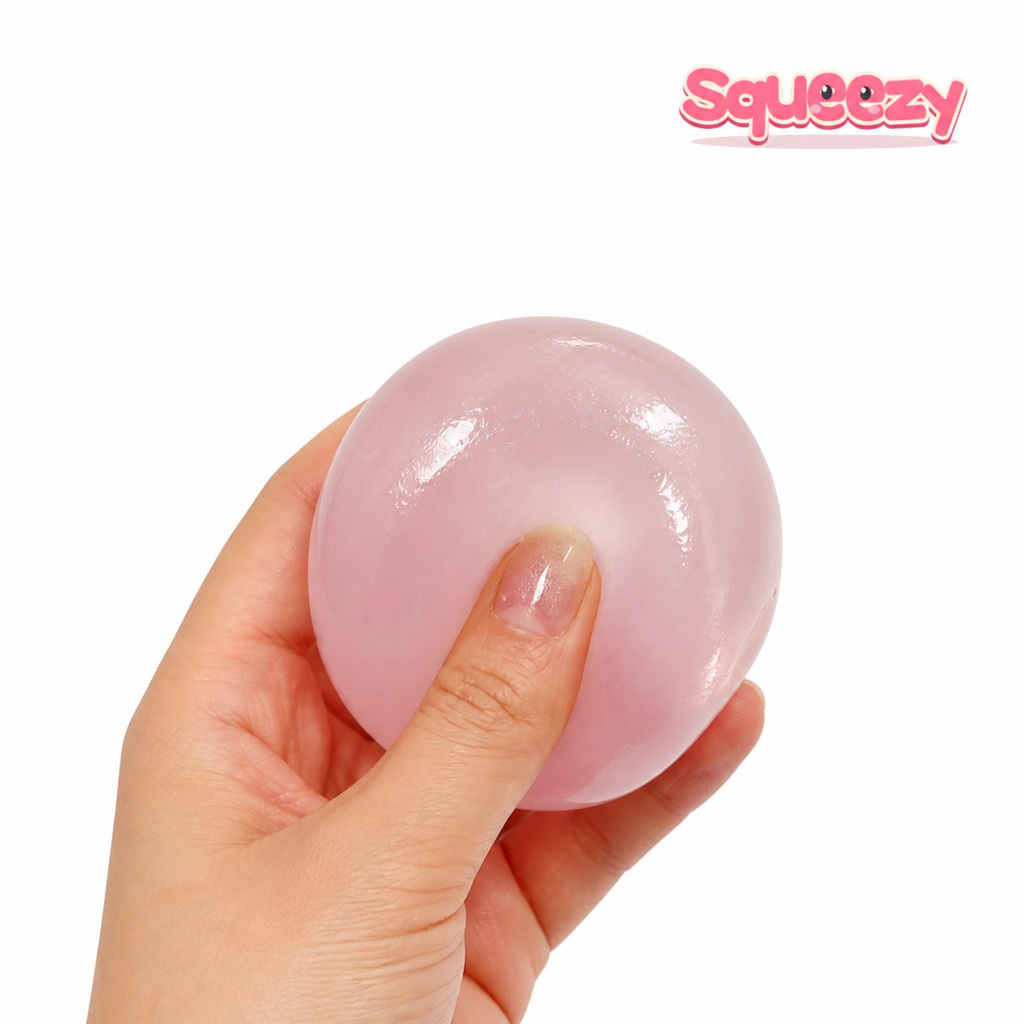 Pink Lychee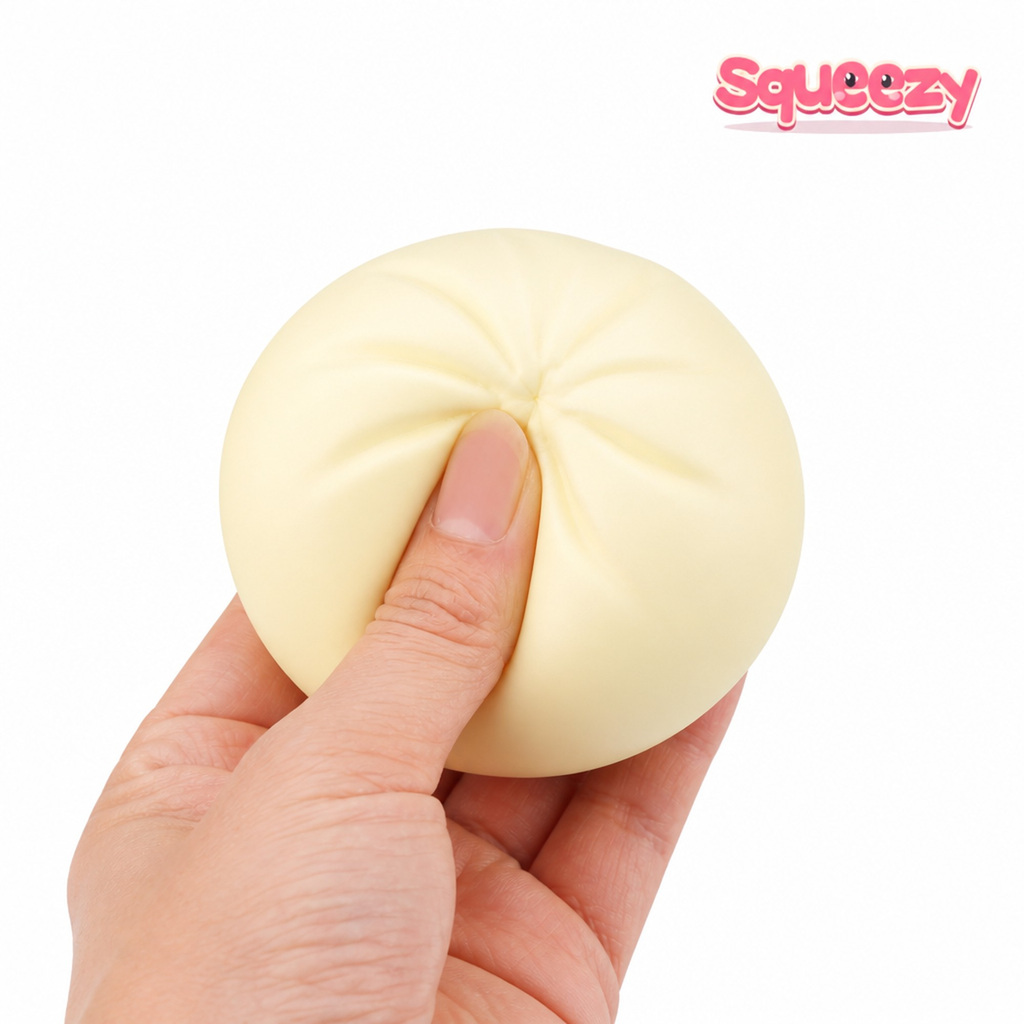
Draw the dent, not the outline
A round blob with a face is the usual first attempt at squishies drawing, and it tends to look like a ball or a sticker. What makes a squishy read as soft on paper is evidence that it gives: a base that sags a little where it sits, a dent where something presses into it, and shading that tells the eye whether it is foam, clear jelly or fuzz. Get those three right and you can keep the face very simple.
We drew these notes from the product photos in our own shop, where most squishies are shown with a thumb pressed into them. Those photos are better drawing references than a finished illustration, because they show what the toy actually does under pressure. Faces are a separate topic; we covered the face recipe in what makes a squishy face look cute.
How to draw a squishy in five steps
- Start with a heavy bottom. Draw the body a little wider near the base than at the top, and flatten the line where it meets the table. A perfect circle looks like it could roll away; a slightly slumped one looks like it is resting its weight.
- Decide what it is made of before you shade. Foam, see-through jelly and flocked fuzz need different lines. Pick one now, because it changes steps 3 and 4.
- Put something into it. A thumb, a finger or even another squishy leaning against it. Where the thumb goes in, the outline should break inward, not float on top.
- Add the surface. Soft shine for foam, a strong highlight and a see-through edge for jelly, broken fuzzy strokes for a flocked coat. Details follow below.
- Finish with squish lines and a shadow. Two or three short curved lines at the sides of the dent show movement. A shadow that spreads wider than the body under the pressed side tells the viewer it just got flatter.
Foam, jelly or fuzzy: draw the material
These three kinds cover most squishies you will want to draw. The reaction column comes from looking at how each toy behaves in its own product photo, not from a lab test.
| Material | What a press does in the photo | How to draw it | A squishy to look at |
|---|---|---|---|
| Foam | The thumb sinks in and the surface folds toward it; the sides barely push out | A deep dent with crease lines running into it, matte shading, a soft wide highlight | Steamer Bao, $12 |
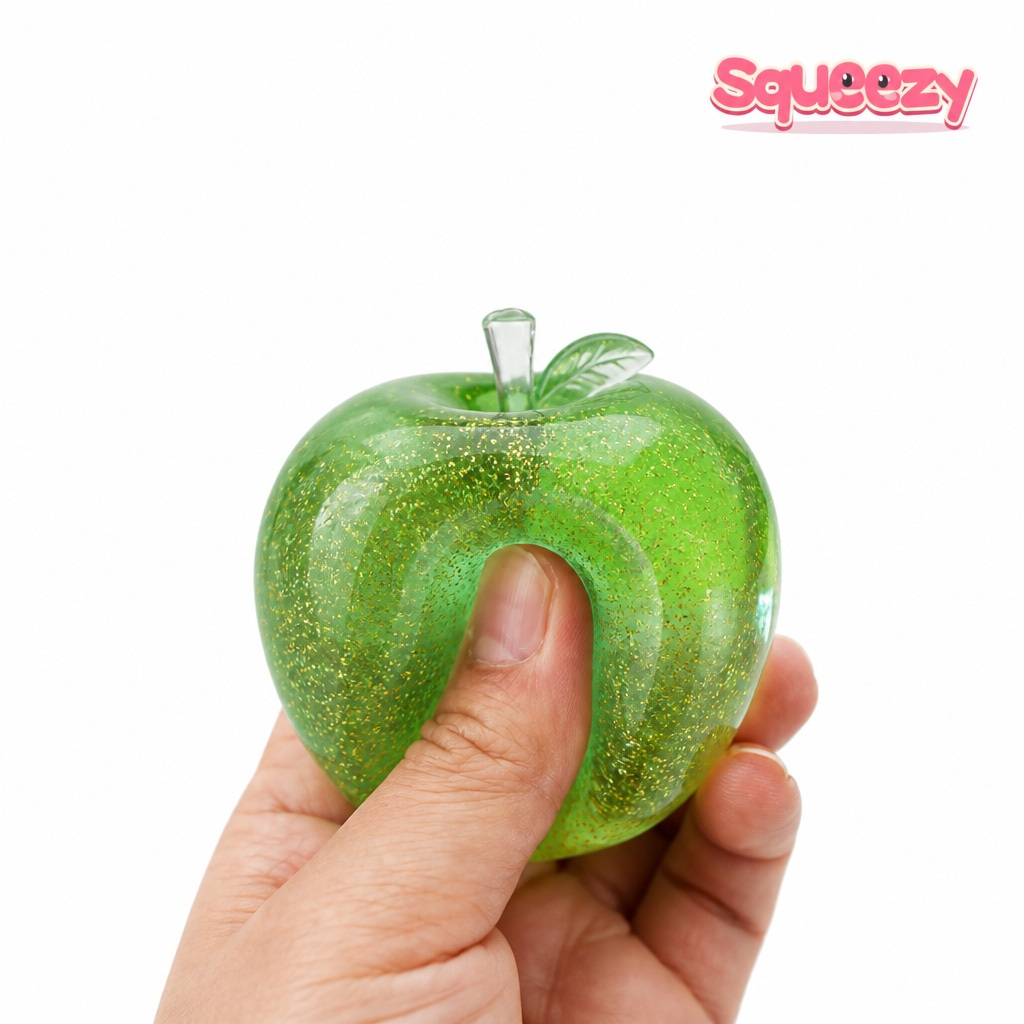
| Clear jelly or gel | The body wraps around the thumb in smooth rounded lobes instead of creasing | A rounded bulge on both sides of the finger, bright edge highlight, inner shapes visible through the body | Ghost Glitter Bao, $12 |
| Flocked or fuzzy | The coat hides the creases; you see a soft dip, not a sharp fold | No hard highlight, a slightly broken outline made of short strokes, gentle shadow | Tabby Cat Mochi Squishy, $17.99 |
Look at the Steamer Bao photo and you will see the clearest foam example in our catalog: the thumb pushes into the side of the bun and the gathered folds on top all bend toward that one spot. Copy that. Draw the pleats first, then pull their ends toward the dent, and the bun looks pinched without a single squish line.
The Ghost Glitter Bao behaves differently. The listing describes a translucent icy-blue bun with fine glitter in the gel, and in its photo the thumb is pushed deep into the bottom while the body wraps around it in two smooth, rounded lobes, with no creases at all. For a jelly squishy, draw those lobes, keep the outline smooth, and scatter the glitter dots inside the body rather than on the edge.
Drawing see-through squishies
Clear squishies are easier than they look if you draw them back to front. Start with whatever sits inside, then draw the body outline over it, then leave a thin lighter band just inside the edge where the jelly is thinnest. Our Jelly Cat Paw ($12) is a good model: its listing calls it a translucent cyan paw with one big pad and four toe pads, and in the photo the pads show as a darker blue through a paler body. Two shades of the same colour, one for the body and a darker one for the pads, are enough. The Crystal Cat Paw ($12) adds stars, a small black bow and tiny pearls floating inside; draw those first and let the paw outline cut across them.
Why a foam squishy dents instead of bulging
Animators have a name for making soft things look soft: squash and stretch, one of the 12 basic principles of animation set out by Disney animators Frank Thomas and Ollie Johnston in their book The Illusion of Life. The rule is that a soft object changes shape but keeps its overall volume, so a ball that squashes flat must also get wider. The classic illustration is a half-filled flour sack (Wikipedia summary of the principle).
That rule suits jelly squishies, which behave much like rubber. It suits foam squishies less. Foam is mostly air in open cells, and open-cell foams can collapse when compressed instead of pushing sideways (Poisson’s ratio, Wikipedia). So when you draw a foam squishy, let it lose a little volume: a deep dent, creases, and only a slight bulge. When you draw a gel or jelly one, keep the volume and push the sides out. It is a small difference, but it is the one that makes a drawing of a foam bun and a drawing of a jelly bun look like two different toys.
Taba squishy drawing: gloss and a clean edge
A taba squishy is a solid silicone squishy, often moulded to look like a real food or a paw, and usually glossy (we explained where the name comes from in what is a taba squishy). For a taba squishy drawing, the shine does most of the work:
- Use one sharp, bright highlight, usually a thin curved streak on the top shoulder, and keep it crisp.
- Add a second, fainter highlight on the opposite lower edge. That reflected light is what makes a surface look wet or glossy.
- Keep the outline clean and unbroken. Save the fuzzy strokes for flocked squishies.
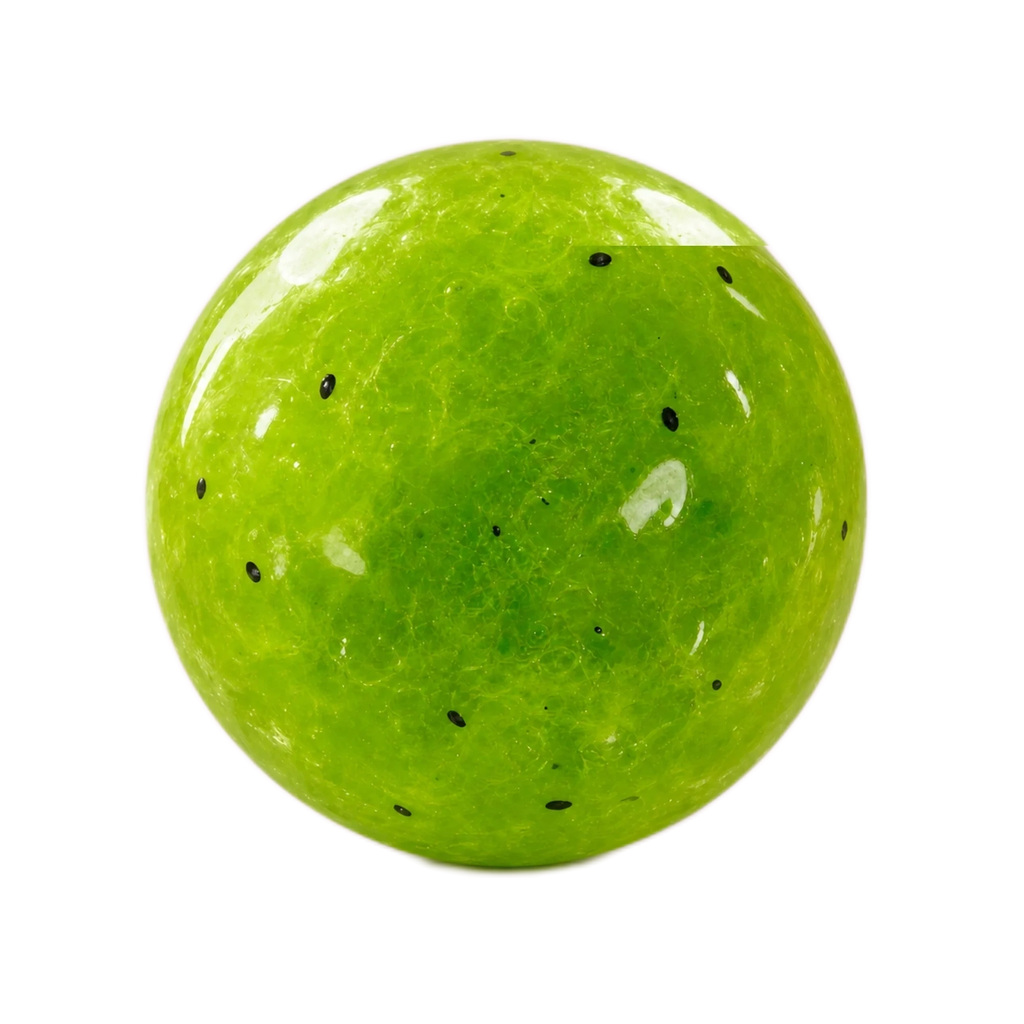
- If it is a food shape, draw the texture the real food has (crumb, seeds, a crack in a shell) and only then add the gloss on top.
Drawing a fidget toy next to your squishy
If your page is a fidget toy drawing with several toys on it, the same shading logic separates them. Hard plastic fidgets get sharp edges and small, hard highlights. A pop-it style toy is a grid of domes, each with the same small highlight in the same corner, so it reads as one repeated shape. Put a matte, dented squishy beside them and the contrast makes the squishy look even softer.
Squishies drawing references from our shop
If you want a model on your desk rather than on a screen, pick one with a clear feature to practise:
- Folds and a thumb dent: Steamer Bao, a plump cream bun with gathered folds on top.
- Gel and glitter: Ghost Glitter Bao.
- See-through layers: Jelly Cat Paw or Crystal Cat Paw.
- A flat top that creases: Frosted Toast, a square toast with a glossy pink speckled frosting layer and a toasted-brown crust ($12).
- Fuzz: Tabby Cat Mochi Squishy, whose listing says the flocked coat feels like real fur.
If you are drawing so you can turn the picture into a paper squishy, some shapes survive being flattened much better than others; we sorted real squishies by that in paper squishy ideas.
FAQ
How do you draw a squishy so it looks squishy?
Show it giving way. Flatten the base where it sits, draw a finger or thumb pressing into it with the outline breaking inward, and add two or three short curved lines beside the dent. Then shade by material: matte for foam, bright highlights for jelly, soft broken strokes for fuzz.
What is the easiest squishies drawing for beginners?
A steamed bun. It is a rounded dome with a flat base and a few pleat lines meeting at the top. Once that works, press a thumb into one side and bend the pleats toward it.
How do I do a taba squishy drawing?
Draw the food shape and its texture first, then add one sharp highlight on the top shoulder and a fainter one on the lower opposite edge. Keep the outline clean. The double highlight is what makes it look like glossy silicone.
Can I draw a clear squishy with just a pencil?
Yes. Shade the inner shapes darker, leave a thin unshaded band just inside the outline, and erase a sharp highlight on top. The unshaded band is what reads as see-through.