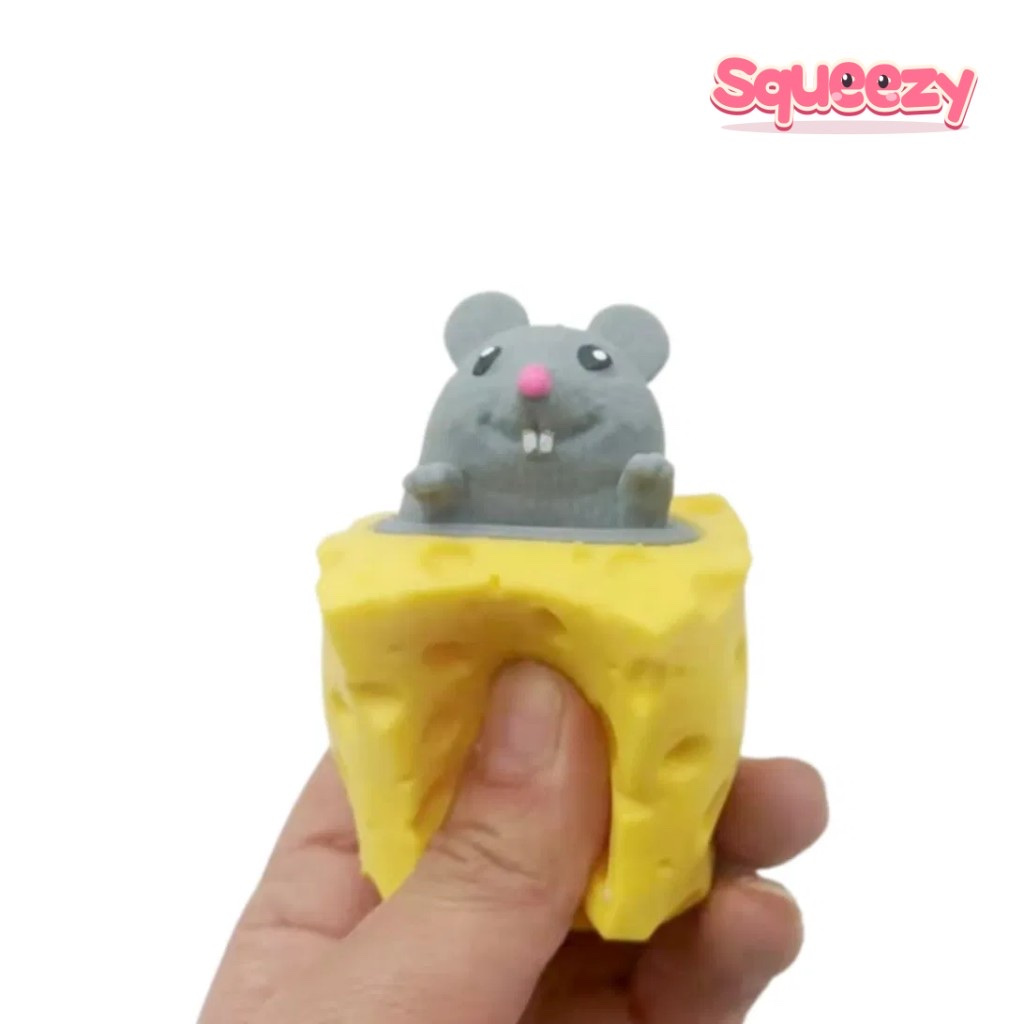
 Cheese Squishy
 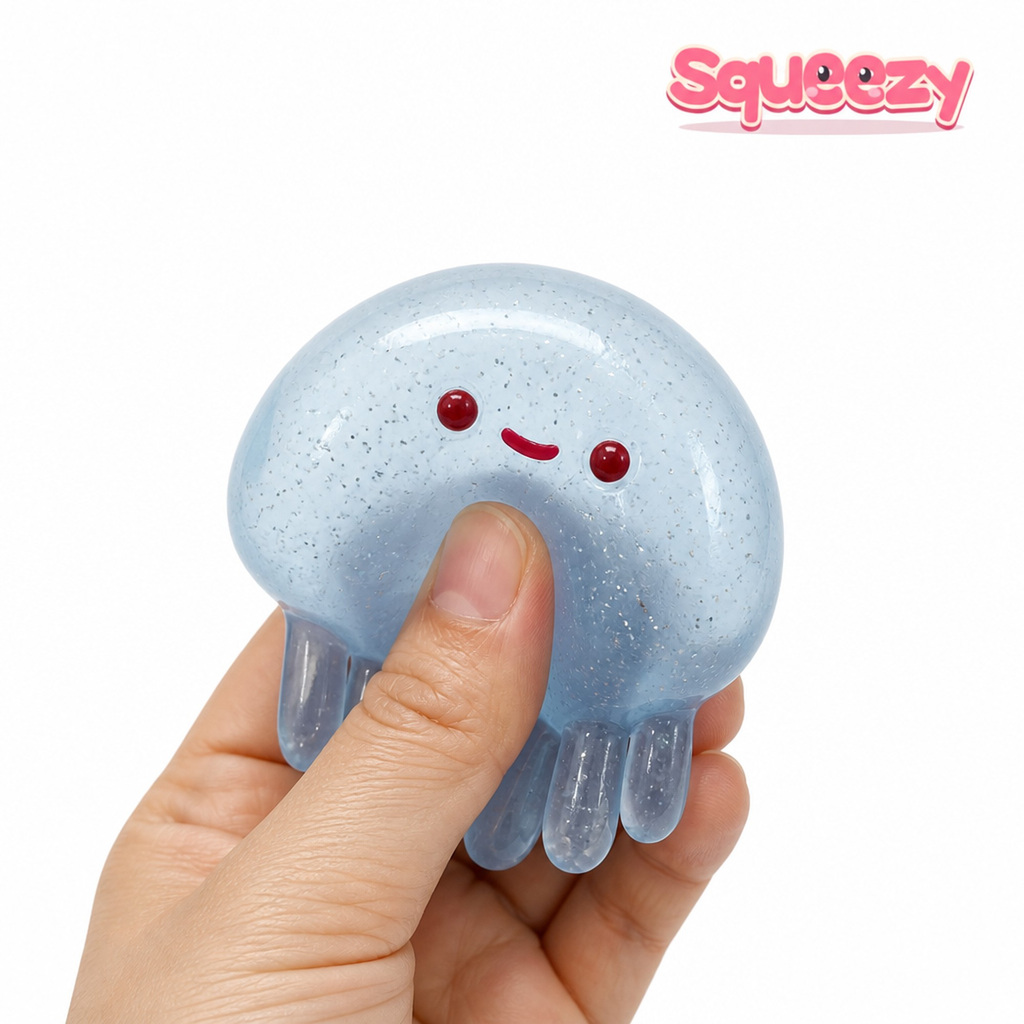 Jellyfish Squishy
 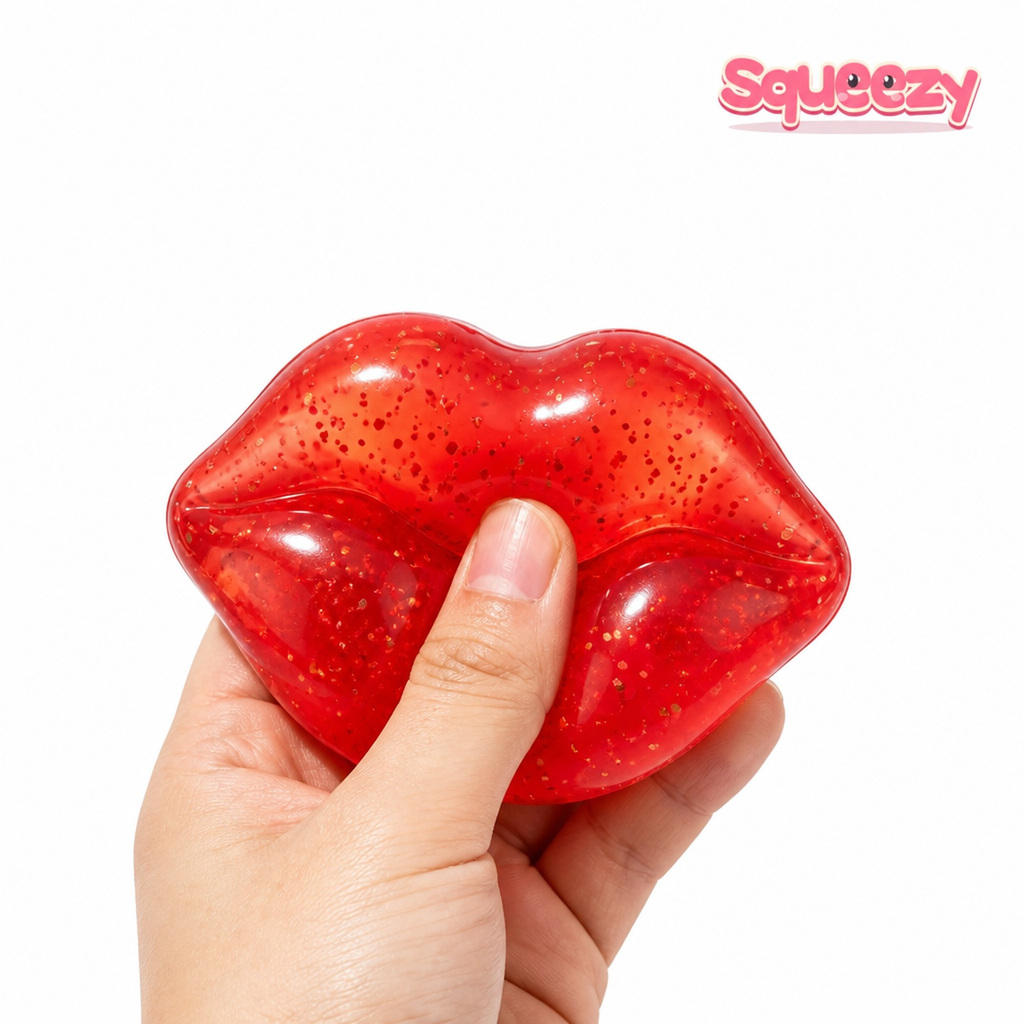 Jumbo Lips Squishy
 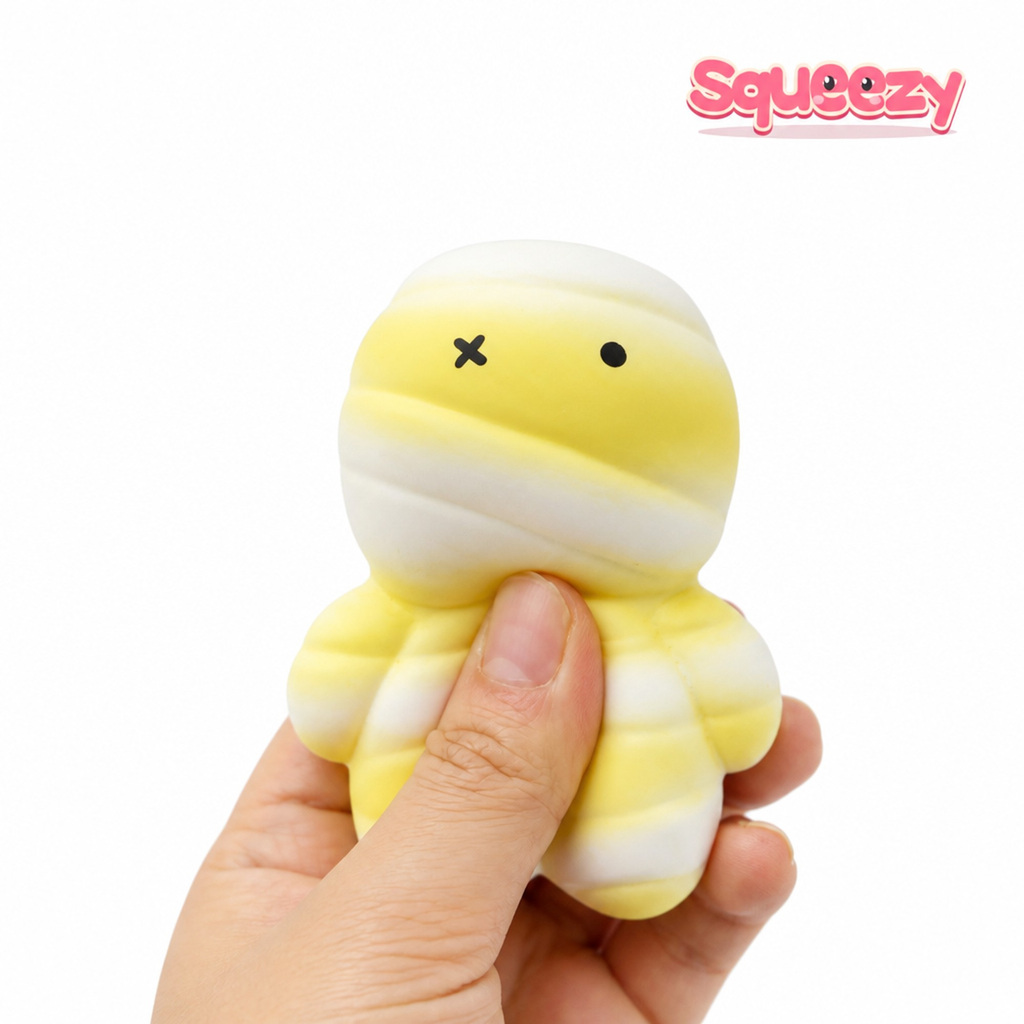 Mummy Squishy
 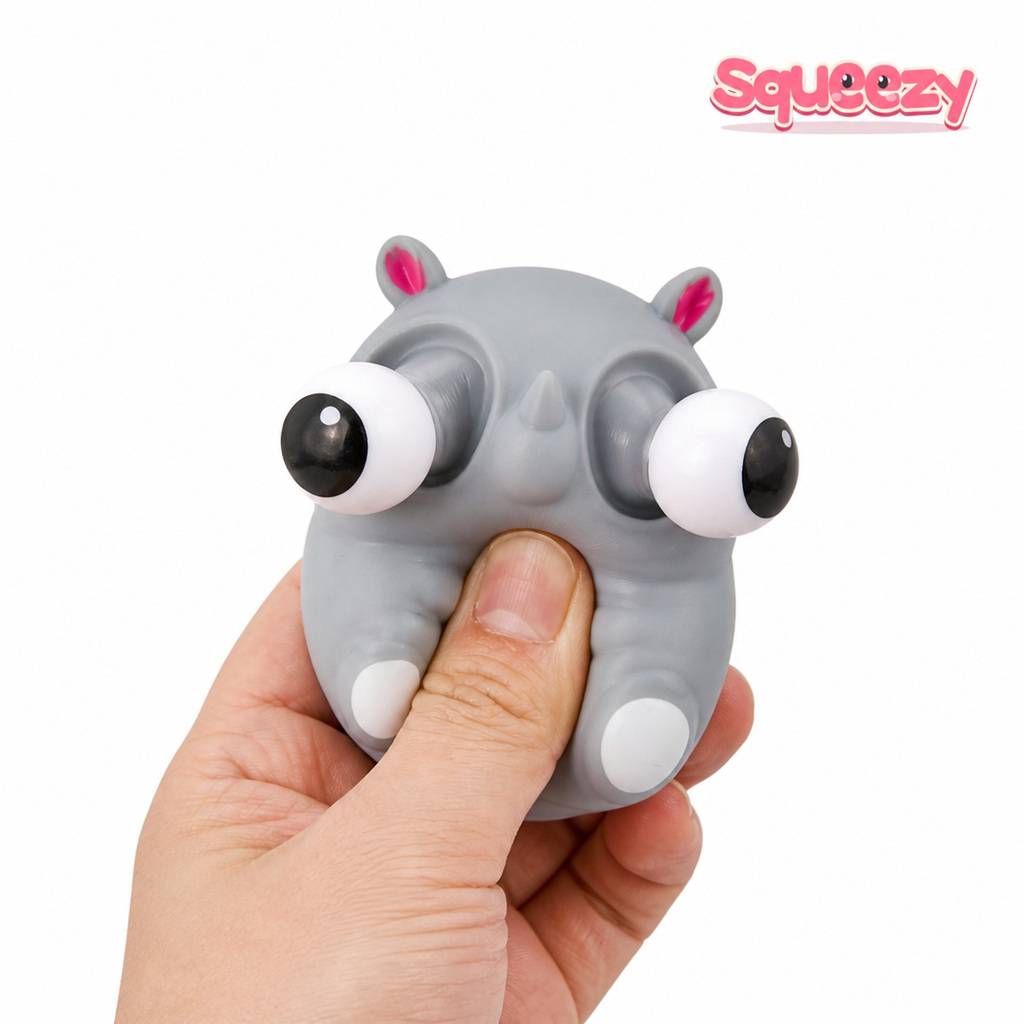 Pop-Eye Rhino
 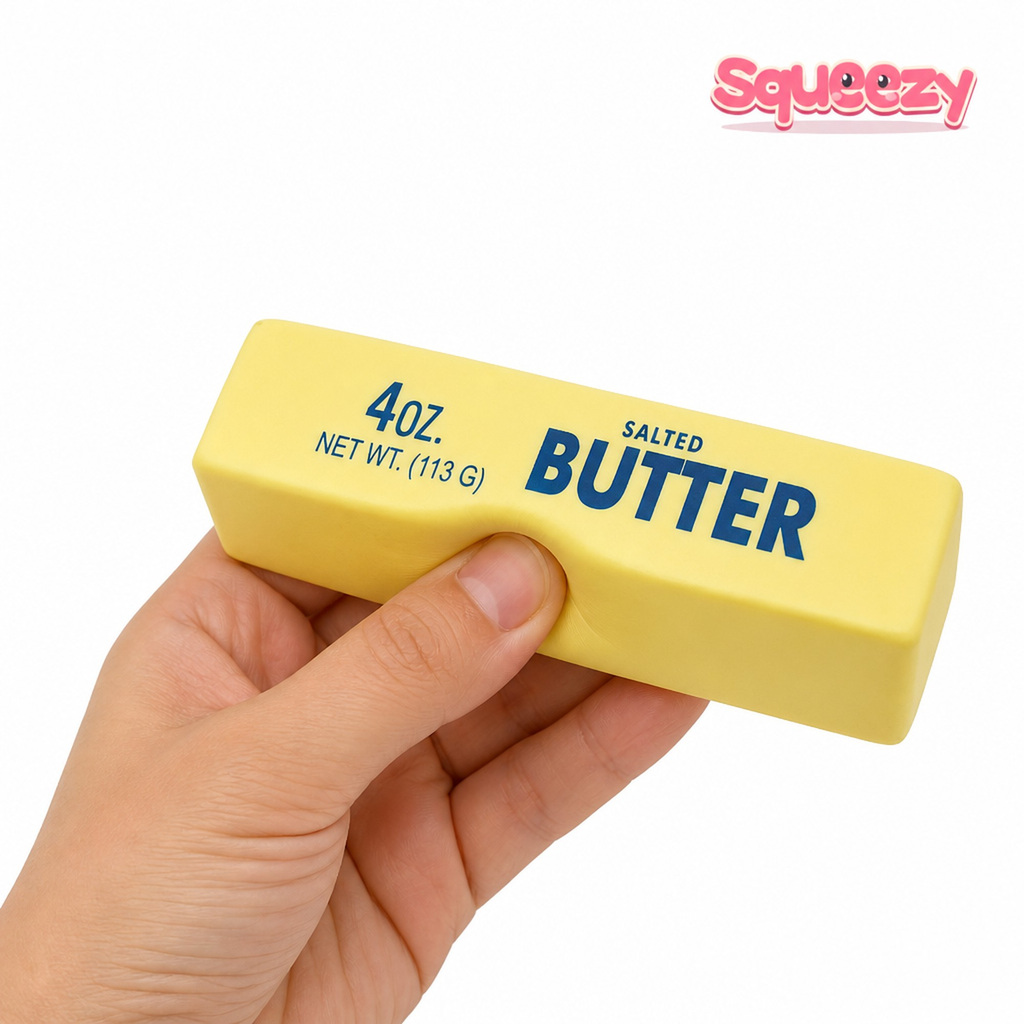 Salted Butter Stick
 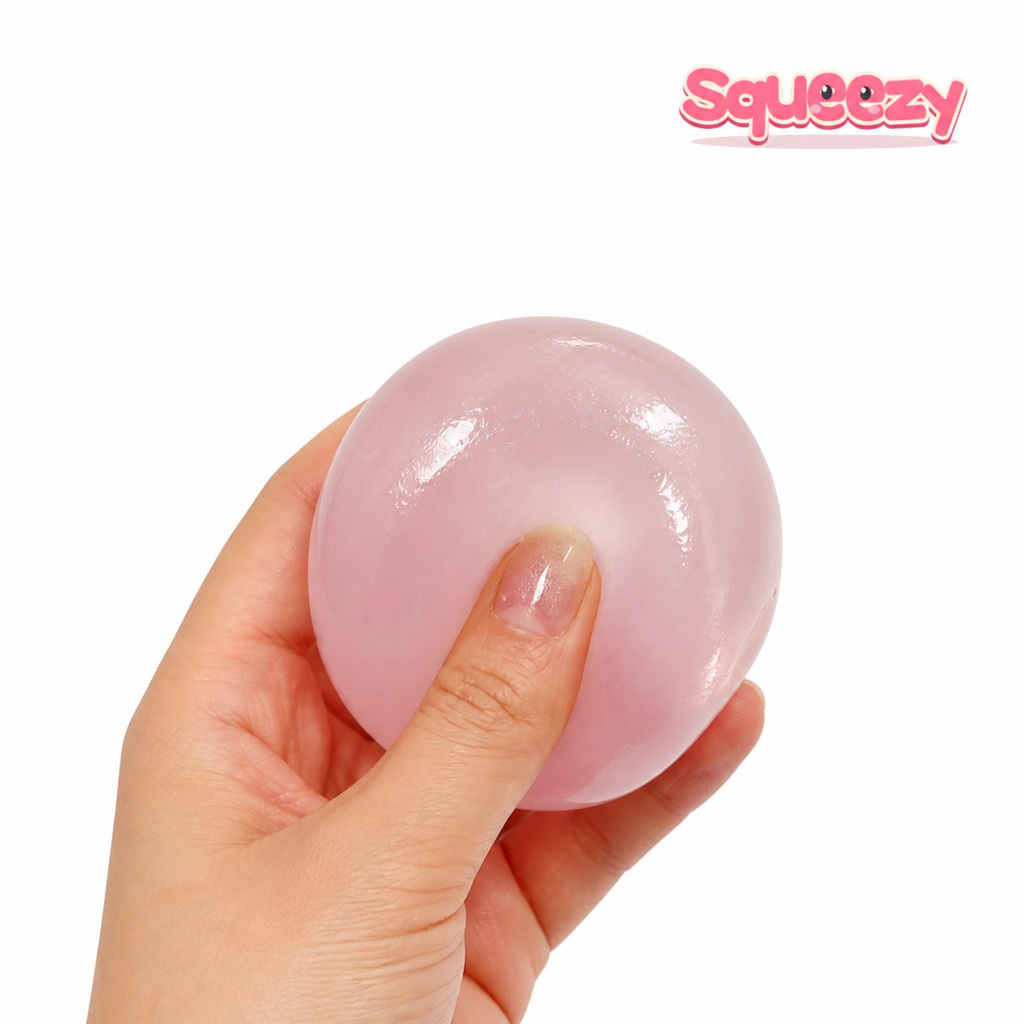 Pink Lychee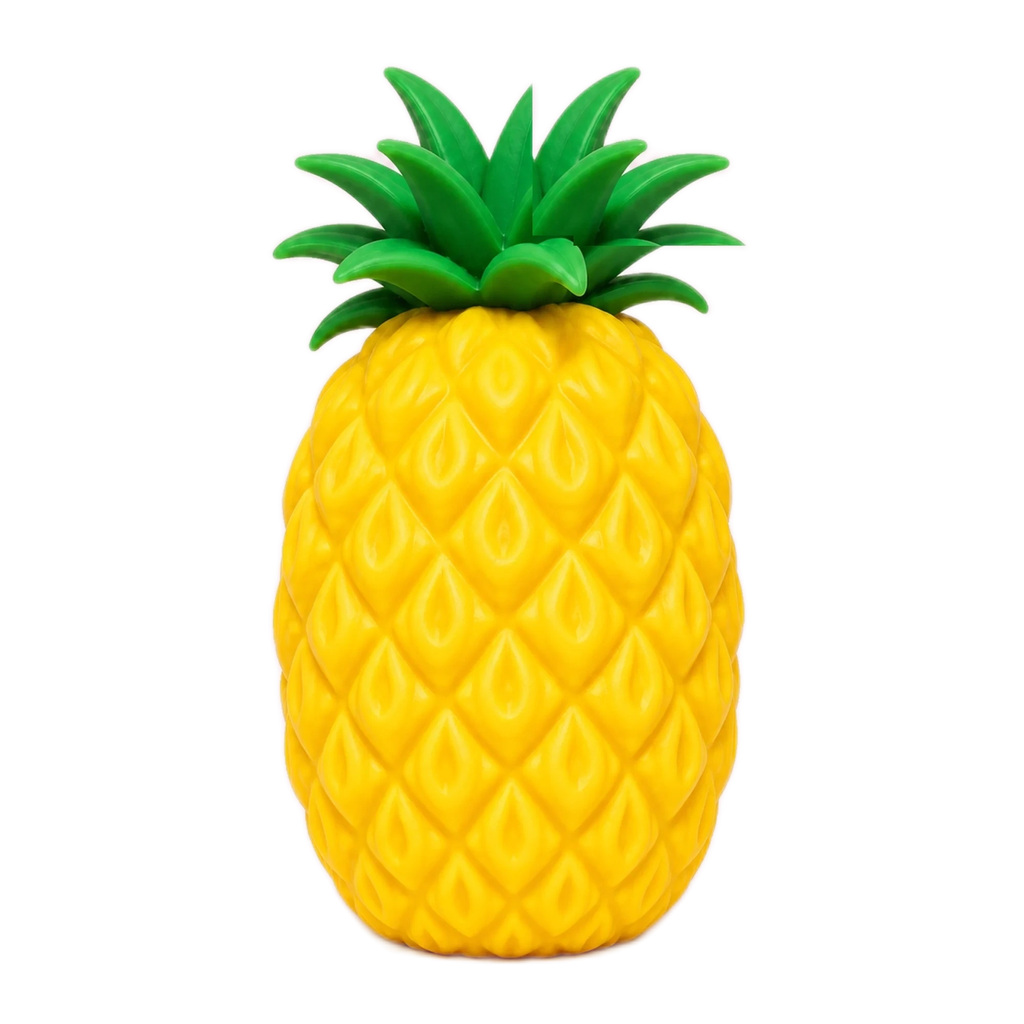
Squishies are soft squeeze toys, usually shaped like food, animals or characters, and the useful way to tell the types of squishies apart is by what they do in your hand. Some rise back slowly, some snap back at once, some stretch, some hold the shape you give them, some ooze, some crunch, and some push a part out when squeezed. The shape on the outside tells you very little about which one you are holding.
Sort squishies by what they do under your thumb
Most guides sort squishies by material or by theme. Material is hard to check, because most listings never name it, and theme tells you nothing about the feel. What happens in the two seconds after you squeeze is what you actually notice, so this guide sorts by that.
| Type | What happens when you squeeze | What usually causes it | Deeper guide |
|---|---|---|---|
| Slow rise | sinks in, then climbs back over several seconds | soft foam | slow rise vs fast rise |
| Snap back | springs back almost at once | a springy rubbery skin | this page |
| Stretch | pulls long, then returns | a rubbery skin, sometimes with a filling | silicone vs TPR |
| Mold and hold | keeps the dent or the new shape for a while | sand or a thick filling | sand-filled stress balls |
| Ooze | the filling shifts and slowly evens out | gel, fluid or slime inside a skin | slime squishies |
| Crunch | crackles or crunches as it gives | a brittle coating or a crunchy filling | what makes the crunch |
| Pop out | eyes or another part bulge out | a filling pushed into a pocket, such as the eyes | eyes that pop out |
| Mesh | bubbles push out through a net | a soft ball squeezed inside a mesh | mesh squishy balls |
Slow rise and snap back: the two speeds
The first split most people notice is speed. A slow-rising squishy is foam you press flat and then watch climb back. Our big Pineapple Squishy, which its listing gives as 20 cm high and 600 g, is this kind: “press the soft slow-rising foam and watch the fruit shape gradually return”.
A snap-back squishy does the opposite. The 3-Pack Unicorn Squishy “springs quickly back into shape”, and its details say plainly that it is not slow-rising. These are the ones for people who squeeze fast and often and do not want to wait.
The word “slow” is used loosely on labels, so it is worth reading past it. Some listings call a toy slow-rising in one sentence and say it springs back in a few seconds in the next.
Stretch, mold and ooze: the shape-changers
These three change shape rather than just dent.
- Stretch. You pull it and it gets longer. A butter brick that “sags into a long ribbon” or a jelly frog that pulls long and pings back belongs here.
- Mold and hold. It keeps the shape you give it for a while. The Moldable Brain Squishy “molds to any shape your hands give it, then slowly drifts back”. The sand-filled Llama Squishy 2-Pack molds under your fingers for the same reason: sand does not spring.
- Ooze. A gel or fluid inside moves when you press and settles afterwards. The Daifuku Mochi Squishy describes “a moldable gel that stretches, oozes and slowly reshapes”, which it calls denser than foam.
The borders blur. The daifuku mochi also stretches, and some stretchy toys are slow to return. That is normal: a squishy can do two things at once.
Crunch, pop out and mesh: the ones that make a show
The last three are about a sound or a sight, not just the feel.
Crunch squishies crackle or crunch as they give. The Mint and Berry Chocolate Crackle Balls have a shell that “crackles into a web of color” when squeezed, then smooth back round.
Pop-out squishies push a part out: eyes, a tongue, a little figure. The Mermaid Eyeball Squishy has “eyeballs that pop on command” on a body that is slow to settle.
Mesh squishies are soft balls wrapped in a net, so the squeeze pushes round bubbles out through the holes. The Watermelon Mesh Squishy Ball also changes color from green to pink with the warmth of your hand, according to its listing.
How the types show up on one shelf
To see how common each type is, we searched the text of our active squishy listings on September 30, 2026 for the words each type uses. Out of 1,008 listings, the counts were:
| Words in the listing | Listings |
|---|---|
| slow-rising, slow rise, slow rebound, slowly rises or creeps back | 543 |
| gel, fluid, slime, liquid, oozes | 142 |
| snaps back, springs back, not slow-rising | 160 |
| stretch | 113 |
| crunch | 33 |
| moldable, molds to, holds its shape | 25 |
| pop-out, eyes pop, squeeze-out, bulge | 21 |
| sand | 5 |
| mesh | 4 |
Two things stand out. Slow rise is still the default: more than half of the listings use the words. And the rows add up to far more than 1,008, because many squishies do more than one thing. Treat the types as behaviors, not boxes.
This is a word count, not a test. A listing that says “slow-rising” might mean anything from a long rise to a quick one, which is why the deeper guides above go through what each word can and cannot tell you.
Different types of squishies for different squeezing habits
- You squeeze and watch: slow rise.
- You squeeze fast, again and again: snap back.
- You pull and tug: stretch.
- You squash things into shapes: mold and hold, or sand-filled.
- You like a dense, heavy squeeze: ooze or gel-filled.
- You want a noise: crunch.
- You want something to happen: pop out or mesh.
If you have a favorite shape, our mochi squishy collection is a good place to see how many different feels one shape can come in.
FAQ
What are squishies?
Squishies are soft toys made to be squeezed, usually in the shape of food, animals or characters. They are made from foam, a rubbery material such as TPR or silicone, or a skin filled with gel, sand or another filling, and each build squishes differently.
How many types of squishies are there?
There is no official list. Sorting by what they do gives eight useful types: slow rise, snap back, stretch, mold and hold, ooze, crunch, pop out and mesh. Many squishies combine two of them.
What is the rarest type of squishy?
Rarity belongs to particular releases, not to a type. On our shelf, mesh and sand-filled squishies are the least common, with four and five listings using those words.
What is the difference between a squishy and a stress ball?
They overlap. A stress ball is named for its use and is usually a plain ball, while a squishy is usually shaped and is named for the feel. We go into it in stress ball vs squishy.