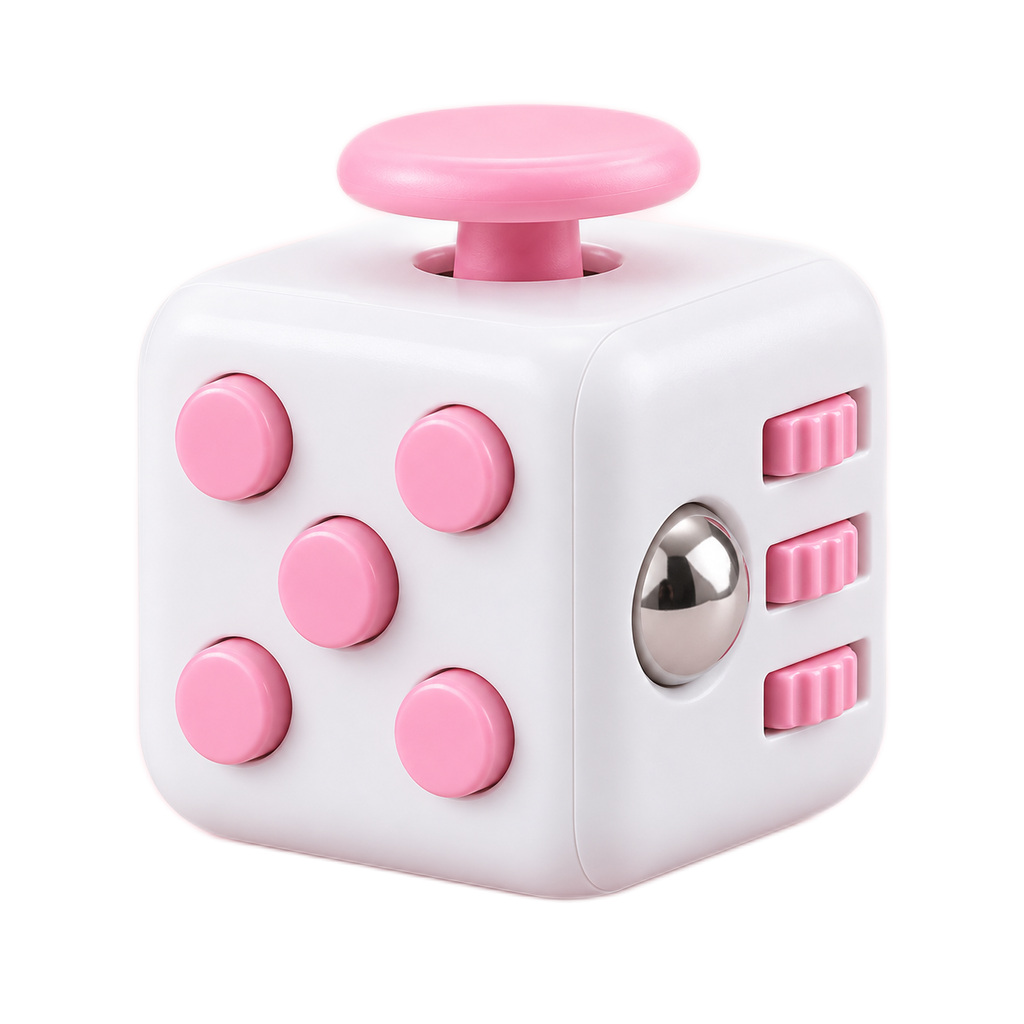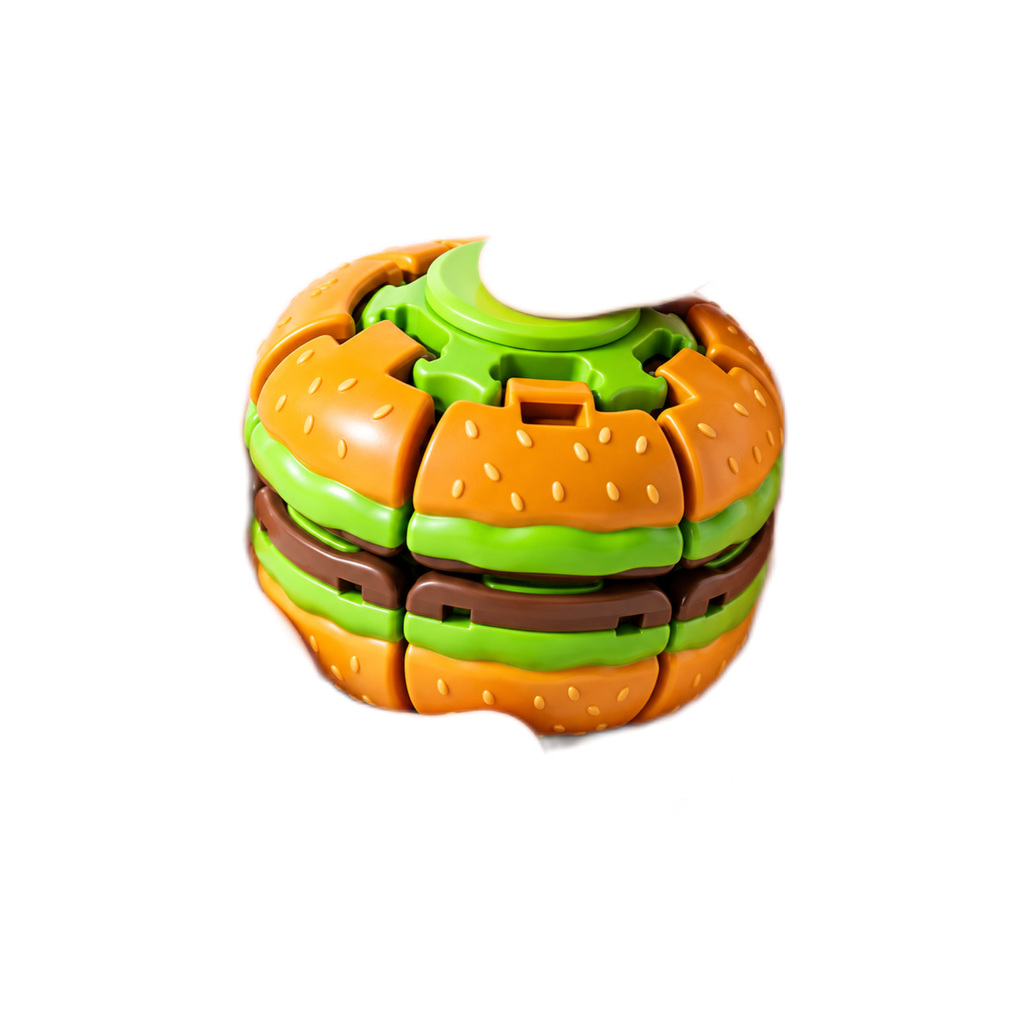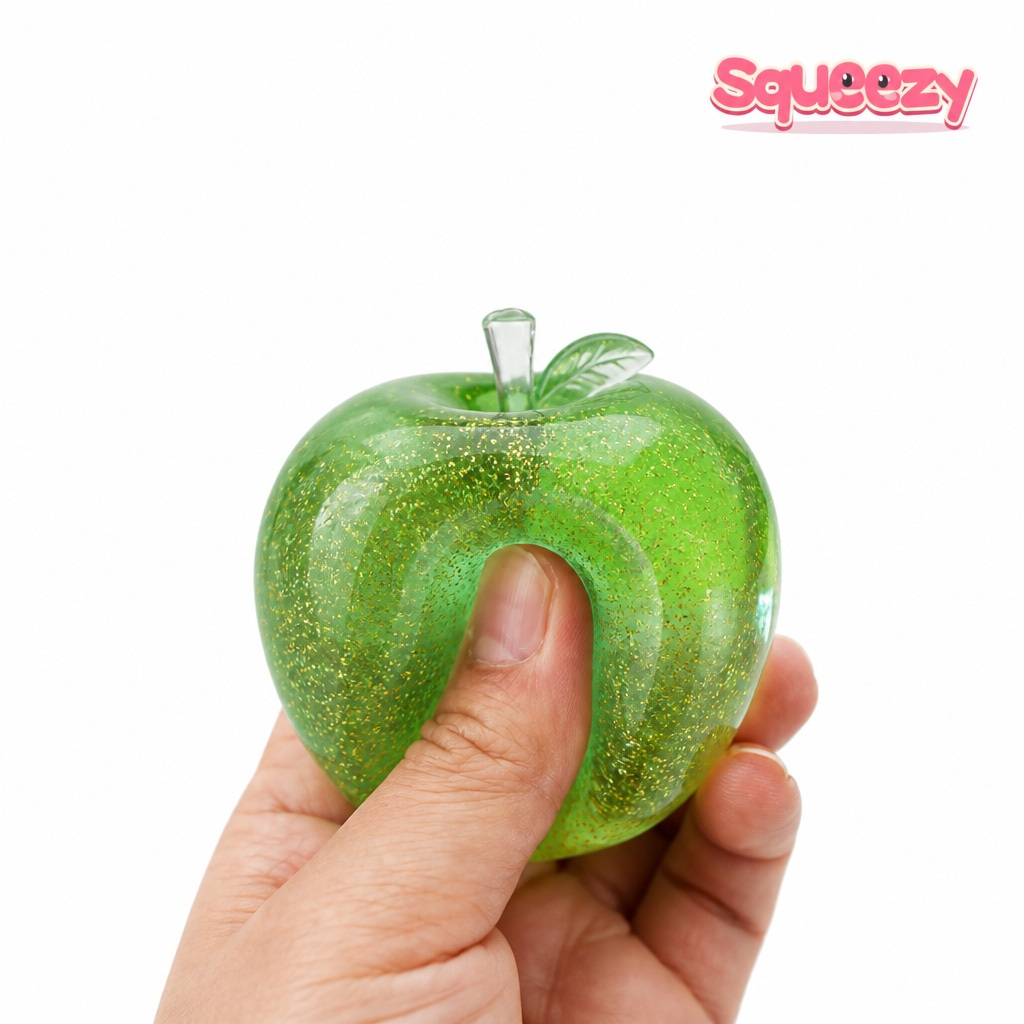
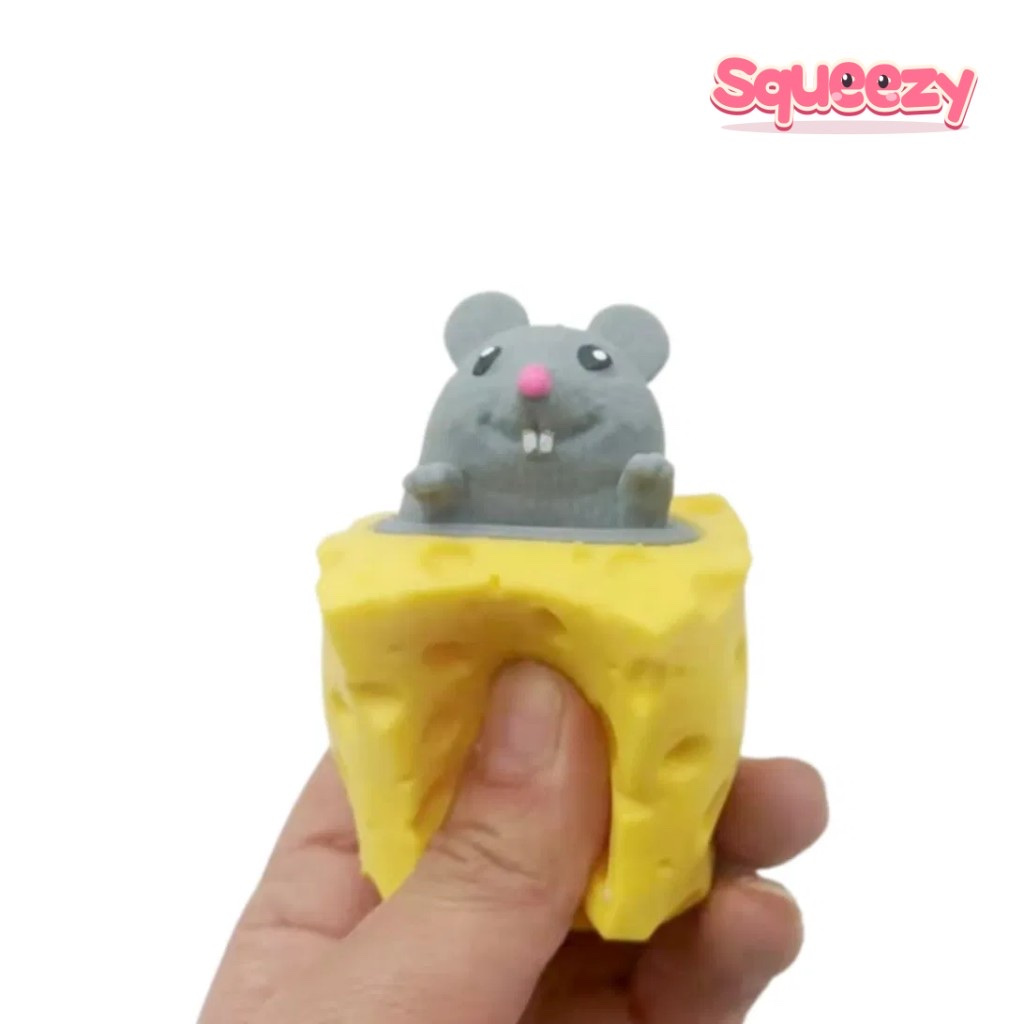
 Cheese Squishy
 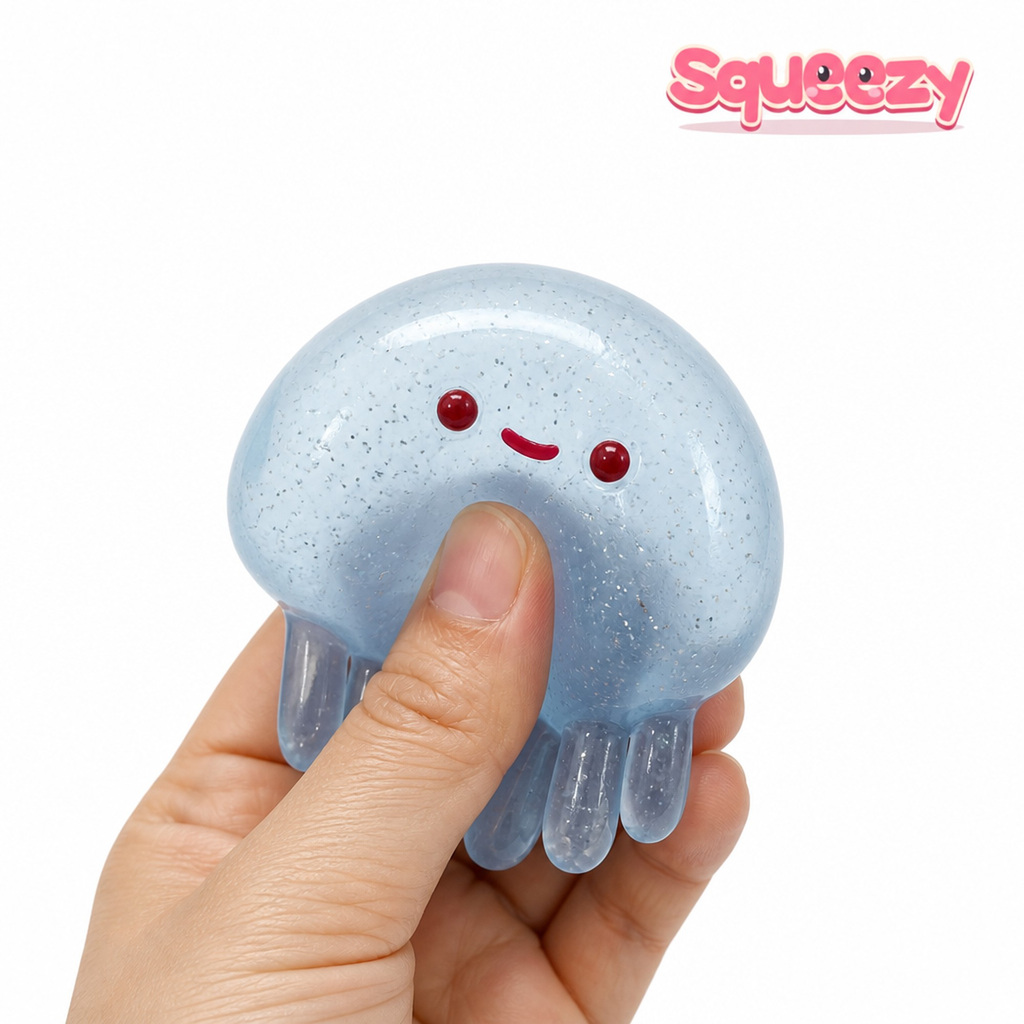 Jellyfish Squishy
 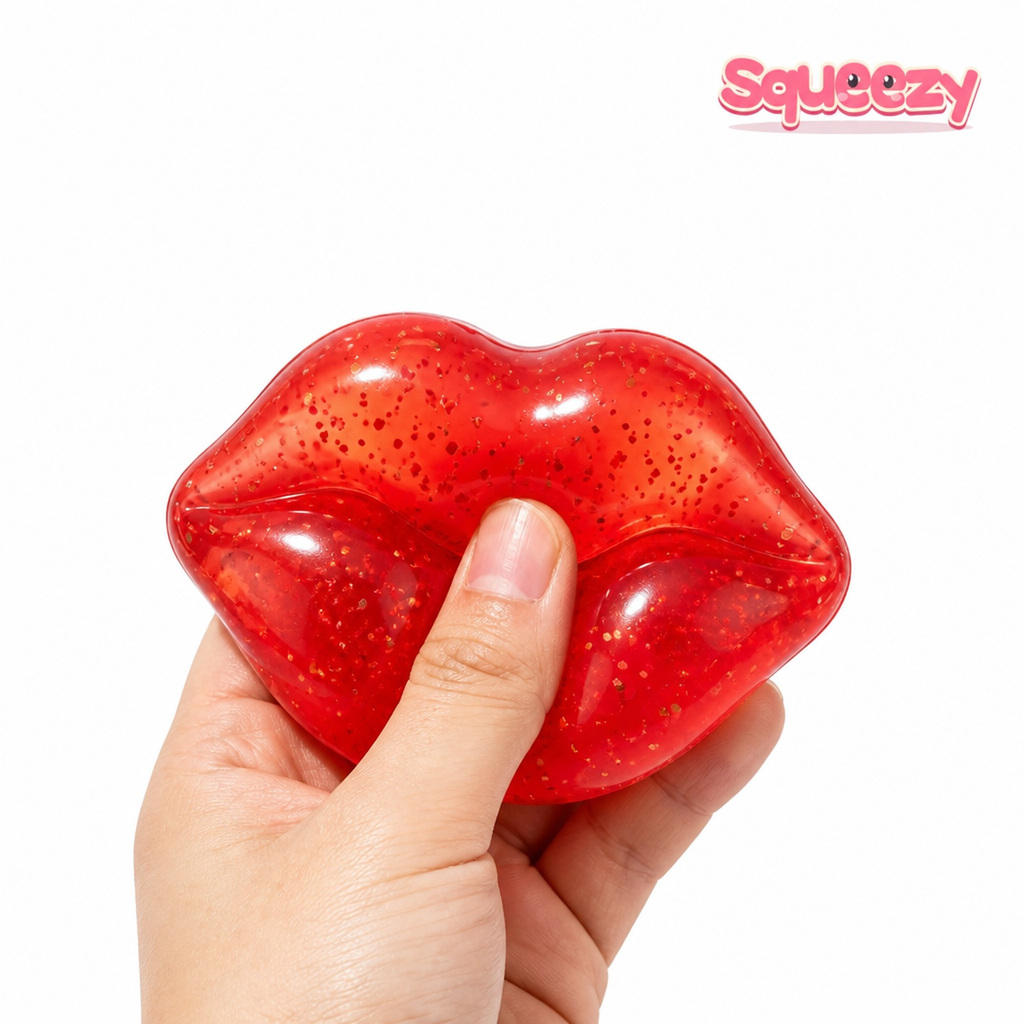 Jumbo Lips Squishy
 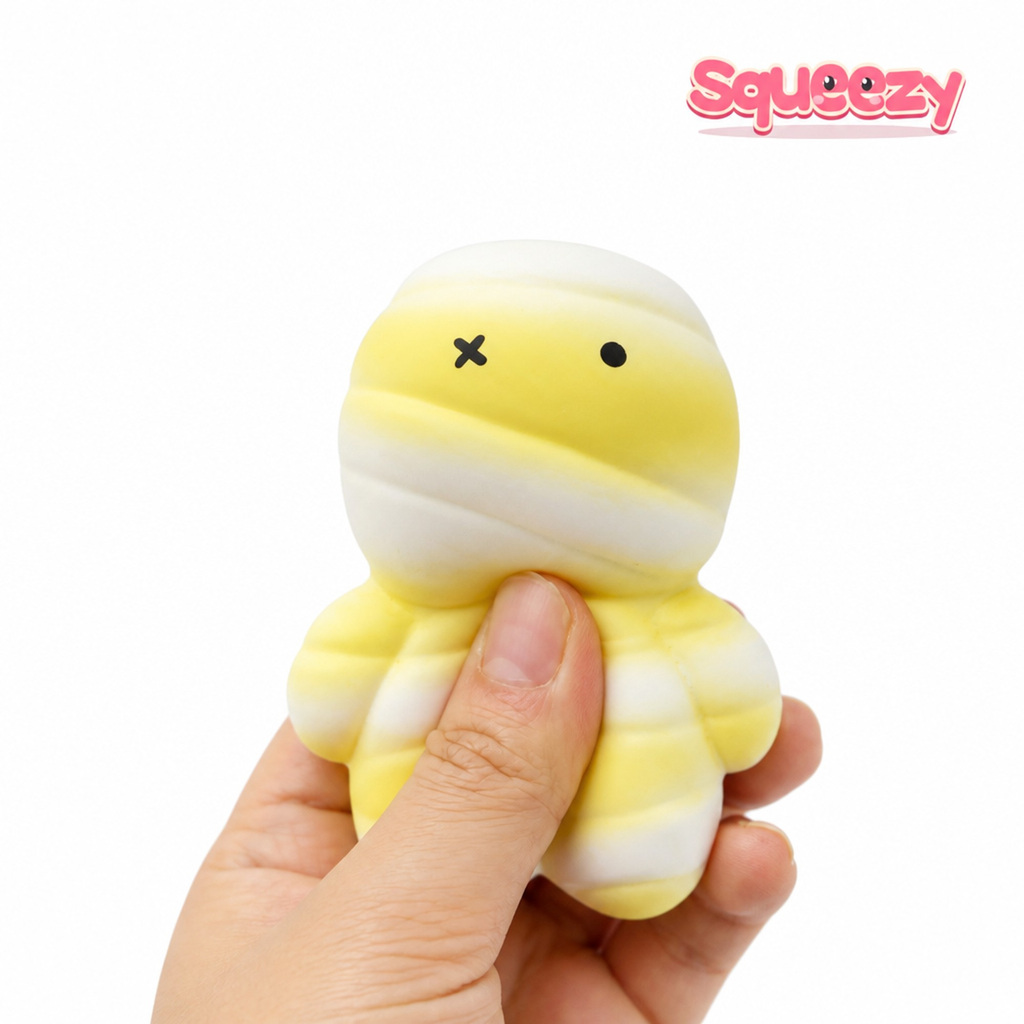 Mummy Squishy
 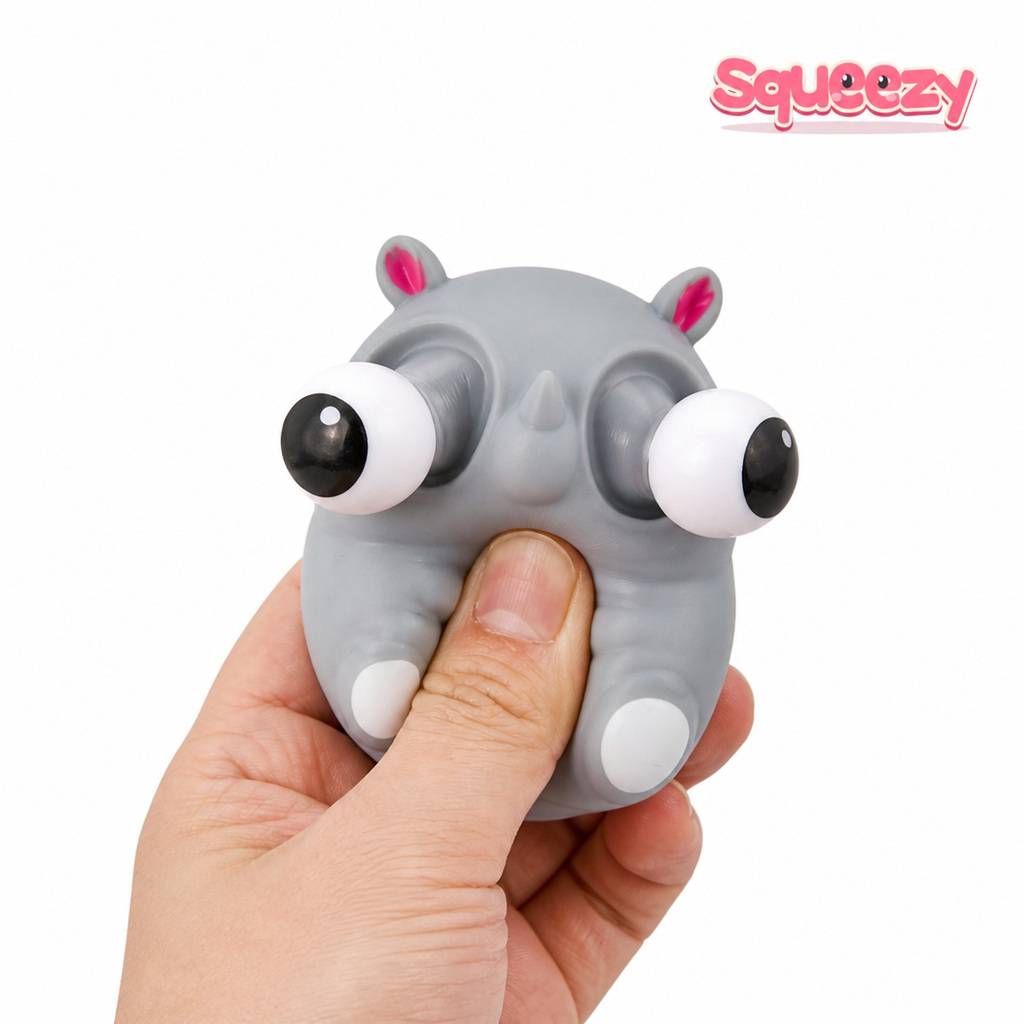 Pop-Eye Rhino
 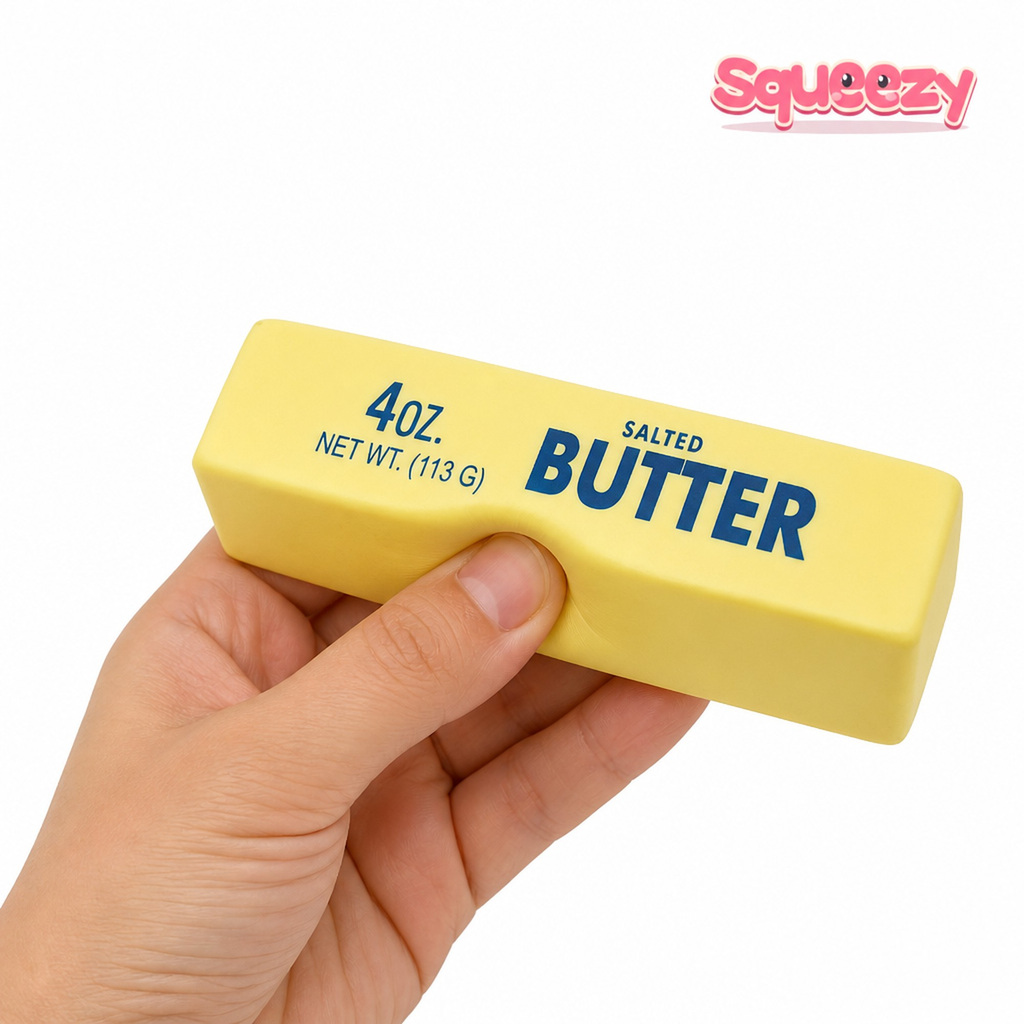 Salted Butter Stick
 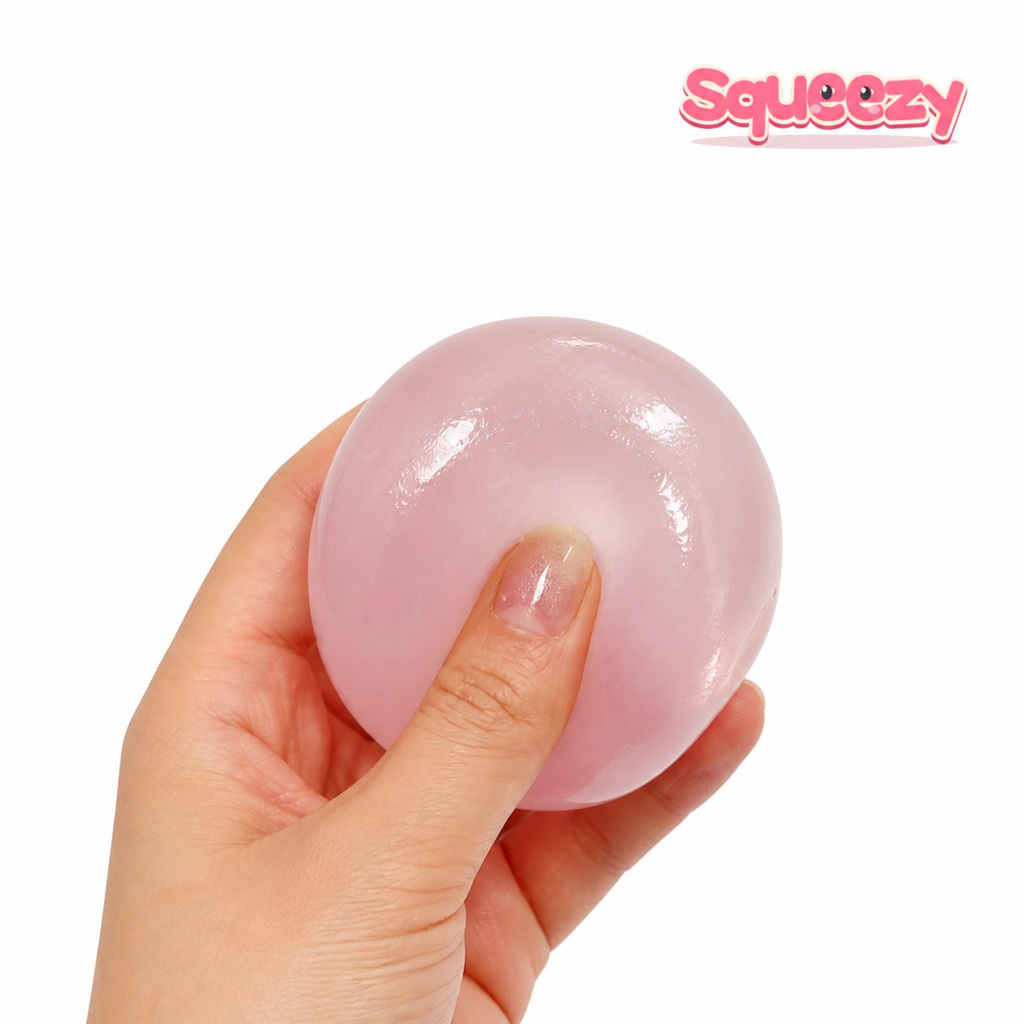 Pink Lychee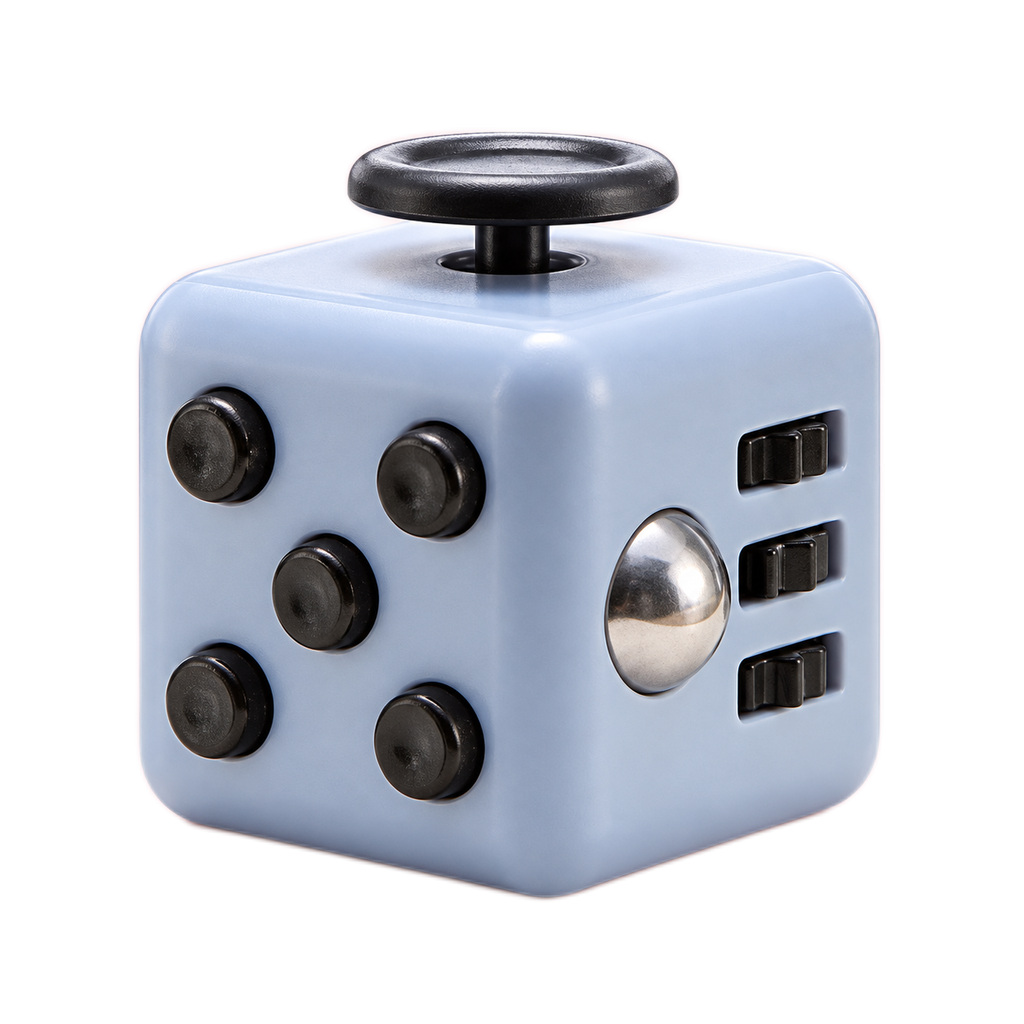
What is a fidget toy?
A fidget toy is an object used for hand movements such as squeezing, pressing, pulling or folding. To choose one, look at the movement you want to repeat and where you want to use it. A shared “fidget” label does not mean that a button cube, a folding cube and a puzzle box offer the same activity.
Wyndham City Council’s fidget-toy tip sheet describes a small object a child can squeeze, pull or move while sitting and listening. Its guidance concerns children’s group and classroom activities. It is a useful starting point for the meaning of the word, rather than a promise that any particular product will improve attention.
The word is also used broadly. Brown Health’s overview includes puzzle-ball activities among its examples. A puzzle element does not automatically disqualify something from being called a fidget. The more useful shopping question is whether you want a repeated movement or a problem to work on.
Compare the activity behind the label
Think about what your hands will do first. Do you want to press the same control repeatedly, move linked pieces through different positions, or work out how a mechanism comes apart? The answer can narrow the choice before you compare colours or shapes.
These examples use Squeezy’s public listing descriptions checked on October 2, 2026. They describe the advertised activity; we have not physically tested the sound or resistance of these items.
| Starting activity | A current listing example | What to check before choosing |
|---|---|---|
| Press, slide or roll | Our blue-gray button cube is described with five buttons, three sliders, a rolling ball and a top joystick. | Which controls you want to use, and whether their sound suits the setting. |
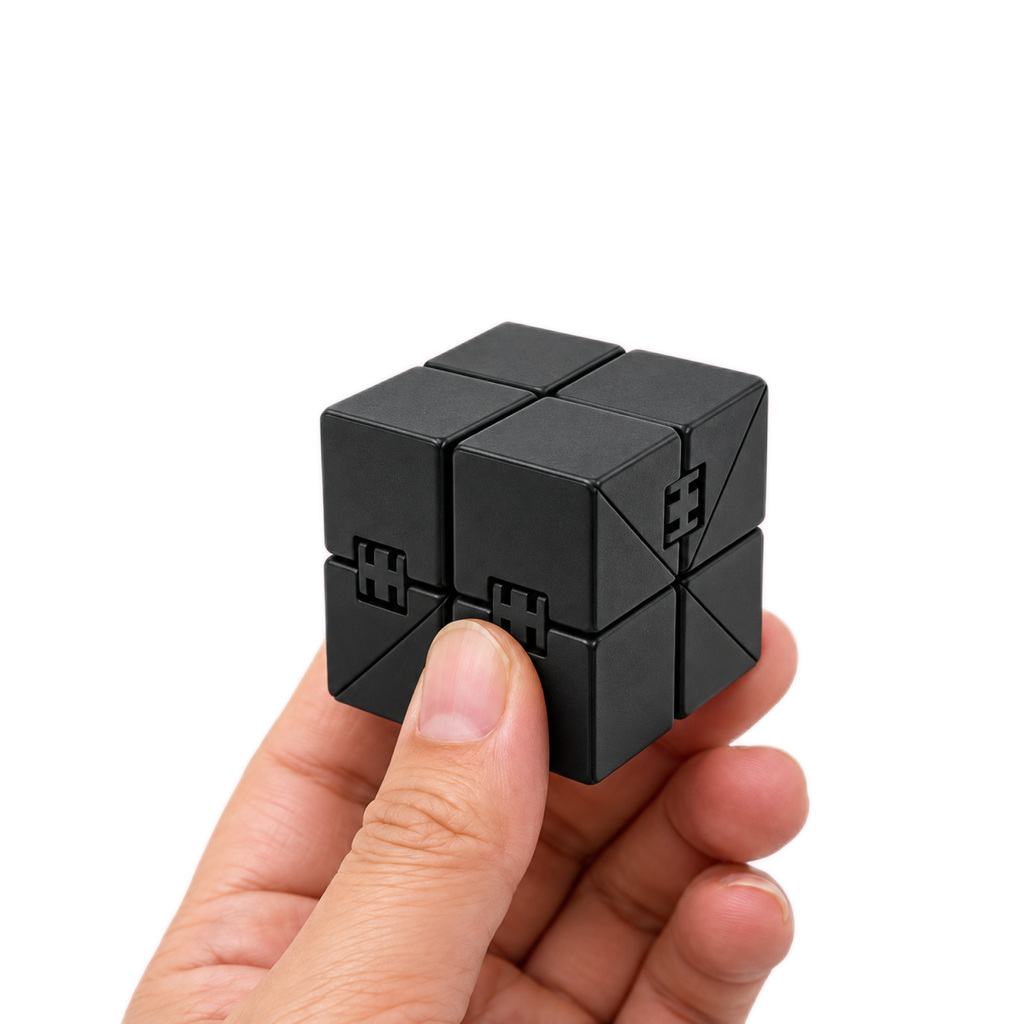
| Fold linked sections | Our black folding cube is described as a cube with linked segments for hand movement. | Whether folding is the movement you are looking for. |
| Press a panel | Our blue cassette-shaped keychain is described with a pressable panel and a metal loop. | How the panel works and sounds; a product name does not prove that it is quiet. |
| Slide and solve | Our cross-lock puzzle is described with interlocking bars for sliding and solving. | Whether you want to work on the puzzle rather than simply repeat a movement. |
| Slide and solve | Our red-lid puzzle box is also described for sliding and solving. | Whether that problem-solving activity fits the moment you have in mind. |
A mechanism can be appealing for several reasons. You may want a folding movement during a break and a puzzle to concentrate on later. You do not need one product to do both jobs.
Four questions for choosing your hand activity
The questions below are our shopping framework for deciding whether an activity suits a particular moment. They are not a clinical definition or a test of whether a toy is “really” a fidget.
1. What movement do you want to repeat?
Name the action before the product: press, slide, fold, roll or squeeze. If you can, describe where your fingers will move. “I want something for my hands” leaves many choices open; “I want a panel to press” gives you something specific to look for in the listing.
If you prefer a changing task, a puzzle-style item may be the more interesting starting point. If you prefer repetition, examine whether the movement can be repeated in the way you expect. Ask the seller if the mechanism is not clear.
2. How much attention do you want to give it?
For a hand activity during another task, consider whether you are comfortable operating it without continually checking the next step. For a break devoted to play, watching and solving may be part of the appeal.
This is a preference and setting check, not a rule that all fidgets must work without looking. A puzzle can be a welcome activity when you intend to spend time on it.
3. What sound is acceptable where you will use it?
A library, shared meeting and private break may call for different choices. Do not assume that “fidget” means silent. Ask about the particular mechanism, and check the rules of the place where you plan to use it.
Wyndham’s classroom guidance recommends choosing an item that is not noisy and does not distract others too much. That is advice for the setting; it does not verify the sound of our cube or keychain. Our quiet-fidget guide has more questions to use when comparing noise claims.
4. Is the particular item appropriate for the user?
Check age guidance and warnings on the packaging, not just the category name. The U.S. Consumer Product Safety Commission’s toy guidance says to follow that information and match toys to a child’s interests and abilities. Keep small balls and toys with small parts away from children younger than three.
For a classroom or other shared setting, also check the relevant rules before bringing an item. A product being sold as a fidget is not permission to use it everywhere.
A label should lead you to the details
Use the label to begin browsing, then read the actual description. For a cube, find out whether it has controls to press or segments to fold. For a box, check whether the intended activity is manipulating a mechanism or solving an interlocking puzzle.
If the listing does not answer your main question, ask a specific one: “Which part moves?”, “Does this control make a click?” or “Is there a puzzle to solve?” A useful answer explains the feature you are choosing, without needing a broad promise about concentration or stress relief.
Choose the activity that fits your intended moment. The definition helps you start the search; the movement, setting and user determine the next questions.
FAQ
What are fidget toys used for?
They offer objects to manipulate with the hands. The activity depends on the item, such as pressing controls, folding linked sections or squeezing a shape. Choose by the movement and setting rather than expecting every fidget to behave alike.
Is a puzzle box a fidget toy?
The term can include puzzle-style activities. Read the particular description and decide whether you want repeated movement or a problem to solve. Our two linked puzzle-box listings describe sliding and solving.
Are all fidget toys quiet?
Do not assume so from the label. Check the particular mechanism and ask about its sound if that matters for your setting. A still image does not establish noise level.
Can any fidget toy be used in class?
Check the school’s rules and the user’s needs first. Wyndham’s guidance recommends avoiding noise and excessive distraction; it is not approval of a specific product or a guarantee of learning benefits.