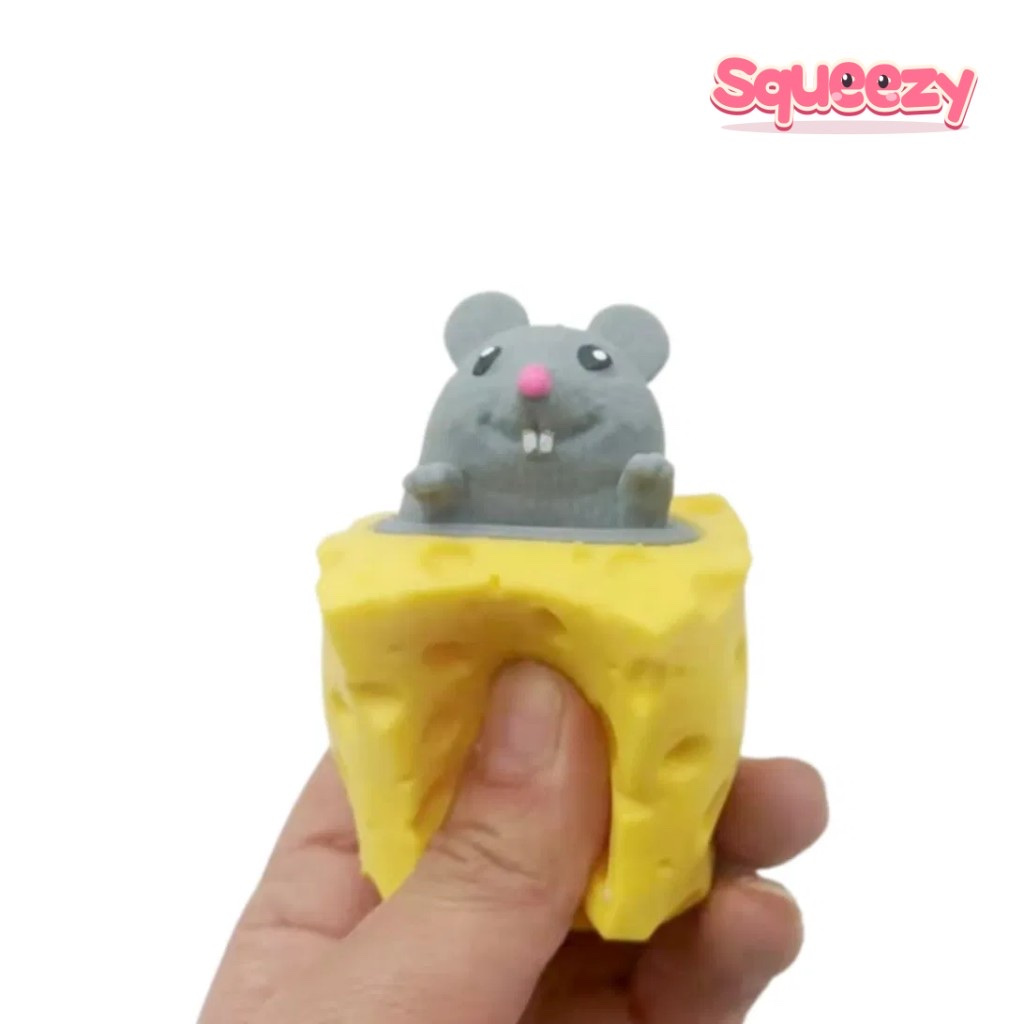
 Cheese Squishy
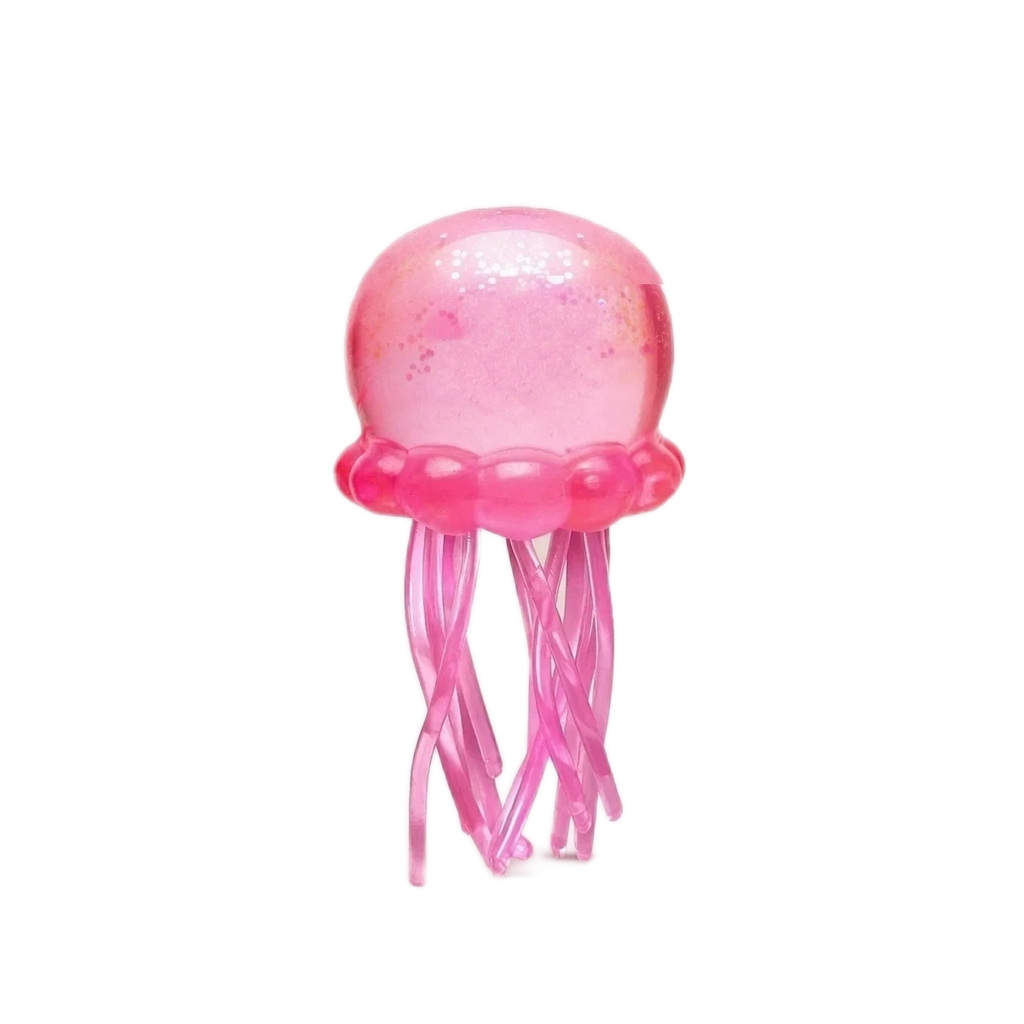
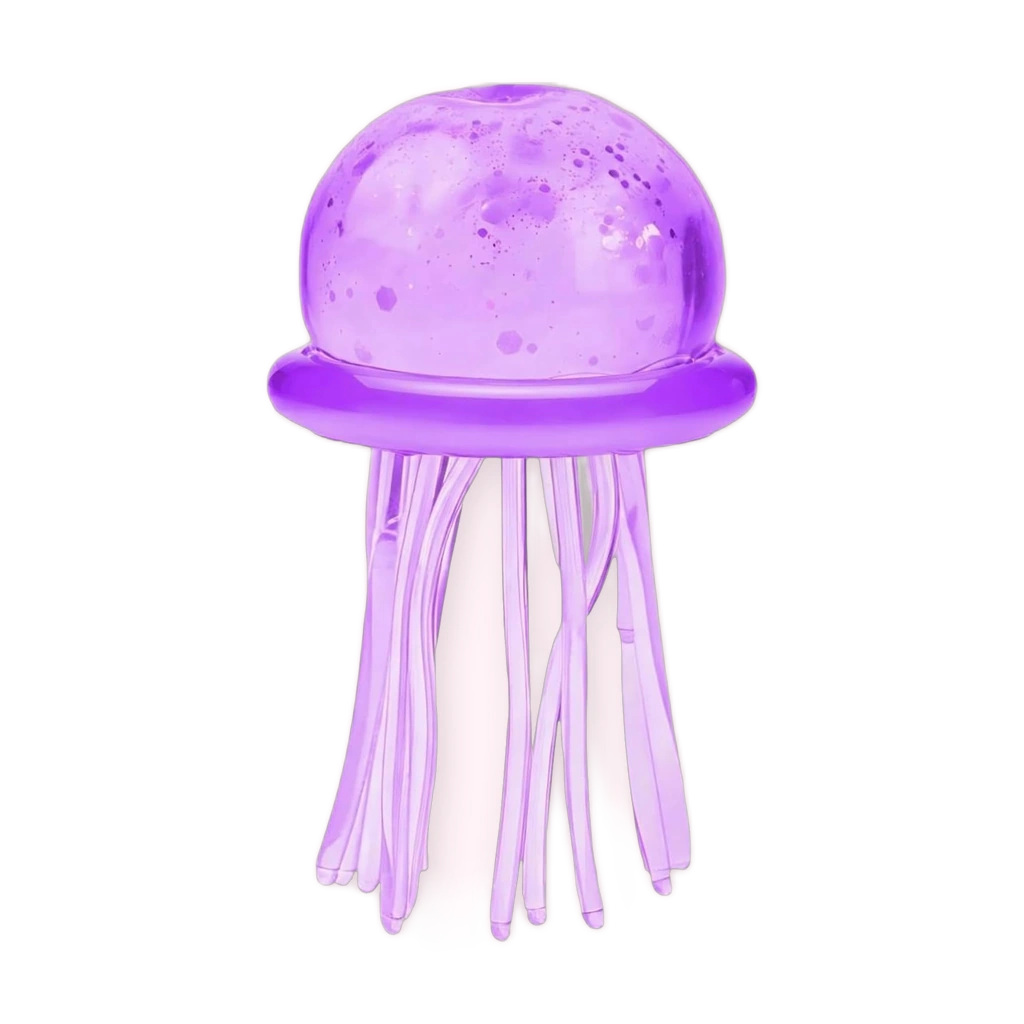
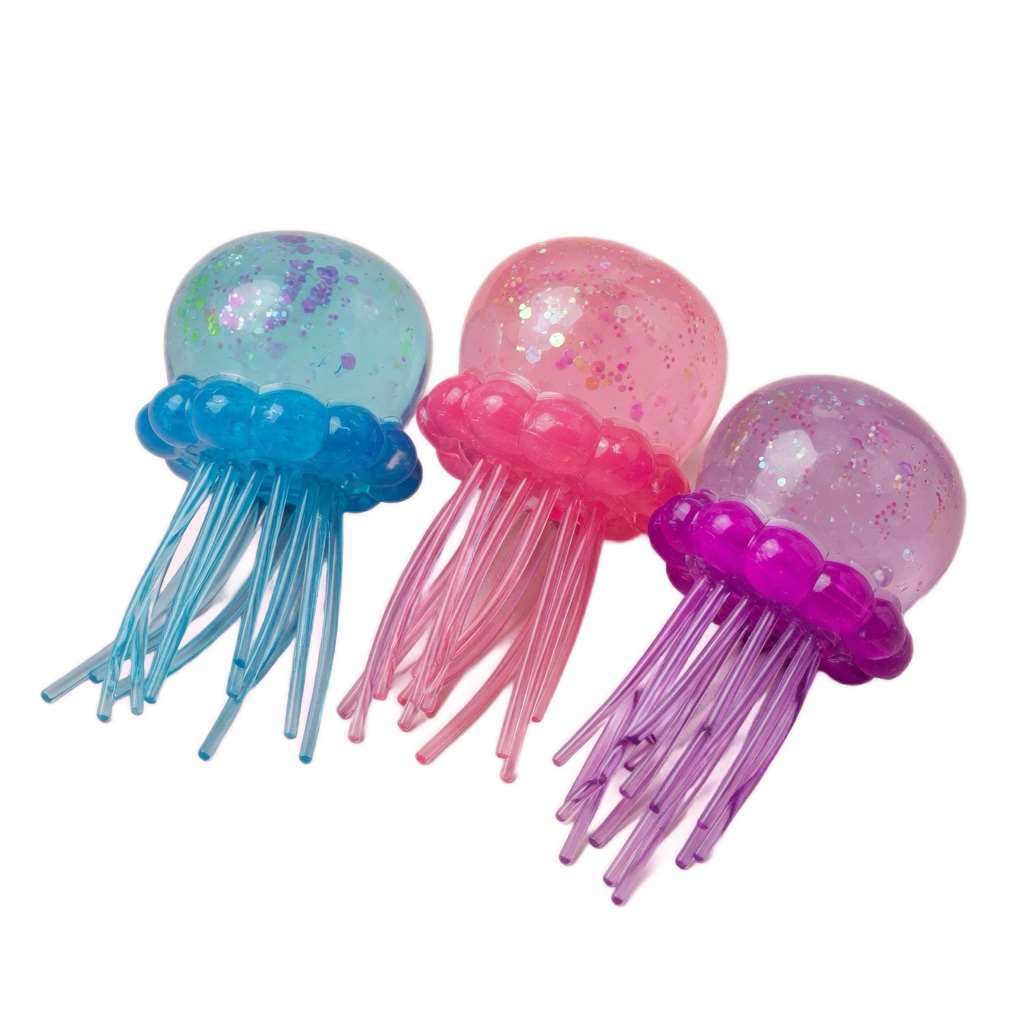
 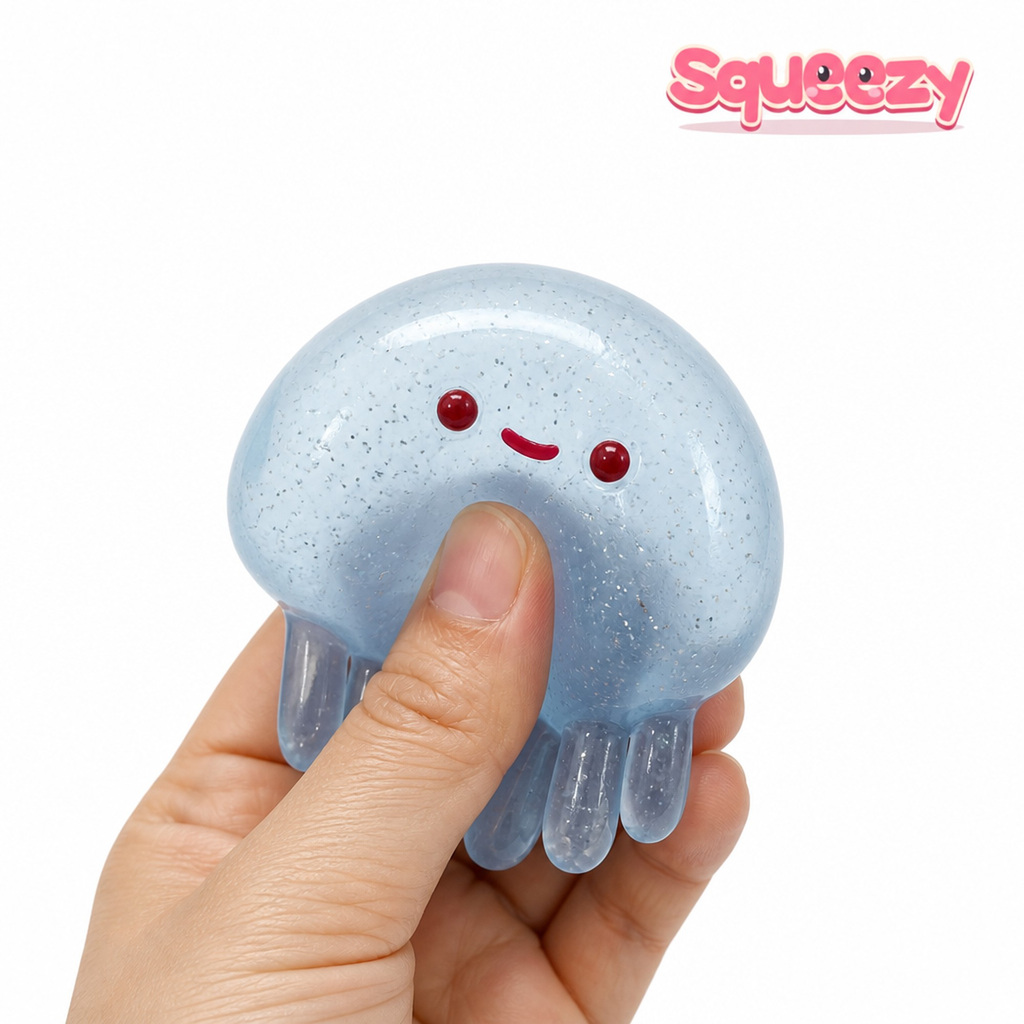 Jellyfish Squishy
 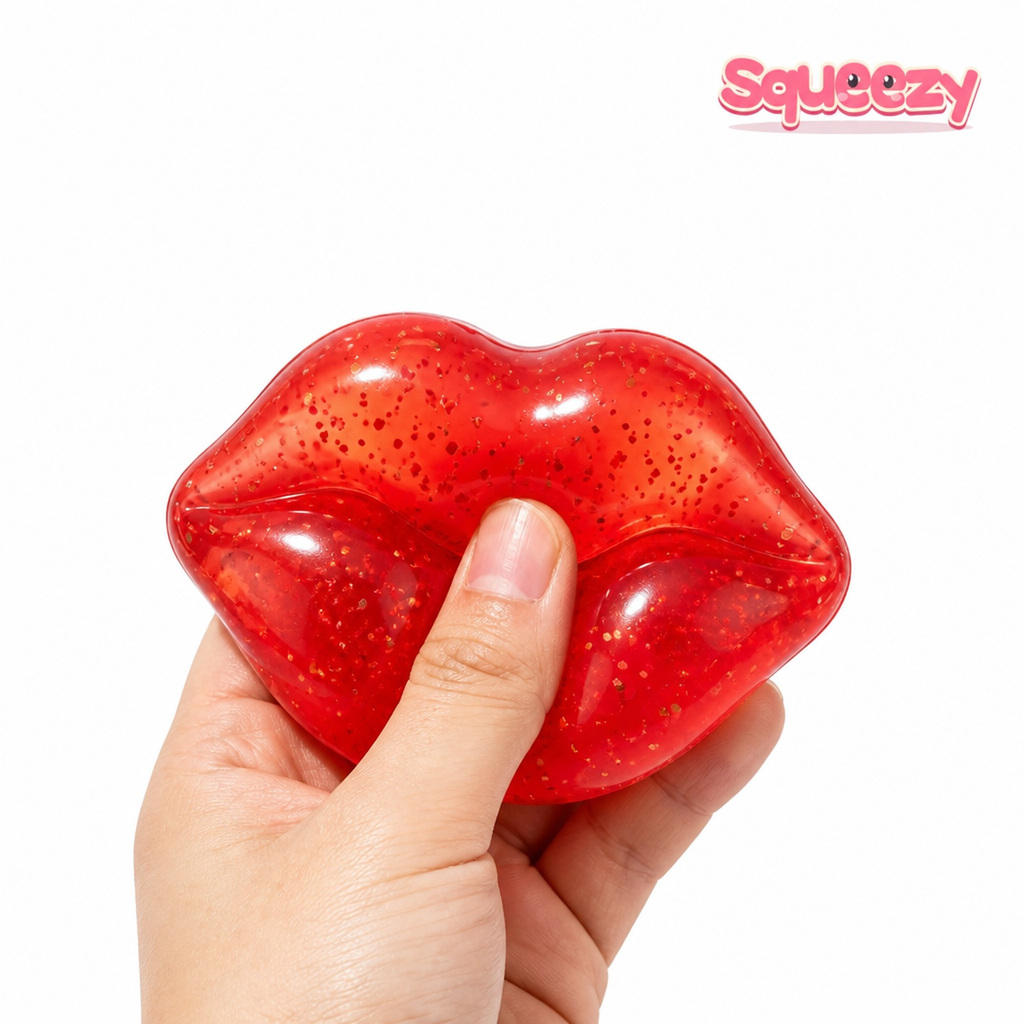 Jumbo Lips Squishy
 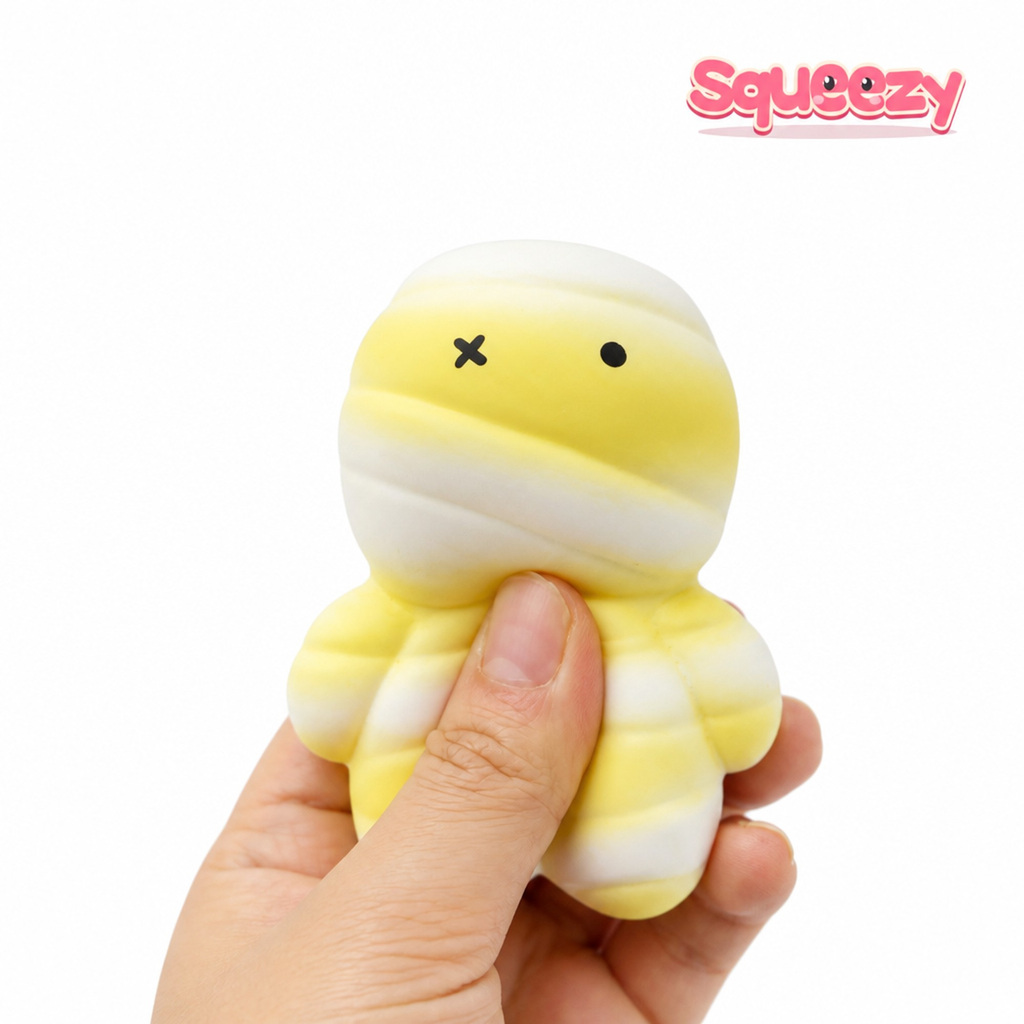 Mummy Squishy
 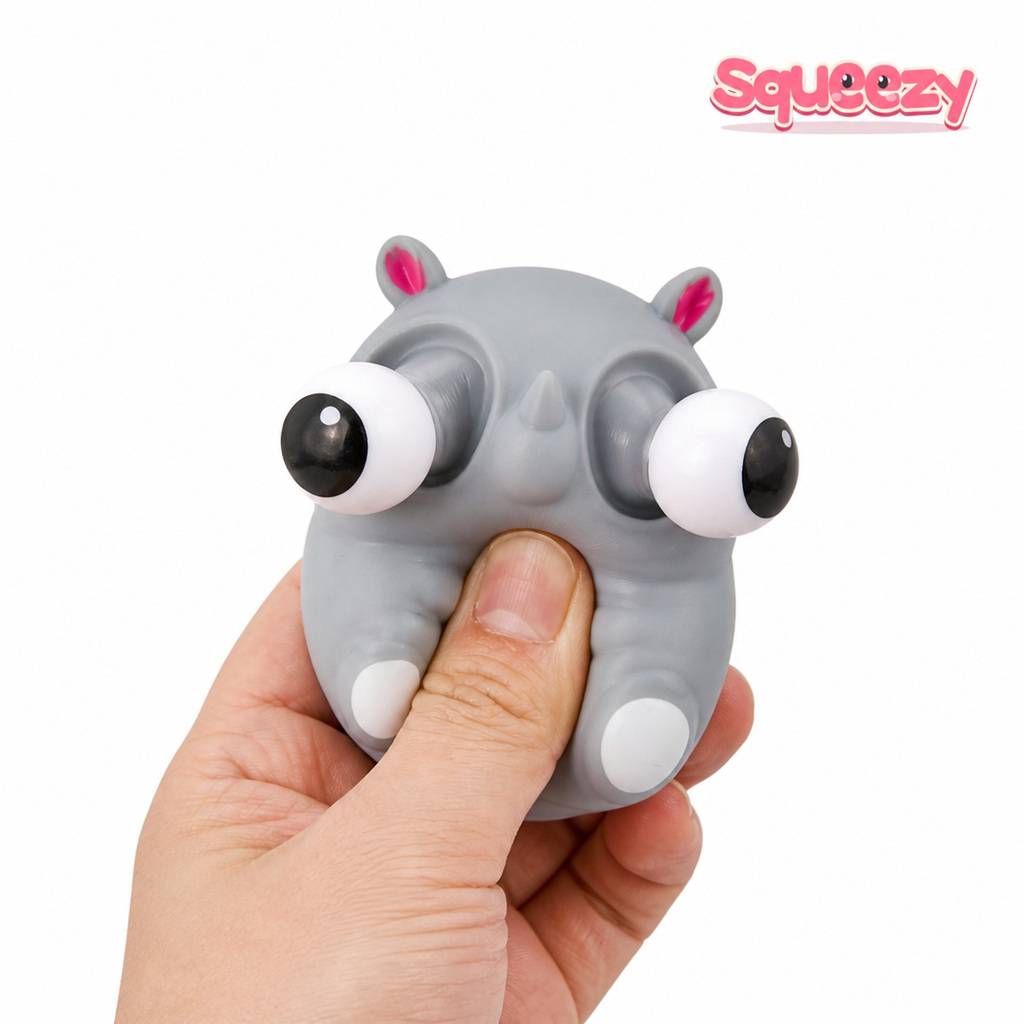 Pop-Eye Rhino
 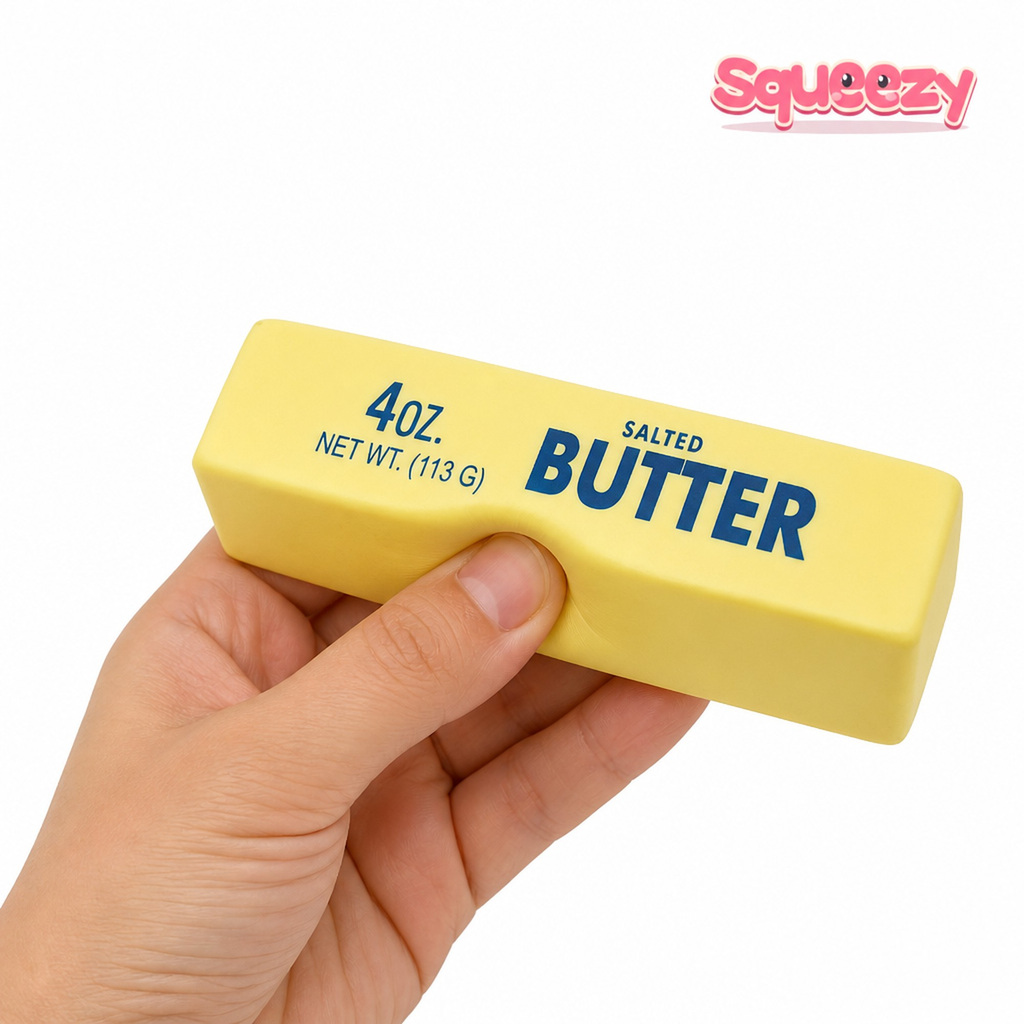 Salted Butter Stick
 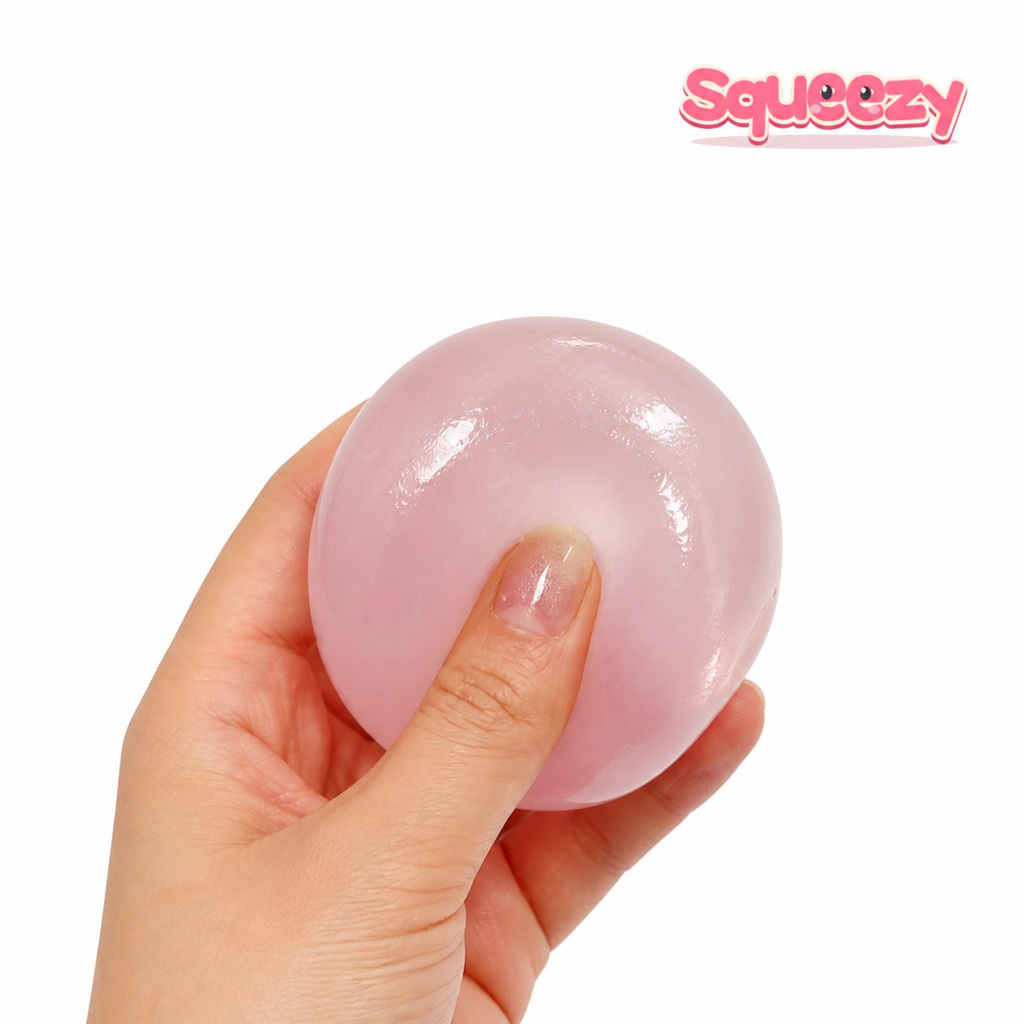 Pink Lychee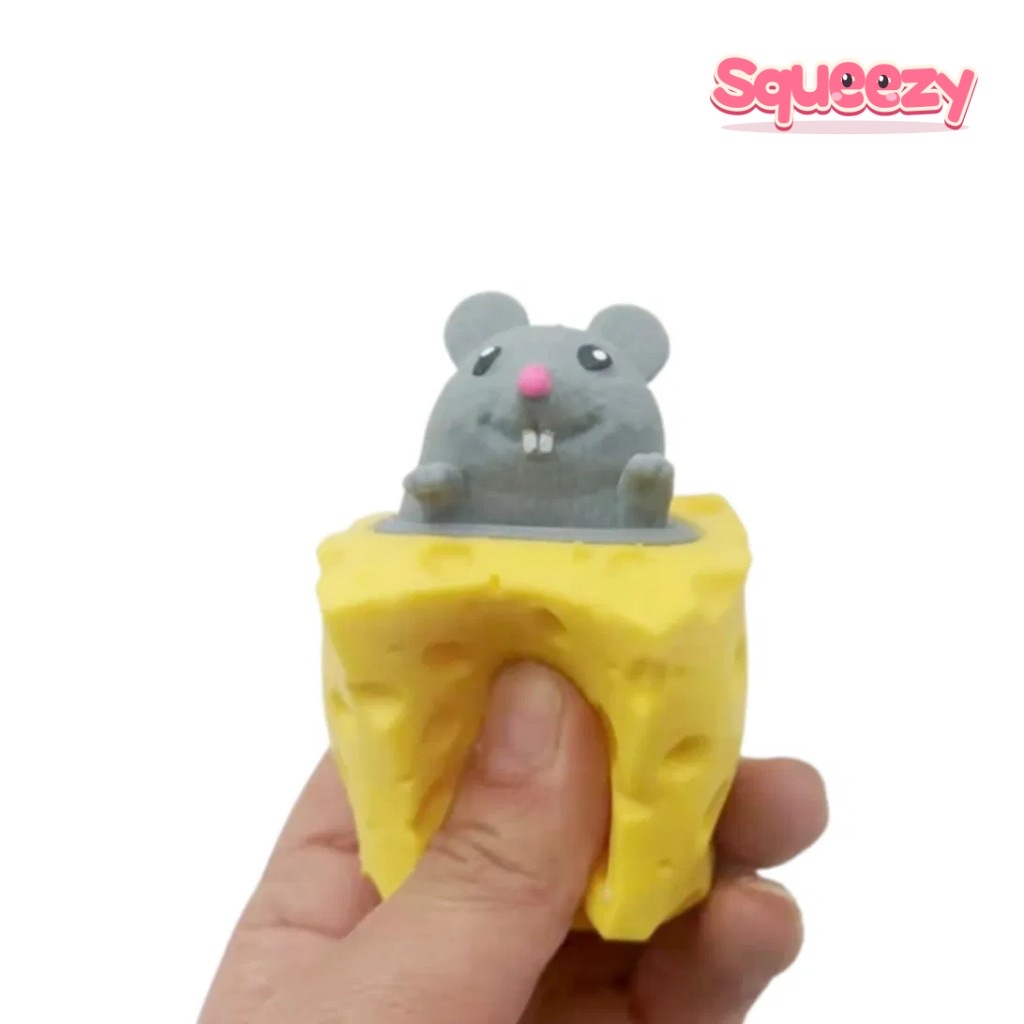
Knowing how to clean a squishy starts with the instructions for that particular toy. There is no wash routine we can verify for every item in our catalogue. Check before applying water, soap, tape or powder. First distinguish ordinary surface dust from damage or an unusual change in the toy; the latter needs a different response.
Identify the item before choosing a cleaning method
Find the product page, packaging or maker’s care instructions. Check that the guidance applies to your exact model, including any printed coating or separate filling. A generic material name is not enough to establish that the entire finished toy can be washed.
Do not guess that a translucent toy is silicone, or that a slowly returning one is a particular foam. If the item has no care instructions, ask the seller or manufacturer before wet cleaning it. We have not wash-tested each product and cannot supply a universal substitute for those instructions.
Decide whether this is a cleaning problem
Ordinary dust on an otherwise unchanged toy is different from a leaking seam, a torn surface or a new sticky coating. Inspect the toy before handling or cleaning it further.
The CPSC’s August 2026 squishy-toy alert advises stopping use of toys with strong chemical odors, unusual stickiness, leaks or deterioration, and keeping damaged toys and their contents away from children. It also warns against heating squishies.
If you see those warning signs, do not treat cleaning as proof that the toy can be used again. Keep it away from children and contact the seller or manufacturer. Do not cover the change with powder or fragrance.
A conditional cleaning checklist
Use this checklist with the product’s own instructions, rather than as permission to wash an unspecified toy.
- Check the permitted method. Does the maker allow dry wiping, damp wiping or rinsing? If it does not say, obtain guidance before choosing a wet method.
- Check the cleaning agent. Use only what those instructions permit. Our guide cannot establish that dish soap, alcohol or another cleaner is compatible with an unknown coating or filling.
- Follow the handling limits. Do not substitute soaking for wiping or scrubbing for a gentle method. Follow any instructions about seams, printing and drying.
- Inspect before reuse. Complete the specified drying process and check for changes. If a problem appears, stop using the toy and ask for product-specific advice.
We are not recommending tape as a universal lint remover: it may affect a surface finish. We are also not recommending cornstarch as a repair for a sticky squishy. A coating that conceals stickiness does not establish that the underlying problem has been resolved.
Match the response to the problem
| What you notice | Next step |
|---|---|
| Ordinary loose dust, with no other change | Check the maker’s permitted surface-cleaning method |
| Missing material or care information | Ask for the exact product’s instructions before applying liquid or cleaners |
| New or unusual stickiness, oiliness or strong chemical odor | Stop use and contact the seller or manufacturer |
| Tears, leaking seams or loose filling | Keep the damaged toy and contents away from children |
| Discoloration or deterioration | Do not assume a cleaner or powder makes it suitable to reuse |
There is no repair or stain-removal result promised here. In particular, we cannot verify a method for making an aged translucent toy clear again.
What our catalogue audit does and does not show
On 21 September 2026, a text audit of 1,087 active listings found none of nine screened material words in 650 listings. The audit checked the name, tagline and visible description for foam, gel, silicone, TPR, polyurethane, rubber, vinyl, latex and resin. Other wording and abbreviations may not match this screen. Among the terms found were foam on 278 listings, gel on 117, silicone on 30 and TPR on 17; the categories can overlap.
This describes the coverage of those words in listing text. It does not mean an unidentified toy should be treated as foam, nor does it establish washing limits for a finished product. A material mention is a description, not a wash-test result.
Storage and future care
Follow the maker’s storage instructions and keep the toy away from heat. Do not use a microwave, heater or hairdryer to speed cleaning or drying. If the instructions permit cleaning, finish their drying process before storing the item.
Save the packaging and care information so you can check it again. If you contact support, the product name, variant and a description of the change are more useful than a guess about its material.
No product wash tests claimed
This guide helps you decide what information to obtain and when a cleaning question becomes a product-condition question. It does not report laboratory testing or promise a particular cleaning result. Our product collection links to individual listings; when care information is missing, ask before experimenting.