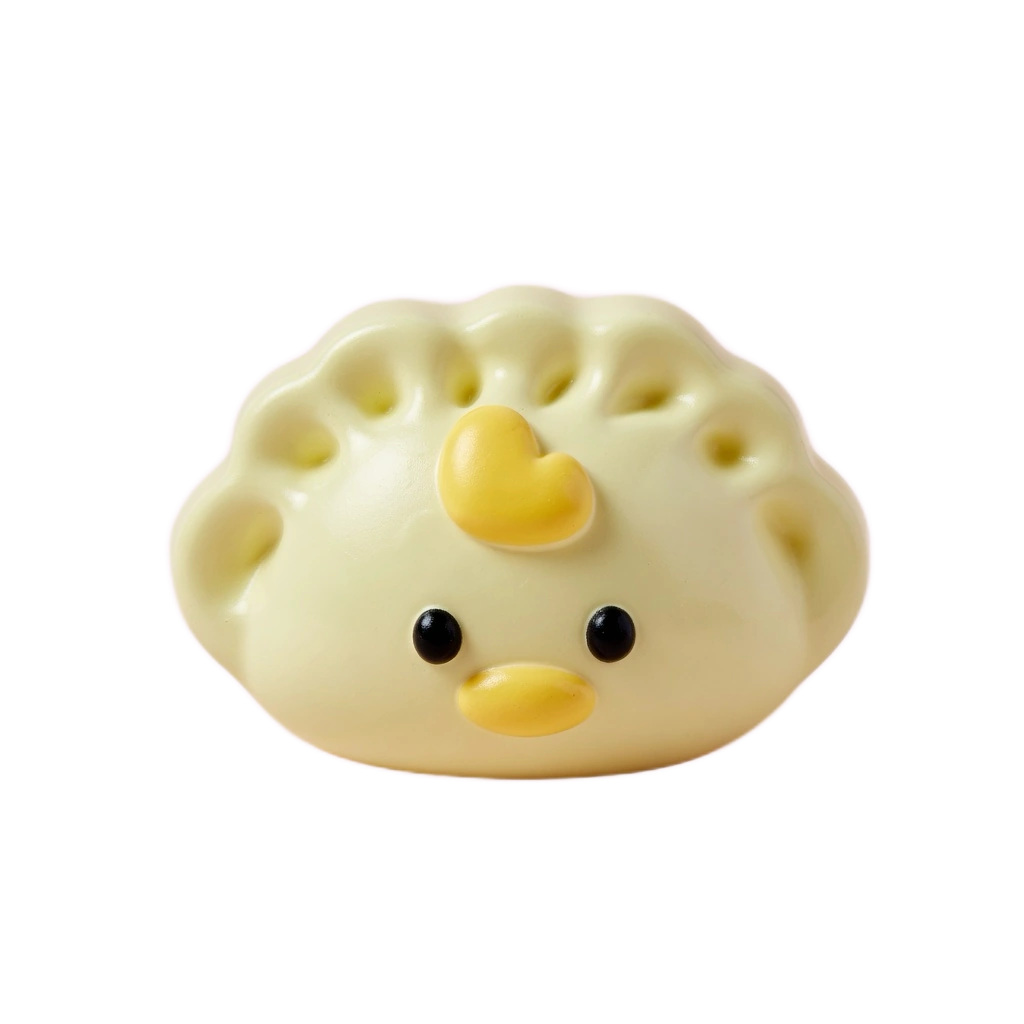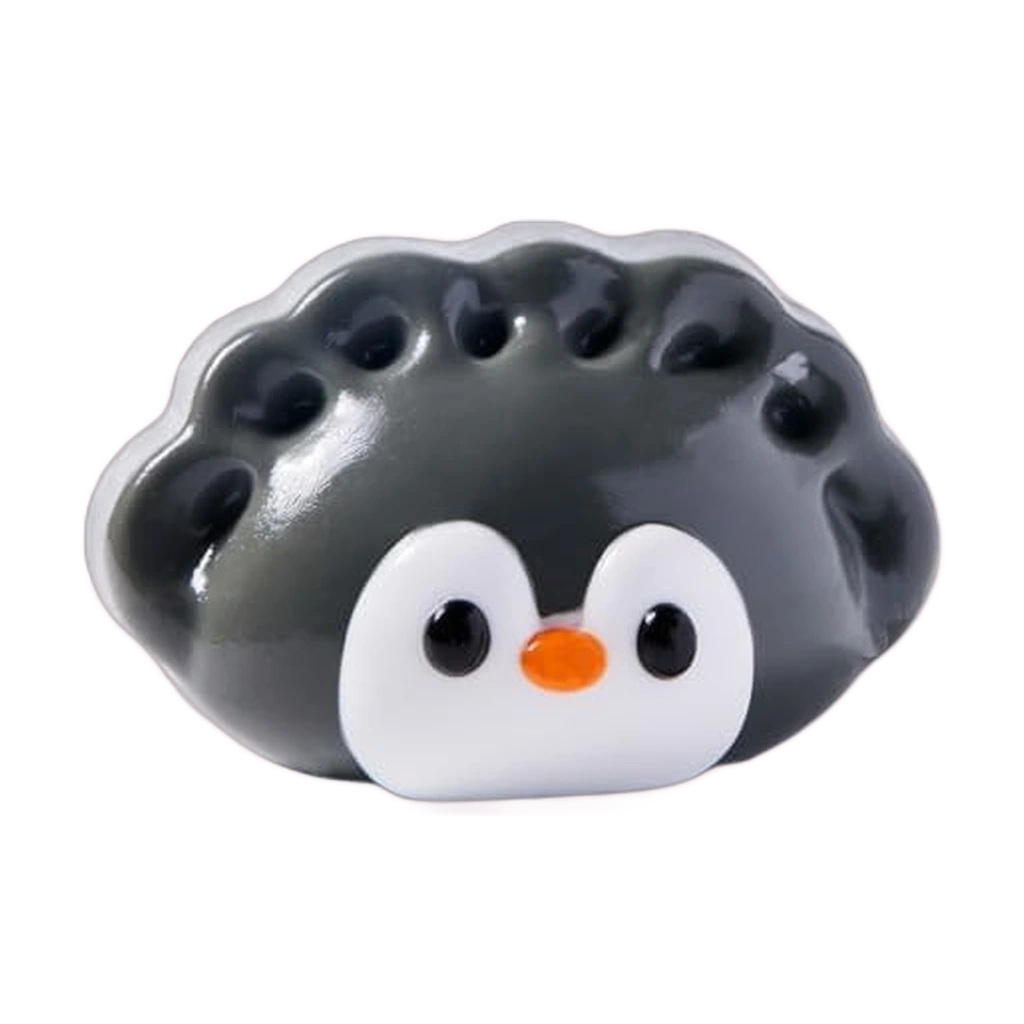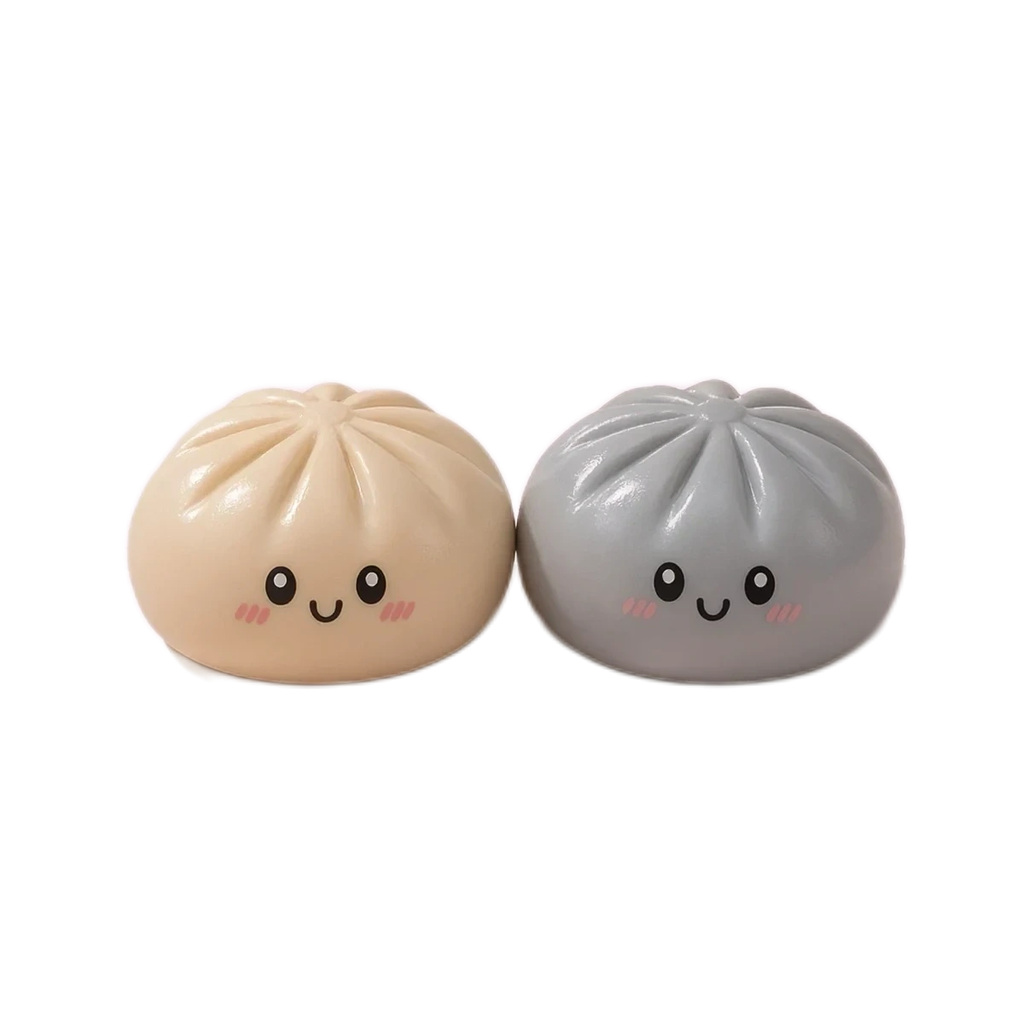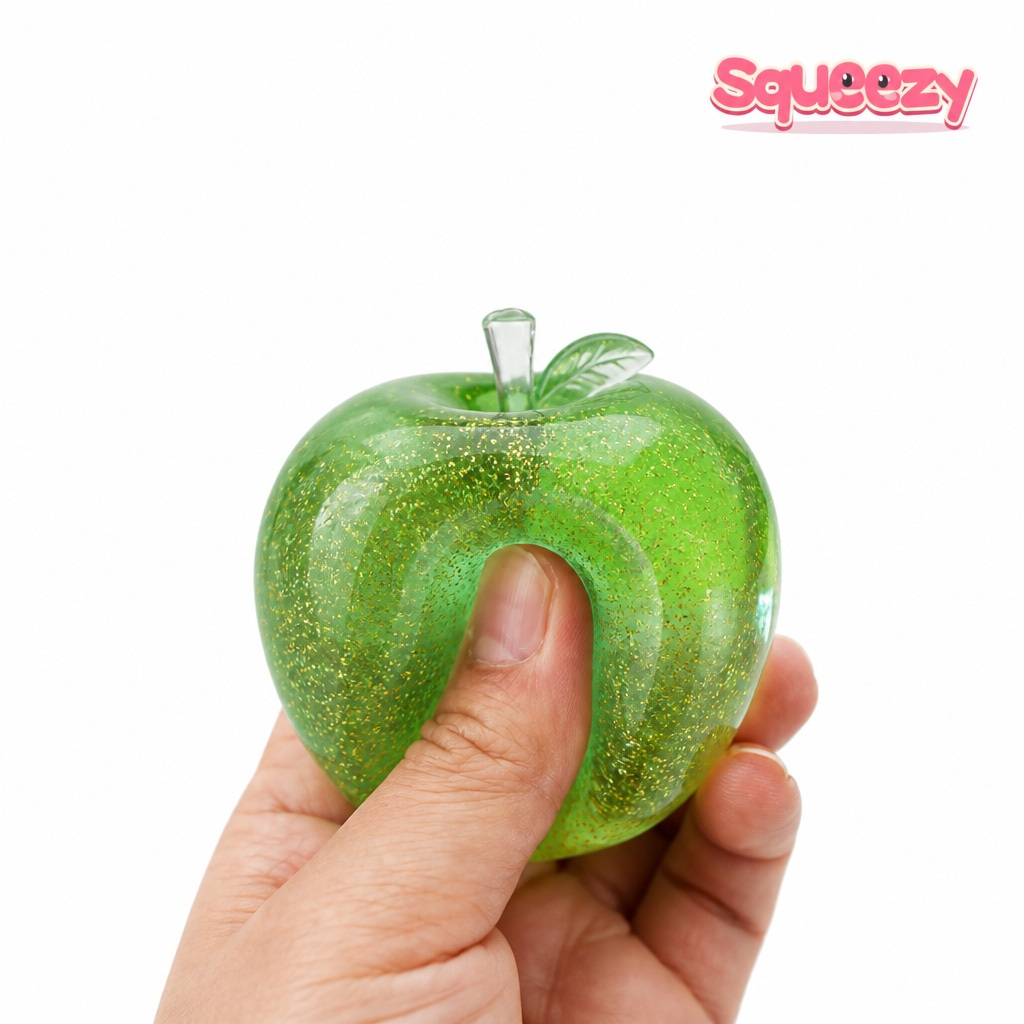
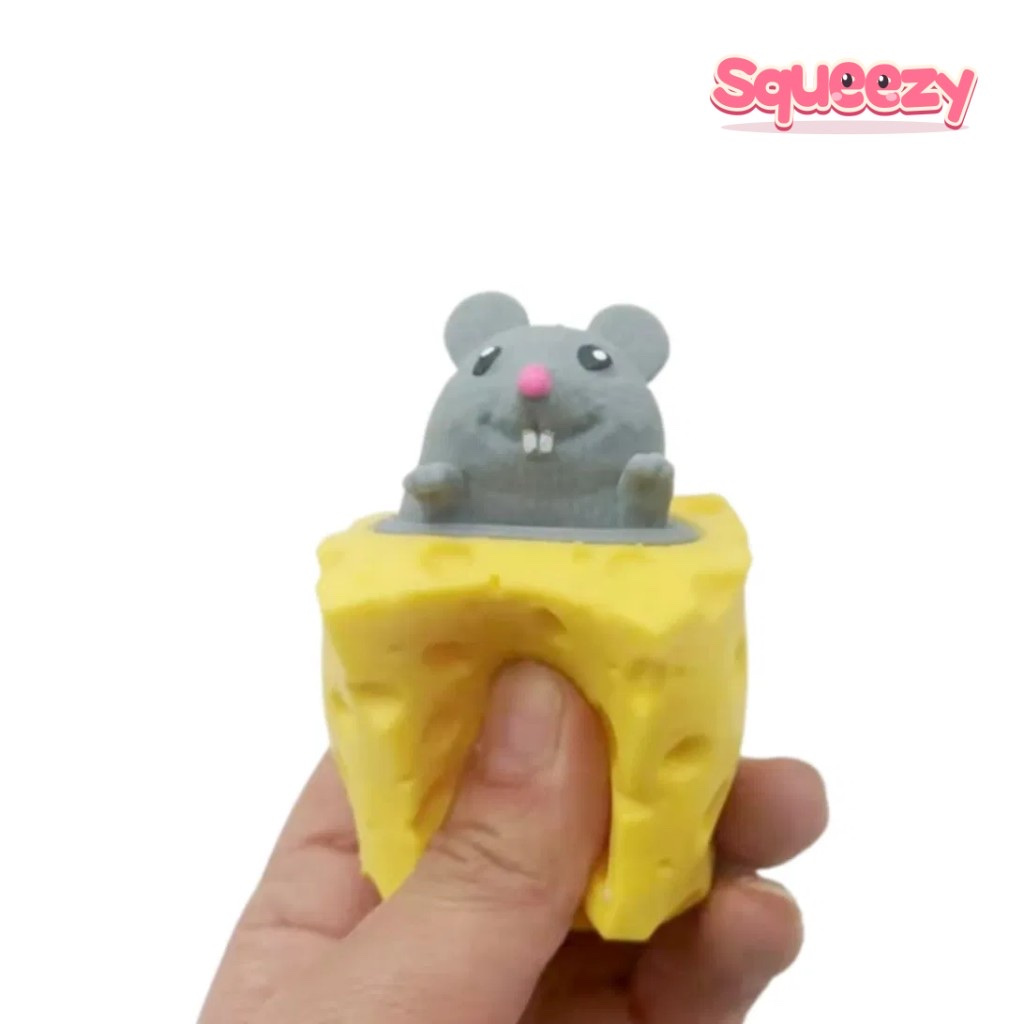
 Cheese Squishy
 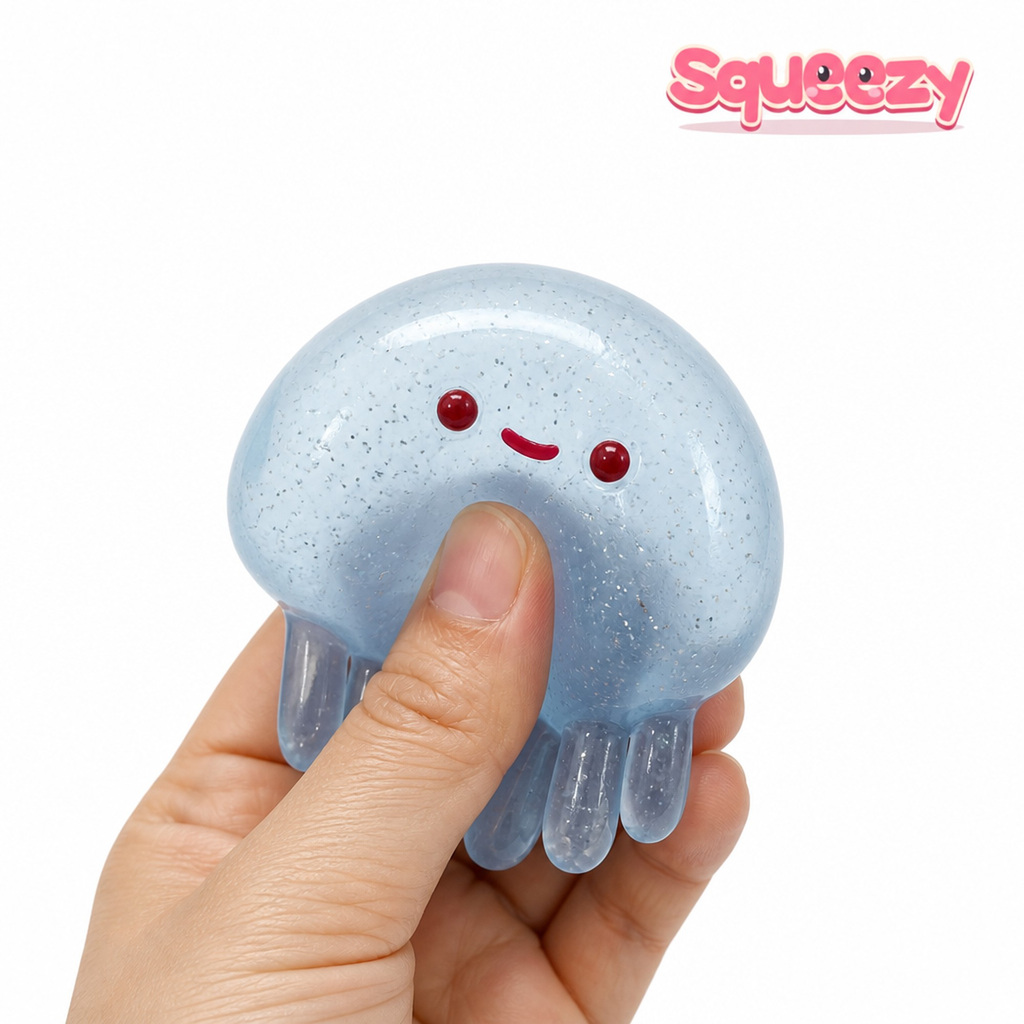 Jellyfish Squishy
 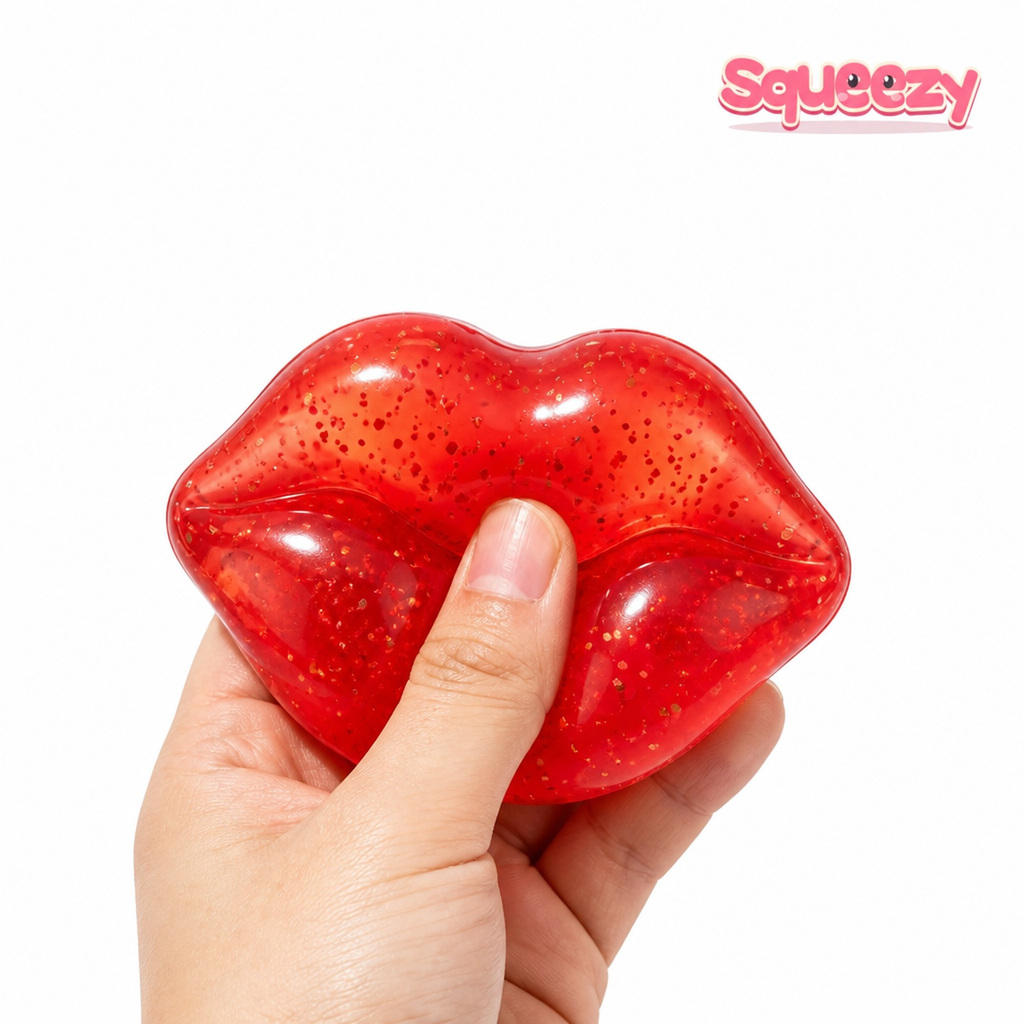 Jumbo Lips Squishy
 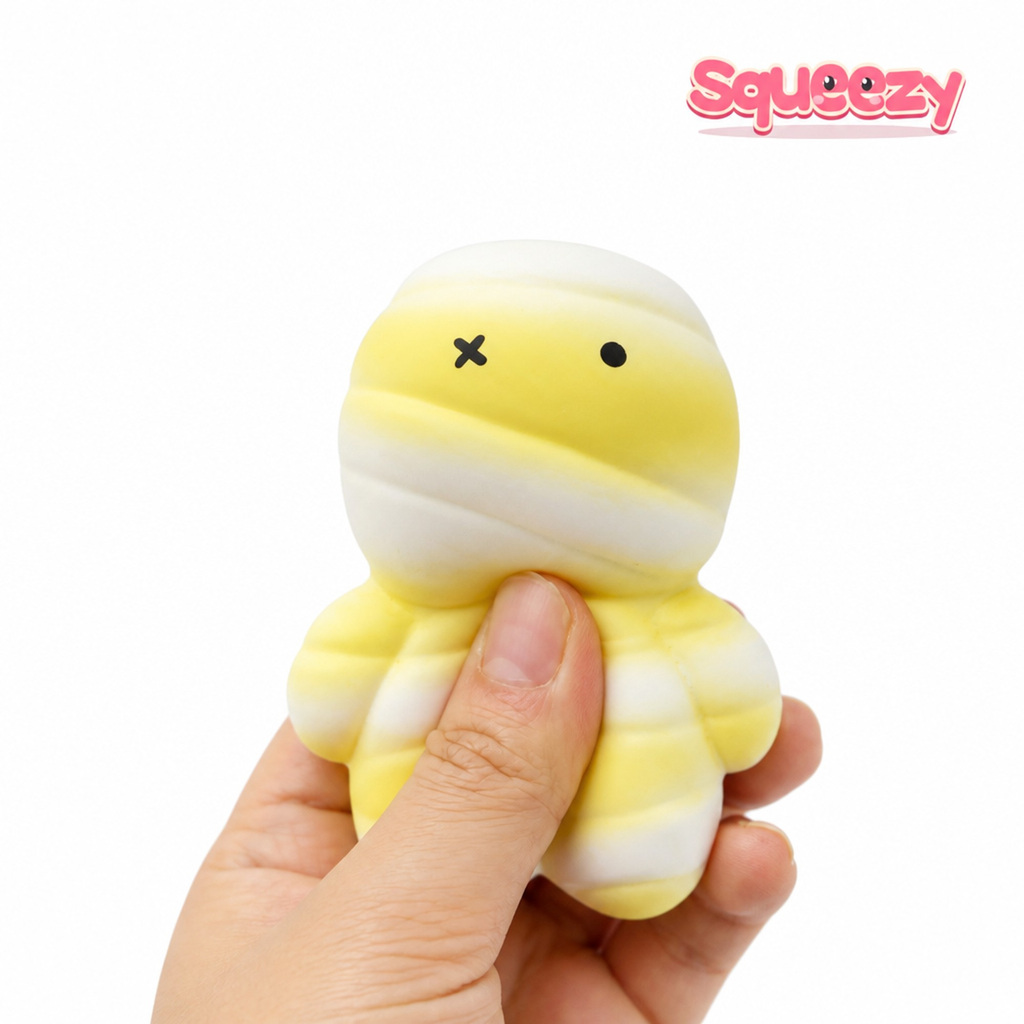 Mummy Squishy
 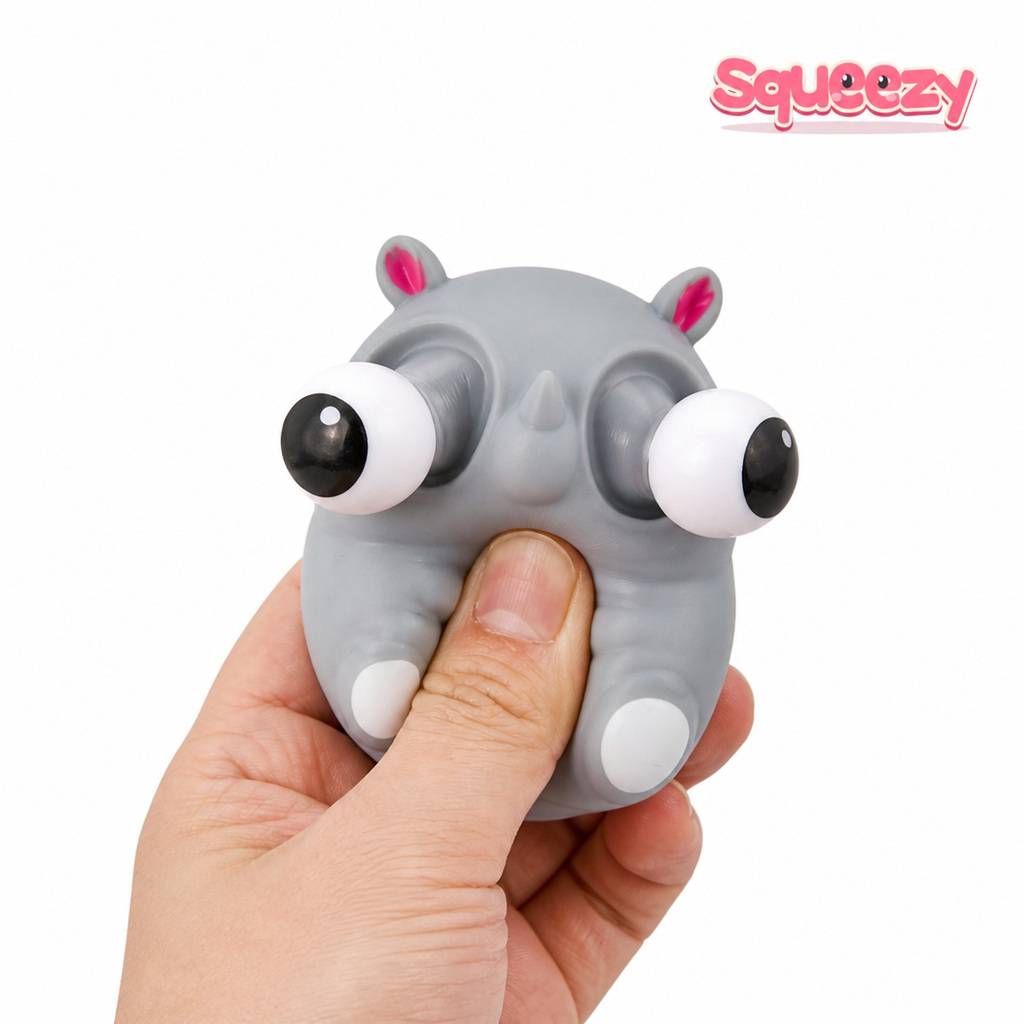 Pop-Eye Rhino
 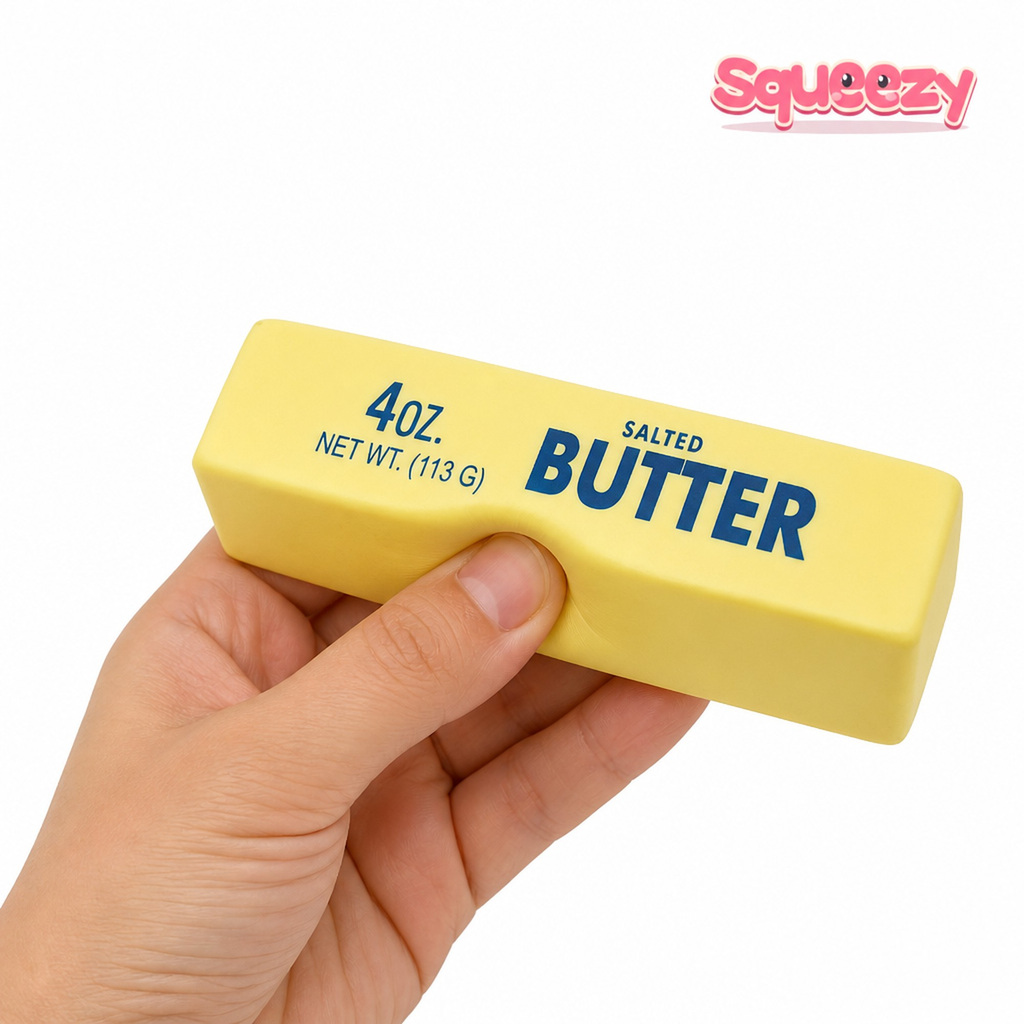 Salted Butter Stick
 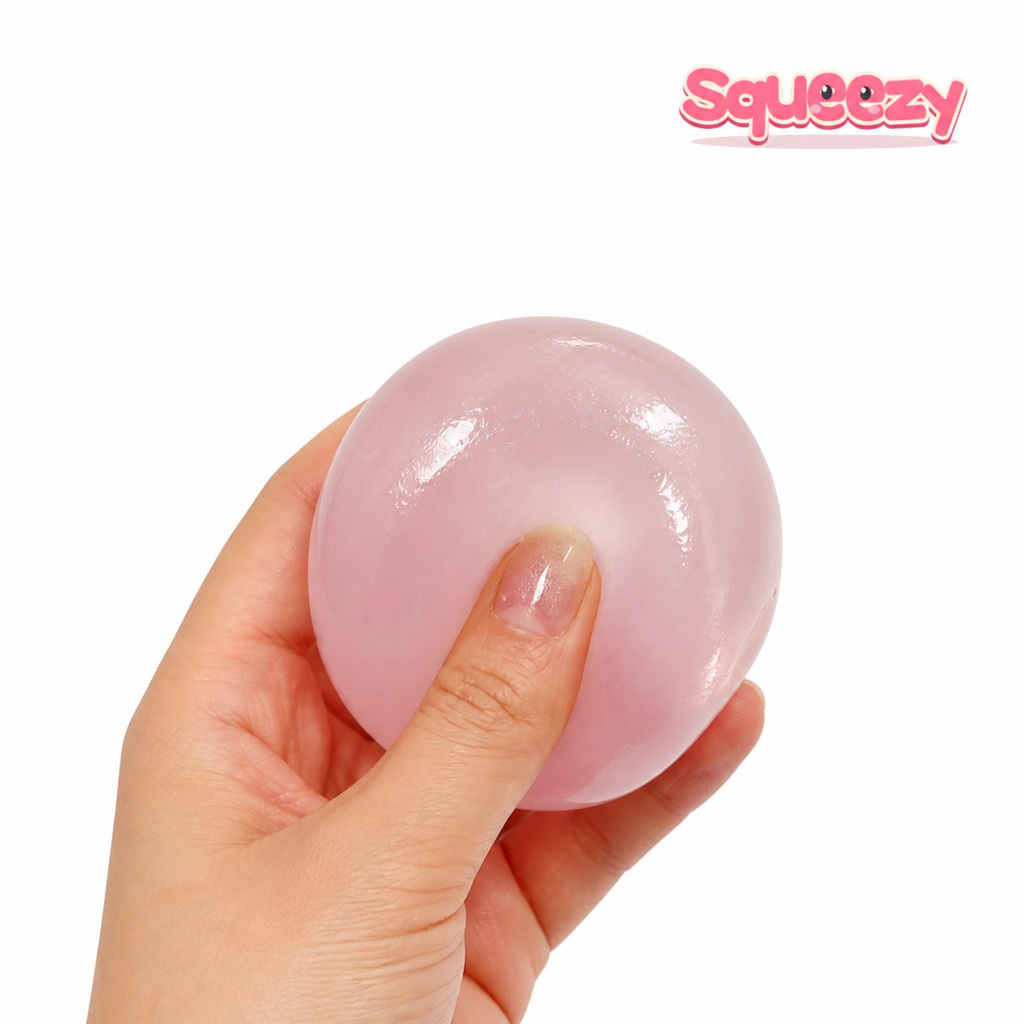 Pink Lychee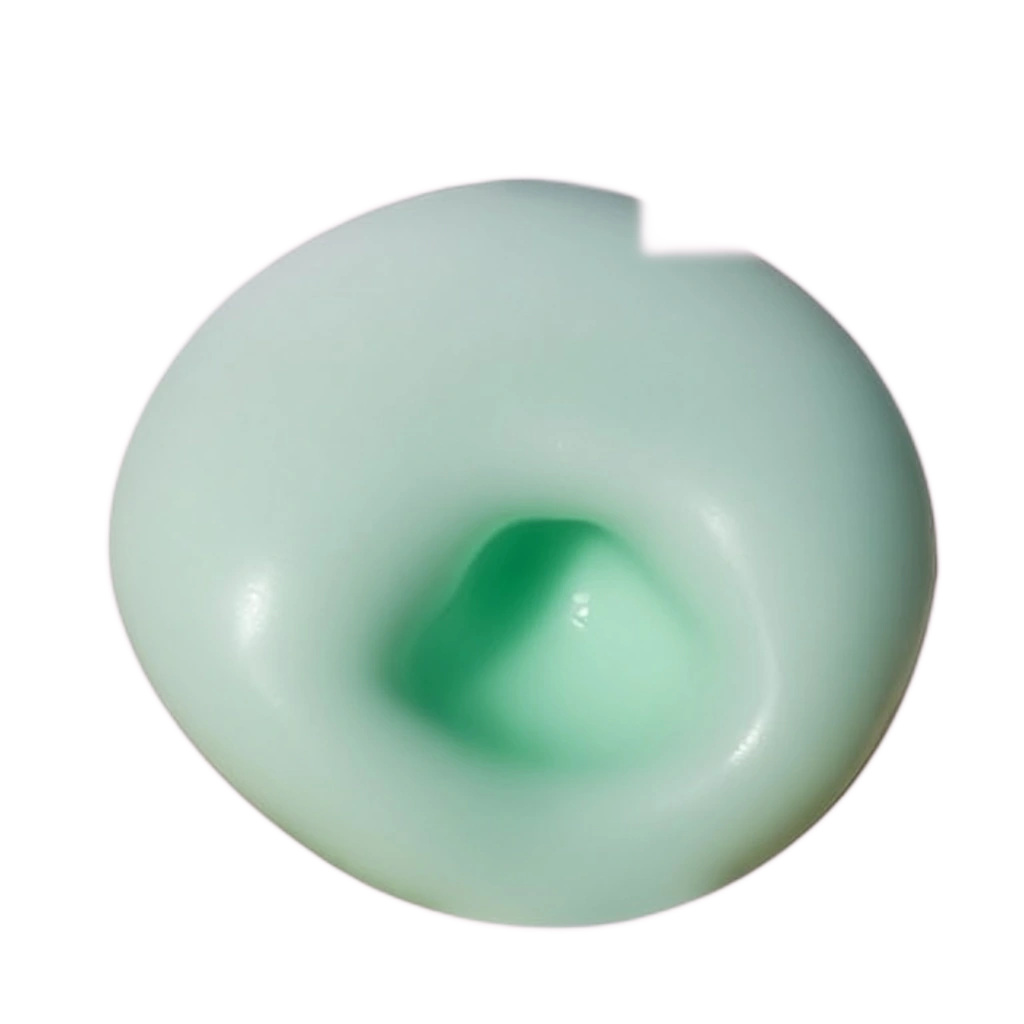
“Mochi” names a shape and a feel, not a material
A mochi squishy is a small, soft, rounded squishy named after the Japanese rice cake. Mochi itself is “a Japanese rice cake made of mochigome, a short-grain japonica glutinous rice” (Wikipedia, Mochi), and the toys borrow its look: plump, pale, palm-sized or smaller, often with a little face. What the word does not tell you is what the squishy is made of or how fast it comes back after a squeeze.
We checked that against our own shop. On 30 September 2026 our Mochi Squishy collection held 58 listings, and we read every one. The word covers foam, silicone, TPR and fluid-filled toys, slow-rising ones and a few that bounce straight back, single pieces and tubs of 130. So “mochi” is the start of the description, not the answer.
What 58 mochi squishy toys say about themselves
Counting what the listings state in their own words:
- Slow-rising: 37 of the 58 describe themselves as slow-rising or slow to rise, and two frog packs say outright that they are not. That is the most common promise.
- A named material or filling: only 9 say what they are made of. Four are silicone (the mochi fox, the two elephants and the bagel), two are foam (the mochi shark and the mochi sheep), one is TPR (the scented cloud), and two are fluid-filled (the sticky bun and the strawberry-and-Oreo daifuku).
- Jelly: three more call themselves jelly or jelly-like, such as the jumbo clear cat paw and the stretchy sticky frogs.
- Size: one listing gives a measurement (the baozi bun, 2 in). The others use words like pocket-sized or palm-sized, and none gives a weight or a rise time in seconds.
- Mini: 13 use the word mini, and 23 are packs of two or more.
The rest describe a feel, “pillowy”, “marshmallowy”, “dense and buttery”, without naming a material. That is common on squishy listings in general, and it is the gap to watch.
Mochi squishies don’t all rise slowly
If you are shopping for slow rise specifically, read past the word mochi. Most of our mochi listings do say slow-rising, but not all of them:
- The 130-piece animal egg squishy mochi set says each one “rounds back out fast”.
- The stretchy frog five-pack says it “springs back quickly (not slow-rising)”.
- The mochi crab manages both in one description: it “sinks slow, then rises back”, and a few lines later “takes a press and springs right back”.
So a mochi squishy can be slow-rising foam, springy TPR, a jiggly jelly or a tacky silicone lump. If the listing does not say slow-rising, do not assume it. Our explainer on slow-rise vs fast-rise squishies covers what makes the difference.
Mini mochi squishies: size by piece count
Because almost no listing gives a measurement, only “pocket-sized” or “palm-sized”, the practical way to judge a mini mochi squishy is by how many come in the pack and what each piece costs:
| Pack | Pieces | Price | Per piece |
|---|---|---|---|
| Slow rising egg squishy bundle | 80 | $27.99 | about $0.35 |
| Animal egg squishy mochi set | 130 | $51.99 | about $0.40 |
| Mini egg squishy mochi animals | 60 | $29.99 | about $0.50 |
| Mochi bunny squishy set | 24 | $19.99 | about $0.83 |
| Bulk dinosaur squishy with tub | 24 | $19.99 | about $0.83 |
| Mini poop squishy pack | 9 | $13.99 | about $1.55 |
Prices are from our catalogue on 30 September 2026. A pack of 80 or 130 for under a dollar a piece tells you these are small party-bag and egg-filler sizes, not something that fills a palm. Most of the collection is sold one at a time instead: 34 of the 58 listings are single $17.99 toys, many of them mochi animal squishies like the mochi dog squishy and the mochi rice ball squishy.
Mochi squishy vs taba squishy
The two get mixed up because both are small, soft and cute. The difference is in the name’s job:
- Taba squishy points to a material and a method: poured or moulded silicone, usually with a slightly tacky skin. Our post on what a taba squishy is goes through where that name comes from.
- Mochi squishy points to a look: round, soft, rice-cake-like. It can be silicone, and four of ours are, which is why you will see the same toy called both. It can equally be foam or TPR.
In short, every silicone mochi squishy is close to a taba, but most mochi squishies are not taba squishies.
How to read a mochi listing before you buy
- Look for a material word: foam, silicone, TPR, or a filling like fluid or gel. If there is none, you are buying the look.
- Look for slow-rising, or its opposite: springs back, bounces back, rounds back out fast.
- Count the pieces and divide the price to see whether it is a mini or a hand-sized piece.
- Check for sticky or powdery words if you care how the surface feels. Six of our mochi listings describe themselves as sticky or tacky, and one mentions a soft, powdery feel.
FAQ
What is a mochi squishy made of?
It depends on the toy. “Mochi” describes the rice-cake shape and soft feel, not a material. Among the 58 listings in our Mochi Squishy collection, the ones that name a material are silicone, foam or TPR, and a few are fluid-filled or jelly. Most do not name one at all.
Are mochi squishy toys slow-rising?
Many are: 37 of our 58 mochi listings say slow-rising. Some are not, and a few describe a fast spring-back. Check the listing for the words slow-rising before you rely on it.
How big is a mini mochi squishy?
Listings rarely give a size, so use the piece count. Packs of 60 to 130 come to well under a dollar a piece and are small filler sizes. Single mochi squishies are described as pocket- or palm-sized, but only one of our 58 listings gives an actual measurement.
Is a mochi squishy the same as a taba squishy?
Not usually. Taba means moulded silicone; mochi means the rounded rice-cake look. A silicone mochi squishy overlaps with both names, but foam and TPR mochi squishies are not tabas.