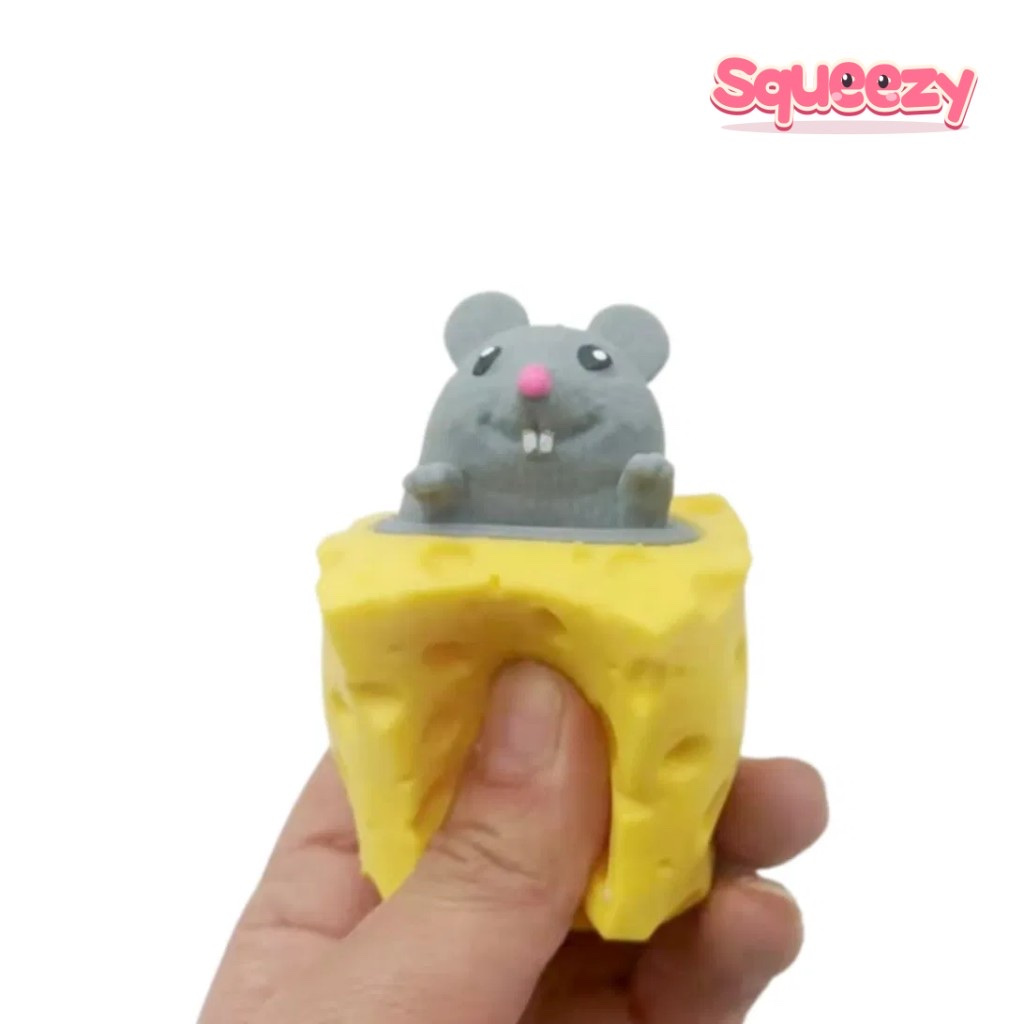
 Cheese Squishy
 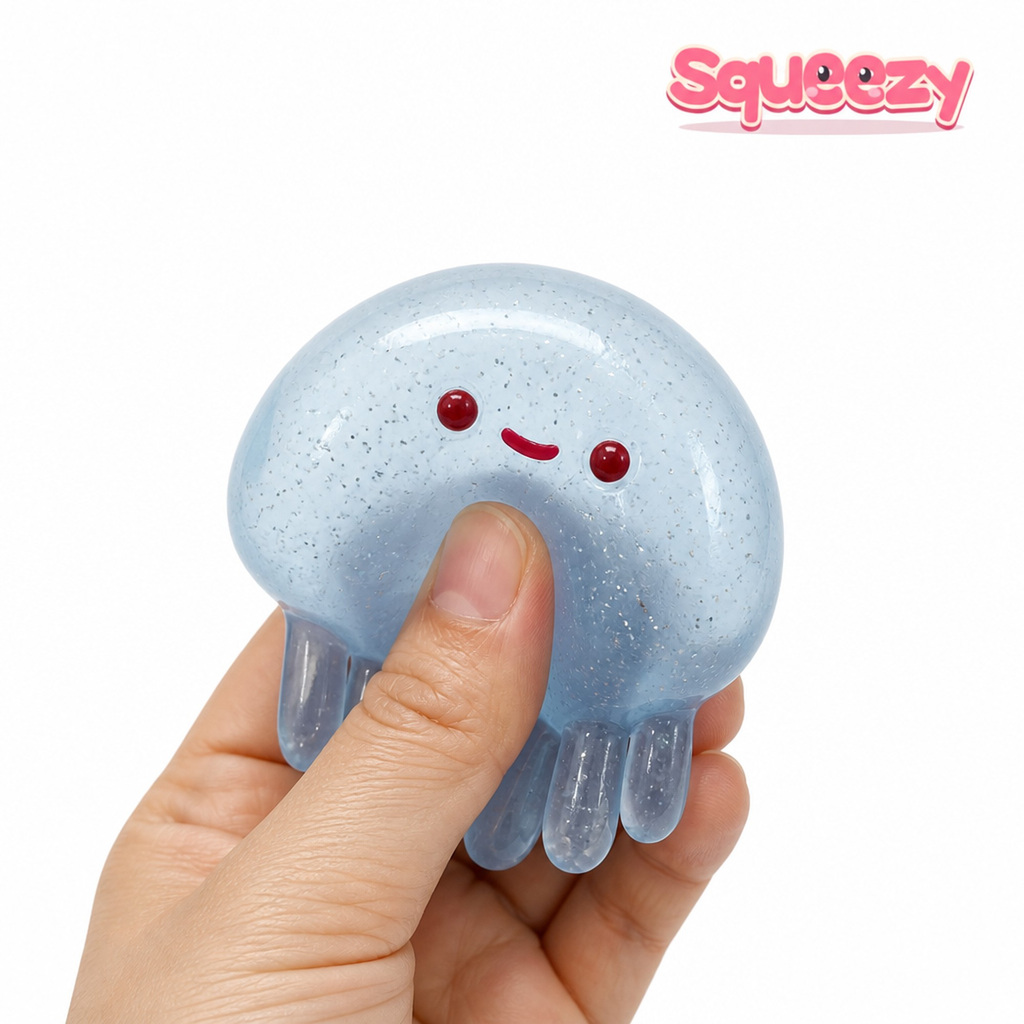 Jellyfish Squishy
 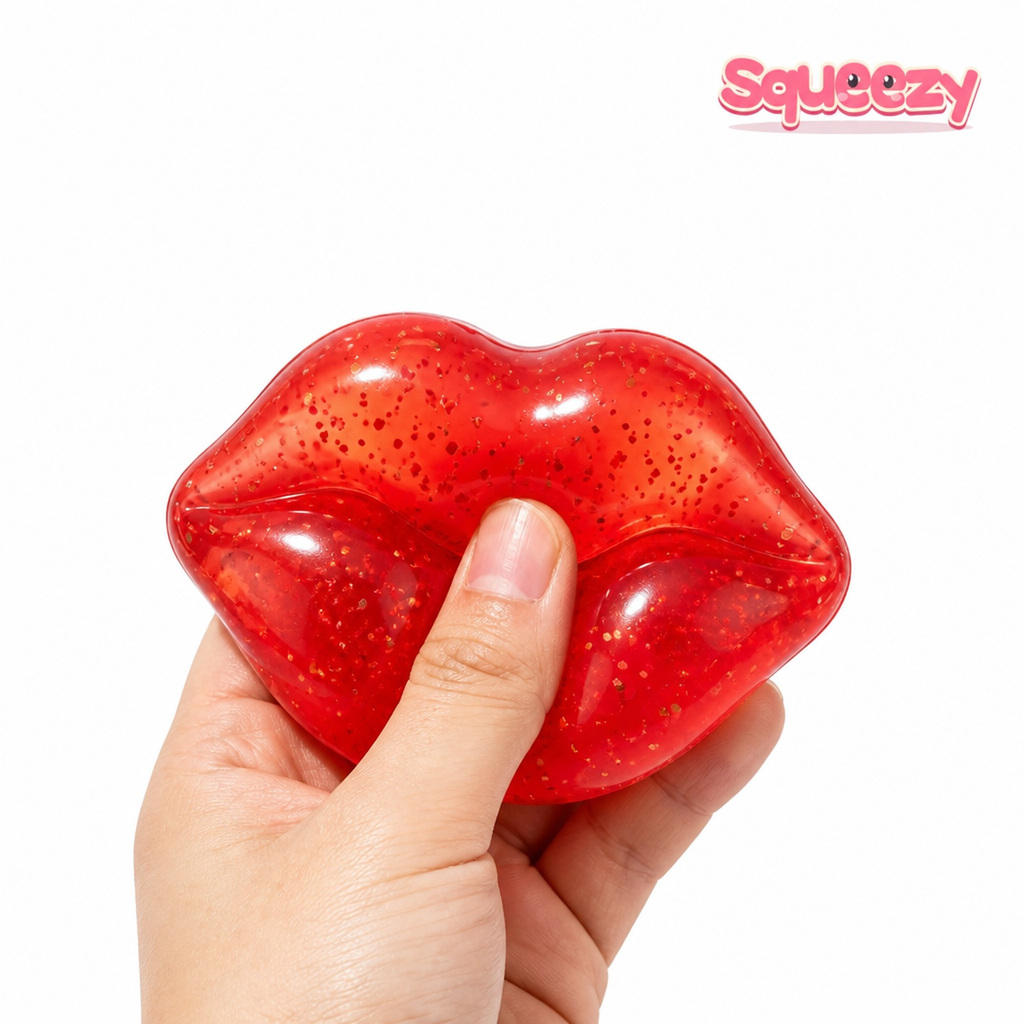 Jumbo Lips Squishy
 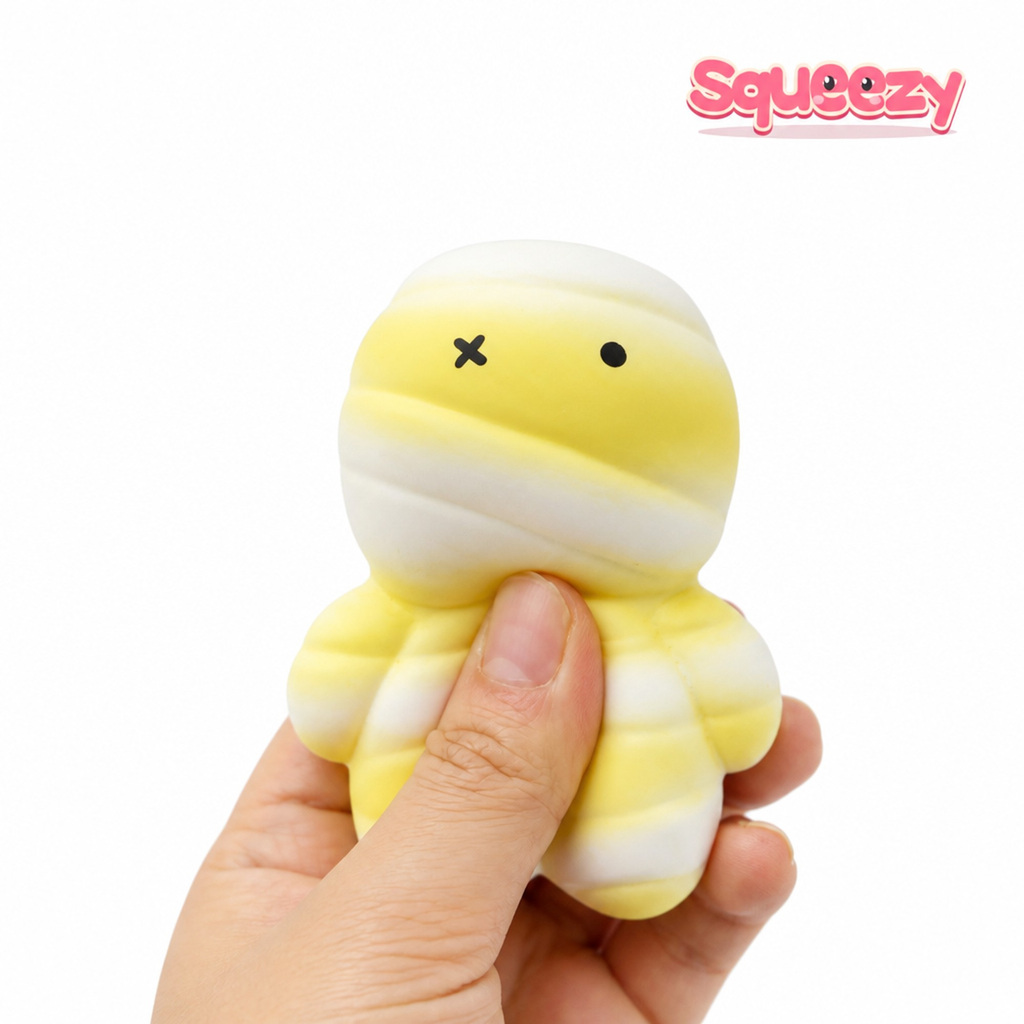 Mummy Squishy
 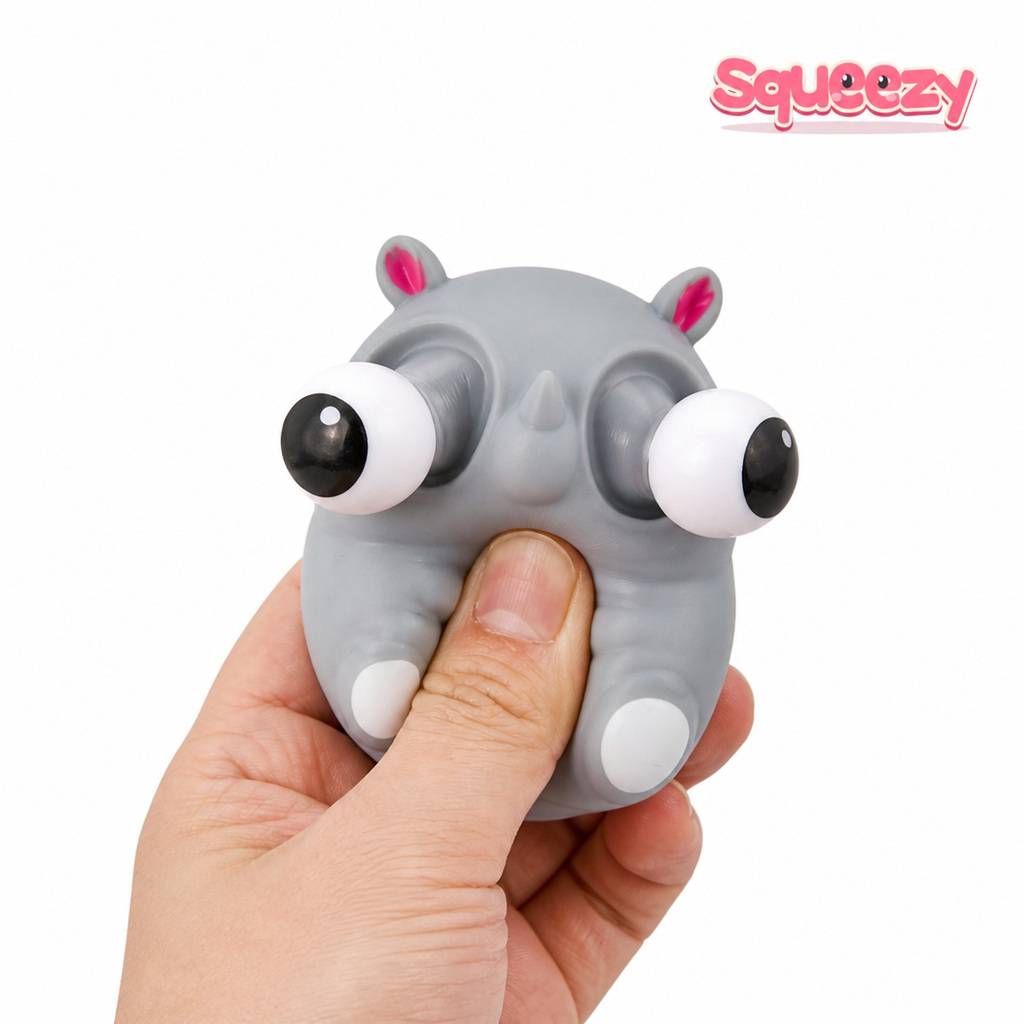 Pop-Eye Rhino
 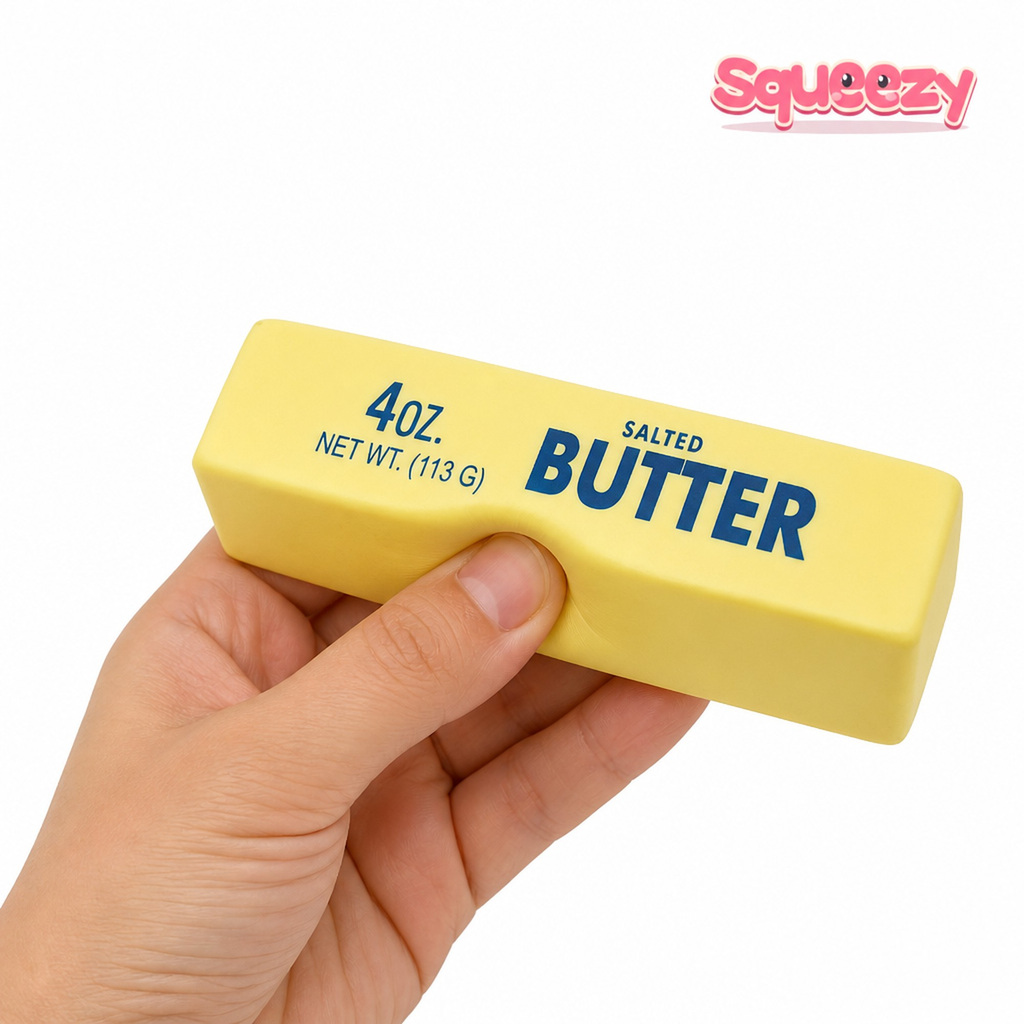 Salted Butter Stick
 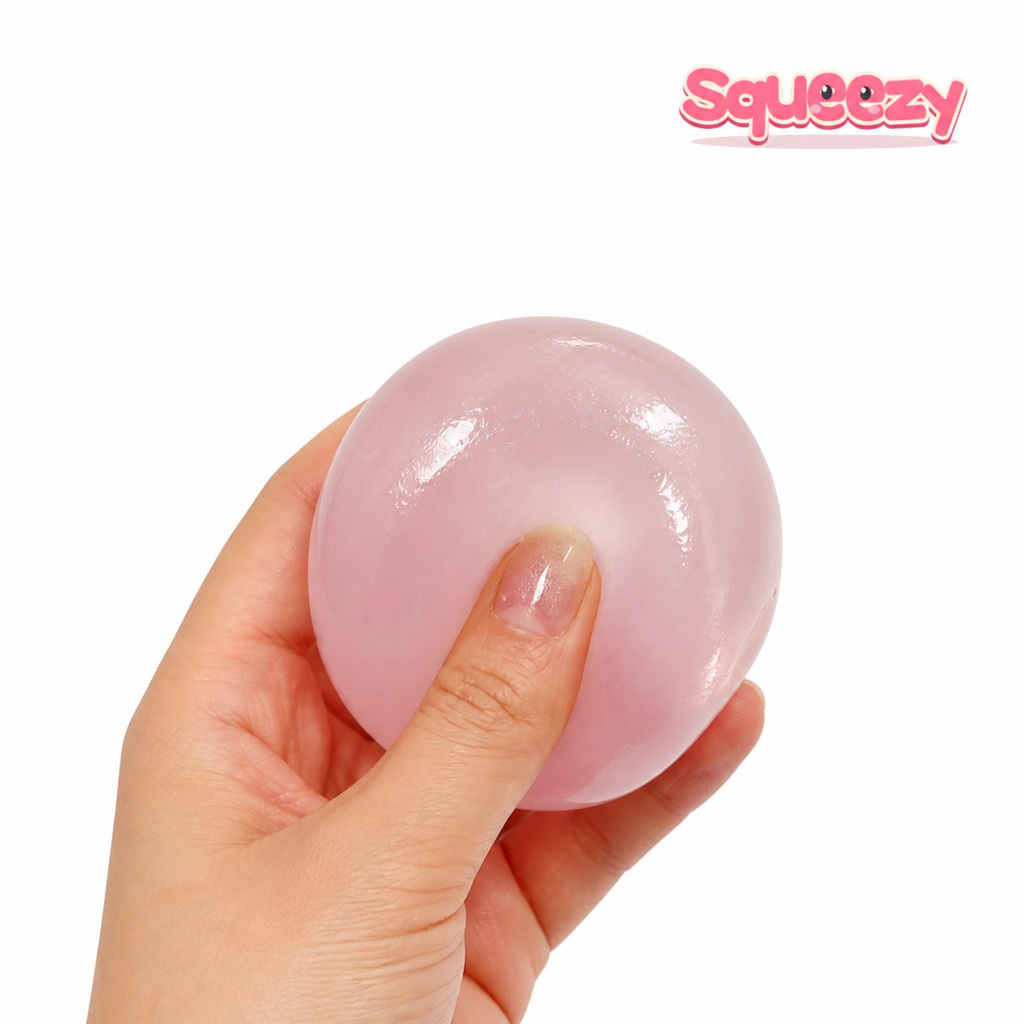 Pink Lychee
 Check a gel filled stress ball before squeezing
If your gel filled stress ball feels different, check its condition before trying to soften it. A firm, intact toy and a torn or leaking one need different responses. Stop using a damaged toy; for an intact one, find the exact model’s care directions. Do not turn a missing temperature instruction into a fridge, freezer or heating experiment.
This guide brings together manufacturer instructions, the US Consumer Product Safety Commission’s warnings and our order-help process. It does not diagnose a filling from a photograph or report a Squeezy temperature test.
Four states, four next steps
Use this table to sort what you can actually observe. It is a decision aid, not a test of whether a toy is safe.
| What you see | What to do next | What the observation does not prove |
|---|---|---|
| Firm, with no visible tear or escaping contents | Check the model label and its care instructions before more handling | That cold caused the change, or that warming is allowed |
| A tear, puncture, leak or deteriorating surface | Stop use and keep the damaged toy and escaped contents away from children | That a patch would restore the toy for use |
| A toy that has been heated, or hot escaped contents | Stop handling it; keep children away and seek appropriate help if someone was exposed | That cooling the contents makes them suitable to handle |
| No readable maker or model information | Set it aside and ask the seller for identification and instructions | That another brand’s directions apply |
The CPSC’s squishy-toy alert advises stopping use when a toy is torn, punctured, leaking, sticky, unusually soft, discolored or deteriorating. It also warns about strong chemical odors, oily surfaces and missing manufacturer information. A toy does not need to burst dramatically for a change to matter.
Inspect visually rather than pressing harder to see whether more filling appears. If contents have already escaped, leave the toy out of play while you arrange cleanup or advice. Do not invite a child to demonstrate the leak for a video.
Firm after sitting: check the named model
Schylling’s FAQ says NeeDoh toys can feel firmer after sitting, particularly Nice Cube and Gumdrop. Its advice is to use warm hands and gentle kneading. That is guidance for those named toys in an intact condition; it is not a repair for a split shell, and it does not establish the cause of every change in a gel stress ball.
Read the warning alongside the care suggestion. Schylling’s pages for Nice Cube and Gumdrop prohibit heating, freezing and microwaving. Both also warn about small parts and say they are not for children under three. Those warnings belong with the model-specific advice, rather than being replaced by it.
If the toy is another brand or an unidentified model, ask for its own directions. Similar resistance in your hand is not enough to transfer the NeeDoh instructions.
Cold storage is a label question
A freezer prohibition does not tell you which refrigerator temperature or length of storage is acceptable. The Nice Cube and Gumdrop pages linked above do not supply a refrigerator schedule. This guide therefore gives no fridge hours, temperature target or cold-weather recovery recipe for those toys or for an unknown gel squishy.
Do not use a microwave, hot water, a heater or a hot car to reverse a change in feel. The CPSC warns against intentionally heating these toys and leaving them in hot environments. Keeping a toy beside a heat source is not equivalent to the manufacturer’s warm-hand instruction.
For an intact toy that feels different after a journey, note what changed and ask about that exact model. If it is also leaking, torn or deteriorating, use the stop-use route instead. A possible explanation for firmness does not cancel visible damage.
What is inside a gel stress ball?
There is no single filling you can assign to all gel squishies from their names. Schylling’s FAQ describes most NeeDoh toys as having a thermoplastic-rubber exterior and polyvinyl-alcohol filling. It separately identifies the Nice Cube filling as 100% maltose. That distinction is a reason to check the model rather than infer an ingredient from the word gel.
These are manufacturer descriptions of those products. They do not identify an unrelated toy’s contents, establish that a filling is edible or certify a finished toy as safe. Do not open a shell to try to match its contents to an online ingredient description.
The Jellyfish Squishy pictured with this article is a Squeezy product example. The image shows a pale-blue jellyfish shape with sparkly details and hanging tentacles. It is not a Nice Cube or Gumdrop care demonstration, and we do not assign those models’ filling or temperature directions to it. For an order question, send us the product name and label information you have.
Make a short observation record
Use the blank card below when contacting the maker or seller. Filling it in should not require another squeeze, a heating trial or contact with escaped material.
| Field | Your note |
|---|---|
| Product name, maker and model from the label | ______ |
| Relevant care warning printed on the packaging | ______ |
| Date you first noticed the change | ______ |
| Visible change: firmness only, tear, leak or surface change | ______ |
| Order reference and photo already available, if applicable | ______ |
Keep observations separate from guesses: “a split beside the seam” is more useful than “the filling must have frozen.” Leave a field blank if the information is missing. Do not present a guessed ingredient or a friend’s care tip as something printed on your label.
If contents escape, stop play first
The CPSC advises keeping damaged toys and released contents away from children and avoiding bare-skin contact with hot gel from a heated or burst toy. Cleanup is not a repair: removing a spill does not put the damaged toy back into use.
For an exposure question in the United States—such as swallowed material or filling contacting skin or eyes—the National Capital Poison Center’s squishy-toy guidance directs readers to Poison Control at 1-800-222-1222 or webPOISONCONTROL. It advises calling 911 for choking or trouble breathing or swallowing. Outside the US, use the appropriate local poison or emergency service. Do not wait for a shop reply when urgent help is needed.
Reporting a Squeezy order problem
For a damaged, incorrect or incomplete Squeezy delivery, use our contact page with the order reference, checkout email and clear photos of the issue. Under the refund policy, a request needs to be raised within 30 days of delivery; that window is not an automatic refund approval. Follow the instructions we send before mailing an item back.
The policy excludes damage caused by misuse, including chewing, cutting, heat exposure or harsh chemicals. Legal consumer rights still apply. Describe the condition as it arrived and any later handling accurately, rather than trying a repair before reporting it.
FAQ
Can I put a gel filled stress ball in the fridge or freezer?
Use the exact model’s instructions. Nice Cube and Gumdrop explicitly prohibit freezing, and their cited pages provide no refrigerator time or temperature. For an unidentified toy, ask the maker or seller instead of borrowing another model’s cold-use advice.
Can I fix a leaking gel stress ball with glue?
Stop using a leaking toy. Neither the CPSC alert nor the model guidance cited here supports returning a patched shell to play. Keep the damaged toy and escaped contents away from children, then arrange advice, disposal or an order report as appropriate.
Does a firm toy mean its filling has gone bad?
Firmness alone does not identify the contents or the cause of a change. Schylling describes firmness after sitting for some NeeDoh models, but visible damage, leaking or deterioration still calls for stopping use. Check the condition and label together rather than diagnosing from feel.