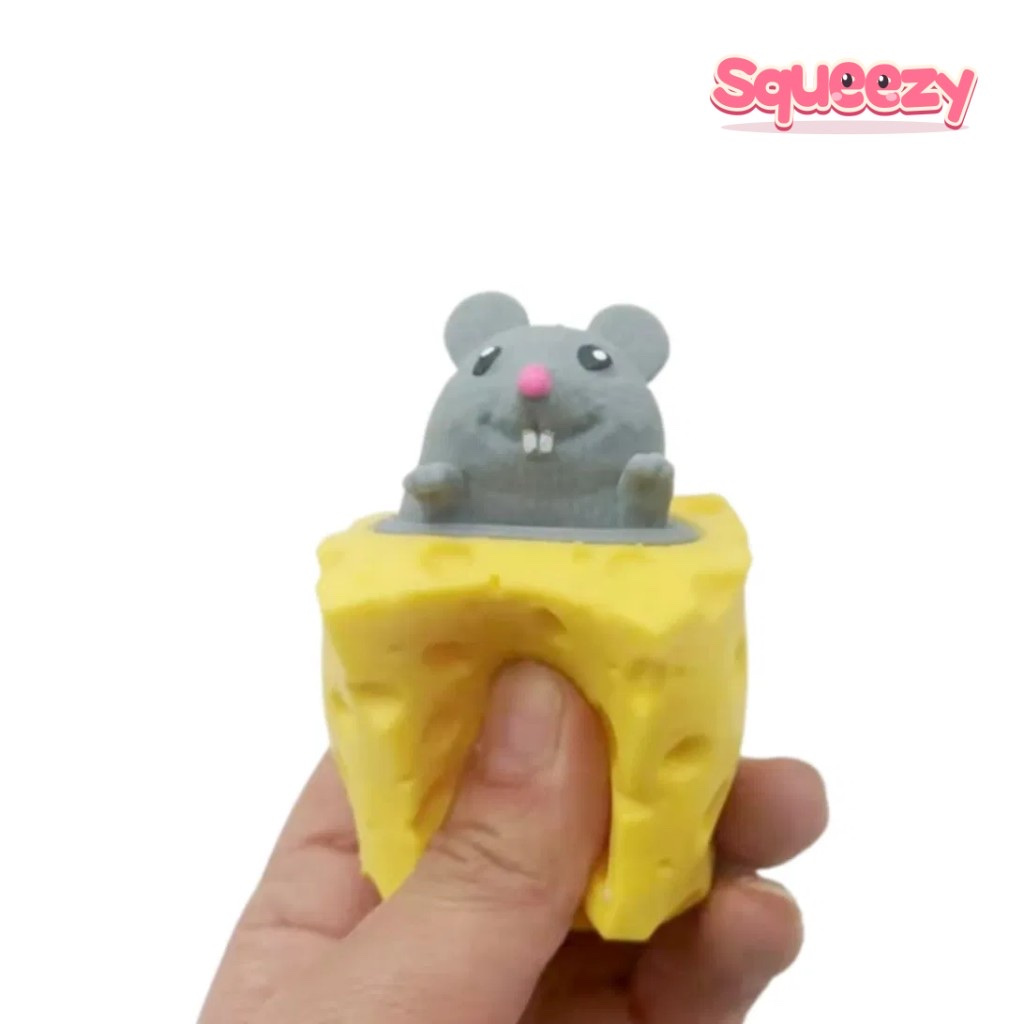
 Cheese Squishy
 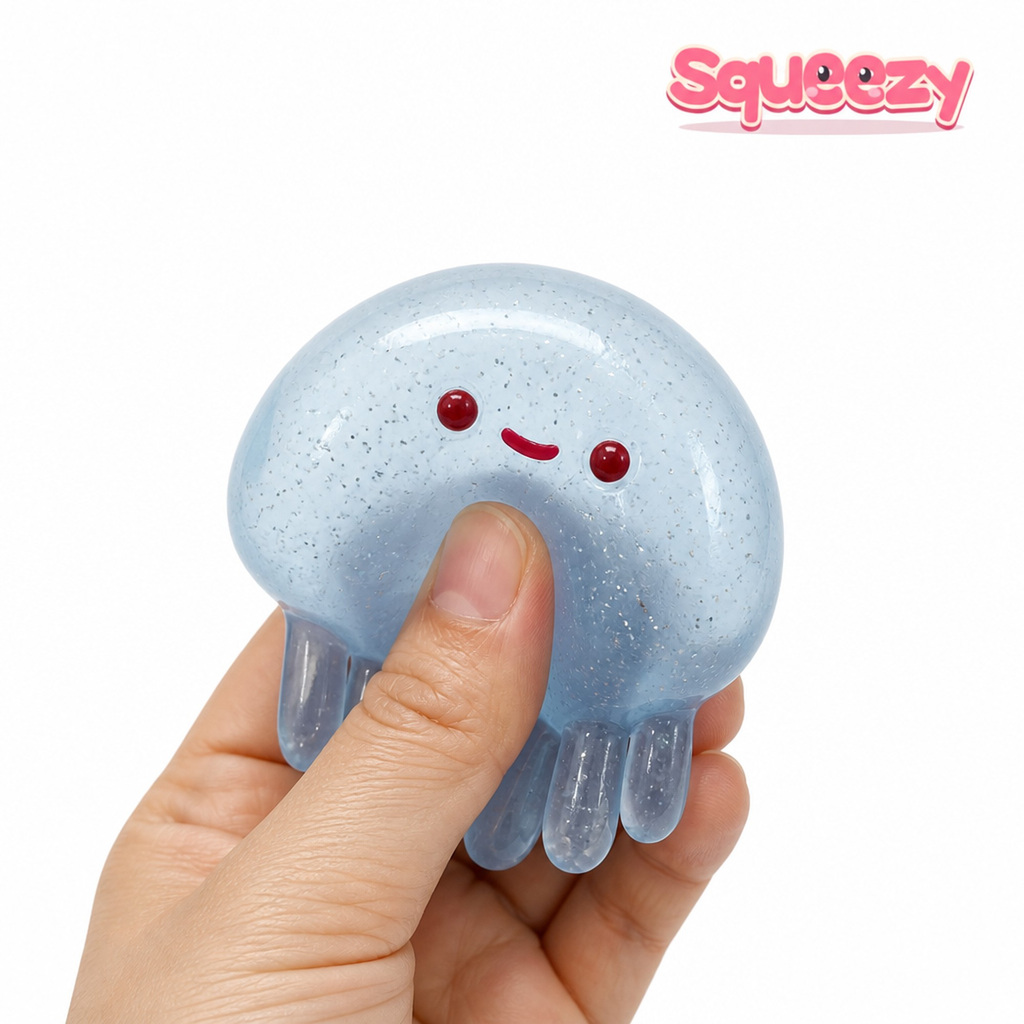 Jellyfish Squishy
 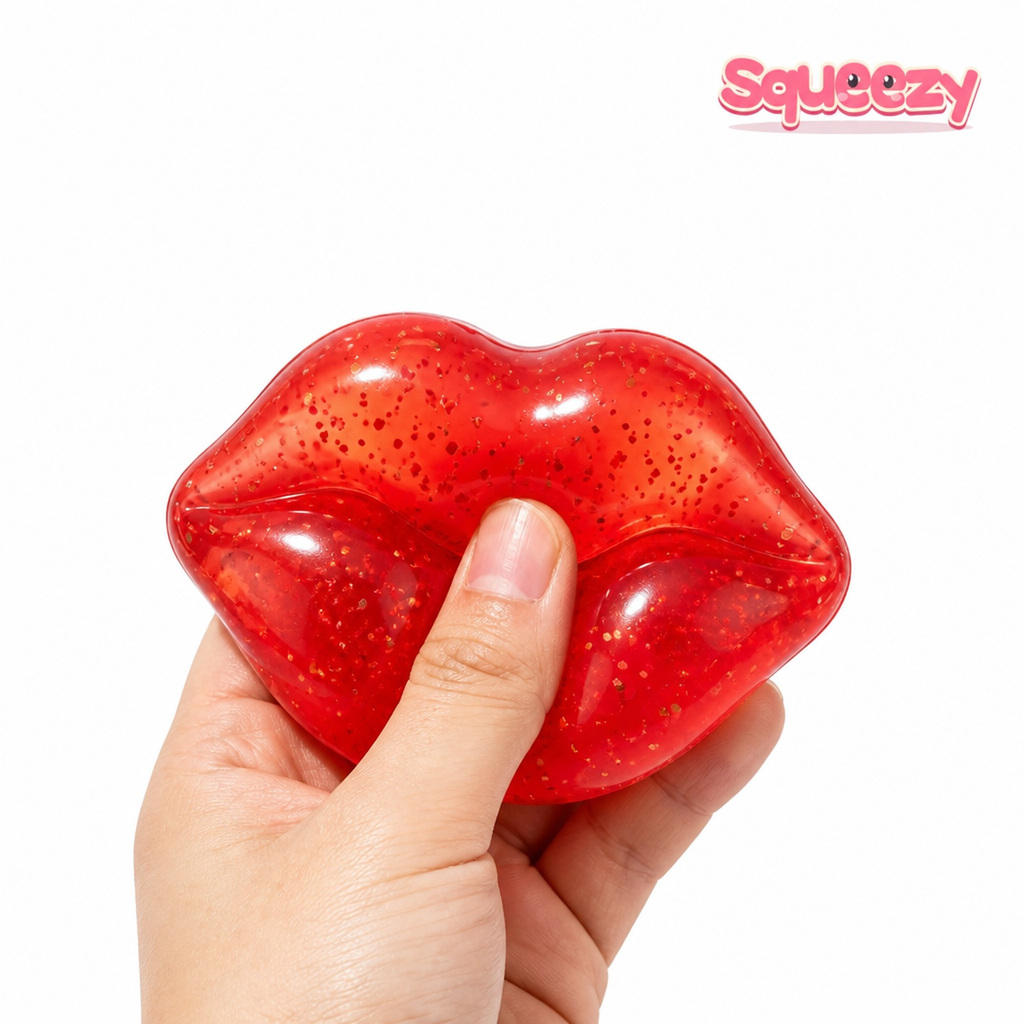 Jumbo Lips Squishy
 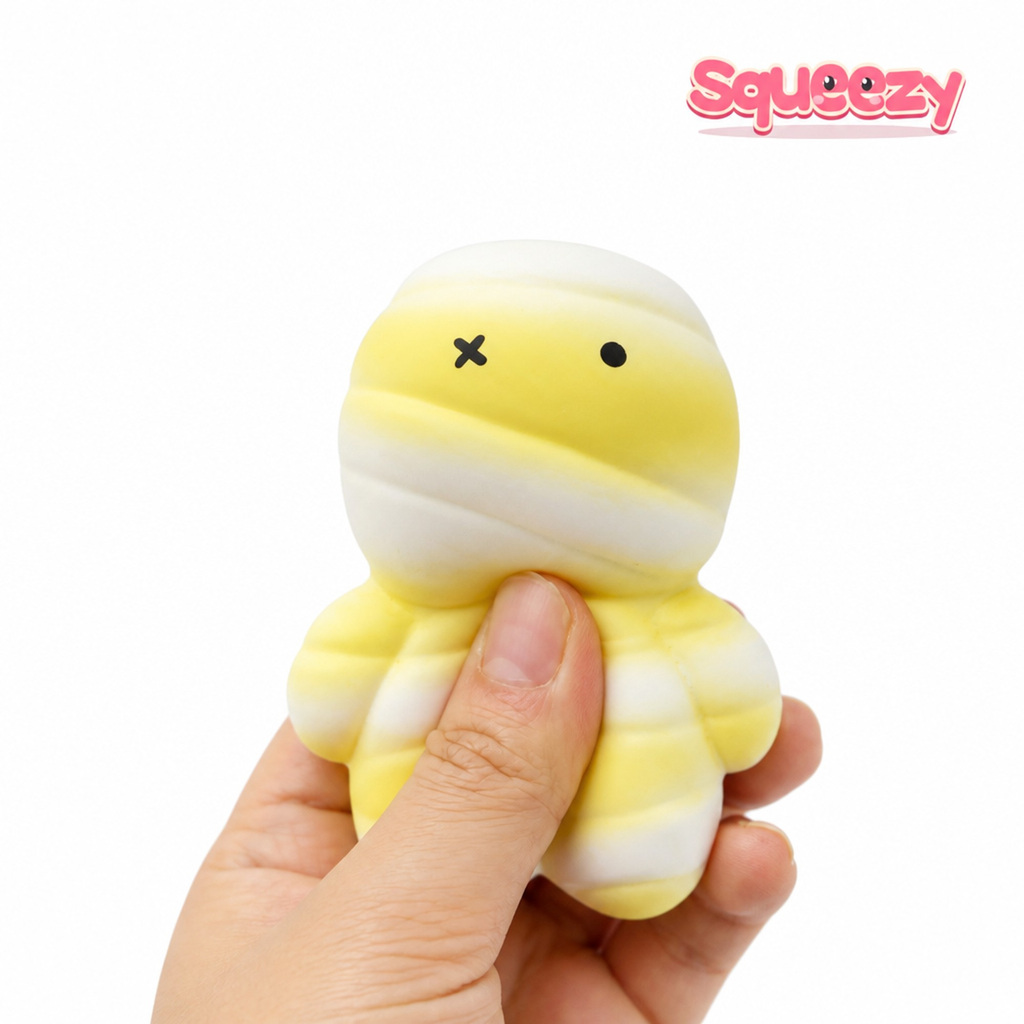 Mummy Squishy
 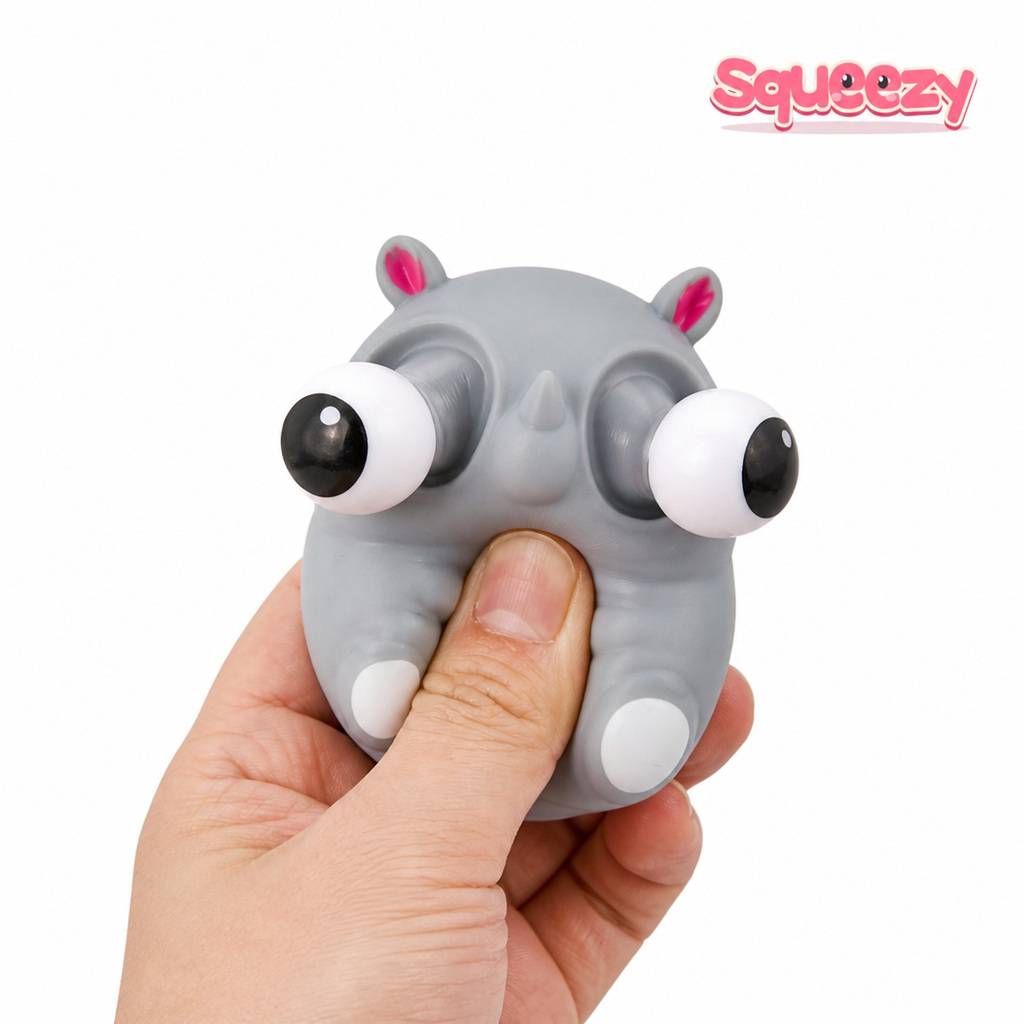 Pop-Eye Rhino
 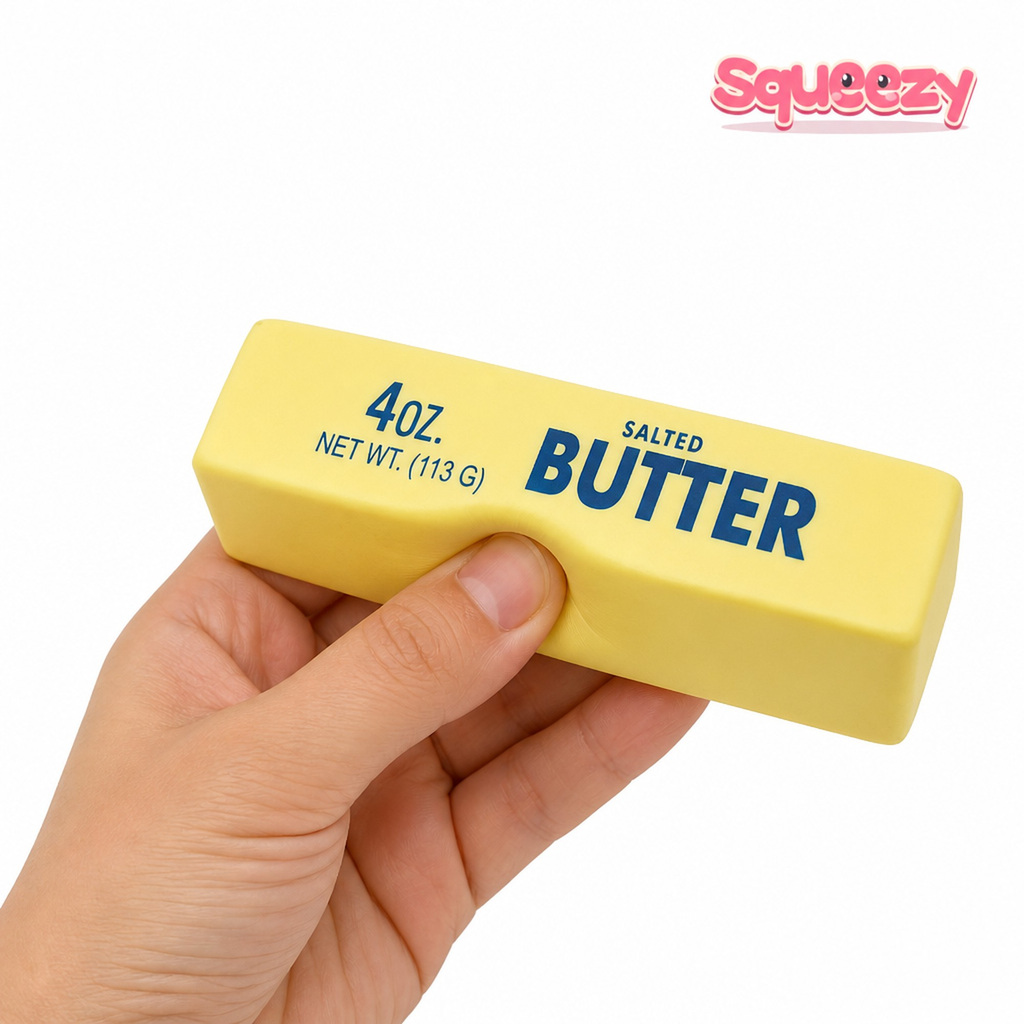 Salted Butter Stick
 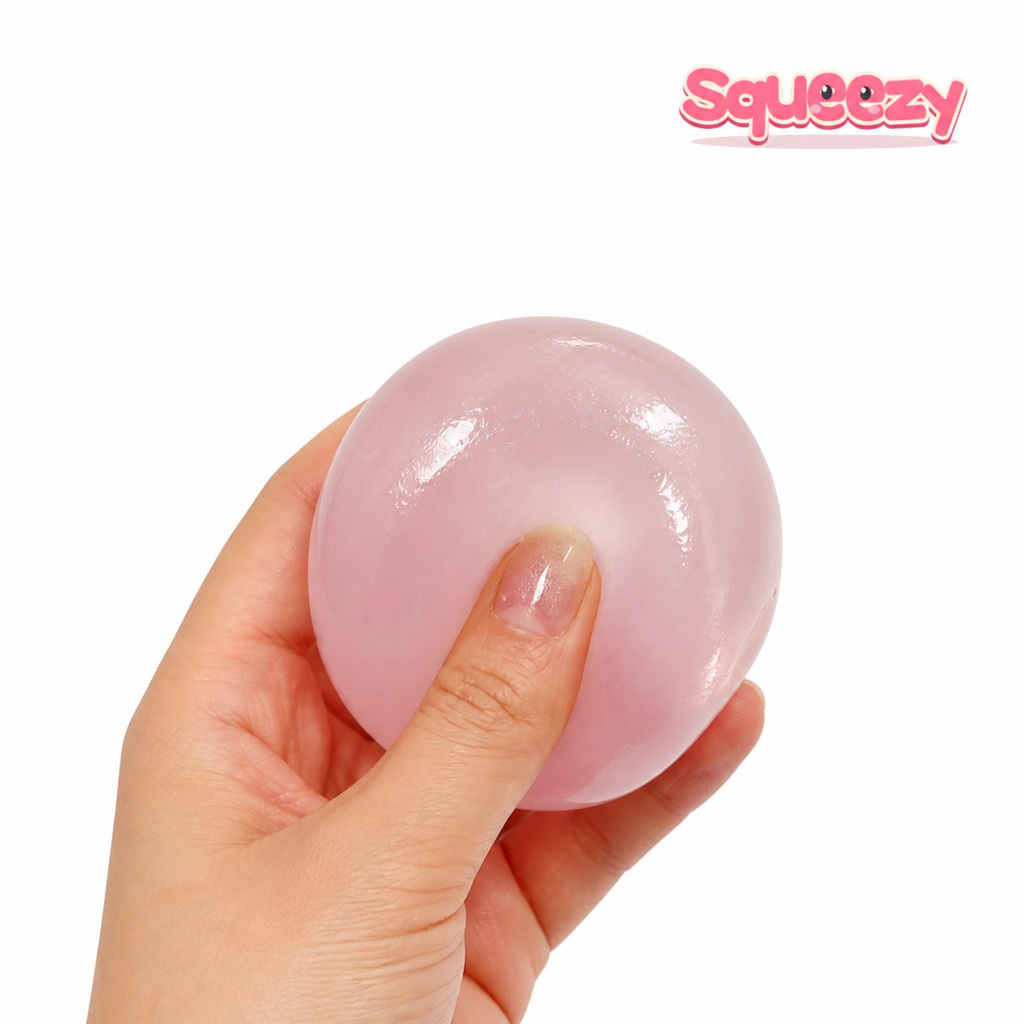 Pink Lychee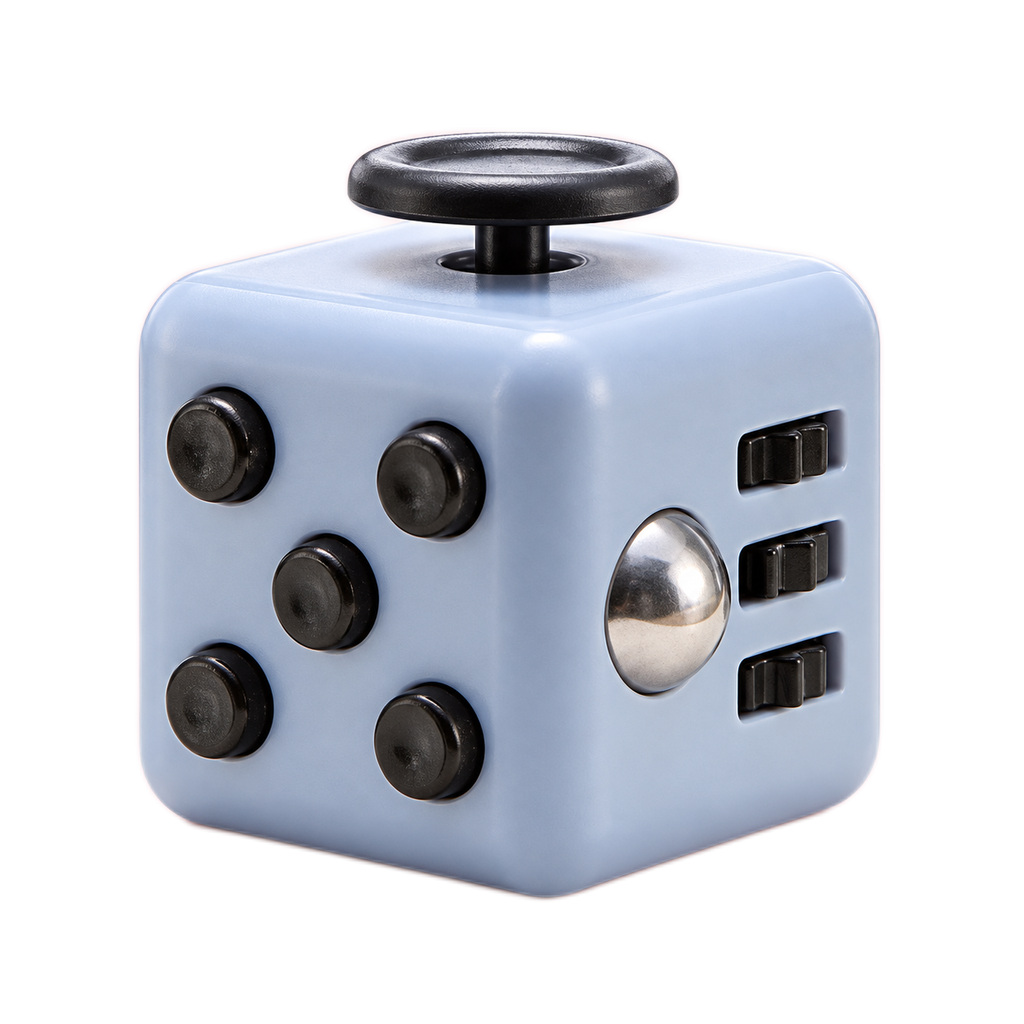
Choose the motion for your DIY fidget toy
Choose a DIY fidget toy idea by the motion you want to make: open and close paper folds, turn a flexagon through its faces, or move compatible construction bricks. Start with the relevant source instructions and have an adult check the finished craft. These projects do not promise quieter use, better concentration or stress relief.
A DIY sensory toy search can lead to very different projects. Decide what you intend to build before gathering materials or combining instructions. These three choices have separate starting points:
| Motion to explore | Starting materials | Instruction route |
|---|---|---|
| Open and close repeated paper folds | A sheet of paper | The simple accordion adaptation below |
| Turn a folded square to reveal another face | Paper or thin card, marking tools and tape | Follow NRICH’s tetra-flexagon diagrams |
| Move a joint made from construction pieces | Compatible bricks and connector parts | Follow the manufacturer’s construction guidance |
Choose one route for the first attempt. A folded-paper project is not a recipe for a filled squishy, and a moving-brick build is not an instruction to dismantle a shop-bought cube.
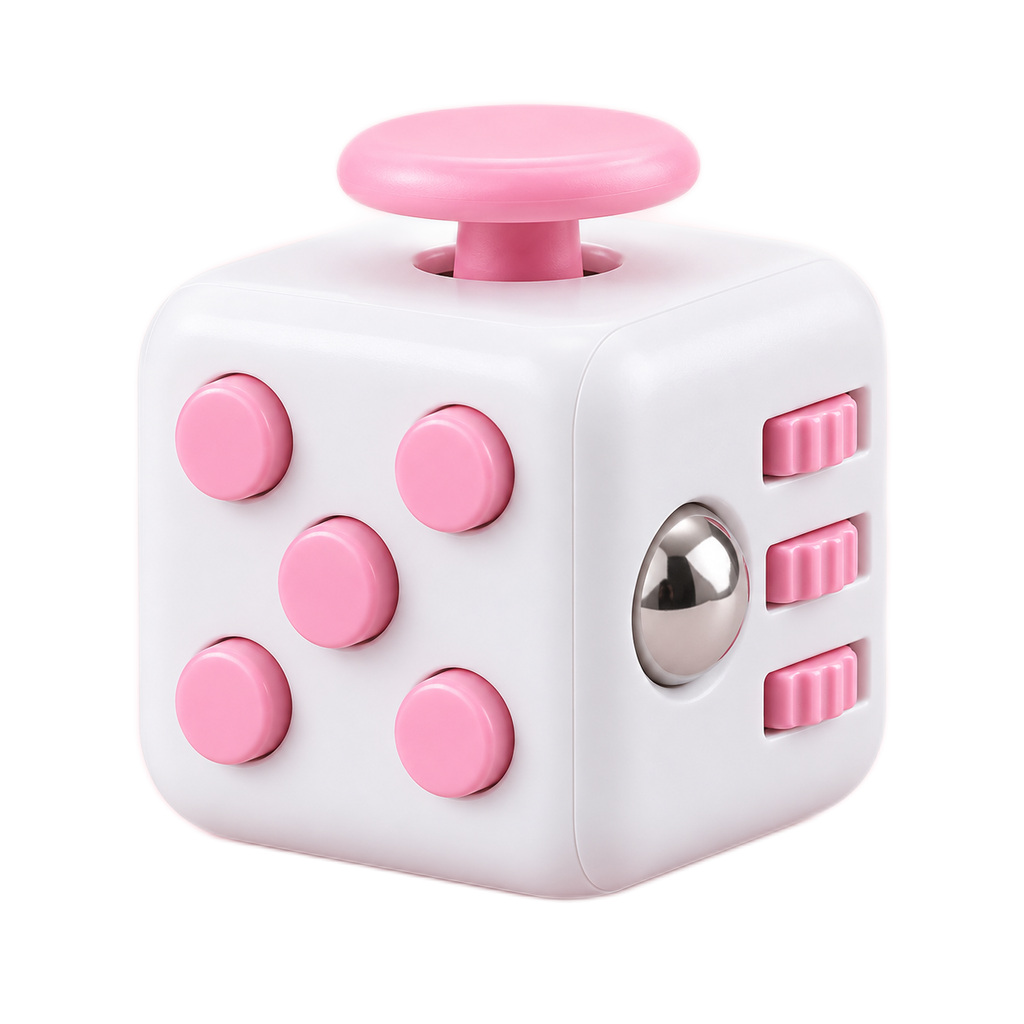
The cube pictured with this guide is a ready-made blue-gray fidget cube. Its photo is a visual example of a different kind of hand toy, not a photograph of a completed DIY project.
Idea 1: an unfilled paper accordion
NASA’s Earth fan directions demonstrate folding paper alternately forwards and backwards. The complete Earth fan uses three printed sections, glue and craft sticks. The short exercise here borrows only the alternating-fold motion; it is our paper adaptation, not a NASA-tested fidget toy.
- Place a sheet of paper flat and fold a narrow strip along one edge.
- Turn the sheet over and fold the next strip back in the opposite direction.
- Repeat the alternating folds across the sheet.
- Gently open and close the folded paper to see whether it moves as intended.
There is no filling or hidden mechanism in this exercise. Leave it as folded paper rather than adding an improvised sealed pouch. If a crease tears or the sheet separates, stop handling it and make a fresh version with the responsible adult.
Try a first fold that is easy to repeat across the sheet. Matching the folds is a craft goal, not a measurement of durability. We have not tested a paper weight, fold width, number of repetitions or sound level for this project.
Idea 2: a diagram-led tetra-flexagon
NRICH’s tetra-flexagon activity starts with six connected squares, marks both sides, folds the strip and joins it with tape. The finished square can be turned through different numbered faces. It offers a different motion from compressing an accordion.
Open the source’s illustrated instructions before starting. Draw or print its layout and follow the numbered faces and fold orientation in the diagrams. Do not substitute a guessed fold sequence just because the first square looks right: the arrangement of the marked sides is part of the construction.
This is a source-led activity rather than a new flexagon pattern developed by Squeezy. If the folded square will not turn, return to the diagrams with the adult helping you. Do not force a stiff fold or keep using it after the paper or taped joint comes apart.
Keep the first attempt beside the instructions until you have checked its orientation. That makes it easier to see whether the construction matches the pattern without adding extra tape wherever movement seems difficult.
Idea 3: moving construction-brick joints
LEGO’s fidget-building guide discusses moving builds using elements such as pins, axles and connectors. Use the construction guidance for the parts you have, with their applicable age and safety information.
Begin with the motion shown by the instructions, then check that your parts are the compatible kind required. Do not cut pieces, force an incompatible connection or take apart a finished toy to extract an unknown mechanism.
This guide does not supply a tested joint recipe for arbitrary loose bricks. The manufacturer’s page is useful for construction ideas; we are not adopting its wider claims about wellbeing or concentration as proof of an effect from your build.
If you lack the required connector, choose a paper route or obtain suitable parts instead of inventing a substitute under pressure. A successful assembly and permission to use it in a particular room are separate checks.
Check the finished craft before handling
Have a responsible adult handle cutting and assembly where needed and supervise children’s handling. Clear away offcuts and unused loose pieces before offering the finished craft. Check for torn folds, lifting tape or a joint that comes apart; stop and re-check a project when its construction changes.
Look for age and safety instructions for the actual parts you use. CPSC’s general toy guidance says to respect the packaging’s age and safety directions. Keep toys that have small parts, as well as small balls, away from under-threes, following CPSC’s advice. Checking a homemade craft’s folds and joints does not give it an approved age grade or certify it as safe.
Do not add loose high-powered magnets to these projects. The CPSC’s magnet guidance explains that when two or more magnets are swallowed, they attract inside the body and can cause serious injury. Leaving that ingredient out does not make every other homemade construction safe.
These instructions cover paper folds and compatible moving construction parts. They do not cover balloon filling, electronics, batteries or dismantling pens. If that is the project you want, find instructions and safety information specific to it rather than attaching those steps to this guide.
FAQ
How to make a fidget toy from paper?
For a paper fidget toy, choose the simple accordion if you want to practise repeated folds without a marked pattern. Choose the tetra-flexagon if you want to follow a numbered diagram. Both still need an adult’s judgement about the materials, construction and intended user.
Will a homemade fidget be quiet enough for class?
No sound test is supplied here. Ask the teacher whether the activity or finished craft is permitted, and check the actual result in its intended setting. Its materials alone do not prove quiet use.
Can I add a magnet or a pen-clicking mechanism?
Those additions are outside these instructions. Loose high-powered magnets carry ingestion risks, and a salvaged mechanism needs its own assembly and safety information. Use one of the documented routes rather than treating an improvised addition as an equivalent step.