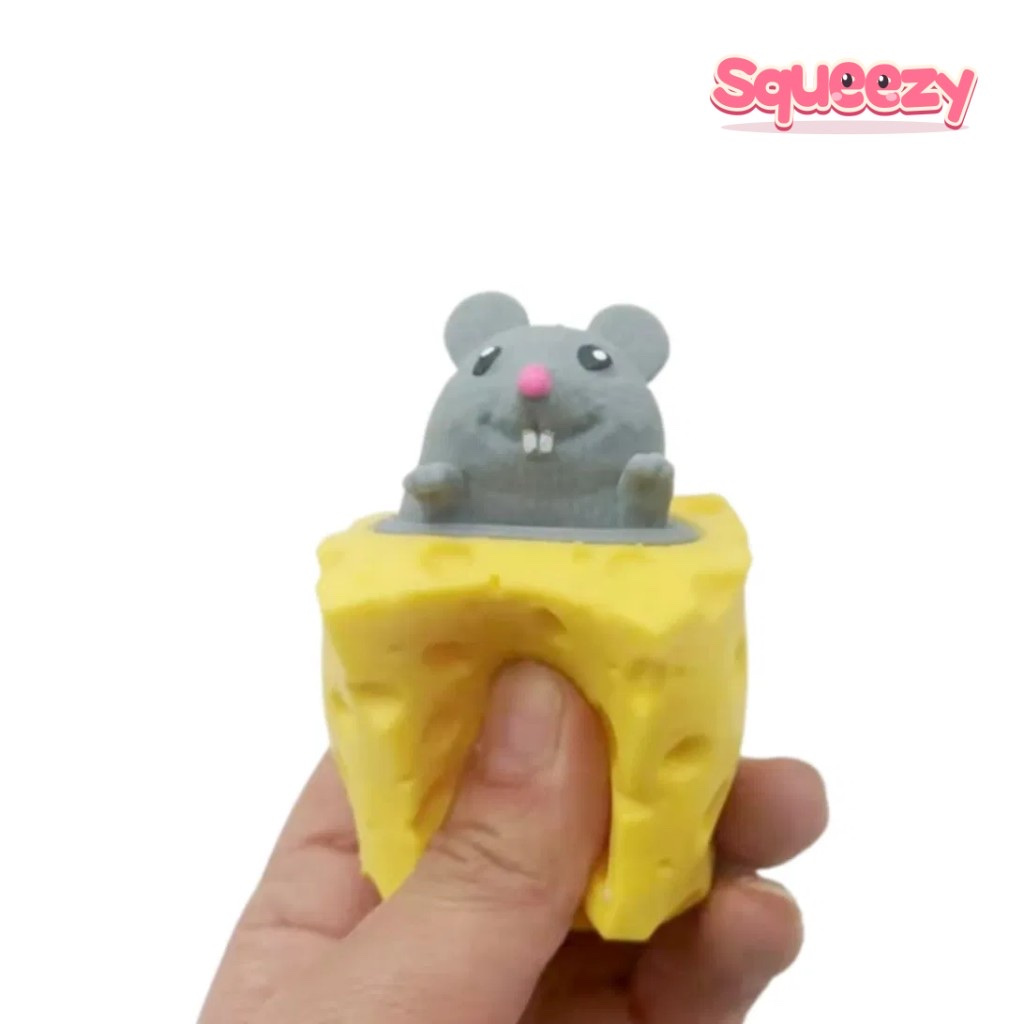
 Cheese Squishy
 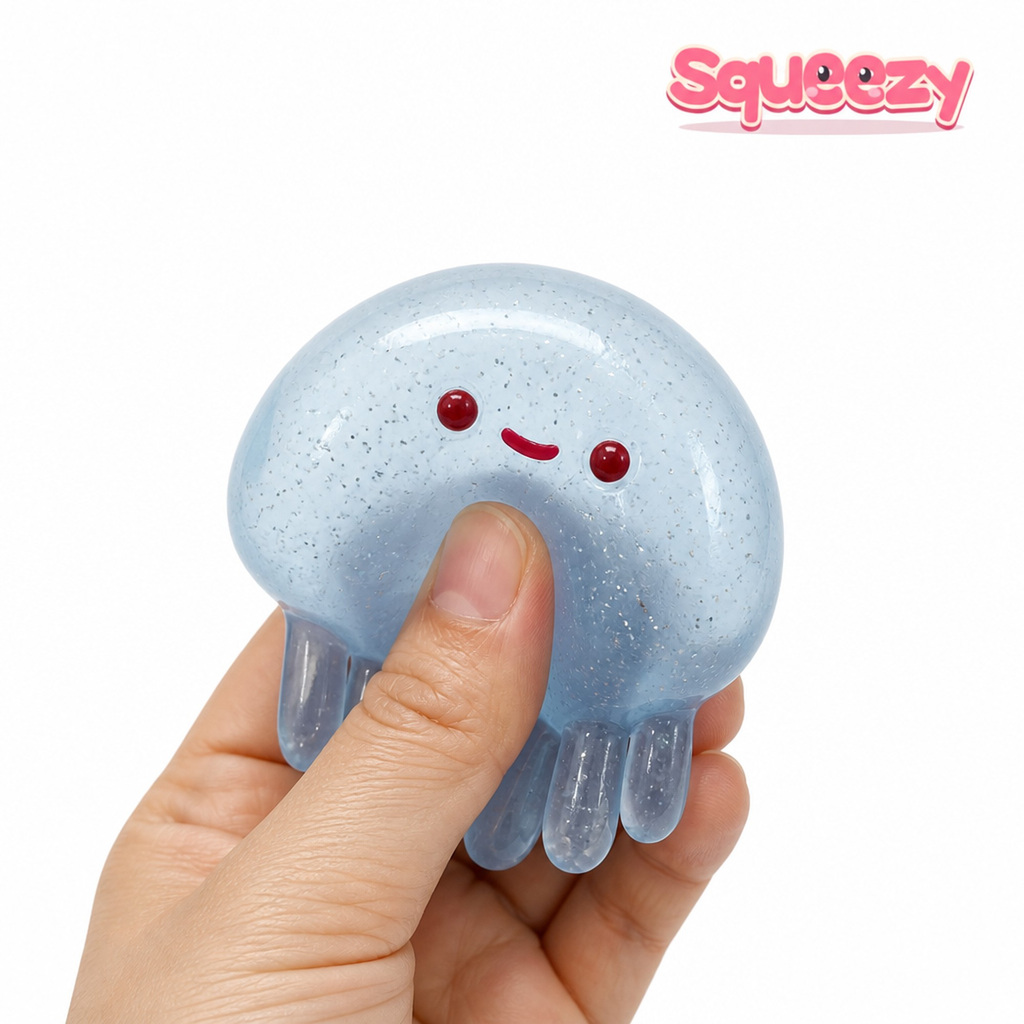 Jellyfish Squishy
 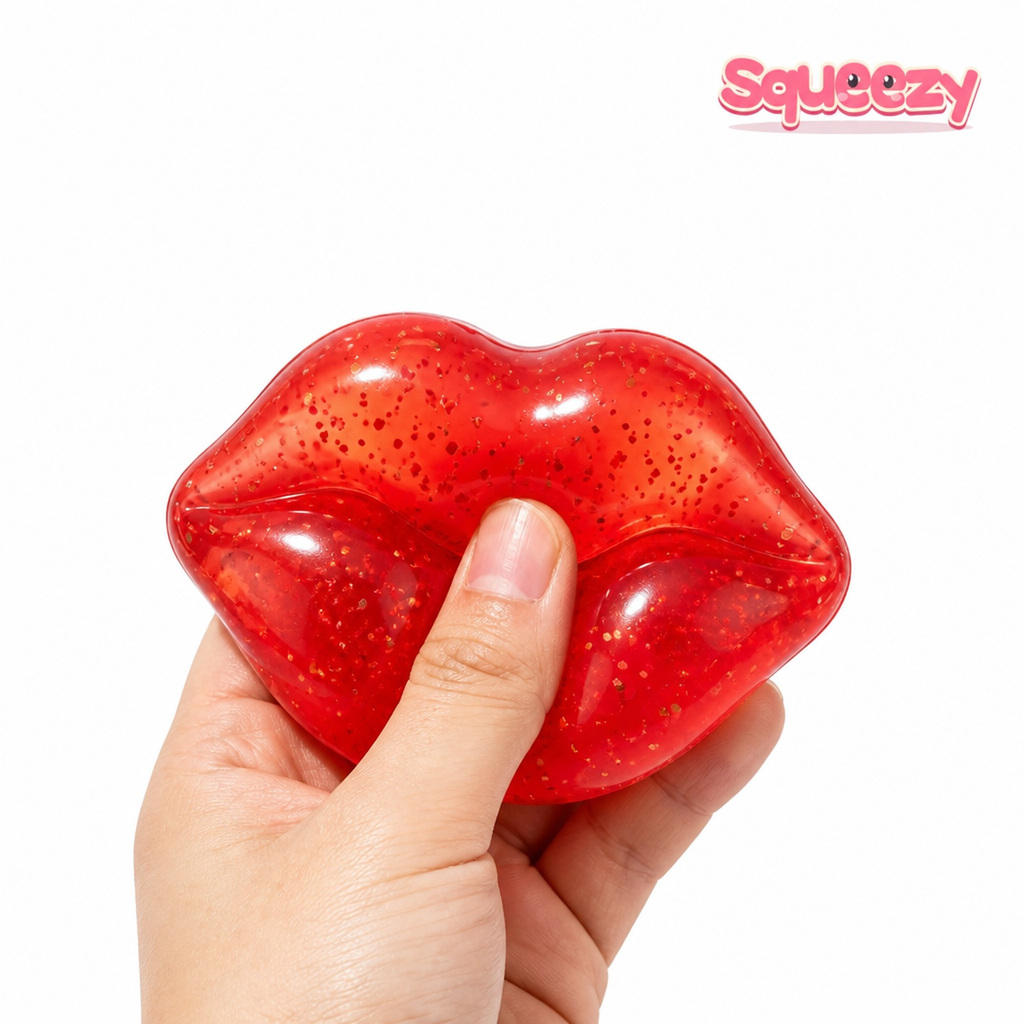 Jumbo Lips Squishy
 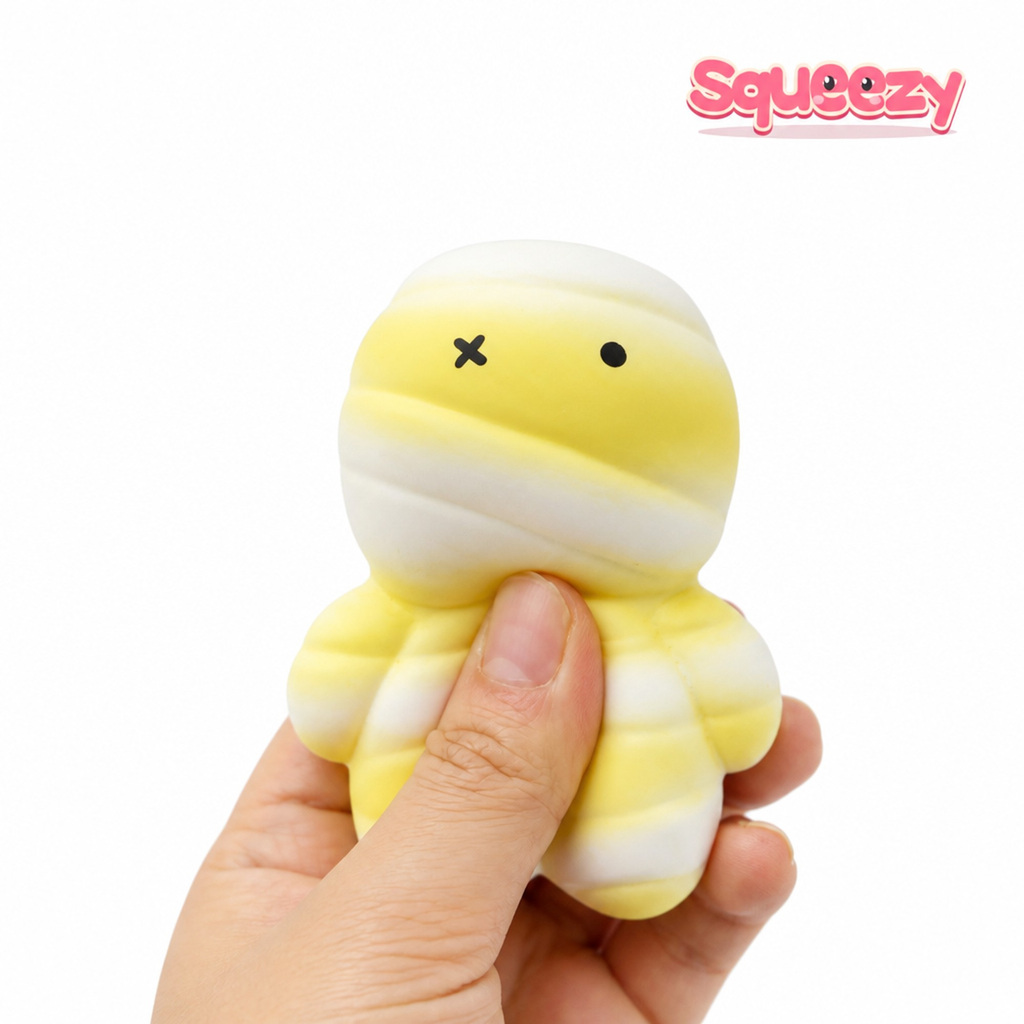 Mummy Squishy
 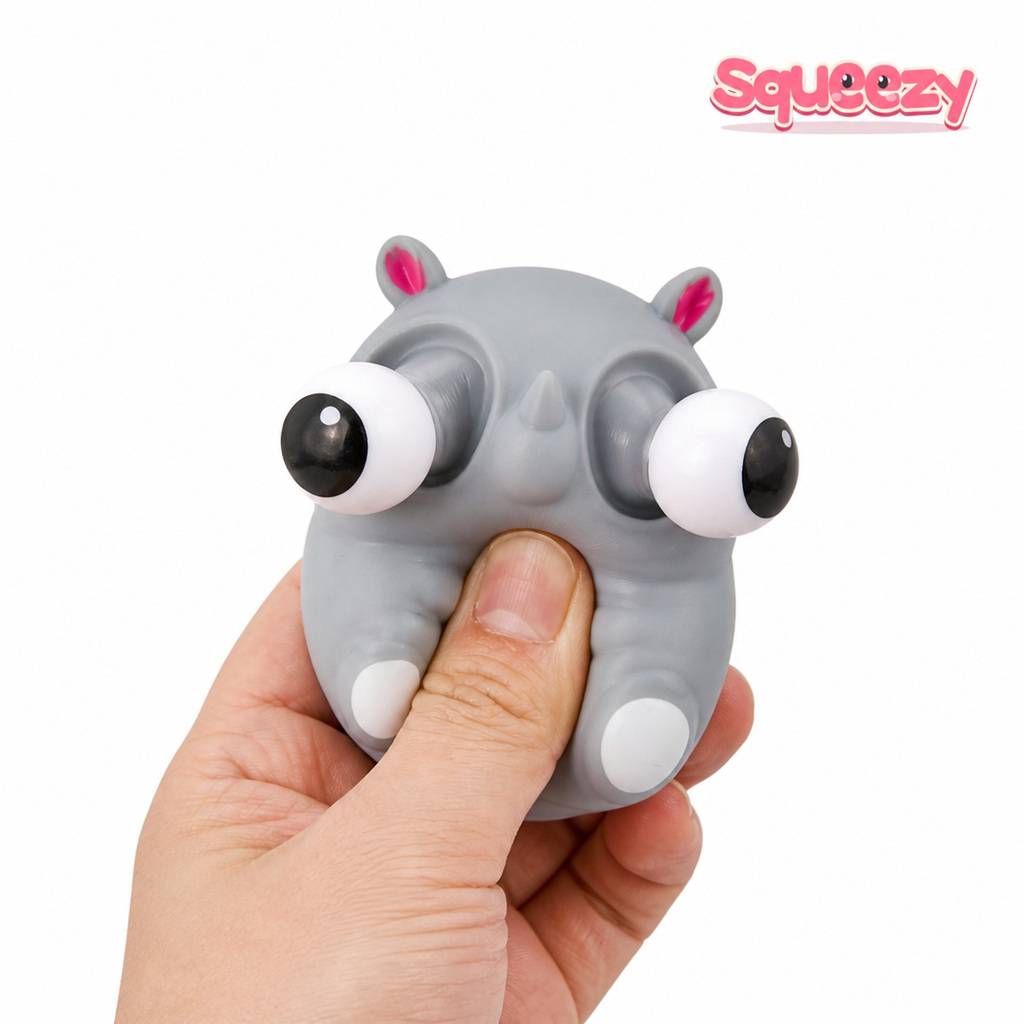 Pop-Eye Rhino
 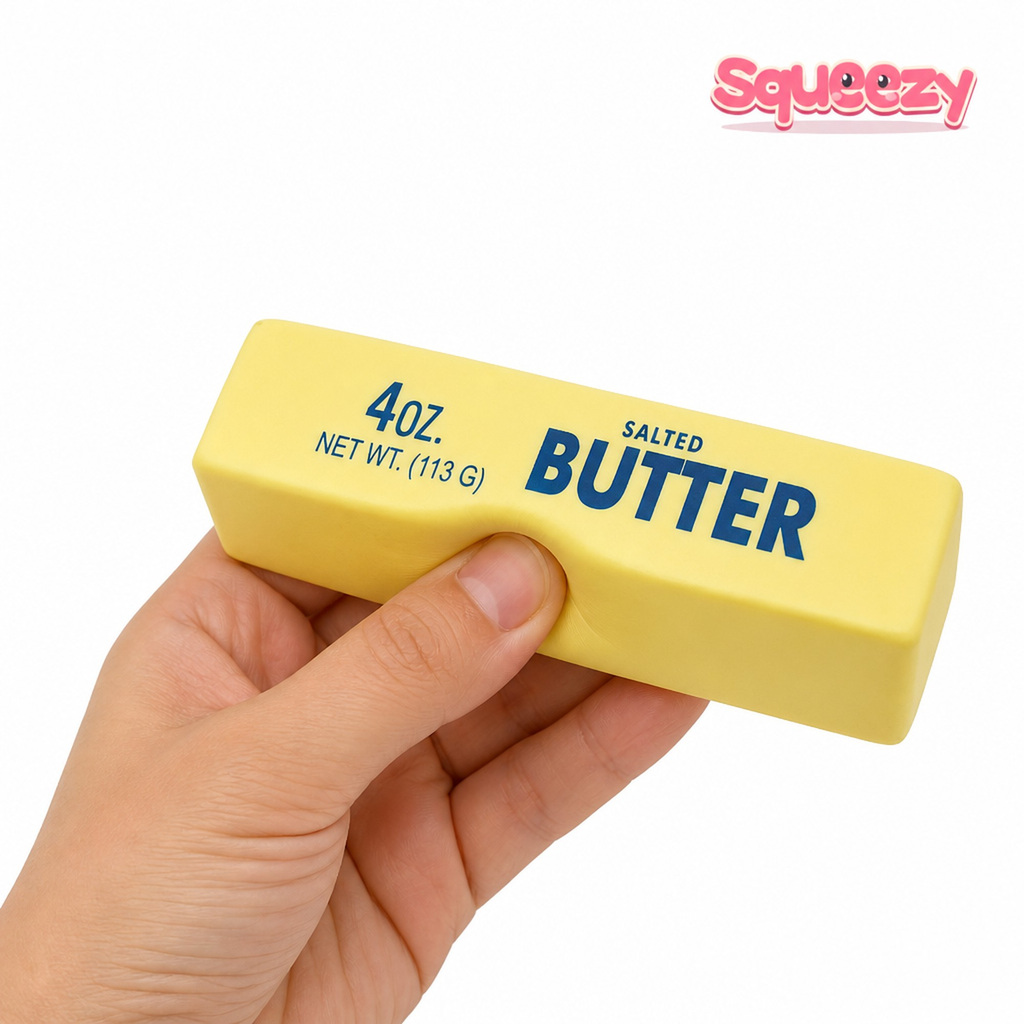 Salted Butter Stick
 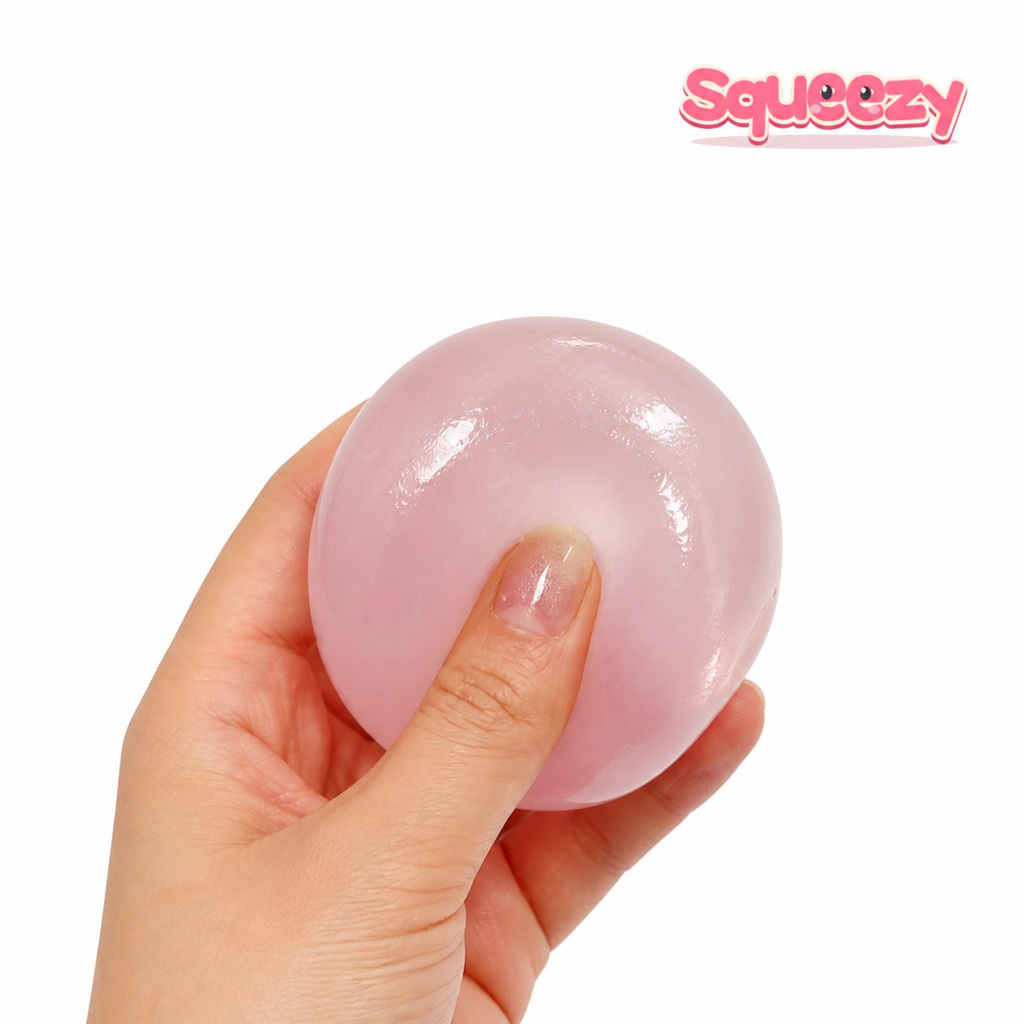 Pink Lychee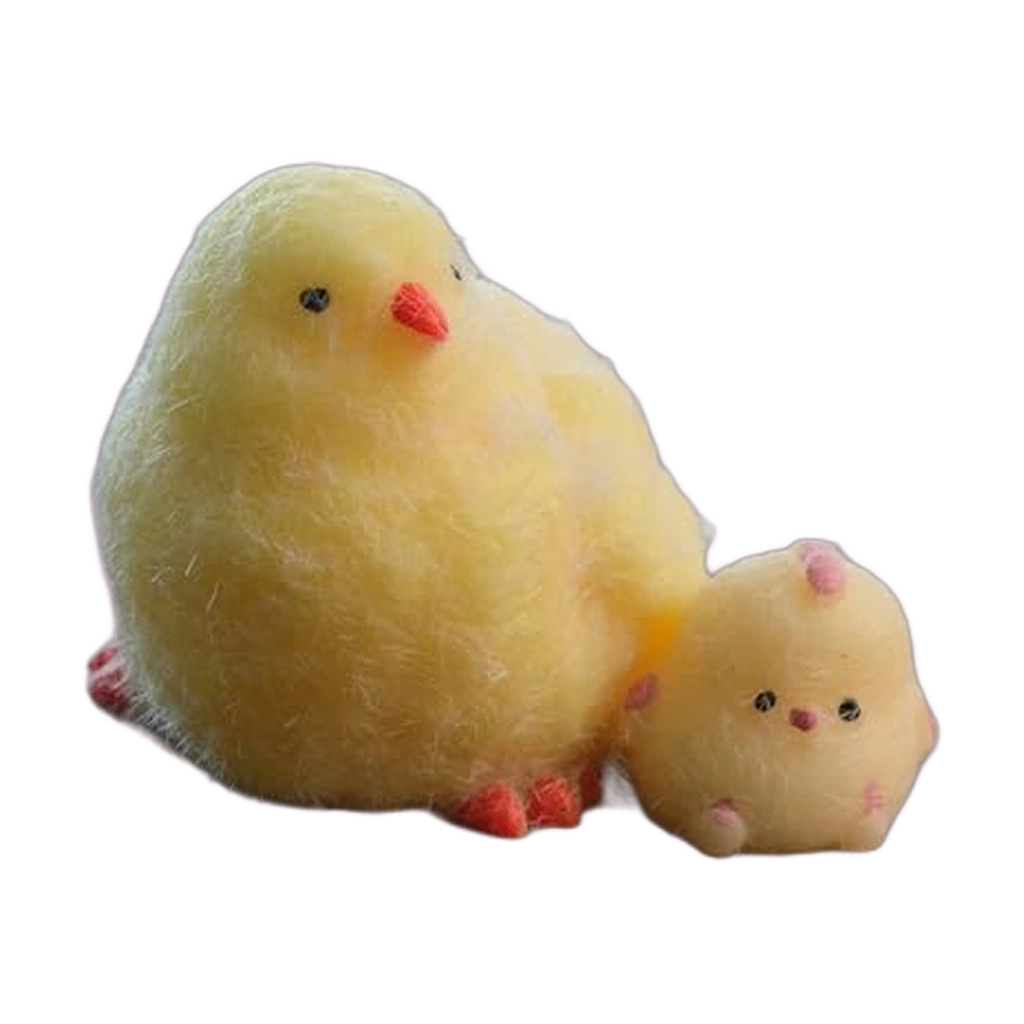
“Frozen taba squishy” mixes up two questions. A frozen butter taba squishy is a finish name that taba sellers use in product titles; the toy was never in a freezer and doesn’t need to be. Putting a real squishy in the freezer is a different matter: the silicone itself copes with freezer temperatures, but water inside the toy and the damp that forms on it afterwards are what cause trouble. A zip bag and the fridge get you a cold squish with less risk.
A frozen butter taba squishy is a texture name, not a freezer instruction
Look at how the phrase is used in search results today. When we pulled the US results for “frozen taba squishy” on September 30, 2026 (DataForSEO), the top result was a seller’s page titled “Frozen Butter Texture”, and marketplace titles further down read “Frozen Butter textured melon jelly Taba Squishy Toy” and “Frozen Butter Texture”. In those titles “frozen butter” sits exactly where other listings put a finish or texture name.
The people-also-ask box shows the confusion from the other side. It carried both “What is a frozen butter taba squishy?” and “What happens if I freeze my taba squishy?” as separate questions. Same words, two needs: one reader wants to know what the texture is, the other has a squishy and a freezer.
We can’t tell you exactly how each maker’s “frozen butter” finish is produced, because none of the pages we saw explains it and we don’t sell a toy under that name. What the naming does tell you is not to expect ice: a toy sold as frozen butter is meant to be squeezed at room temperature. If you are new to the word taba itself, our explainer on what a taba squishy is covers where the name comes from.
Searches for this are real but small. DataForSEO’s 12-month averages were about 400 a month for “frozen butter taba squishy”, about 150 for “frozen taba squishy”, about 150 for “frozen squishy”, and about 10 for “can you freeze a squishy”.
What a kitchen freezer does to a squishy, by what’s inside
A household freezer holds roughly −23 to −18 °C (−9 to 0 °F), according to Wikipedia’s refrigerator article. How a squishy takes that depends on its body and, more often, on what it is filled with.
| What the toy is | What the cold does | Our call |
|---|---|---|
| Solid silicone body, like a silicone taba | Wikipedia’s silicone rubber article says it keeps its useful properties from about −55 °C up to 300 °C, so freezer cold is inside its working range | The rubber is fine. Paint, flocking, glitter or anything sealed inside still counts |
| Water-filled | Water expands by about 9% when it freezes (Wikipedia, “Ice”), pushing on a skin that was sized for liquid | Keep it out of the freezer |
| Gel, jelly or “fluid-filled” with the fluid not named | We can’t tell how much water is in the fill | Treat it like water-filled |
| Soft foam | Cold makes soft materials firmer for a while; none of our foam listings gives a cold rating | No gain from freezing; a firmer, slower squish until it warms |
| Toys with a light or battery | Nothing in our listings covers cold | Keep them out |
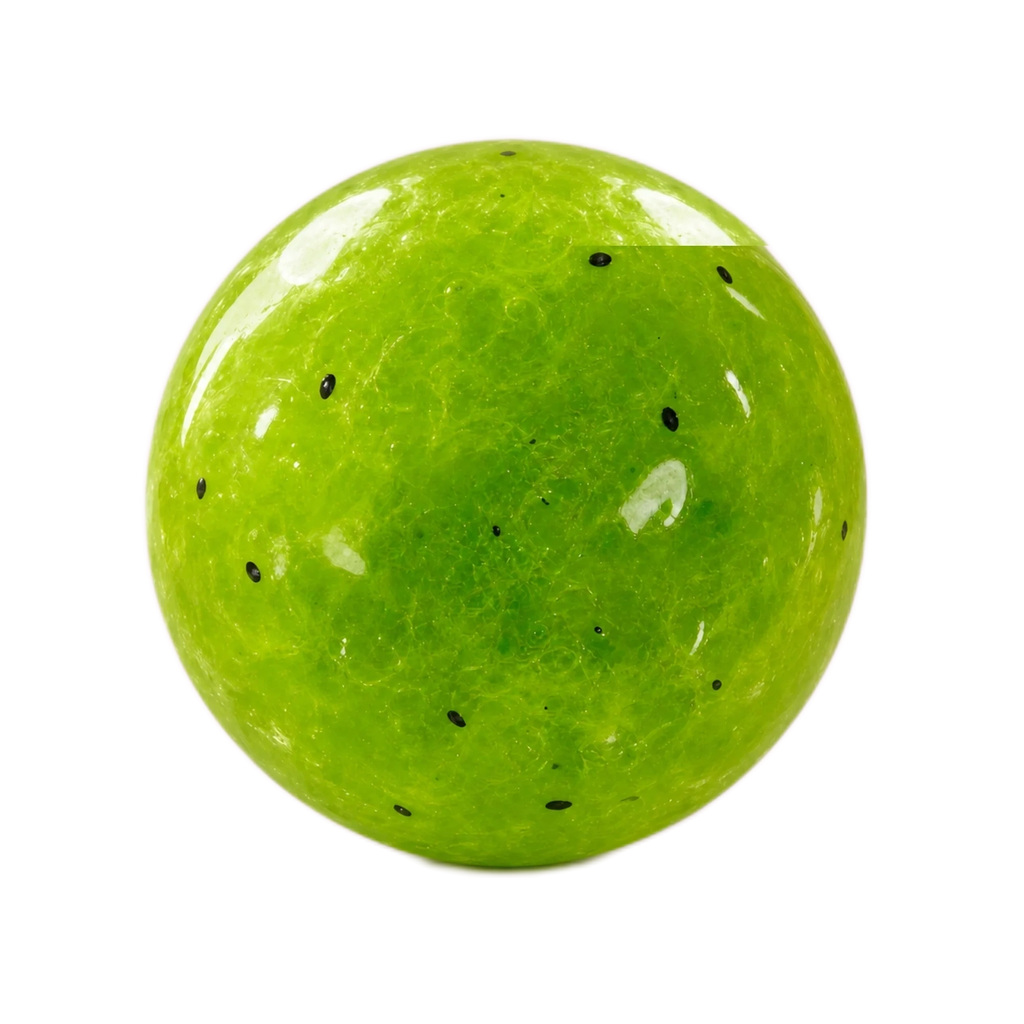
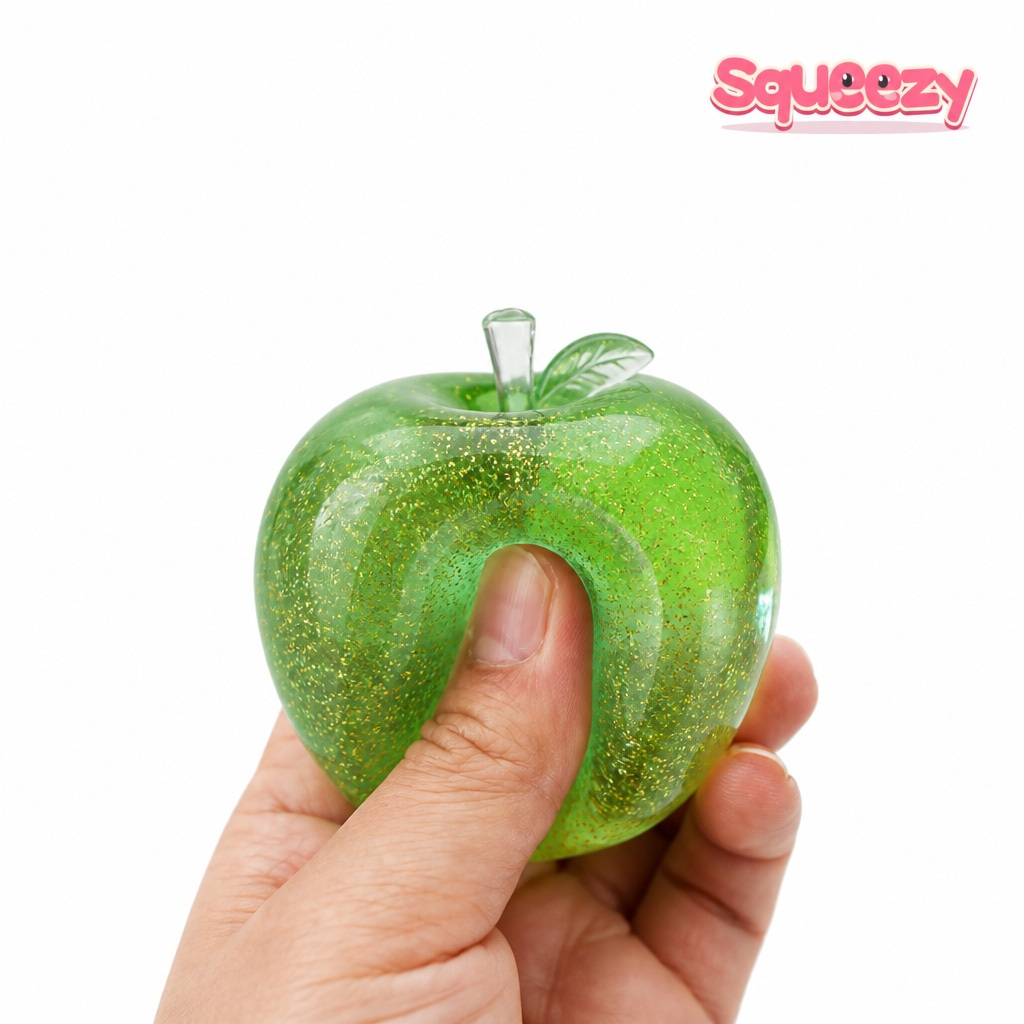
Our Splat-Back Mushroom Squishy Water Balls are the clearest “don’t”: the listing calls them water-filled, and that water would try to expand inside the skin. The same caution applies to a fluid-filled gel toy like our Watermelon Squishy, whose listing describes a dense fluid-filled gel without saying what the fluid is.
For the gel-and-foam “why is it stiff this morning” effect, our coconut oil squishy piece already walks through it, so we won’t repeat it here.
The thaw is the risky part
The damage people blame on freezing often happens on the way out. Wikipedia’s dew point article explains the mechanism: when air touches a surface colder than its dew point, the water vapour in that air condenses into liquid on the surface. A squishy straight from the freezer is far colder than the dew point of ordinary indoor air, so it comes out wearing a film of water.
On bare silicone that film just wipes off. On a flocked, fuzzy, painted or paper-tagged toy it soaks in or smears, which is exactly what our guide to cleaning a taba squishy tells you to avoid.
The fix is simple, and it works because the cold surface the air touches is the bag, not the toy:
- Put the squishy in a zip bag and press the air out before it goes in the cold.
- When you take it out, leave the bag closed until the toy is back to room temperature. The water condenses on the outside of the bag, not on the toy.
- Only then open the bag and squeeze.
Want a cold squish? Use the fridge, briefly
If the appeal is a cool, firm first squeeze, the fridge gets you most of it. The fridge compartment runs at about 3 to 5 °C (37 to 41 °F), per the same refrigerator article, cold enough to feel but far above freezing, so a water-filled fill can’t turn to ice. Ten to fifteen minutes in a sealed bag is plenty for a palm-size toy, and the bag rule above still applies.
Some of our silicone squishies already promise a cool feel at room temperature. The Mochi Elephant Squishy listing describes a silicone skin that “feels cool and a touch tacky”, and the Soft Silicone Chick Squishy listing describes a “slightly tacky shell” that squashes flat and slowly bounces back.
Our butter and silicone squishies, and what their listings record
We don’t sell a frozen butter texture, and no listing in our catalogue of 1,076 active products tells you to freeze a squishy. Here is what the relevant ones do say:
- Butter squishies. Our butter squishy collection has 26 listings. Seven name foam as the body, one names soft TPR, and the other 18 don’t name a material. That makes them foam, TPR or unknown, not taba silicone, and the freezer table above says there is no reason to freeze them.
- A clear butter. The Soft Butter stick is described as soft, see-through gel, so it falls under the gel row of the table: keep it out of the freezer.
- Silicone taba-style toys. The chick and the elephant above are silicone. If you would rather make your own, the Silicone Squishy Making Kit uses two-part liquid silicone that the listing says cures in 24 hours; our walkthrough on making a taba squishy at home covers the pour.
We haven’t run freezer tests on any of these. Everything above comes from what each listing states and the published material data cited.
FAQ
What happens if I freeze my taba squishy?
A plain silicone taba handles freezer temperatures; Wikipedia gives silicone rubber a working range down to about −55 °C. The risks are water or fluid inside, which expands as it freezes, and condensation soaking a flocked or painted skin as it warms up. Bag it, and keep the bag closed until it reaches room temperature.
What is a frozen butter taba squishy?
It is a texture or finish name that taba sellers put in their product titles, not a toy that has been frozen. The name describes the finish, not the temperature. Squeeze it at room temperature like any other taba.
Can you put a butter squishy in the freezer?
There is no benefit. Our butter squishies are foam, TPR or don’t state a material, and none of their listings gives a cold rating. If you want it cool, 10 to 15 minutes in the fridge inside a sealed bag is the gentler option.
Is a frozen squishy ball safe to squeeze?
Not if it held water or an unnamed fluid when it went in: ice inside a thin skin can stretch or split it. Let it thaw fully, in a closed bag, before anyone squeezes it.