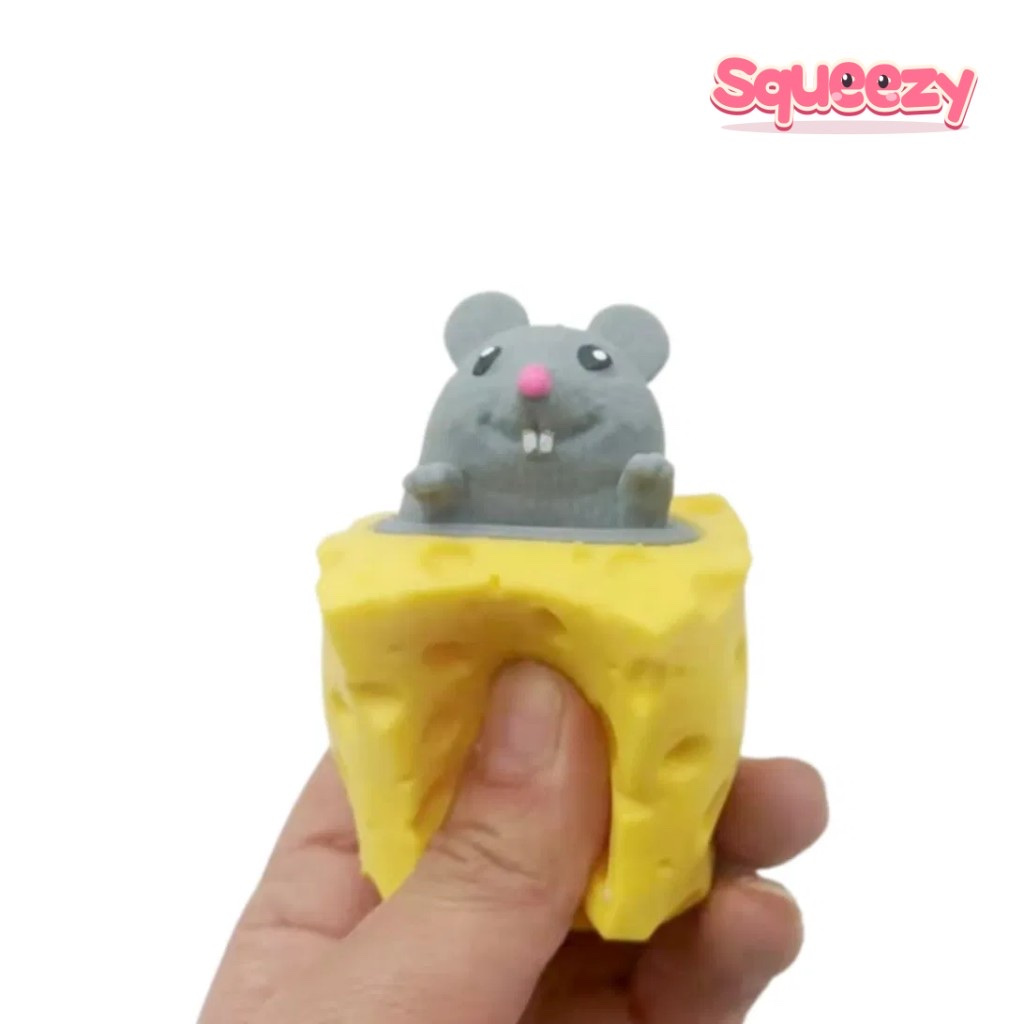
 Cheese Squishy
 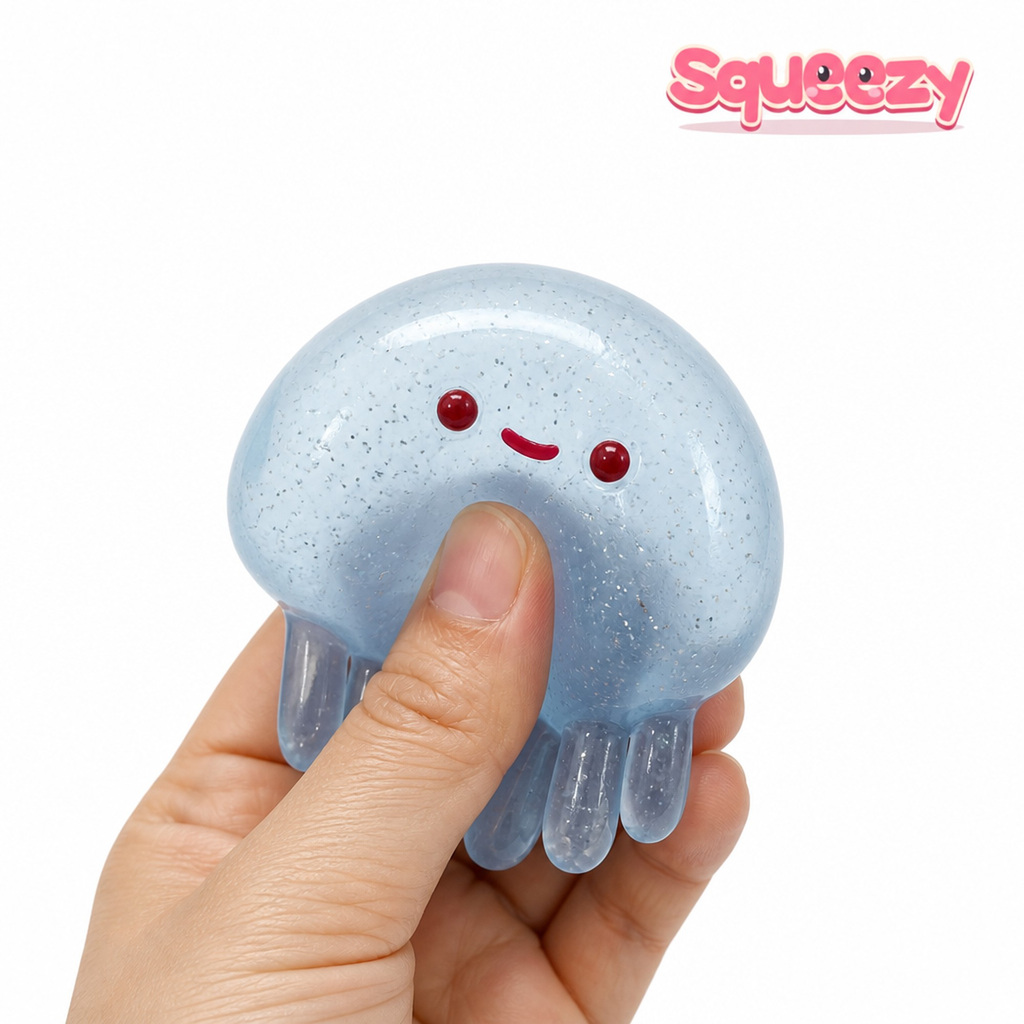 Jellyfish Squishy
 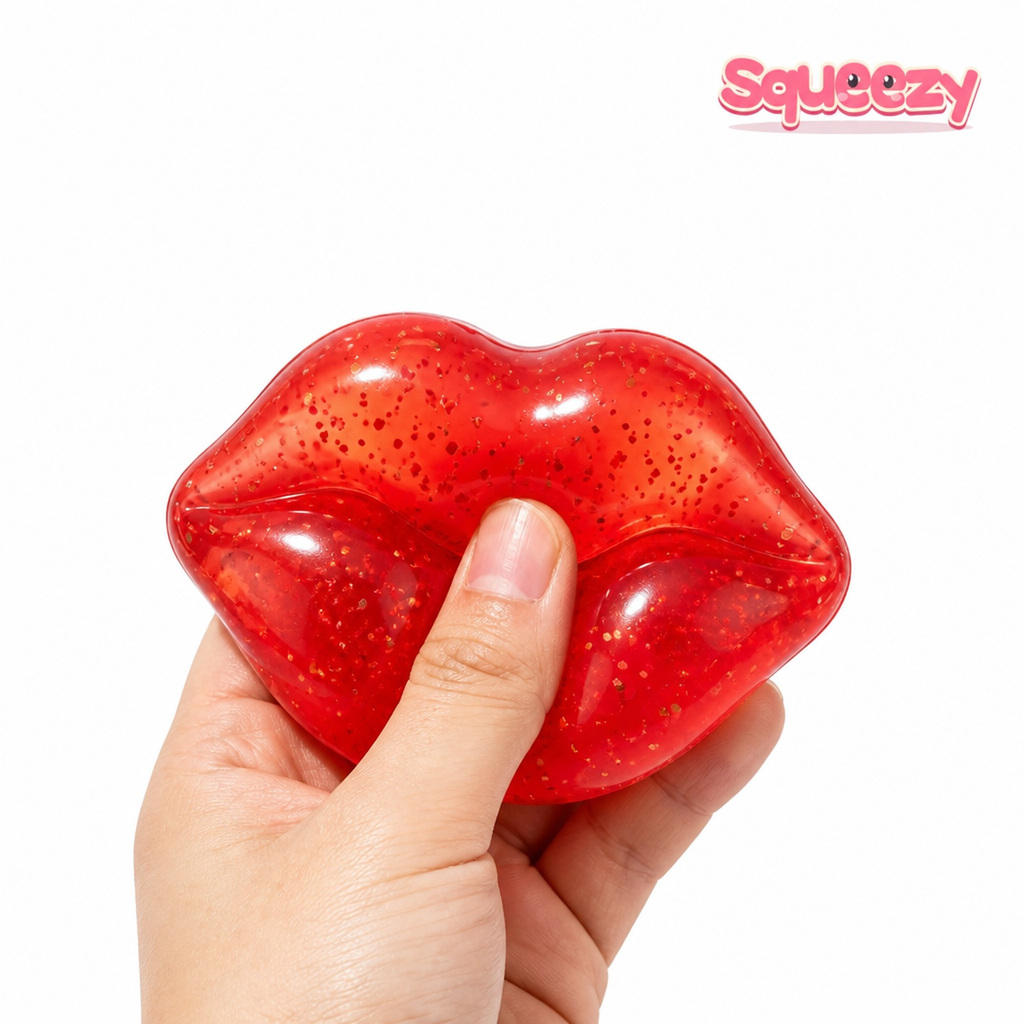 Jumbo Lips Squishy
 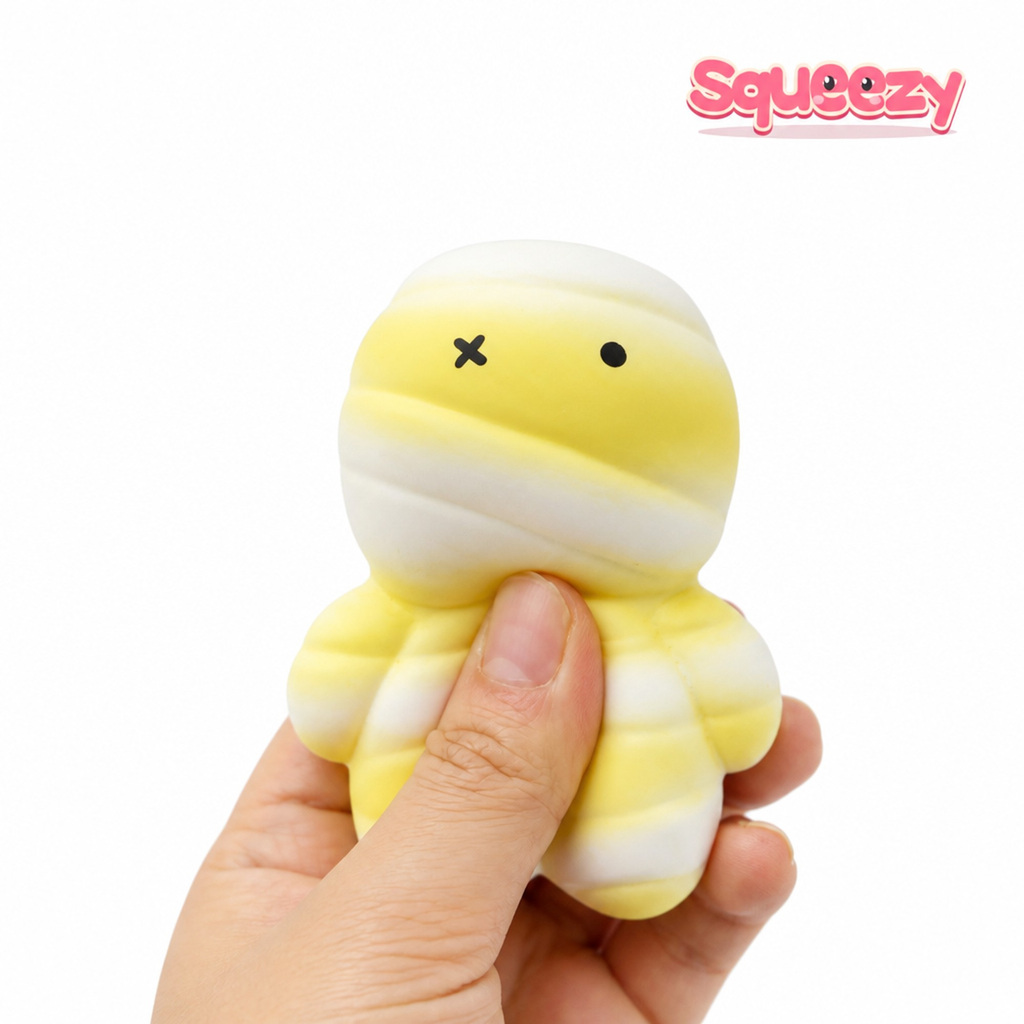 Mummy Squishy
 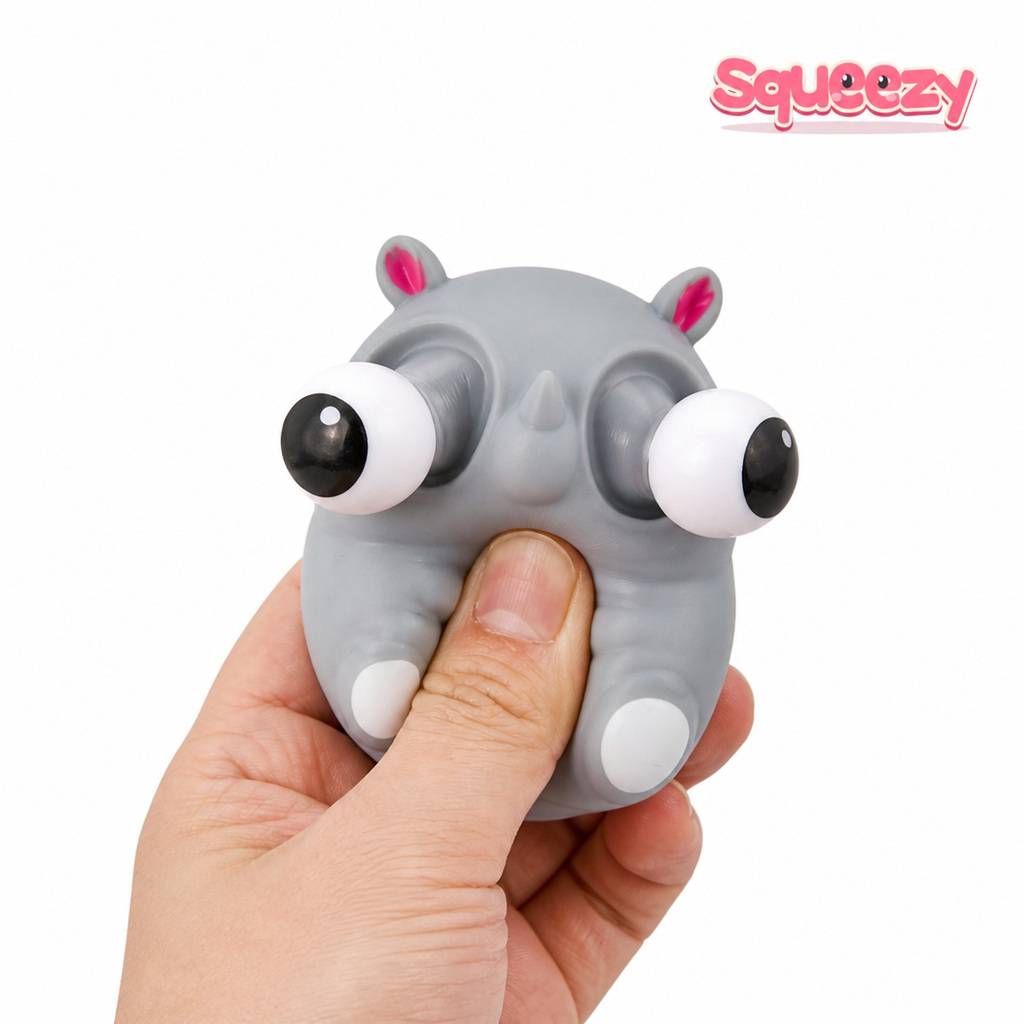 Pop-Eye Rhino
 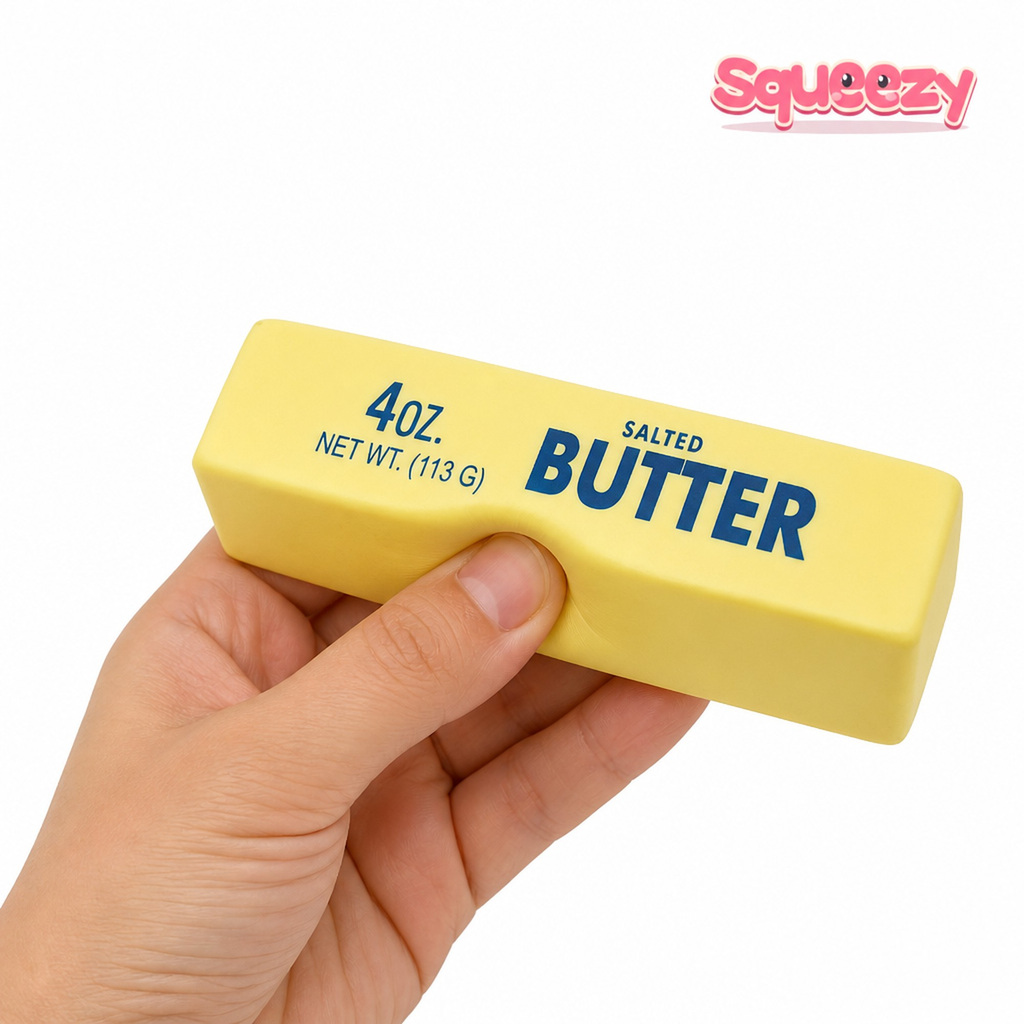 Salted Butter Stick
 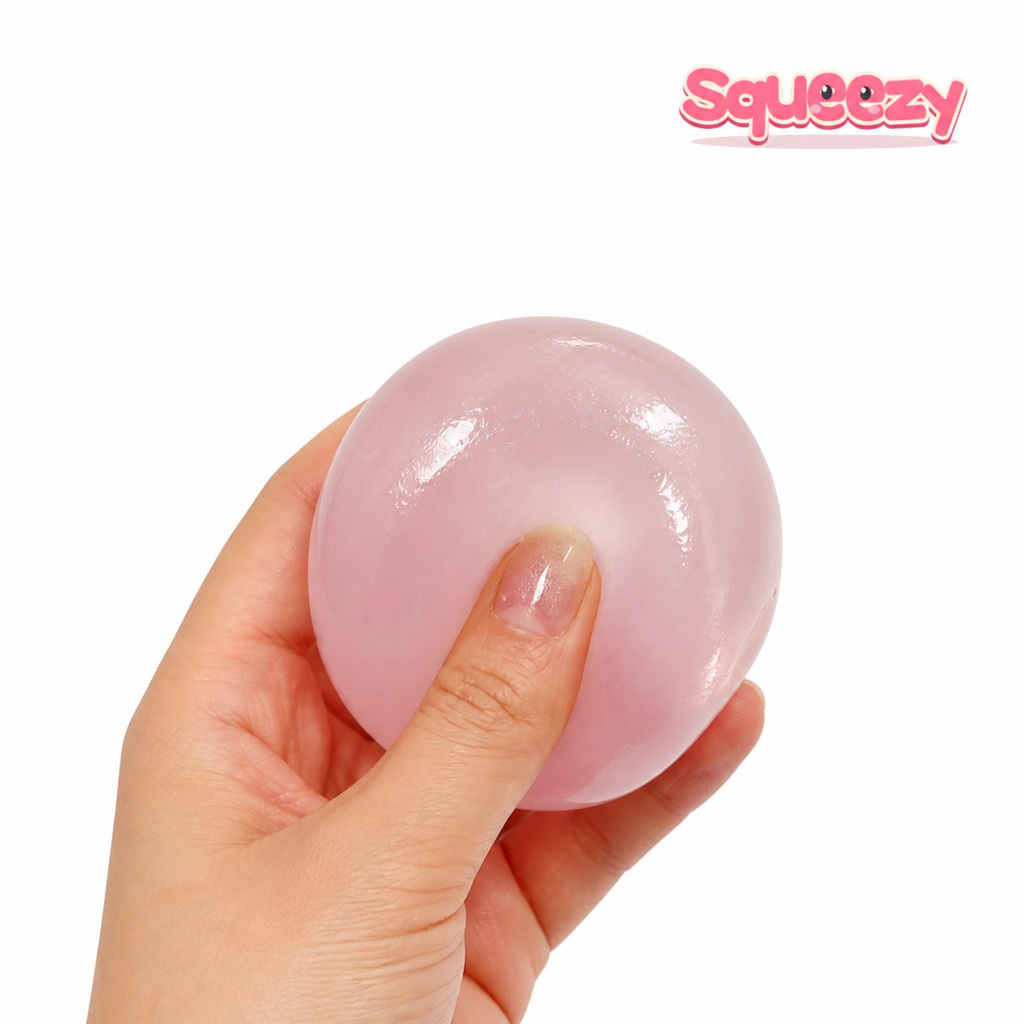 Pink Lychee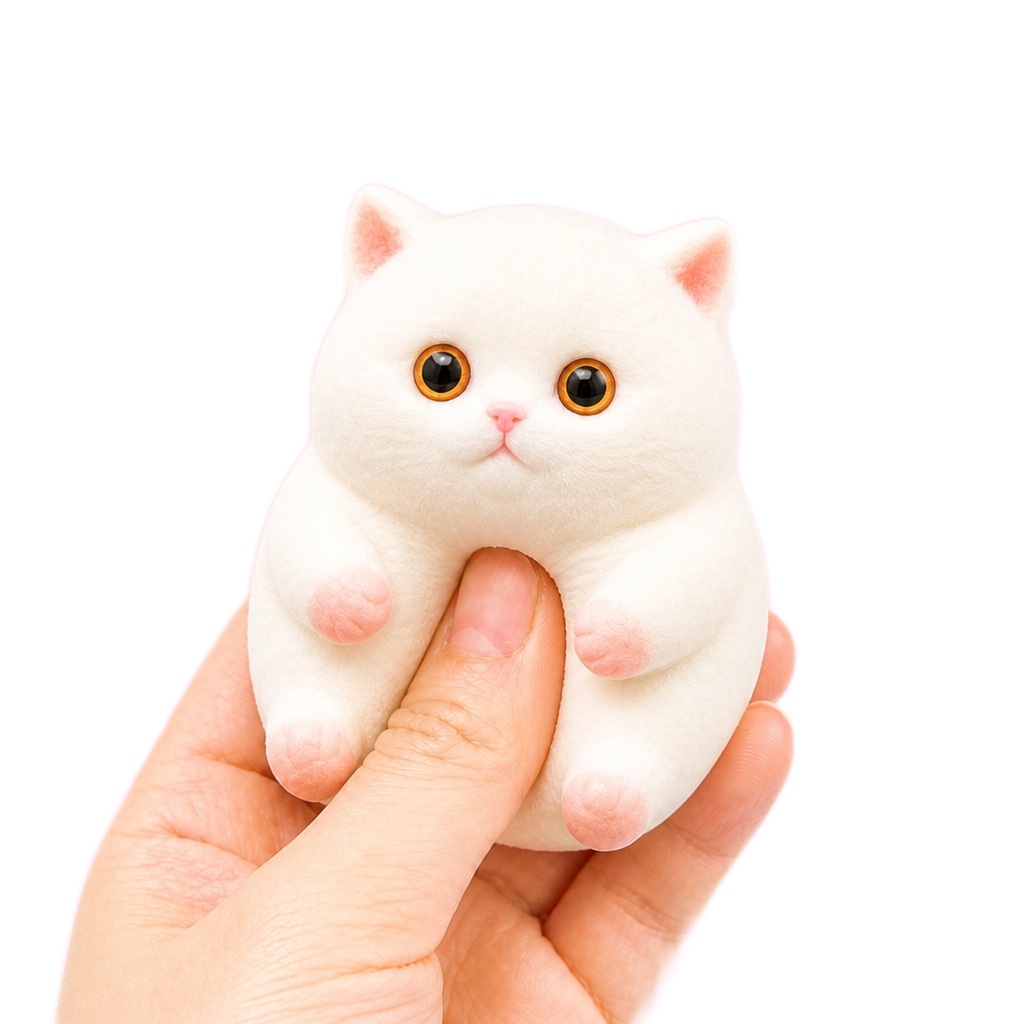
Give every piece a recorded place
A squishy collection is easier to arrange when you know what you own, how much room each item needs and where it should return after use. Start with an inventory and a small display plan before buying another box. This guide gives you a practical way to organise the pieces; it does not promise a storage method will prevent every change in color, texture or shape.
When deciding how to store squishies, put product instructions first. Record the care wording for the item you own, including its packaging. Do not choose a cleaning method or storage temperature from appearance alone. If instructions are missing, ask for them. The same-looking toys need not have the same care guidance.
Make an inventory that helps you find things
Use a notebook or spreadsheet with the following columns. A row is one item or one clearly identified set, not just a shopping order.
| Field | What to enter | Why it helps |
|---|---|---|
| Name and photo | The listing name plus your own reference photo | Identify the piece without relying on memory |
| Pieces owned | Actual count, with missing pieces noted | Distinguish a complete set from a partial one |
| Dimensions | Actual measurements, or marked approximate listing dimensions | Plan the space before choosing a container |
| Care note | Exact item instructions and where you found them | Keep the guidance with the right product |
| Home position | A shelf, tray or numbered box location | Know where it goes after a collection tour |
| Condition and date | Your own observed condition | Compare later observations without guessing what changed |
Keep the entries simple enough to maintain. A photo, count and location are a useful start. You can add more detail when you move a piece or notice something that needs checking. Do not fill an unknown field with an estimate that looks like a confirmed specification.
For sets, count the pieces when you receive them. The current Waffle 4-pack describes a rainbow waffle, donut, frosted cake and cat paw. In an inventory, record those four separately if they will live in different places. That is more useful than a single “waffle set” row when you are looking for the paw.
Plan around usable inside space
Measure the inside of a drawer or box, including its height with the lid closed. Note dividers, hinges or curved corners that reduce usable space. An outside product measurement for a storage box does not establish its interior capacity.
Our Jumbo Baguette page lists approximately 50 × 8 × 4.5 cm. That gives you a starting point for reserving a space, but the actual piece and your chosen orientation should determine the final arrangement. The Mini Twisted Baguette lists approximately 15.5 × 4 × 2 cm. Both listings were checked on October 2, 2026; these figures are listed specifications, not our own measurements.
Mark out a proposed position on paper before buying a fitted organiser. Leave access room in the layout so you can lift a piece without moving an entire row. This is a planning preference, not a tested rule about material compatibility or how tightly a toy can be stored.
Separate squishy display positions from everyday positions
Choose which pieces you want to see and which you want within easy reach. A display can be small even when you own many pieces. Record a place for both groups. Moving something off the shelf should not mean losing track of it.
Try a single row first. Check the view from where you usually sit, then reach for each item and put it back. If that requires removing several neighbours, give it another position. For a collection video or photo, temporarily group pieces by color or theme, then return them to their recorded places afterwards.
Number the storage boxes on the outside and use the same numbers in the inventory. A label saying “Box 2: bread and dessert designs” is more helpful than opening every container. Place labels on the organiser rather than attaching adhesive directly to a toy; this guide has not tested adhesives on any of these products.
Keep care instructions attached to the right item
Copy any care instructions from the label or packaging of the item you own into its inventory row, and record where they came from. Keep an instruction with that specific piece. If it does not address soaking, solvents or heat, ask the seller before treating the item. Do not use another product’s instructions as a substitute.
Keep original care labels or packaging information where you can find them. If you change the organiser, update the location field instead of rewriting or losing the instructions. If a piece develops an unfamiliar change, document what you can actually observe and contact the seller with the product identity and photographs before trying a treatment based on a different toy.
For problems with a purchase from us, consult the current refund and return policy. Keep that purchasing question separate from a display rearrangement; neither an organiser nor this guide establishes eligibility for a refund.
Use a repeatable reset after a collection tour
Before showing or sharing the collection, take a reference photo of the normal arrangement. Afterwards, check the piece count, return each item to its recorded place and note anything you observed. Choose your own review interval based on how often you use the collection. There is no tested “rotate every few weeks” schedule in this guide.
This routine gives you a manageable way to spot missing pieces and remember changes. It also lets you expand the collection deliberately: before ordering a new set, assign its intended positions and check whether you still want it when the space is accounted for.
FAQ
Should everything go in the same storage box?
Only if that arrangement suits the actual items and their instructions. Check their dimensions, access and care notes first. This guide does not establish that every material is compatible with every box or with prolonged contact with another toy.
Can I use a product photo to judge whether it will fit?
Use recorded dimensions or measure the item you own. A photo without a scale reference shows appearance, not a reliable storage footprint. Check the inside measurements of the container as well.
What if the listing has no storage instructions?
Record the gap and ask the seller about that product. Keep identification and any packaging information available. Do not infer a material, cleaning treatment or temperature limit from a color or surface texture.