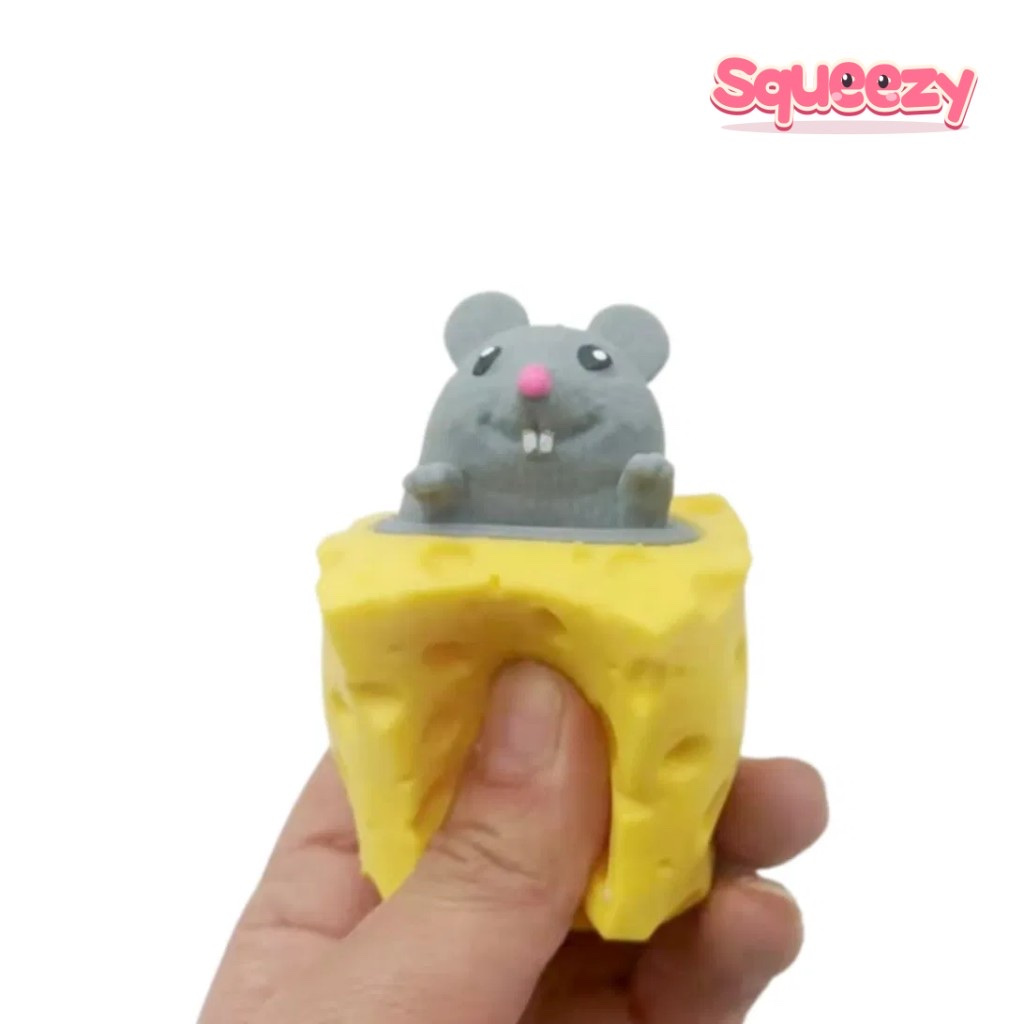
 Cheese Squishy
 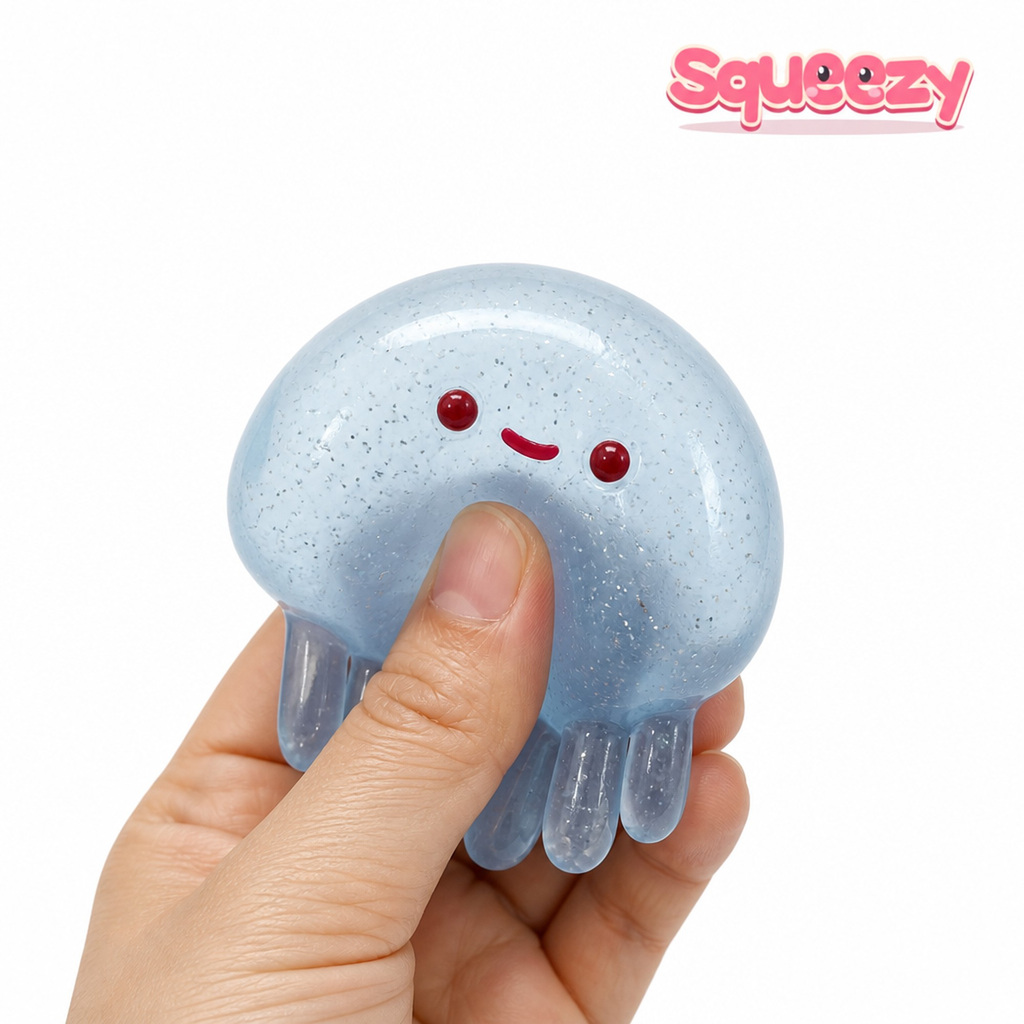 Jellyfish Squishy
 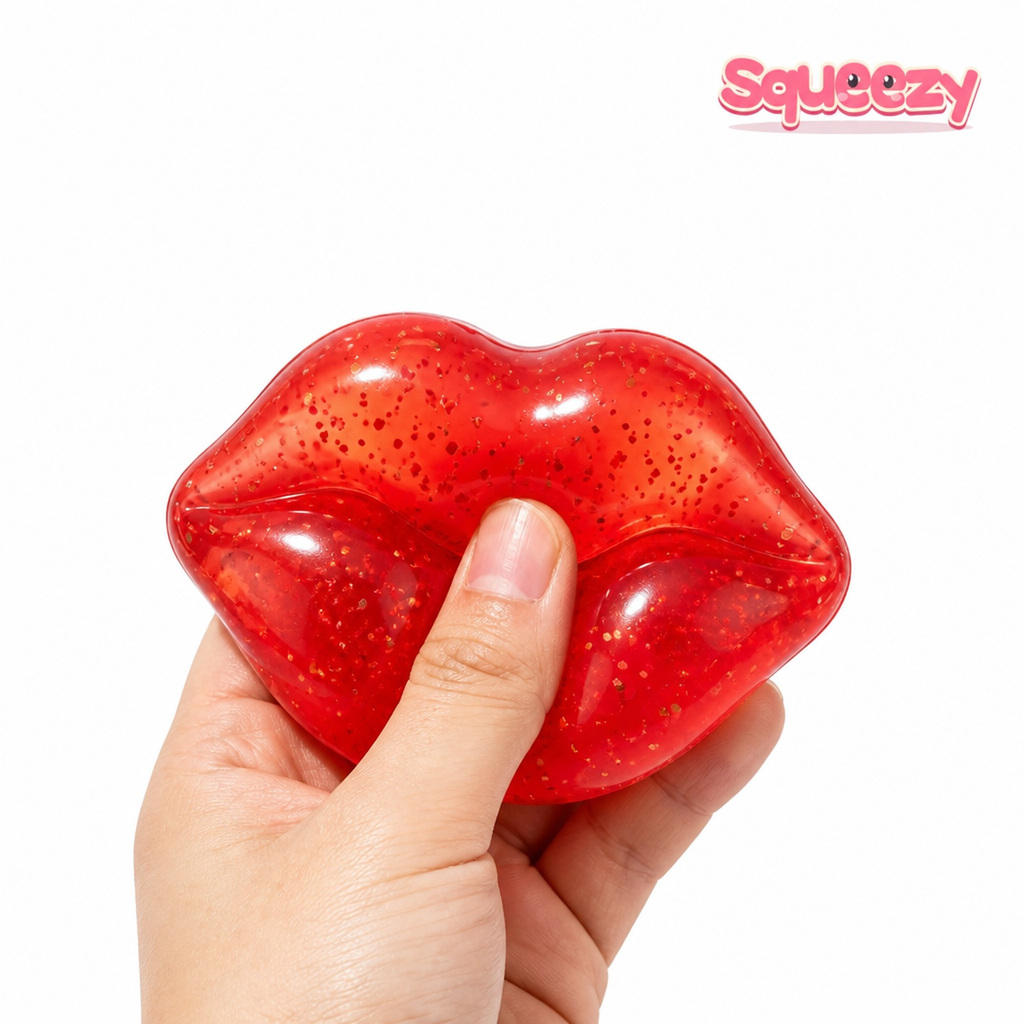 Jumbo Lips Squishy
 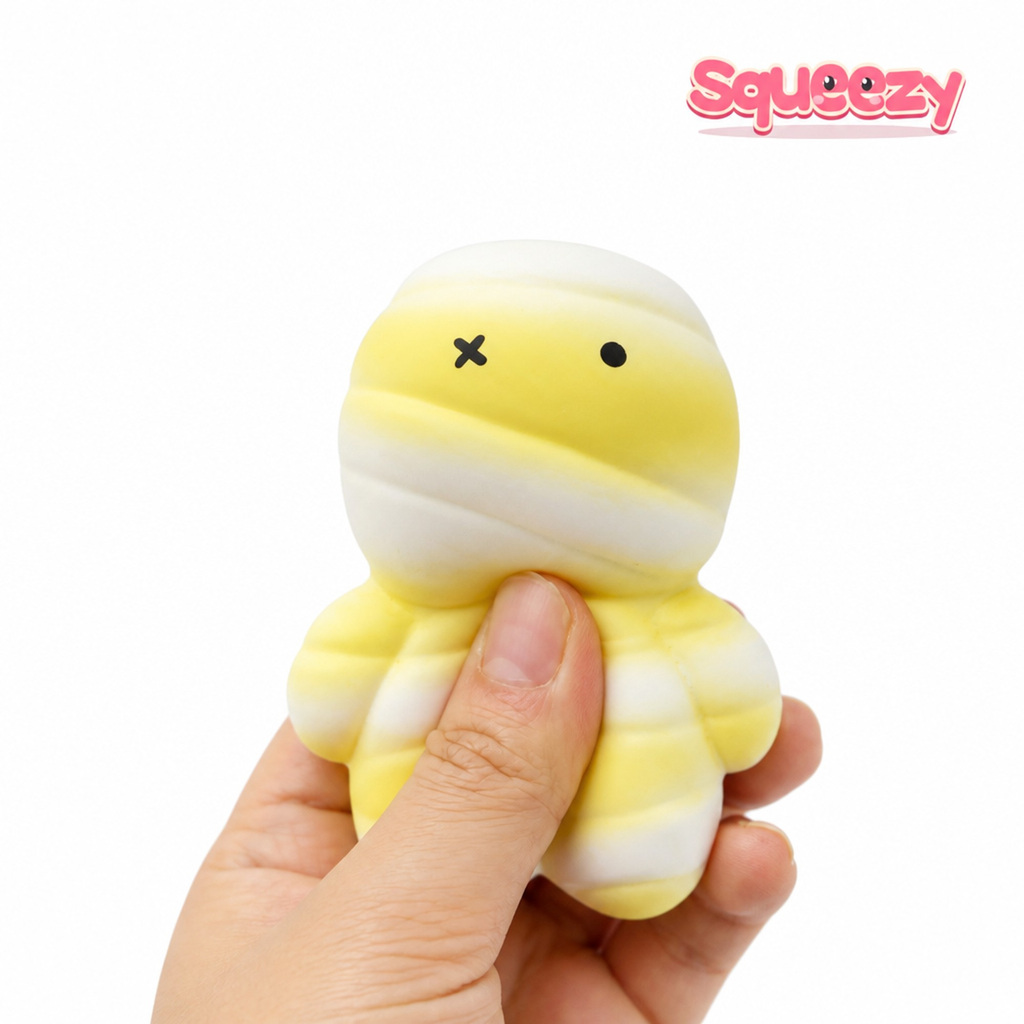 Mummy Squishy
 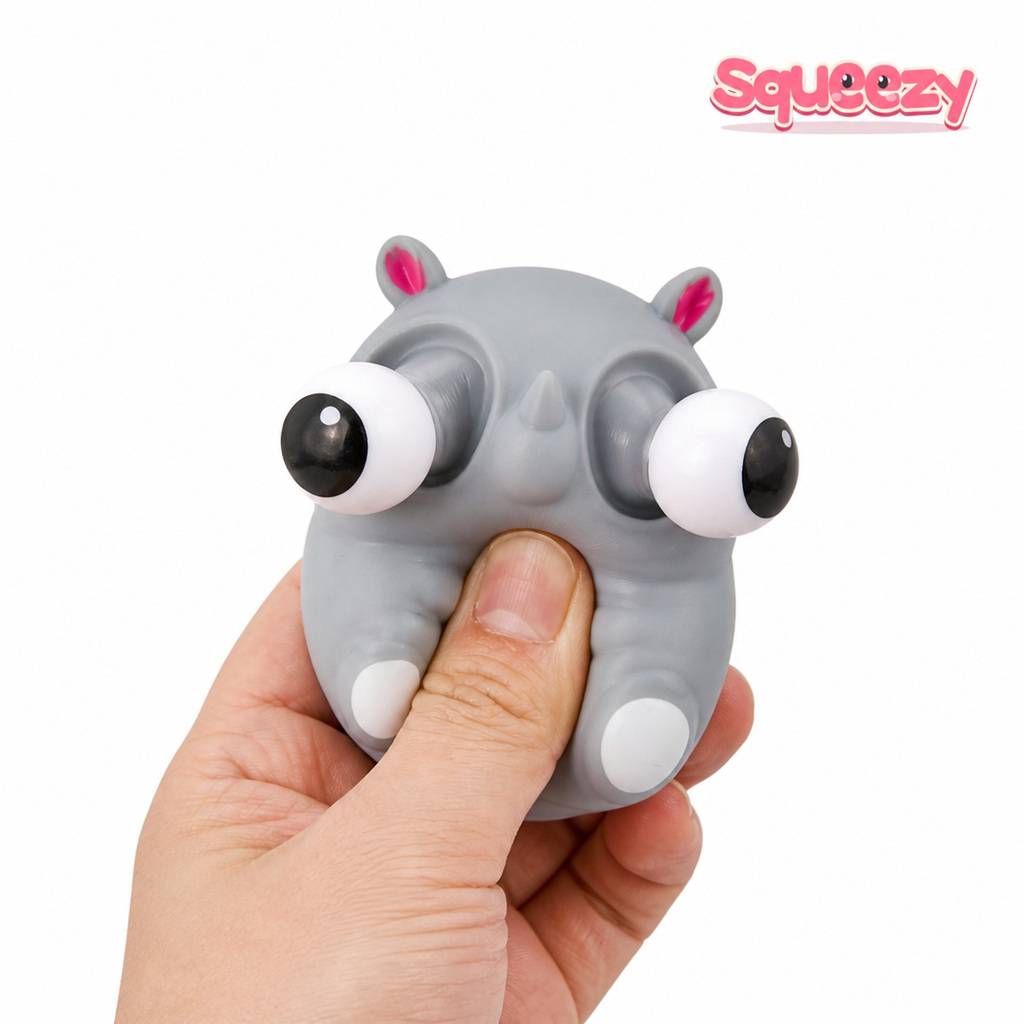 Pop-Eye Rhino
 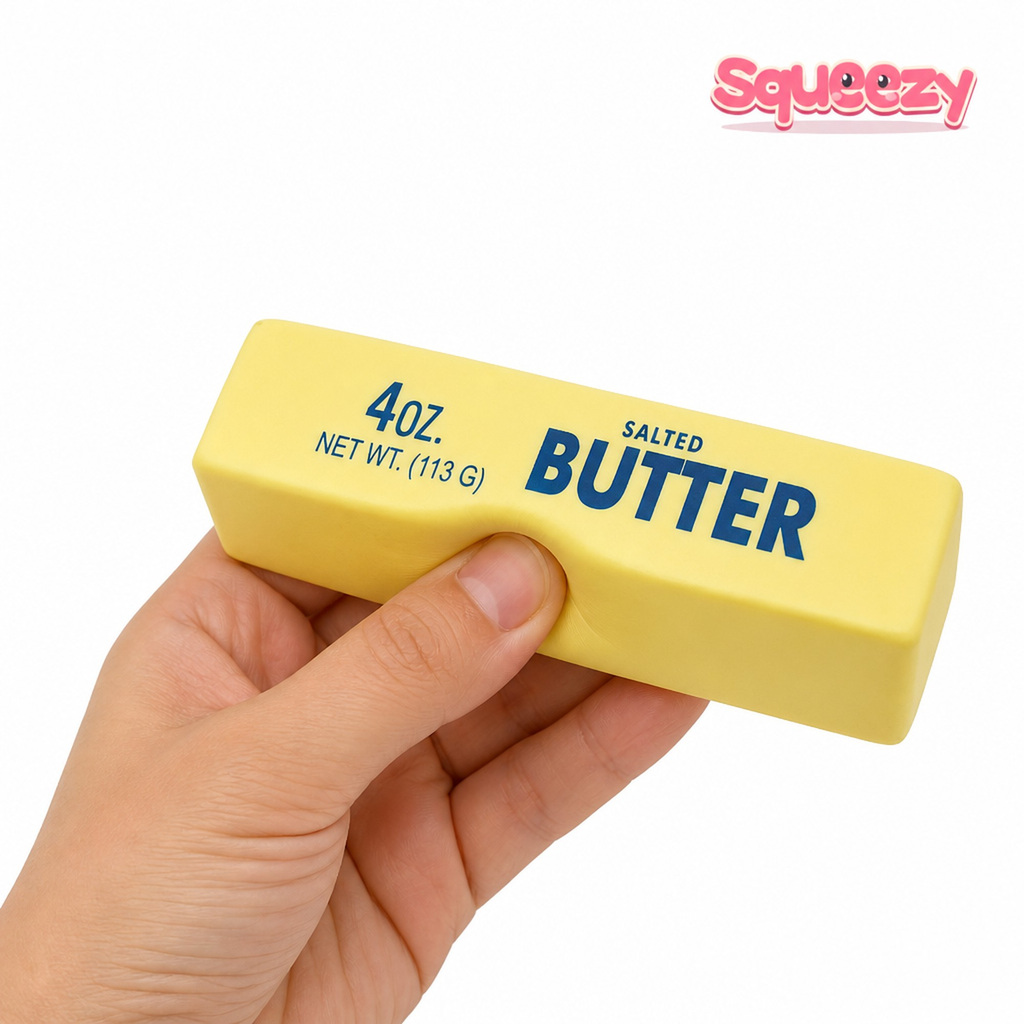 Salted Butter Stick
 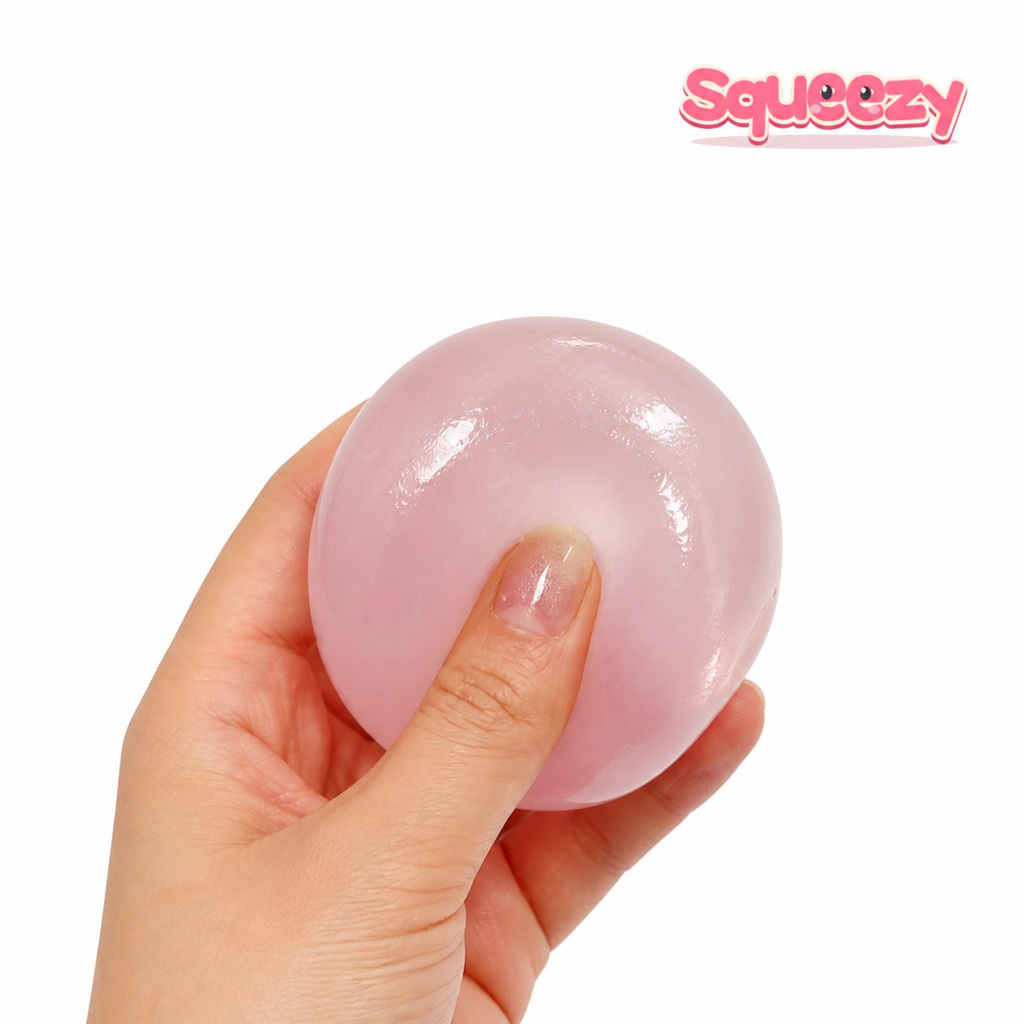 Pink Lychee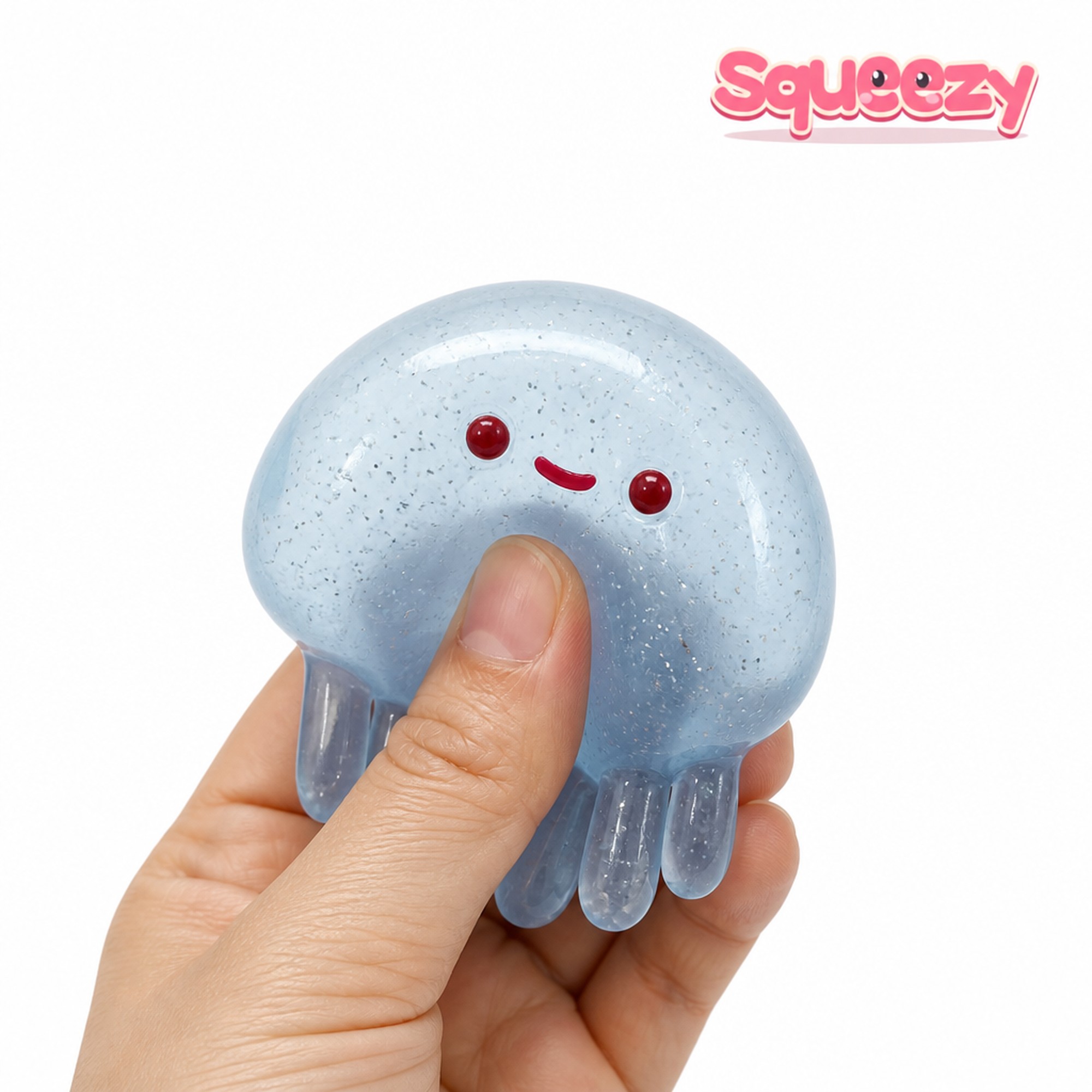
Are squishies toxic? You cannot establish a particular toy’s safety from its appearance, softness or material name. Check its manufacturer, age guidance, warnings and product-specific testing information. The U.S. Consumer Product Safety Commission’s August 2026 alert identifies hazards in counterfeit and noncompliant squishy toys; it does not certify the products in our shop.
What the CPSC alert says
The CPSC alert published on 5 August 2026 addresses hazardous fillings, small parts and chemical hazards in noncompliant toys, as well as burns from heating squishies. It advises checking safety information and the manufacturer, inspecting toys for damage, and keeping damaged toys and released contents away from children.
That warning is a reason to check a specific product. It is not evidence that every squishy has the same composition, or that an attractive listing proves compliance.
What are squishies made of?
Product listings may describe foam, gel, silicone or TPR. Those labels do not answer every safety question. A toy may also have a coating, printing or a separate filling, and a listing may omit those details.
Do not identify the material just by squeezing it. Two toys with a similar feel can have different construction and care limits. Ask for the specification for the exact product or variant when the listing is incomplete. Words such as soft, jelly-like or slow-rising describe an impression or behavior; they are not test reports.
Five checks before choosing a toy
- Identify the product. Match the exact item and variant to its packaging and documentation. A report for a different model does not establish anything about the one you are buying.
- Find the responsible business. Look for manufacturer or importer information and a way to ask questions about the product.
- Read age guidance and warnings. Use the instructions for that item. A category name such as kids squishies does not establish an age recommendation for every product in it.
- Check traceability. Keep the packaging and any batch or tracking information supplied with the toy.
- Ask about testing. Seek product-specific information rather than assuming that a material label or a seller’s use of non-toxic establishes compliance.
These are information checks, not a home safety test. If the information is missing, we cannot turn that gap into a safety assurance.
When to stop using a squishy
CPSC advises stopping use when a toy has a strong chemical odor, is oily or unusually sticky, leaks, tears easily or deteriorates. Keep squishies away from heat; do not microwave them. Follow the product’s age restrictions and keep released filling away from children.
Do not try to hide a concerning change with powder, perfume or a repair. Contact the seller or manufacturer about the specific product. A change in appearance or texture needs a product-specific assessment, not an assumption that cleaning will make it suitable for continued use.
What our catalogue data can tell you
Our 21 September 2026 text audit covered 1,087 active listings. It screened the name, tagline and visible description for these words: foam, gel, silicone, TPR, polyurethane, rubber, vinyl, latex and resin. It did not chemically test any toy.
| Text audit result | Listings |
|---|---|
| None of those terms found | 650 |
| At least one of those terms found | 437 |
| Foam mentioned | 278 |
| Gel mentioned | 117 |
| Silicone mentioned | 30 |
| TPR mentioned | 17 |
The first two rows total 1,087. Individual material counts can overlap, and the audit used the exact terms listed above. These are counts of words in listings, not verified composition or certification counts. A missing match does not rule out other wording or abbreviations; these figures measure the stated screening rules, not every possible material description.
We cannot make a whole-catalogue material or safety claim from those figures. We also do not have a third-party test report for every line. Check the exact product page and request missing information before deciding whether it meets your needs.
Questions before buying for a child
Is a squishy suitable for my child? That depends on the particular product, its instructions and the child’s use. We cannot give a blanket yes or a single age for the entire catalogue.
What are squishies filled with? Construction varies. Some products have a separate filling; others do not. Do not assume the contents from the name or appearance.
Can I tell whether a toy is non-toxic at home? This article does not provide a home toxicity test. Packaging information and product-specific documentation are starting points for questions, not a guarantee created by visual inspection.
Our squishies for kids collection is a browsing category. For any item you consider, review its own information rather than treating placement in that collection as safety certification.